Frozen yoghurt and artisanal providores: The rise of foodie havens
From European delis to frozen yoghurt stores, specialty food outlets are challenging the norms of traditional retail precincts.
Once limited to only the most affluent suburbs, these artisanal shops are quickly becoming must-have tenants in shopping strips and centres across urban and regional centres.
Despite strong price pressures from the highly concentrated supermarket industry, these much smaller operators are competitive thanks to strong consumer demand.
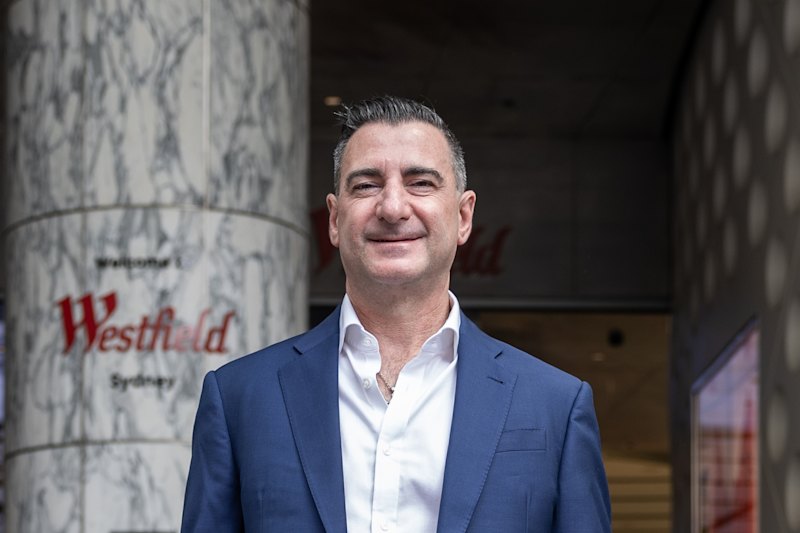
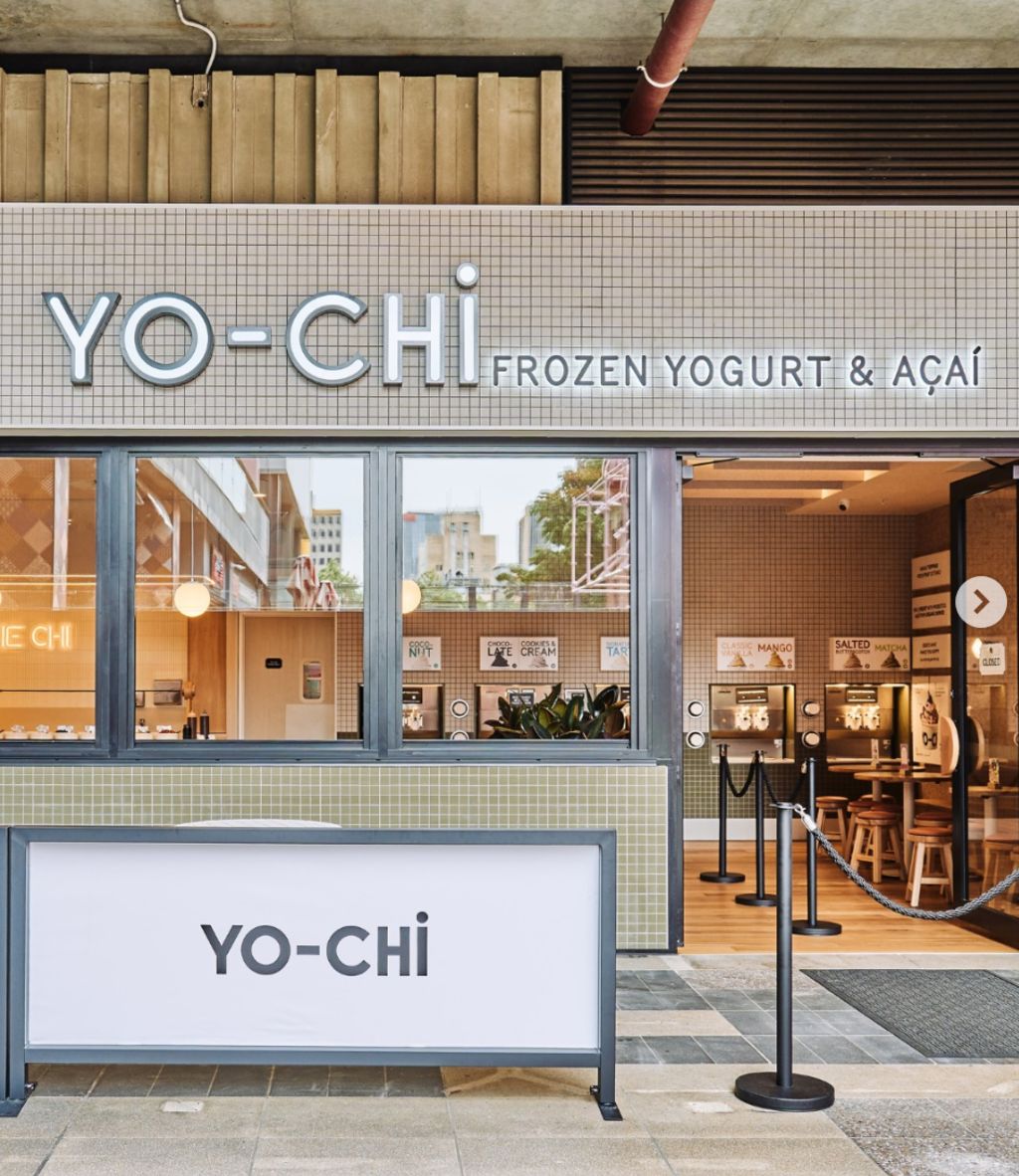
Some are even testing the strength of major supermarket chains, says Eddie Giraldo, head of retail leasing at Dexus, who points to the wildly successful Yo-Chi chain of frozen yoghurt stores.
“We see Yo-Chi as a drawcard anywhere you put them, and then what happens is all the neighbouring tenants generally want to be around Yo-Chi because they know they draw so many people,” he says. “So we see them as almost like an anchor in our little precincts now.”
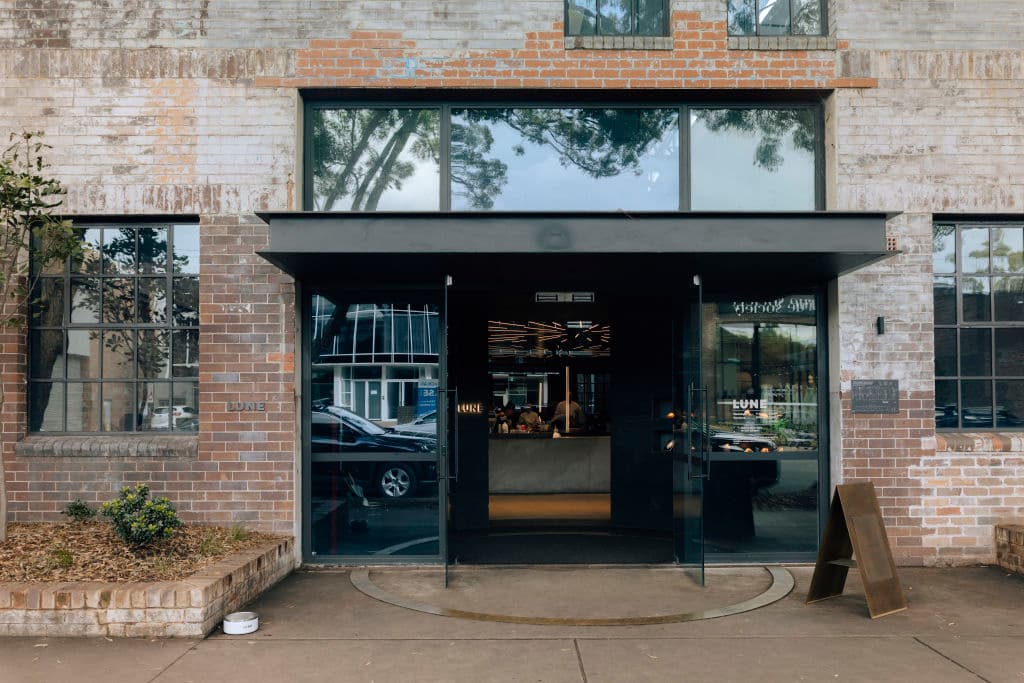
The popularity of other gourmet food stores paints a similar picture. In Melbourne, Hector’s Deli first opened in 2017 and now has eight locations, while Lune Croissanterie went from a humble wholesaler in 2012 to now having eight stores across Melbourne, Sydney and Brisbane.
Financial pressures from rising interest rates and fuel price volatility may have constrained disposable incomes, but Giraldo says many consumers can still justify food luxuries.
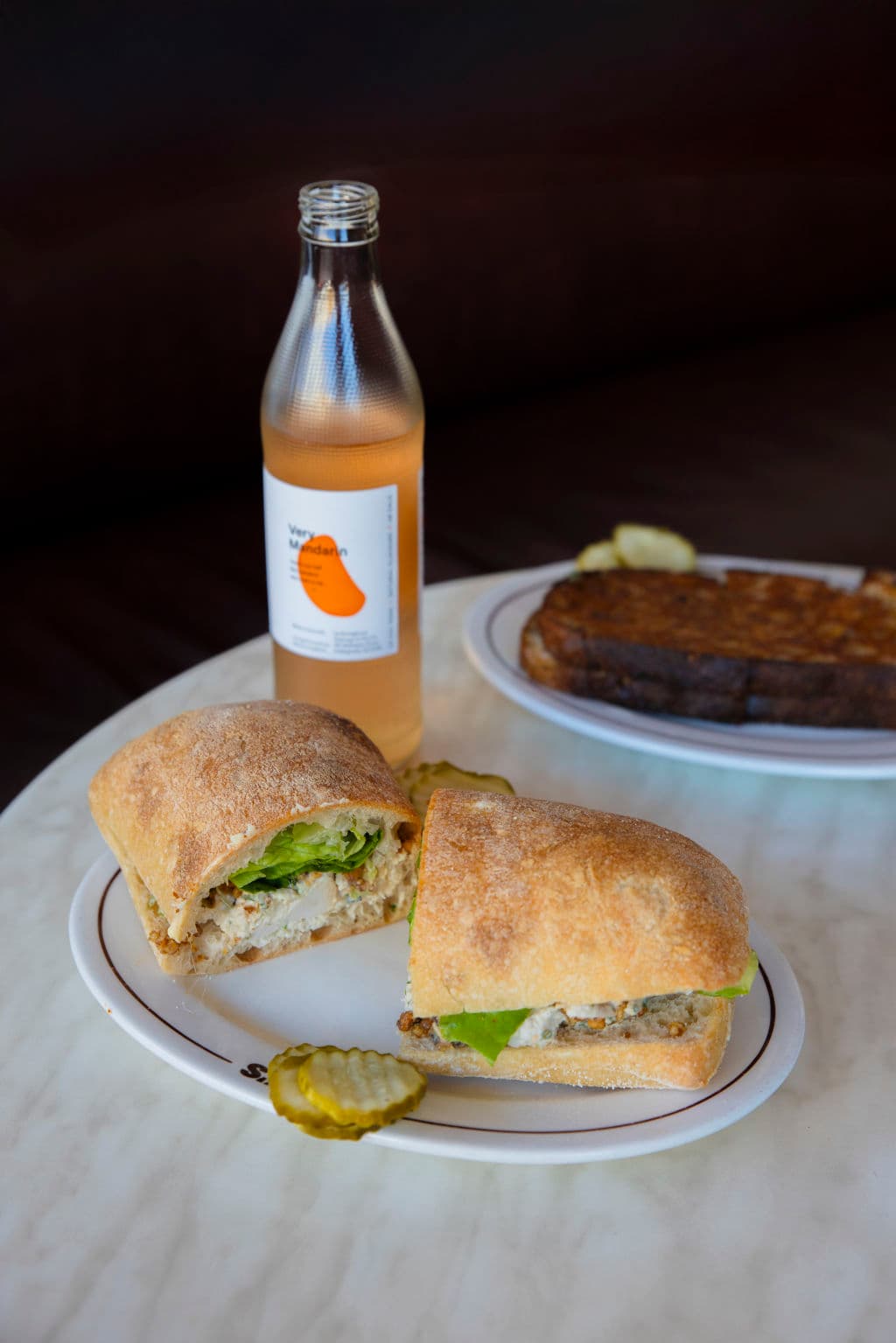
“We call it controlled indulgence; you can still spend $7 on a sourdough loaf or $12 on a deli sandwich and it’s seen as affordable luxury rather than going out for a full meal,” he says.
“I think what’s happened is we’ve seen high-end restaurants really feel the pinch, but the evolution of this deli-providore-type opportunity is where the new market is moving.”
Retail is performing strongly, with total returns reaching 9.9 per cent nationally and capital growth at 3.8 per cent, according to the March commercial property data from the Property Council of Australia and financial research firm Morgan Stanley Capital International.
Sub-category analysis reveals growth across sub-regional centres (12.4 per cent), regional centres (12.3 per cent), neighbourhood centres (9.4 per cent) and super and major regional centres (9.2 per cent).
The prevalence of gourmet “foodie” stores means the weekly supermarket shop is fast becoming a relic, says Vanessa Rader, head of research at Ray White.
“High-quality specialty food operators are proving to be powerful footfall drivers in their own right, with shoppers travelling specifically for the providore or the artisan baker and purchasing essentials at the anchor while they are there,” she says.
“Landlords are responding by vetting prospective specialty tenants not just on financial capacity but on retail mindset and genuine community orientation, recognising that poor customer service is the primary driver of specialty failure.
“Non-retail uses are also gaining ground, with dedicated community space for after-school programs, fitness and social services helping maintain foot traffic through traditionally quiet afternoon periods.”
Rader puts the strength of specialty stores, particularly in suburban shopping hubs, down to the number of people working from home and searching for quality food at their local shops. While future economic pressures will tighten household budgets, Rader says smaller shopping precincts will continue to attract shoppers.
“Looking ahead, upward pressure on interest rates combined with persistently high fuel costs is likely to weigh on discretionary consumer spending,” she says.
“That environment tends to concentrate activity closer to home, and history supports the view that needs-based, locally anchored retail outperforms during periods of household financial stress.”