Commercial market braced for future interest rate hikes
Confidence in Australia’s commercial market was slipping even before the breakout of war in the Middle East and yesterday’s interest rake hike.
New data from the NAB shows market sentiment was steady in the first quarter of the year, but confidence in the next 12 months to two years has eased.
The Q1 2026 NAB Commercial Property Index, which polled the attitudes and expectations of more than 240 real estate agents and managers, property developers, asset and fund managers, and owners and investors, was taken before the US and Iran conflict that sparked a global fuel crisis and in advance of the Reserve Bank’s third annual rate increase announcement yesterday.
The results from the index showed property experts were already bracing for tough conditions.
“Our latest NAB Economics Commercial Real Estate report showed confidence had already eased in the March quarter as customers anticipated an increase in the cash rate,” said NAB commercial real estate director Mel Cannon.
“Since yesterday’s RBA decision, we’re hearing a consistent message from commercial property customers: conditions are more challenging, but plans are already being adjusted.
“Many had built higher borrowing costs into their decisions well ahead of this move, so while sentiment may remain cautious in the near term, it isn’t coming as a surprise.
“What stands out is the level of preparation and resilience across the market, with customers adapting early rather than reacting late.”
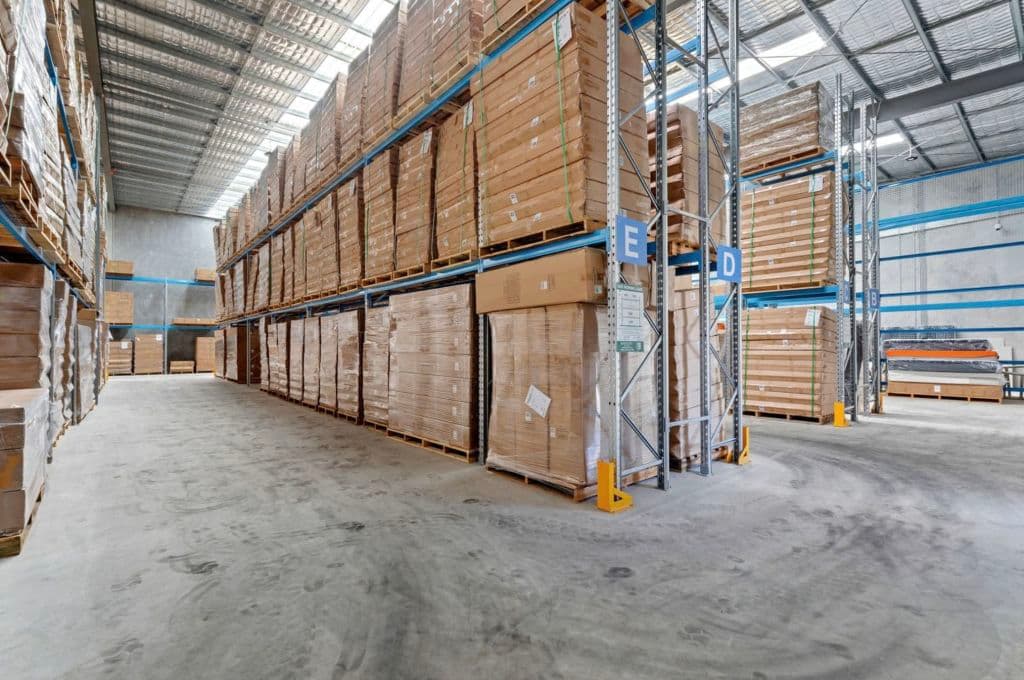
NAB’s March 2026 index found that experts had the highest sentiment in the industrial sector, mainly due to a buoyant outlook for rents. Respondents expected rents to grow by 2.9 per cent in the next year and 3.3 per cent over the next two years. Hopes were highest in Queensland, where rents are tipped to increase by 5.3 per cent, followed by 5.4 per cent in Western Australia.
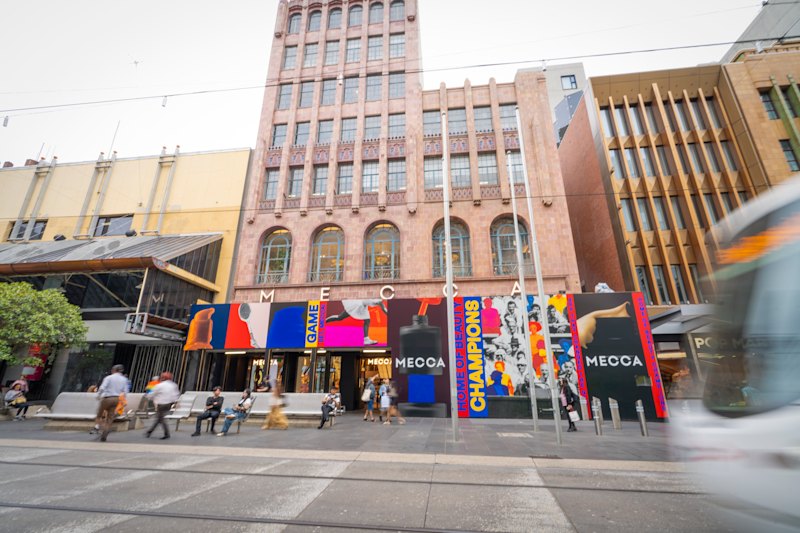
CBD hotel property ranked second in terms of market sentiment, followed by office and retail.
Survey participants pointed to a tightening in the national office vacancy rate – 11.1 per cent in March compared to 11.7 per cent in December last year. But the majority believed conditions would improve, with expectations that the national office vacancy rate would drop to 10.5 per cent in the next 12 months and 9.4 per cent in the next two years.
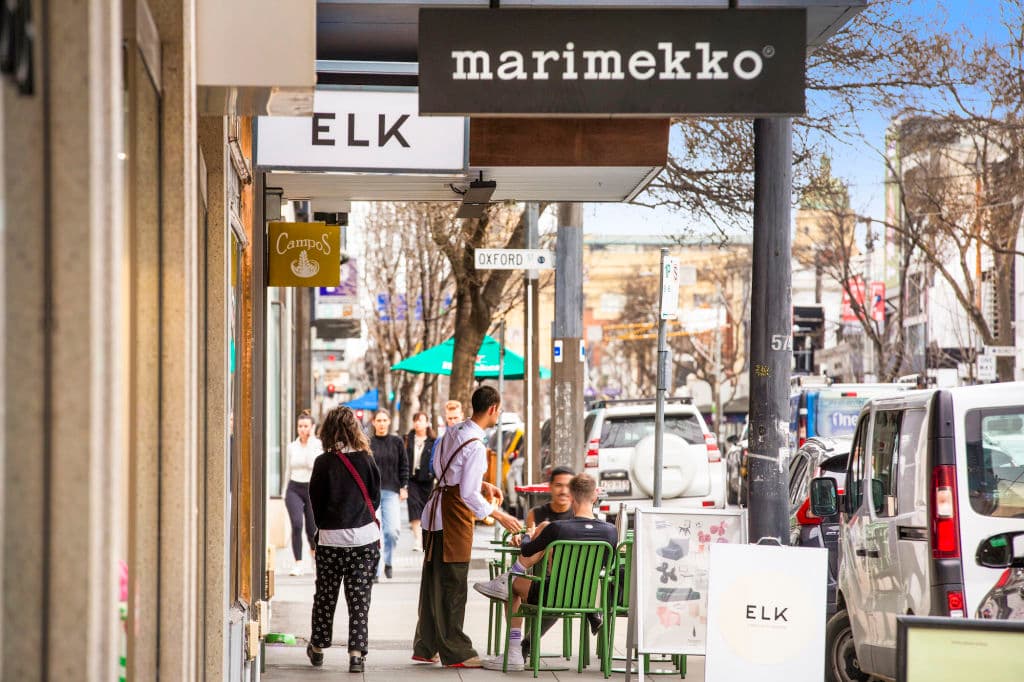
In the world of retail property, professionals reported slightly looser vacancy rates – 6.2 per cent compared to 6.1 per cent in December last year. But vacancies were expected to decline incrementally to 6 per cent over the next two years.
The index revealed property developers were switching plans as they juggled already-high construction costs and rising interest rates at home and the Middle East energy crisis overseas.
More developers are targeting residential projects – 61 per cent, compared to 49 per cent in Q4, while 24 per cent are looking to develop industrial property, up from 20 per cent in December. Only 4 per cent this quarter indicated they were planning to start office projects, the same figure as last December.
Plans for retail development dropped from 8 per cent last year to 4 per cent this year. The majority of developers – 74 per cent – also reported plans to use land-banked stock, while 34 per cent said they would target new acquisitions and 20 per cent intended to refurbish existing stock.
Overall, the index findings showed the property industry was factoring in a year of tough inflation management and ensuing interest rate rises.
“We expect to see investors place greater emphasis on fundamentals – cash flow, tenant quality and the long‑term purpose of assets – rather than chasing growth at any price,” Cannon said.
“Higher rates are sharpening decision‑making, but they’re not stopping activity.”