How dessert chains are reshaping Australia’s retail strips
Self-serve frozen yoghurt venues have become the new social hotspots for Gen Z, reviving night-time foot traffic in popular lifestyle precincts and changing the demand for the retail leasing landscape.
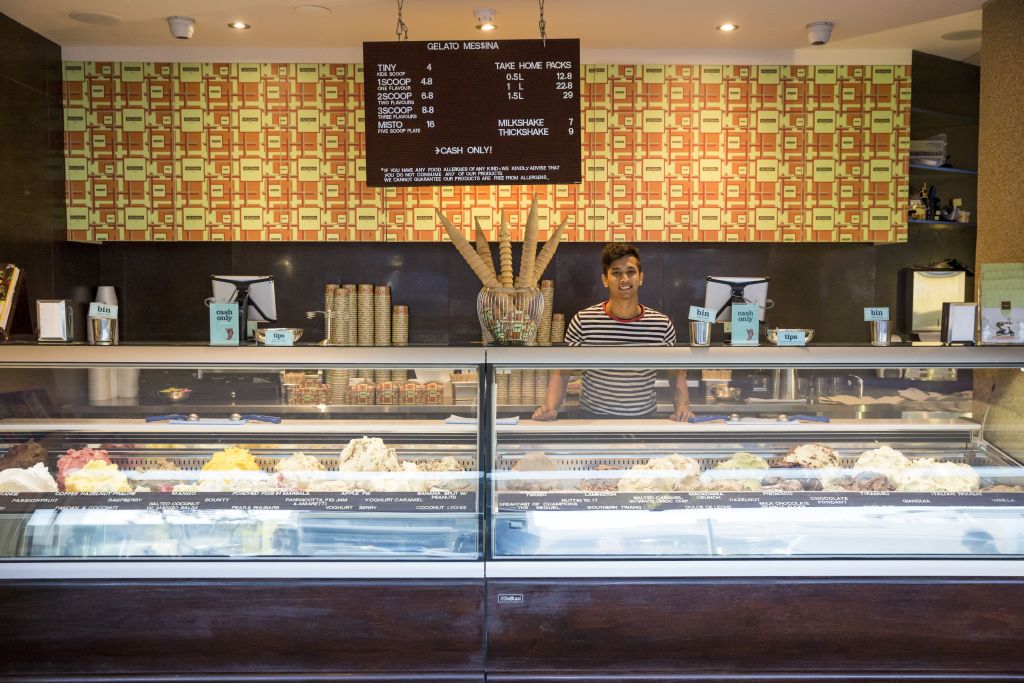
However, the rise of these premium dessert chains began before Yo-Chi even opened its doors, as Gelato Messina spent the best part of a decade building a cult following and paving the way to prove that dessert was a destination in its own right.
The ‘it’ factor
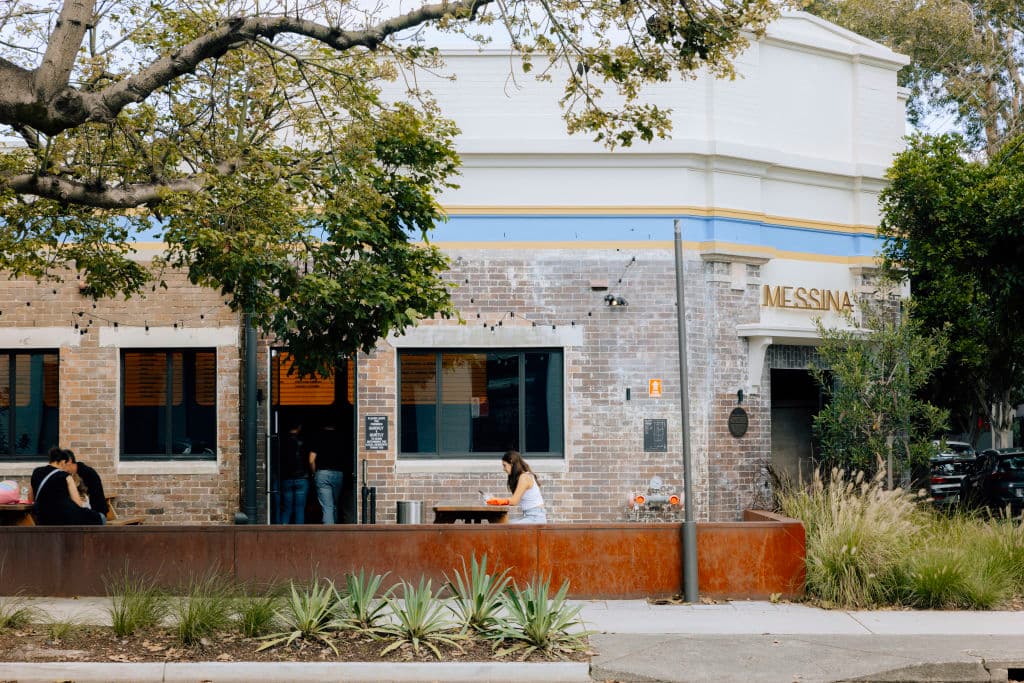
From its original Darlinghurst store in Sydney, which opened in 2002, the premium gelato brand developed a loyal following around late-night trading, theatrical flavours and an obsession with ingredient origins.
As the business expanded nationally, opening in high-profile hospitality precincts across Brisbane, Melbourne, Adelaide and Perth, a Messina store has become a symbolic pointer to the next “it” precinct.
In Brisbane, Gelato Messina set up shop in the fashion-forward Fortitude Valley near the Calile Hotel, one of the country’s most Instagrammed hospitality precincts. Its recent arrival at the new 88 O’Connell development in North Adelaide is just another example of how premium dessert brands are being positioned as part of broader mixed-use lifestyle destinations.
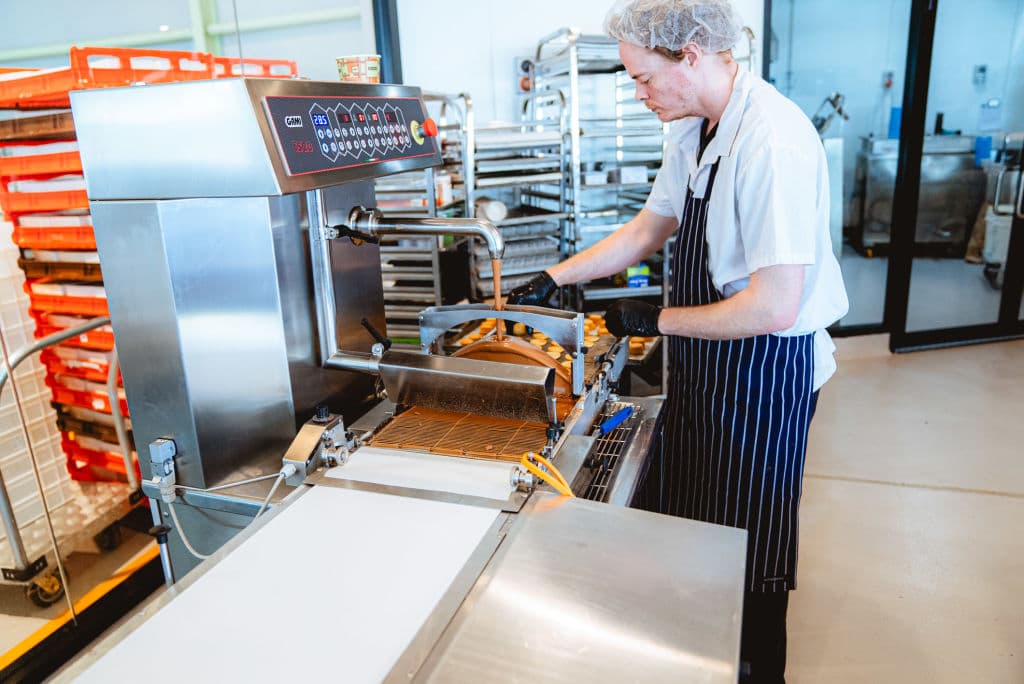
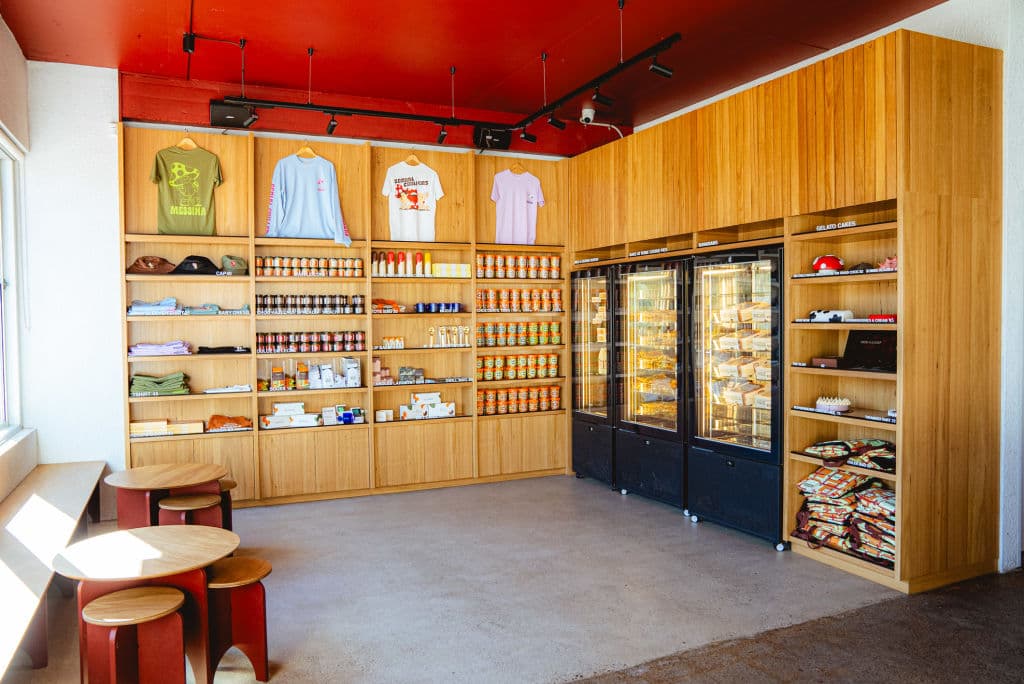
Messina now operates more than 30 shops across Australia, Hong Kong and Singapore, strategically targeting densely activated hospitality precincts with strong pedestrian traffic and nightlife appeal.
Late-night value
The rise and rise of Gelato Messina was perhaps the beginning of a broader shift occurring across Australia’s commercial retail landscape, where landlords and developers are increasingly prioritising experiential operators capable of driving consistent foot traffic well into the evening.
What was once considered a niche category has evolved into a growing retail force, particularly in high-street precincts such as Crown Street in Sydney’s Surry Hills, Melbourne’s Chapel Street and Brisbane’s James Street, where food, beverage and lifestyle experiences are increasingly shaping not only leasing demand, but the way cities invest in and revitalise their high streets.
“High streets are the beating heart of our residential neighbourhoods,” says Sydney Lord Mayor Clover Moore. “Particularly in densely populated urban areas, where people live in smaller apartments and get around on foot, these commercial spines are almost like another living room for our communities.”
The arrival of frozen yoghurt giant Yo-Chi further accelerated the trend, tapping into a younger, more health-conscious consumer base while helping to push dessert-led venues deeper into the mainstream retail conversation.
Moore says that as hospitality and lifestyle operators increasingly draw people back to high streets at night, public-realm upgrades become even more important in supporting foot traffic and local trade.
“We’ve recently completed the upgrade of Crown Street between Oxford and Devonshire streets, and you can see how work to make our high streets wider and greener … ultimately increases footfall and passing trade for local businesses,” Moore says.
The council has also invested heavily in outdoor dining and pedestrian activation, as hospitality venues increasingly serve as anchors within lifestyle precincts.
“Following requests from local business owners, we worked with them to install road space dining so they could expand their offering,” Moore says.
Youthful endeavours
Yo-Chi has rapidly expanded across Australia in recent years, reportedly operating around 30 stores nationally by mid-2024 before growing to more than 40 locations by early 2025, with ambitions to continue pushing into new markets.
Unlike traditional retail tenants, dessert and frozen yoghurt operators often trade long into the evening, attracting younger consumers seeking social, experience-led outings rather than purely transactional shopping experiences.
The category’s visual nature has also made it especially powerful in the social media era.
Self-serve toppings bars, brightly designed interiors and highly customisable products have helped brands like Yo-Chi generate online engagement and increase their appeal within competitive retail strips.
For landlords, these businesses contribute to footfall outside standard retail trading hours, generate repeat visits and shape the broader identity of lifestyle-driven retail environments.
Moore says successful hospitality operators often have a flow-on effect for surrounding retailers and venues within a precinct.
“A rising tide raises all boats, and there’s nothing quite like a few successful businesses clustered together to breathe life into a precinct,” Moore says.
“Whether you’re into yoghurt or not, it’s clear that some of these shops act as a drawcard, which is great for other retailers and hospitality businesses in the area.”
A worldwide wonder
The broader global ice cream and frozen dessert market is continuing to grow.
Research from Mordor Intelligence forecasts continued expansion in the category, driven by premiumisation, indulgence spending and demand for experience-led food concepts.
In Australia, those trends are increasingly intersecting with commercial property strategies as retail precincts compete to attract destination-style operators.
As younger consumers continue to prioritise hospitality, experience and social connection in retail environments, dessert-led operators are likely to remain an influential part of Australia’s evolving commercial property landscape.