Wellness and gourmet food in the right mix for retail
Wellness and gourmet food are becoming increasingly prominent features of Australia’s most successful shopping centres.
Retailers are catering to the luxury end of the market through gyms, nail and hair salons, upscale bakeries and decadent dessert offerings.
It’s proving to be a winning combination for shopping centre landlords, said Vanessa Rader, head of research at Ray White.
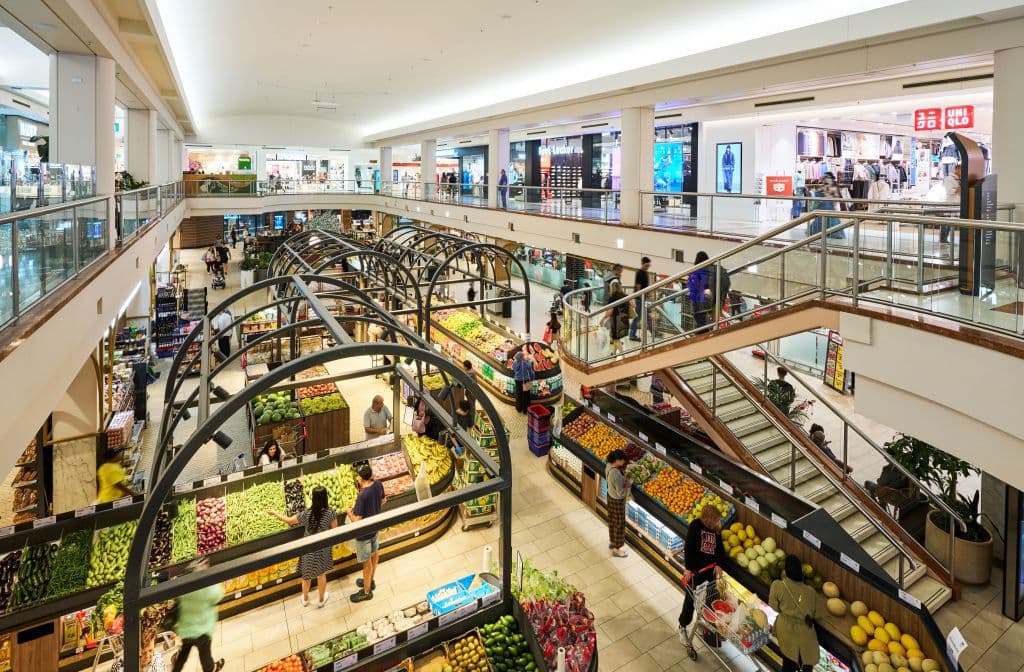
“It used to just be a greengrocer, like your fruit and veg, a butcher and maybe a bread shop, whereas now it’s a little bit more creative,” Rader said.
“It’s now a higher quality of food retailer – maybe a cheese shop or a chocolate shop or a special ice-cream store.”
Fitness and health providers are emerging as important tenants in any retail setting, with wellness a burgeoning sector across Australia.
Australia’s wellness economy rose to $141 billion this year and now accounts for 7.8 per cent of GDP, according to the Global Wellness Institute.
Gyms, yoga and Pilates studios are essential tenants at today’s shopping centres because they attract regular patrons who may visit multiple times weekly and even more than once a day, said Rader.
“With the movement of people being more health conscious, gyms are no longer just kind of stuck in the back corner,” she said.
“The associated recovery facilities – float tanks, infrared saunas – have also popped up across retail as well.
“And the good thing about these wellness places is that people come to them multiple times a day. So, they might go to the gym and then go to recovery. It can create a bit more vibrancy in centres or on a strip because they’re activated.”
Dwell time – the amount of time a shopper spends at a centre or strip – is serious business in the retail game, and to this end, tenancy curation is key.
The first win is pulling in shoppers, and the second is keeping them shopping, said James Lockwood, Fitzroy’s agency division director.
“You’ve just got to try to curate that mix to attract as many types of different people and give them options,” Lockwood said.
“You might think of it as a honey trap. The shoppers come for your anchor tenant, whether it’s a Woolies or maybe a Coles or an Aldi, and then you want them to go around to all the other shops.
“So, you want to suck them in and keep them there to buy more goods and spend more money.”
Population growth – up 1.8 per cent in capital cities, according to the latest Australian Bureau of Statistics data – has rewarded the retail sector. More shopping centres are now located close to new housing estates in outer-suburban or regional areas and within new apartment developments in metro locations.
Apartment development in urban areas is also closely linked to upgrades to rail lines and train stations, as well as fast-tracked planning approvals in both Sydney and Melbourne.
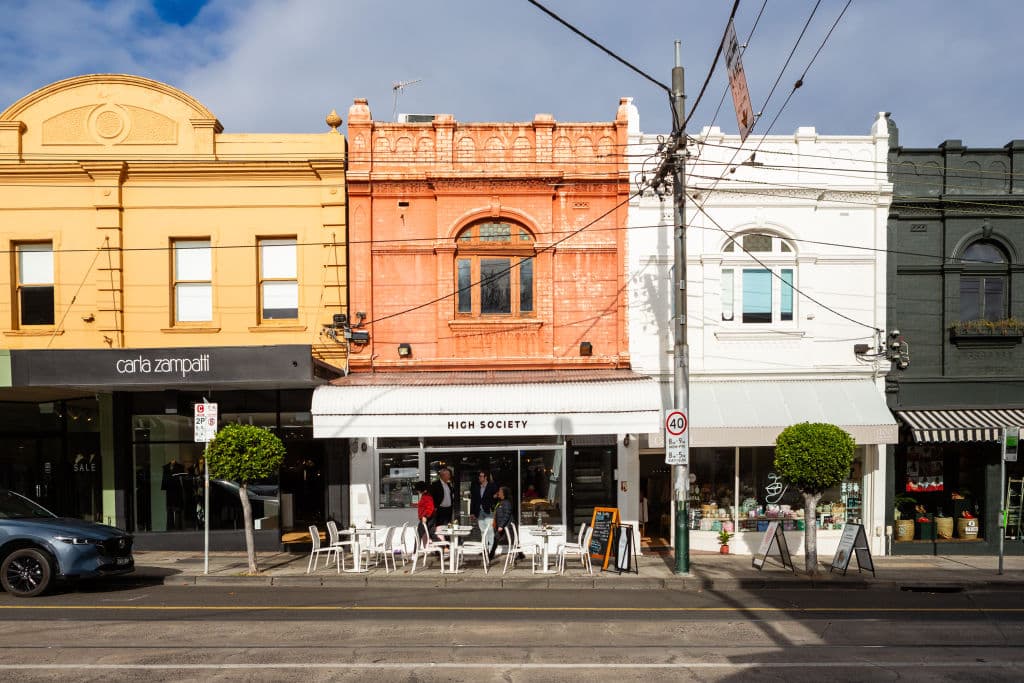
“There’s more people living above your local strip,” Lockwood said.
“There are more apartment buildings on High Street, Armadale, Bridge Road in Richmond, all through Moonee Ponds and on Hampton Street (in Melbourne).”
Despite the long-running cost-of-living crisis and consecutive interest rate rises this year, Lockwood said the average shopper is still prepared to fork out for luxury.
“It’s the feel-good factor,” he said.
“People still like to have their hair and nails done. They may have tightened the belt a bit, but there’s still that psychological element behind it where people like to spend money and feel good.”
Neighbourhood shopping centres are posting big wins in the retail sector, with the latest CBRE research showing they made investment returns of 9.4 per cent per year across the past 10 years. However, these are predicted to slow over the next three years thanks to increasing supply and rising vacancy rates.
Neighbourhood developments are projected to account for approximately 69 per cent of the shopping-centre pipeline through to 2028, according to CBRE’s Australian Shopping Centres Outlook 2026 report.
Experts point to the ongoing impacts of COVID, with many people continuing to work from home and spending more time at their local shops.