Australia captures 61 per cent of APAC student housing deals
Australia is fast becoming a student housing hotspot for global investors who are being forced to look beyond traditional markets in the UK, the US and Canada.
All three nations have enforced policies that are driving international students away and diverting their enrolments to new countries. Britain is enforcing stricter study visa conditions as part of wider immigration rules, Canada is capping international student numbers, and the US is considering a four-year limit on student visas.
Researchers say Australia’s student housing market has reaped the rewards by accounting for 61 per cent of the Australia Pacific (APAC) region’s total student housing transaction volume in the first half of this year.
“Australia from an APAC perspective is really the most established market for student accommodation,” says Jack Bergin, JLL’s head of living, capital markets.
“So when we’re seeing new capital flows coming into the space, often when they’re looking at their investment criteria and looking where to next for a new investment, Australia becomes a really logical choice.”
Severe supply-demand imbalance
JLL data points to a massive gap between supply and demand, with student visa arrivals 30 per cent above pre-pandemic levels, but purpose-built housing supply below 10 per cent. This, along with Australia’s globally recognised universities and stable international student policies, has seen an influx of global capital into the student housing market.
Eight Australian universities made it into the top 100 of the QS World University Rankings for the 2026/27 academic year, led by the University of New South Wales at 19th. In addition, two Australian cities were listed in the 2027 QS Best Student Cities: Melbourne at third position and Sydney at joint fifth place with Munich.
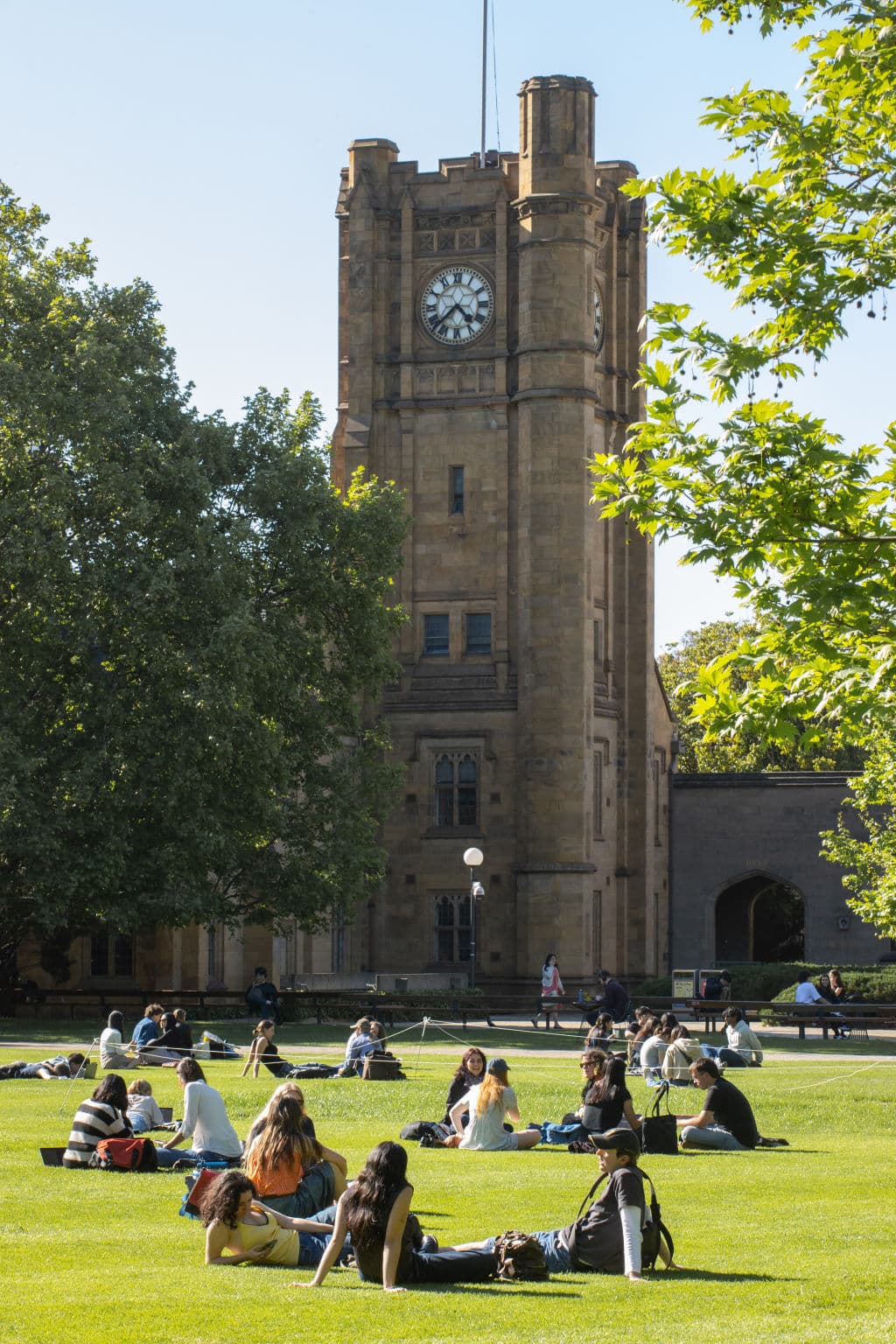
Student housing “has always been probably a bright spot within the sector – the strength of our universities and the fact that we tend to punch above our weight in terms of the number of universities that we’ve got within the top 100 globally”, Bergins says.
Global institutional investors enter the market
In 2025, institutional investors accounted for two-thirds of capital deployed in the APAC region, JLL research shows.
In the past 18 months, several major global investors, including US firm Greystar, Singapore’s Mapletree, and the UK’s M&G, have made their first Australian acquisitions in the purpose-built student accommodation (PBSA) sector.
Greystar acquired a $1.6-billion portfolio from Singapore sovereign wealth fund GIC in 2024 and has since moved assets across seven sites to its Accolade brand.
Mapletree launched a 32-storey, 835-bed student housing development at 609 Wellington Street, Perth, reportedly worth aoput $300 million, while M&G acquired the Park Avenue student housing asset in Parkville, Melbourne, for $97 million.
Adaptive reuse solves bottlenecks
While sky-high construction costs mean the supply pipeline remains restrictive for the student housing market, Bergins says repurposed buildings could prove a useful workaround.
“Student accommodation’s probably been a bit of a shining light when it comes to adaptive reuse,” he says.
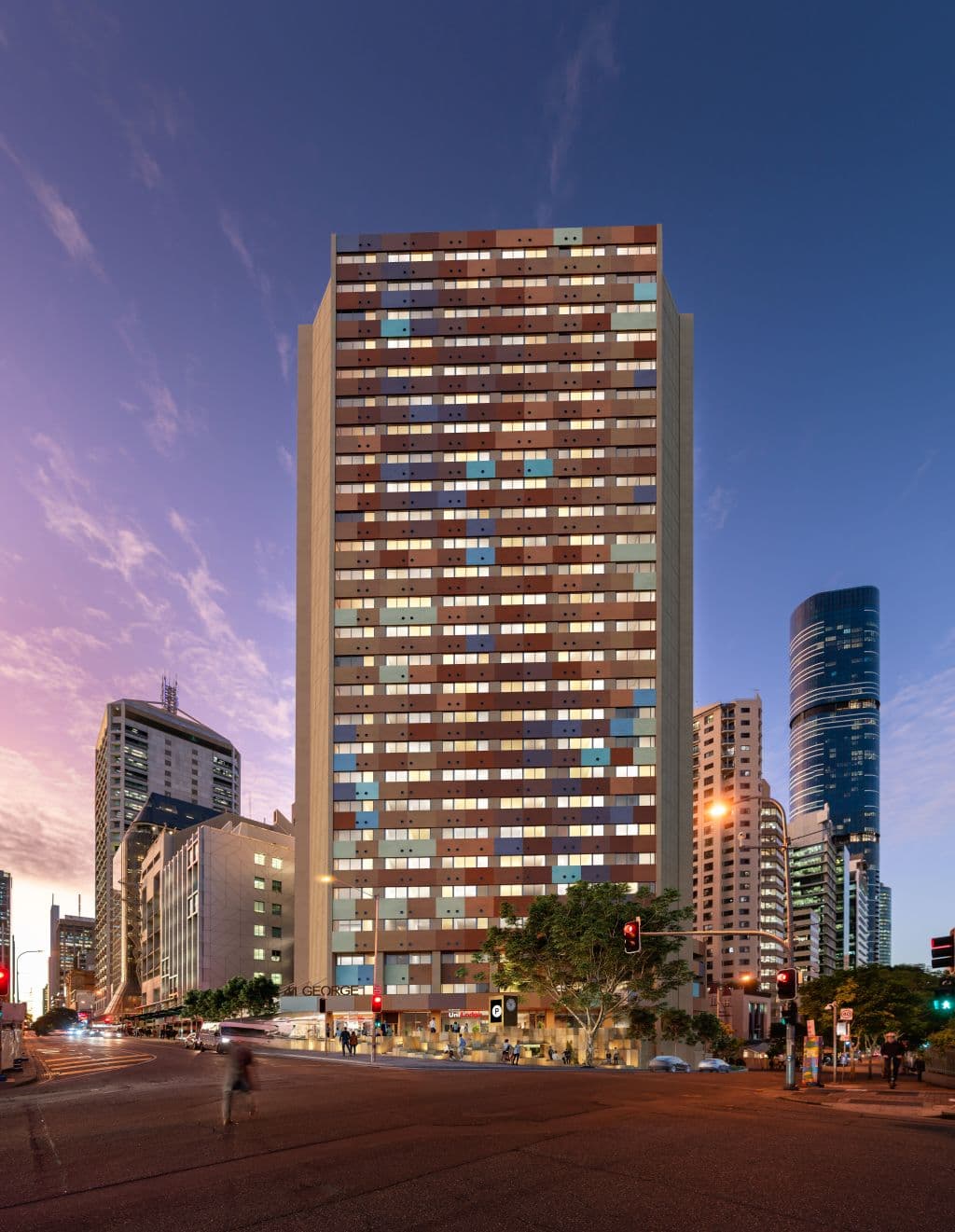
“Probably the main example is 41 George Street, which has been delivered by Marquette and Dexus in Brisbane. That’s a really good example of high-quality student accommodation from what was essentially a vacant building.
“That Brisbane market has been one that’s been particularly challenged by construction costs, given everything that’s going on with the Olympics and preparations there.
“So construction viability and construction costs in Brisbane, I’d say, are quite an acute issue for them, but that’s a really smart and savvy way that they’ve been able to deliver student housing stock into that market.”
Increasing global investment in student accommodation is a sign of maturity in the capital living sector, which also includes the build-to-rent and retirement living markets.
“Historically, how the living sectors have emerged, they’ve almost sat within that ‘alternatives’ section of the market,” Bergin explains.
“I think as part of that, we’ll see a greater pool of capital and therefore more development and more investments.”