Australian luxury hotel deals reach $2 billion as demand surges
Australia’s highly competitive and super-lucrative luxury hotel market is in five-star health, with $2 billion in transactions between 2023 and 2025.
A growing demand for opulent accommodation by wealthy travellers saw luxury hotels account for 26 per cent of Australia’s hotel deals last year, JLL research has found.
It marks a huge upswing from the pandemic years, when the hotel industry suffered, and even from pre-COVID times – luxury hotels accounted for only 6 per cent of all transactions in 2019.
Once a small corner of Australia’s accommodation market, luxury hotels are now a highly sought-after investment segment, says Peter Harper, JLL Hotels and Hospitality Group managing director, head of investments sales Australasia.
“It’s prize real estate,” he says. “On a Monopoly board, we’re talking about Mayfair here, and you don’t sell Mayfair.”
Demand for legacy assets
The business already owns two other hotels in Australia – the JW Marriott Gold Coast and AC by Marriott Gold Coast – as well as hotels across Thailand, the Maldives and Cambodia.
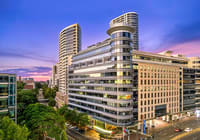
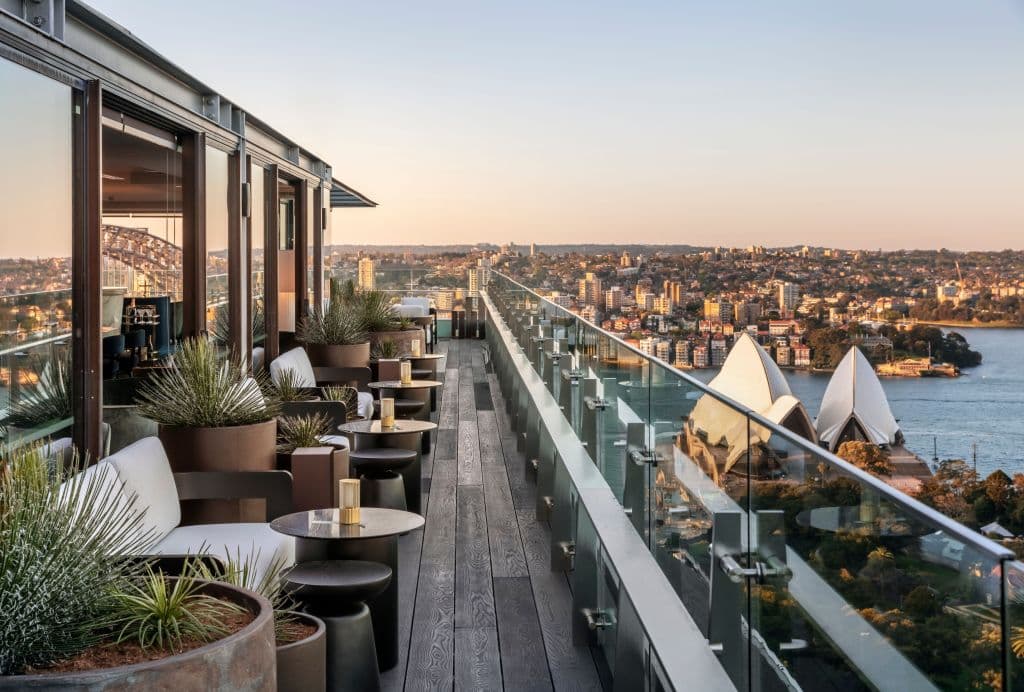
It plans to make a multimillion-dollar upgrade to the Park Hyatt, which opened in 1999 and has 245 rooms.
Legacy hotels like these are now in high demand among investors seeking the trifecta of freehold titles, prime CBD locations and quality design, Harper says.
“A lot of existing luxury hotels have really attractive built-form characteristics, and this is going back to product that was built in Australia, for instance, in the ’80s and ’90s,” he says.
“They’re assets that are in really good locations, they’re on freehold title, and they offer proportions in terms of size of front of house areas, size of guest rooms, size of ballrooms, and so on that, frankly, make it incredibly difficult to repeat in today’s environment given the current cost of construction.
“In layman’s terms, they have exceptional bones.”
Next-era luxury offerings
However, new entrants are making big inroads into Australia’s market, including global luxury brands.
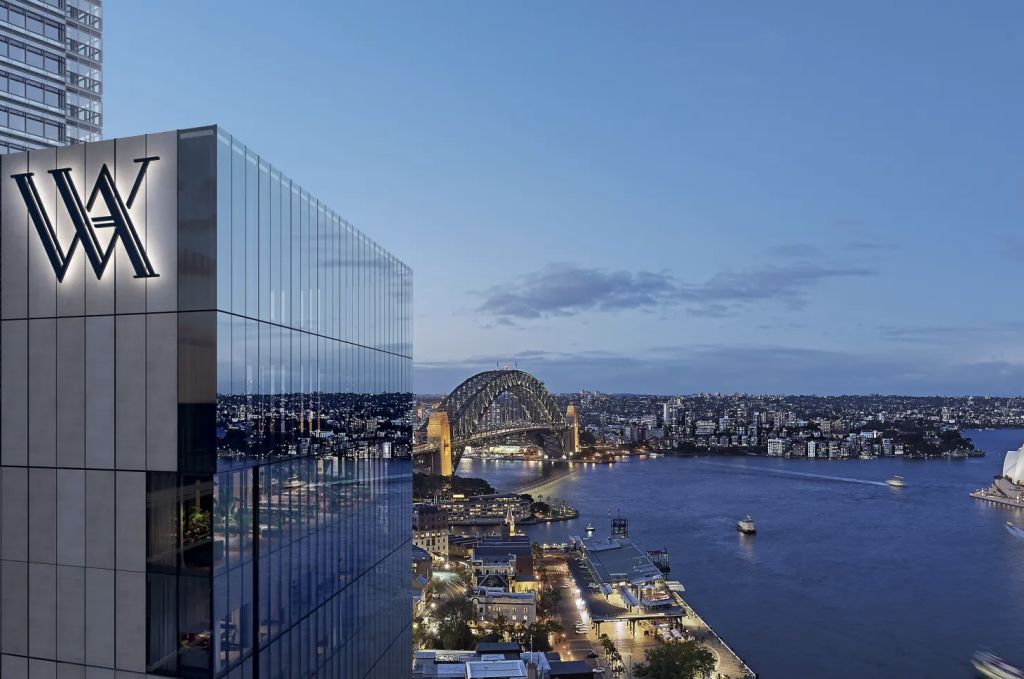
The Waldorf Astoria at Sydney’s Circular Quay, which was bought for $520 million in 2023 by billionaire Andrew Forrest, is set to open in early 2027.
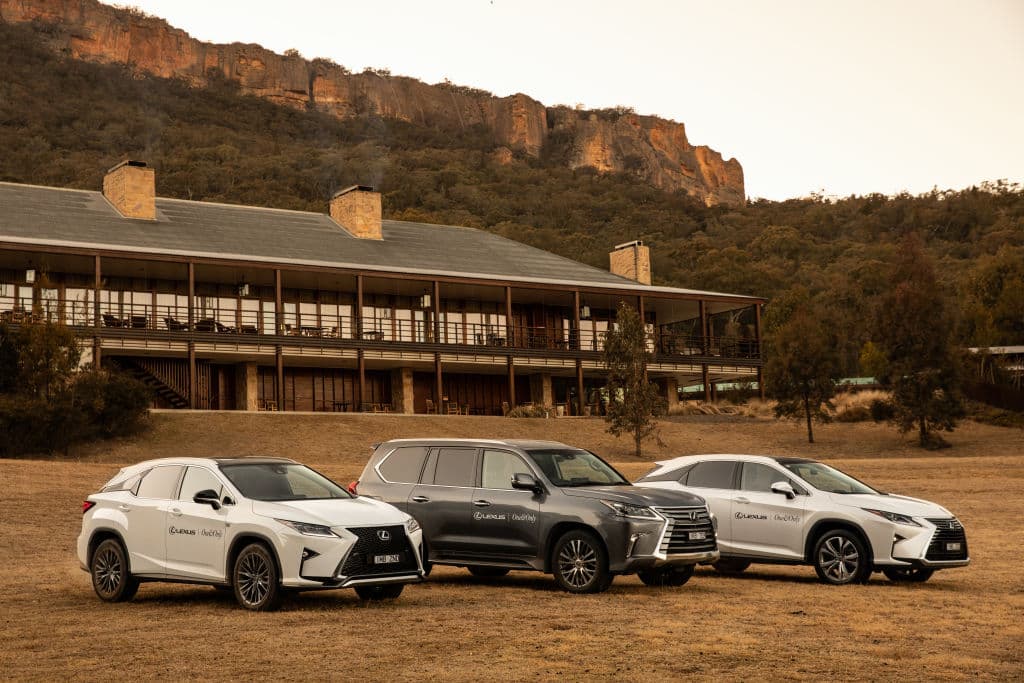
Emirates Wolgan Valley, a Ritz-Carlton Lodge owned by Emirates, is expected to open this year in the NSW Blue Mountains.
The openings promise to usher in a new chapter of luxury for the hotel market with brands offering next-level wellness amenities and curated, experience-led stays. Authentic destination experiences – like the remote beauty of the Blue Mountains, where the Ritz-Carlton can only be accessed by four-wheel drive or via helicopter – are now a drawcard for affluent travellers.
Economic challenges bypass luxury market
Australia’s luxury hotel market is attracting a range of investors, including offshore family groups, high-net-worth people and private companies. JLL’s data found private equity accounted for 43 per cent of all luxury hotel transactions between 2023 and 2025, followed by high-net-worth individuals at 21 per cent and developers at 14 per cent.
A large part of the market’s appeal lies in its ability to weather tough economic conditions.
Since 2023, luxury hotels in Sydney and Melbourne have outperformed all other hotel markets on both occupancy and average daily rate. Despite rising interest rates and increasing costs of food, fuel and utilities in the two years to 2025, the average daily rate of a room in a luxury hotel in both cities was 1.5 times higher than overall market averages, JLL data found.
It underlines the enduring pricing power of high-end hotels, Harper says.
“Often with a luxury product, it’s somewhat immune to economic challenges and cost-of-living pressures and so on because the wealthy will always be wealthy and will always want a particular style of product,” he says.