Is Brisbane at risk of a post-Olympic bust or is it the start of its transformation?
The Olympic Curse has long haunted host cities, leaving behind a trail of “white elephant” assets and crippling debt that can linger for decades. But six years out from the 2032 Games in Brisbane, new research has revealed the Australian host city is unlikely to suffer a post-Olympics downturn and instead benefit from a legacy of long-term market growth.
CBRE’s Brisbane 2032: Separating the Real Estate Myths from Realities report analysed the experience of host cities since 1996 and current activity across Brisbane’s commercial and residential markets. It concluded the city’s strong population growth, chronic housing undersupply and sustained infrastructure would ensure it avoided an economic hangover.
“Brisbane’s property markets are being shaped by forces far larger than the Olympic Games alone,” explained Tom Broderick, CBRE’s head of office and capital markets research.
“The Olympics will amplify trends that are already in play, particularly strong demand, limited supply and rising global visability, rather than create a temporary spike that fades once the Games are over.”
Queensland’s population grew by close to 10 per cent in the five years following the start of the pandemic. Today, it is the third-fastest growing state in Australia and has increased its share of the national population to over 20 per cent.
“Population growth creates underlying demand for commercial property, whether it’s office, retail or industrial, and residential and Brisbane has outperformed across a number of sectors since COVID,” said Broderick.
“Brisbane is different to say Rio (the Olympics host city in 2016) where they built a lot of stadiums and infrastructure that turned out to be white elephants,” explained Broderick.
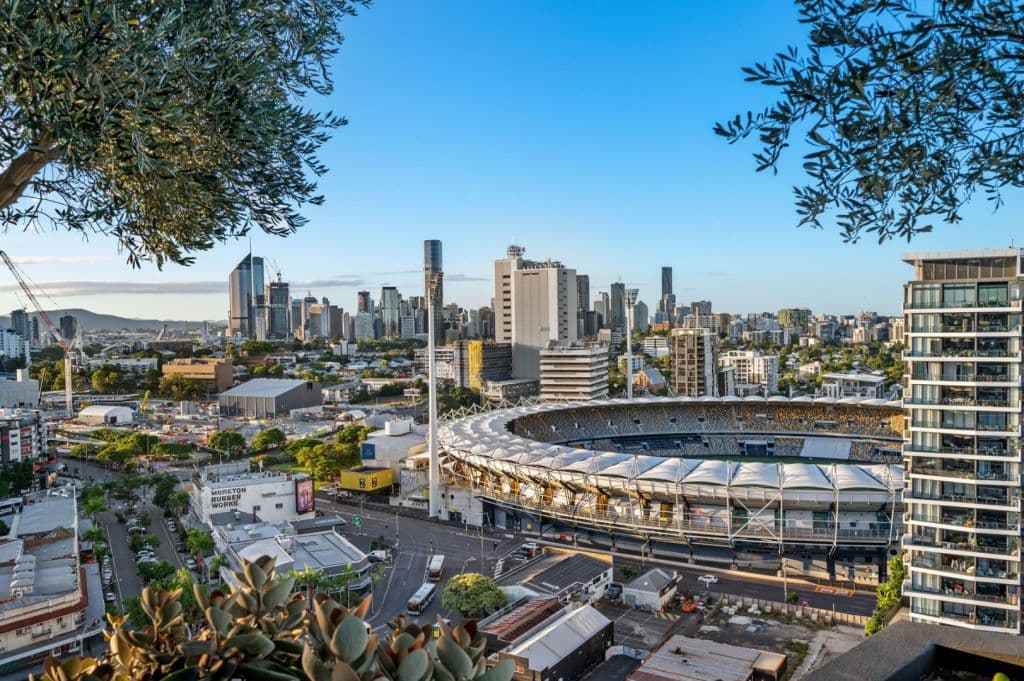
“A lot of the infrastructure that is being built in Brisbane is the kind of infrastructure that we have needed and has just been brought forward,” he said, citing the new 63,000-seat stadium replacing a 35,000-seat venue that is undersized for a city of its scale.
Broderick adds the first new urban stations to be built in decades, the 10.2 kilometre Cross River Rail and the Queensland Government’s Hospital Rescue Plan, which will fund three new hospitals and expand or upgrade 10 others, to the list of major infrastructure that has been sorely needed given the state’s population growth.
The transformation of the city – and the wider state – is reflected in the infrastructure spending. Olympic projects are expected to total around $11 billion between late 2026 and mid-2031, while total construction activity in Queensland could reach $25 billion per quarter by 2030, according to CBRE.
Broderick states that the Olympic Games have put Queensland clearly on the map for global investors.
Since the 2021 announcement that Brisbane had won the right to host the Olympic and Paralympic Games, there has been a surge of investor capital into the state. The CBRE analysis revealed Queensland captured 21.1 per cent of national investment volumes from 2021 to 2025, compared to 19.2 per cent in the decade prior.
The announcement triggered around 10,000 square metres of new office demand in Brisbane, according to CBRE, but given the Olympic Committee had taken more space in other host cities – 15,000 square metres in Downtown Los Angeles and just under 30,000 square metres in Paris – analysts predict demand will increase when the committee moves into Brisbane’s CBD in 2028.
Mid-sized host cities like Atlanta saw sustained office demand and significantly higher net absorption following the Games – a trend CBRE expects Brisbane to mirror. It noted Sydney’s post-2000 Games office market slump was tied to global factors such as the dot.com crash and September 11.
Broderick told Commercial Real Estate that research on Queensland’s hotel sector revealed something unexpected – while hotel revenue spiked during the Olympic year, host cities experienced a lift in occupied room nights only post the games.
“No new hotels will be built specifically for the Olympics, because at the end of the day it’s a four-week event, but the legacy impact of the games on the hotel sector did surprise us,” he said. “Room nights occupied picked up in the couple of years post-games, and I think you can attribute it to the fact that the whole world is watching the Olympics, so it builds the global profile of the host city.”
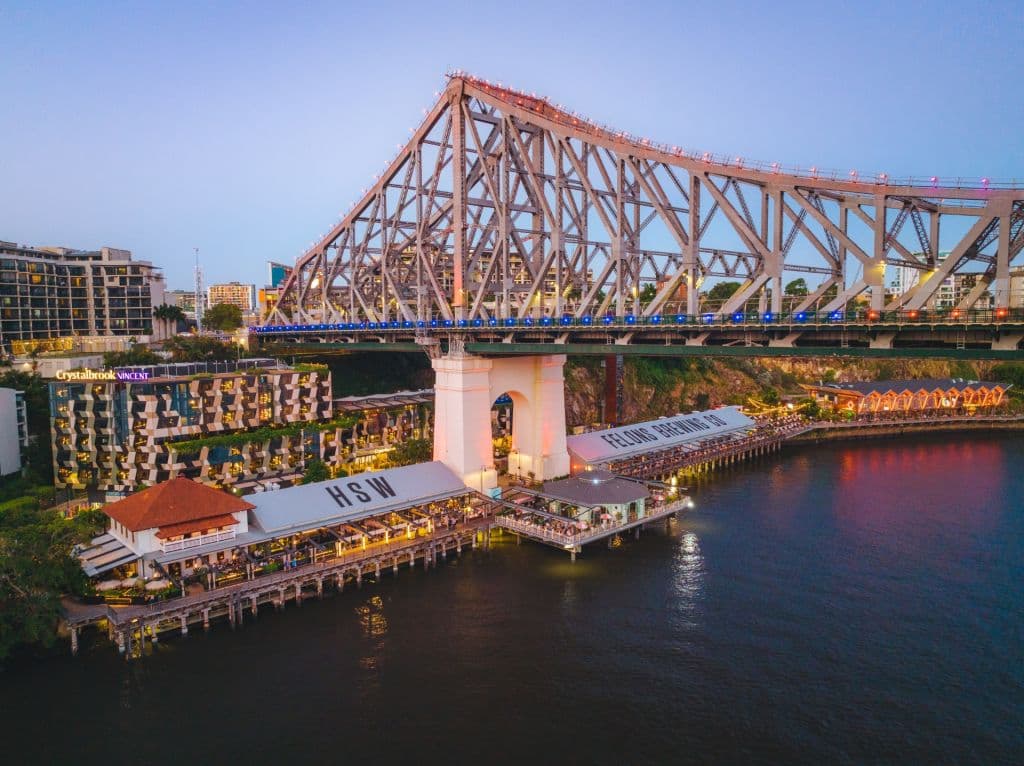
Residential investors in Brisbane and South East Queensland also stand to gain.
Brisbane’s housing market has outperformed national price growth since the city was confirmed as the 2032 Olympics host, and the outlook is equally bright if the evidence from previous host cities plays out locally. CBRE analysis of all host cities since 1996, excluding Tokyo, revealed that residential price growth in the four years after the Olympics outpaced that in the four years prior.
Brisbane’s residential market vacancy rate sits around 1 per cent, according to the CBRE report, and the company’s forecasts reveal “little prospect of any significant loosening of these conditions in the lead-up to the games”.
“Concerns around a post-Olympics housing slump aren’t supported by the data,” Broderick confirmed. “Brisbane’s existing supply constraint means it is well placed to absorb new stock delivered through projects like the Athletes Village.”
Around 2000 units will be built in the RNA Showgrounds precinct in Bowen Hills to house 10,000 athletes during the Games and 5000 athletes during the Paralympics, and likely transition into build-to-rent accommodation post the Games. The CBRE report notes that Brisbane currently has only 2400 operating institutional-grade units, and that increasing this to more than 10,000 by 2032 would provide more opportunities for institutional investment.