How food halls are evolving into all-day retail anchors
Food halls are going through a renaissance, with a spate of brand-new food-focused destinations opening their doors.
Instead of being functional and transactional amenities, these food hubs are now destinations in their own right, turning single meals into immersive, all-day experiences.
“They’ve moved on from just being places that people can grab and go to actually being destinations in themselves,” says David Swann, head of retail leasing at CBRE.
Curated dining destinations
In Sydney, David Jones just unveiled its revamped Elizabeth Street food hall with only a handful of premium operators, switching the focus from convenience to experience. And last year saw the opening of Hay St Market, which features a diverse line-up of not only eateries but experiences, events, live entertainment and specialty retail.
Established shopping centres are also reinventing their food precincts to reflect changing consumer preferences, such as the recently launched Market Pavilion at Chadstone Shopping Centre in Melbourne.
Regardless of format, each new development reflects a noticeable shift: the modern food hall is highly curated, highly authentic, design-led and a place worth seeking out.
Sam Shepherd, founder of property development consultancy Bellringer, says these factors distinguish modern food halls from standard shopping centre food courts.
“Food halls … are very much about a holistic experience,” he says. “It’s not just about the food, it’s also the music, the design, the artwork. They may have other interesting retailers like vinyl shops or bookstores.”
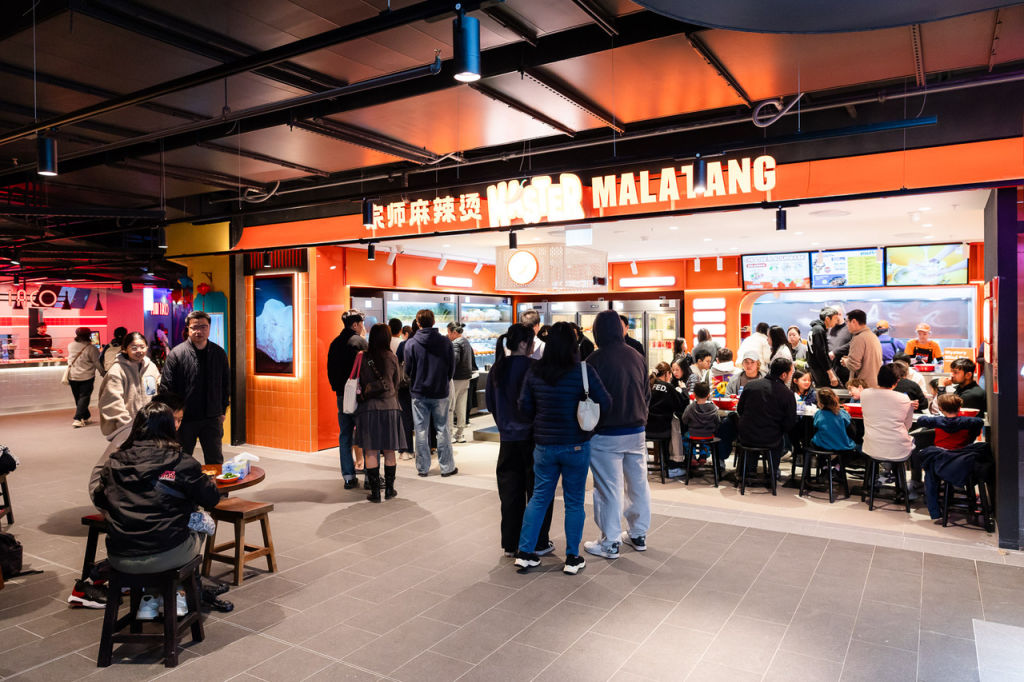
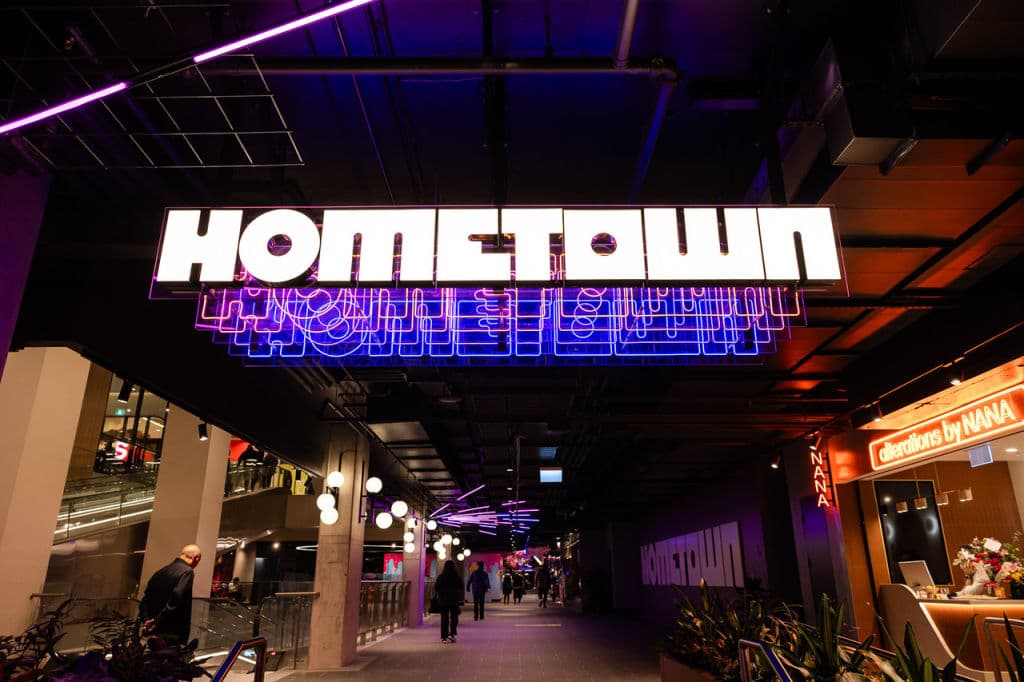
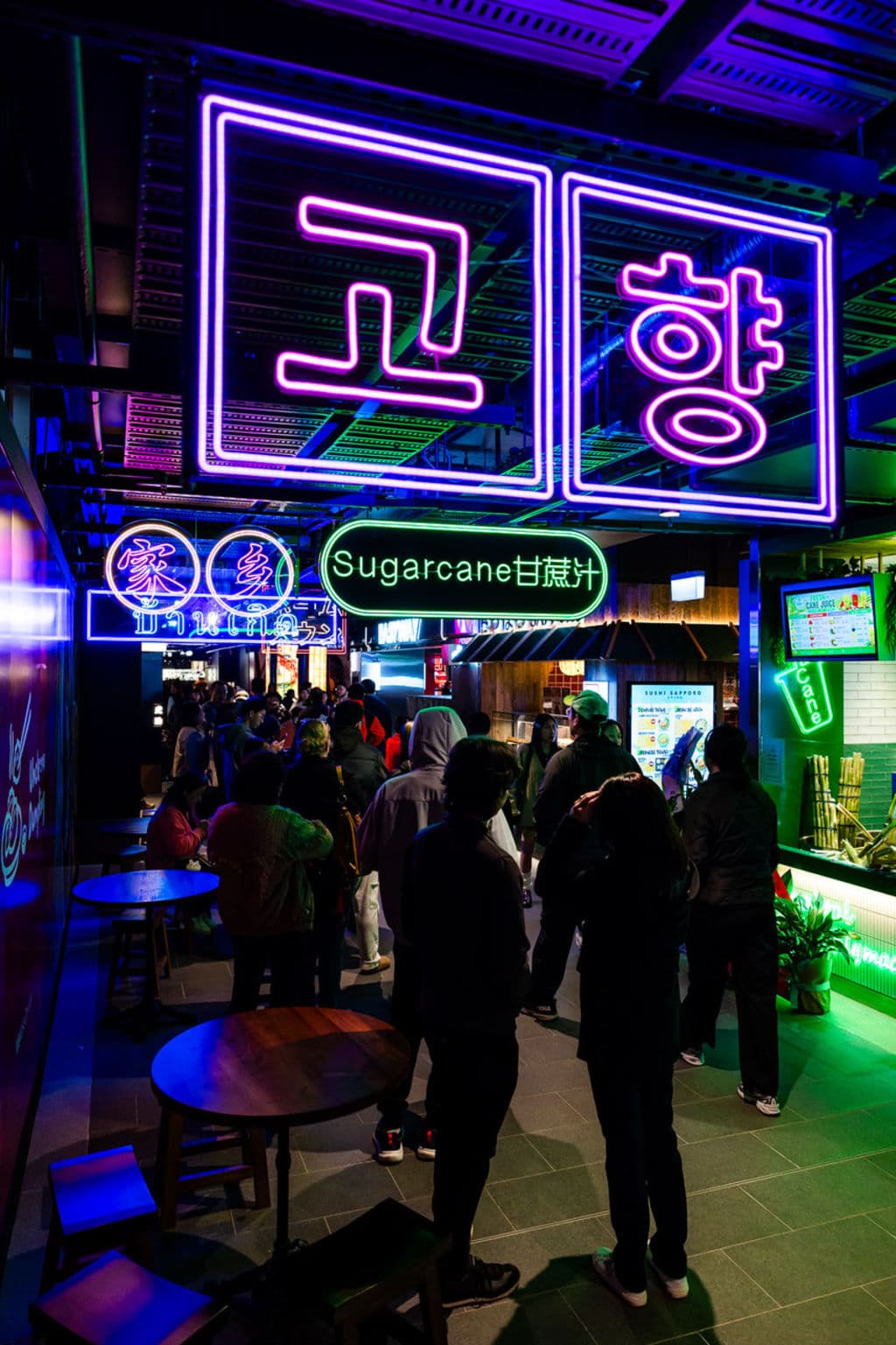
Hometown, set in Deicorp’s new Melrose Central mixed-use development in Northern Sydney, follows a similar philosophy. The brand-new dining and retail precinct features over 40 restaurants and eateries, events and art installations, with the design inspired by the eat streets and night markets of Tokyo, Seoul, Singapore and Hong Kong.
Deicorp head of retail Bilinda Turner says the inclusion of Hometown reflects the growing appetite for experience-led destinations.
“Food remains one of the strongest drivers of visitation to shopping centres and mixed-use precincts because it offers something that can’t be replicated online,” she says.
“The expectation today is no longer simply about having somewhere to eat – it’s about offering quality, authenticity and a destination worth visiting.”
The 18-hour hub model
It’s not just the design shifting but the customer base, too. Often situated in CBDs, food halls have traditionally been known for quick office lunches or after-work bites.
Now, the lunchtime trade isn’t necessarily enough. Many food precincts are positioning themselves as all-day destinations, functioning as “third places” where visitors are encouraged to gather, socialise and even work throughout the day.
The office workers are still there for lunch, but Shepherd says food halls are increasingly accommodating hybrid and remote workers, with operators factoring in amenities like power outlets and Wi-Fi.
“Food halls have become places to have meetings,” he says. “You might have people tapping away on their laptops, so then you’ve got to start to think, ‘Well, if that’s attracting people, we need Wi-Fi in here; we need power.’ You need a number of those elements that make it easier to attract people.”
There has also been renewed focus on the evening economy. Developers and landlords are now looking to pull a more diverse crowd, going beyond just office workers and including tourists, local residents and younger demographics.
As such, many are extending their programming beyond mealtimes, using seasonal events, cultural celebrations and after-hours entertainment to encourage longer stays and repeat visitation.
Hometown, for instance, has a permanent collection of Asian-Australian artwork, digital installations and seasonal cultural programming.
“Success is being able to serve a diverse community with an equally diverse menu of options at an attractive price point, for a range of occasions at any time of day,” Turner says.
“From tradesmen and working professionals to young families, school children and local retirees, it was critical that the choices available at Hometown and Melrose Central were accessible and appealing to everyone.”
Developer investment drivers
With food halls now functioning as all-day destinations, more developers and landlords are prioritising them as anchors in retail and mixed-use developments.
“If it’s well executed and it thrives, then it becomes an anchor, like a department store or a cinema or a supermarket,” Shepherd says.
Swann adds that a successful food hall or dining destination can improve foot traffic, leasing demand and dwell time across the wider development, helping to boost performance for surrounding retailers.
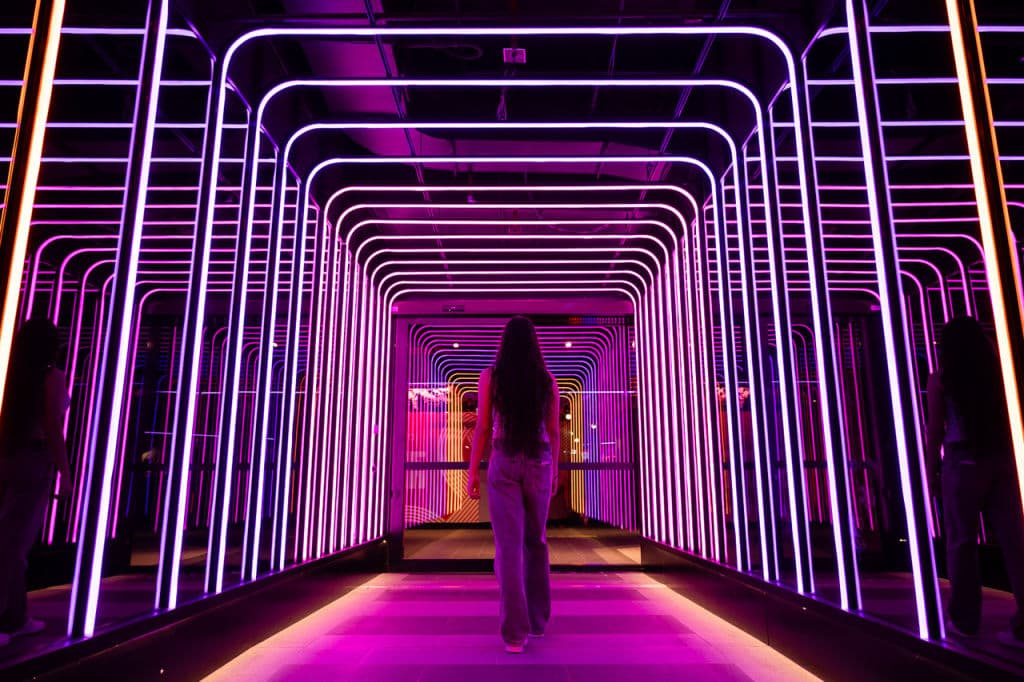
“All of that. Tick, tick, tick, tick, tick, everything,” he says of the commercial benefits. “If you increase your dwell time, then people are hanging around … you’ve got to make it a place where people want to go and grab some food and spend some time.”
Deicorp was quick to recognise the potential of Hometown, positioning it as Melrose Central’s “town square”.
“Hometown was conceived as much more than a dining precinct,” Turner says. “As thousands of new residents move into Melrose Park, it provides a genuine community hub where people can meet friends, enjoy everyday meals, celebrate special occasions or simply spend time together.”
The developer also chose to position food alongside retail, wellness and convenience to create what Turner describes as a complete neighbourhood destination.
“Each of these pillars is expected to support and complement the other,” Turner says.
Looking forward, Shepherd expects food halls and dining hubs to continue anchoring major precincts. The emphasis, he believes, won’t just be on the food itself: “It’ll move more and more to that holistic experience rather than just being food.”
Swann agrees, saying retail hubs in particular will become key drivers of the shift.
“The best-performing retail assets today understand that food is no longer a supporting act; it has become one of the primary reasons consumers choose where to spend their time and money,” he says. “Customers want discovery, not duplication.”