How two commercial property agents survived Perth's downturn
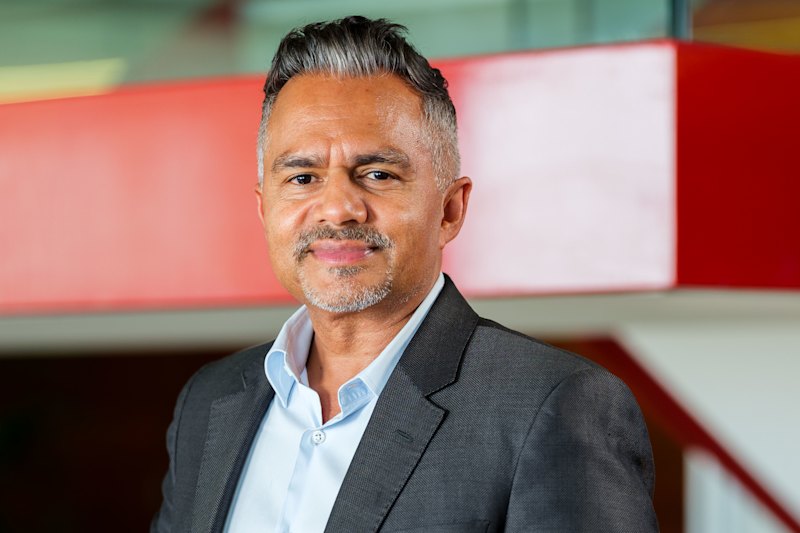
Dustin May, director office leasing Perth, Colliers International
How do you spend your day?
A typical work day is spread across four key areas – conducting tenant inspections, servicing clients, canvassing for new tenants and managing internal matters.
Has your day changed much over the years?
I think there’s consensus across the industry that demands on leasing agents are increasing and this has especially been the case in Perth where market conditions have been soft for five years. Agents are responding to a broader range of issues and they are also managing bigger workloads, so we have to continuously adapt to work smarter and be more efficient. We also need to constantly challenge ourselves to think of new and innovative ideas to ensure we are giving our clients’ assets every chance of success in what’s a very competitive market.
Are you substantially busier? Is the job harder?
The office vacancy rate in Perth topped out at 22.5 per cent so that’s been a significant challenge in recent years. That’s certainly made the job harder but, surprisingly, it’s also made it more enjoyable because to compete in that environment, we’ve really had to roll up our sleeves and spend a lot more time brainstorming to generate out-of-the-box ideas that make our assets stand out. It’s especially rewarding when you overcome adversity and secure tenants in a market with this level of competition.
Has the relationship with clients changed?
Because of technology, agents and clients are more connected than ever and with so much online prominence given to the property news cycle, we are also responding to clients’ queries about the challenges and opportunities that wider economic events will have on their buildings. This has brought us closer to our clients.
Have your clients changed over the years?
My client base has moved more from privates to institutional, which was a natural part of the progression from the suburbs to the CBD. What has probably changed the most is the requirement to understand clients and their drivers more intricately to ensure we’re delivering solutions tailored to each client, or their fund.
What have been the favourite projects you’ve worked on?
I’m currently enjoying working on a number of new developments where we are targeting pre-commitments from tenants. This is something we haven’t seen in Perth for some time. Being involved in a project from the very beginning, having an influence on the design, securing a tenant and then watching the building come to life is always a rewarding experience.
What’s been the most challenging task you’ve been faced with?
Presenting the WA Office Market Report in 2018 to an audience of 350 property experts was a daunting task, but one that I thoroughly enjoyed and now look back on fondly. The repositioning of assets in a soft market is also a challenge given the large amounts of investment required from stakeholders and the potential risks of not getting it right.
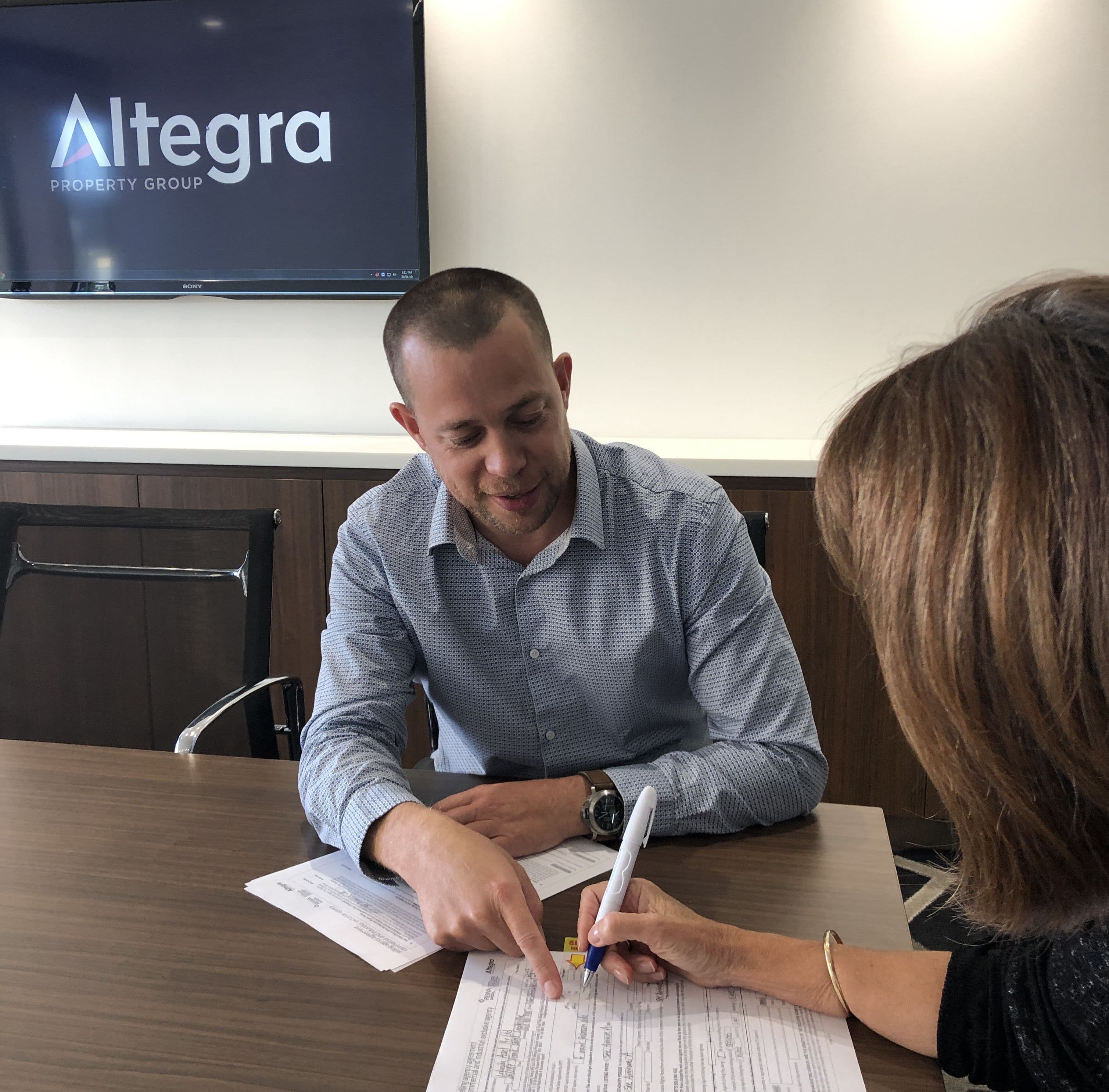
Malcolm Healey, commercial sales & leasing executive at Altegra Property Group
How do you spend your day?
My office is in the city but most of my work is in the northern industrial areas, so I’m on the road a lot. I’ll drive there in the morning having meetings and inspections, then work in the office on paperwork and visit the industrial areas again on the way back home.
Has your day changed much over the years?
When I started five years ago, the GFC had hit and things were going downhill, sometimes at a rapid pace, and every meeting was about the sky falling in. In the past year I would say industrial property has plateaued and there are some signs of recovery in the market, with a few more investors.
Are you substantially busier?
I’m up to my eyeballs. I’ve always had 40 to 50 properties that I deal with at any one time but I’m now starting to run out of stock so I need to spend a bit more time picking up quality stock.
Is the job harder?
There’s a different challenge every day and you have to find a creative way to get things done. But in a way the job is a little easier as there’s a bit more positivity in the market.
Has the relationship with clients changed?
It can be hard to manage the expectations of clients, tenants or buyers. They may be after something that’s unachievable, so I’m probably a lot more direct with them now; there’s not a lot of beating around the bush. My tolerance for owners who don’t want to take friendly advice has reduced, too, and I’ve cut a few relationships when they’re not being realistic.
Have your clients changed over the years?
The clients are now more sophisticated, with fewer mom-and-pop investors. That does make it easier.
What have been the favourite projects you’ve worked on?
It’s always good when you manage to lease an A-grade property that’s been vacant for many years and which would be worth, say, $200,000 in rent a year. And it’s always great to get a result that’s a positive outcome for everyone. I remember one elderly widow who’d been offered a sum for her property that was far too low, and we managed to get her a much fairer price.
What’s been the most challenging task you’ve been faced with?
Every now and then, you’ll get an unrealistic landlord. It can also be difficult when you have a deal on an industrial property but then you discover the fitout hasn’t been approved or you’ll find other problems or gremlins coming out of the cupboard.