House of Pickle signs 10-year lease on former Botany tannery
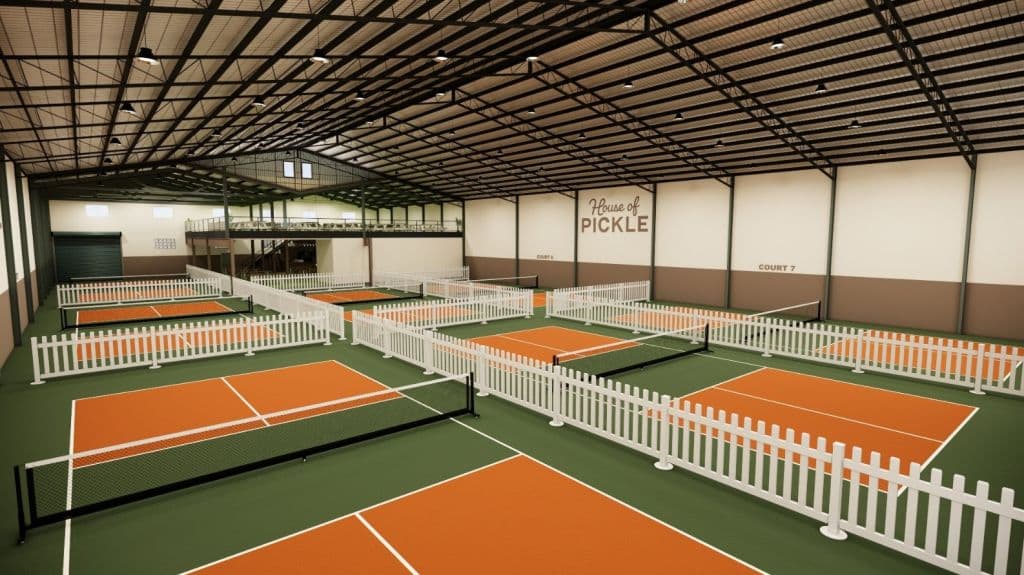
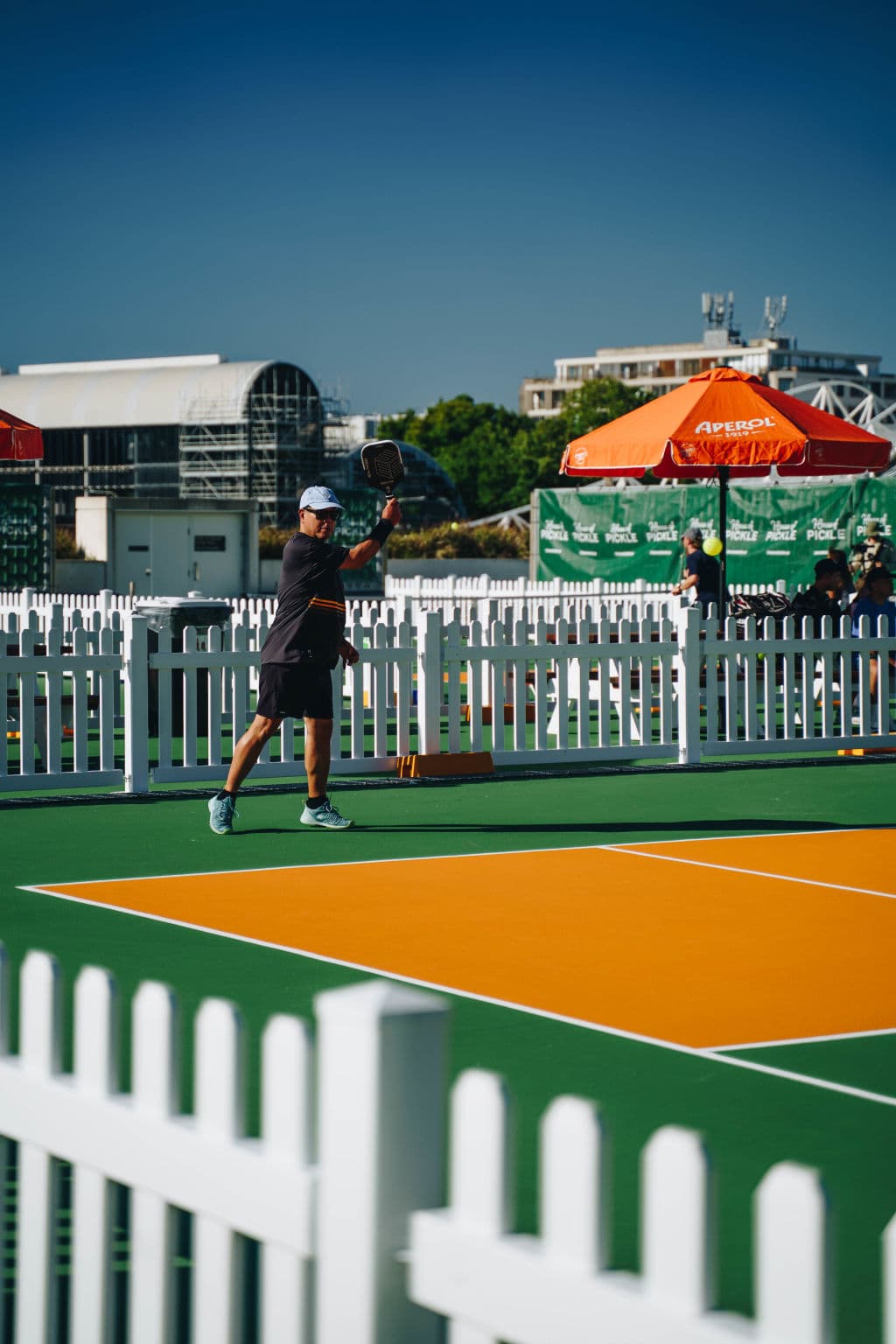
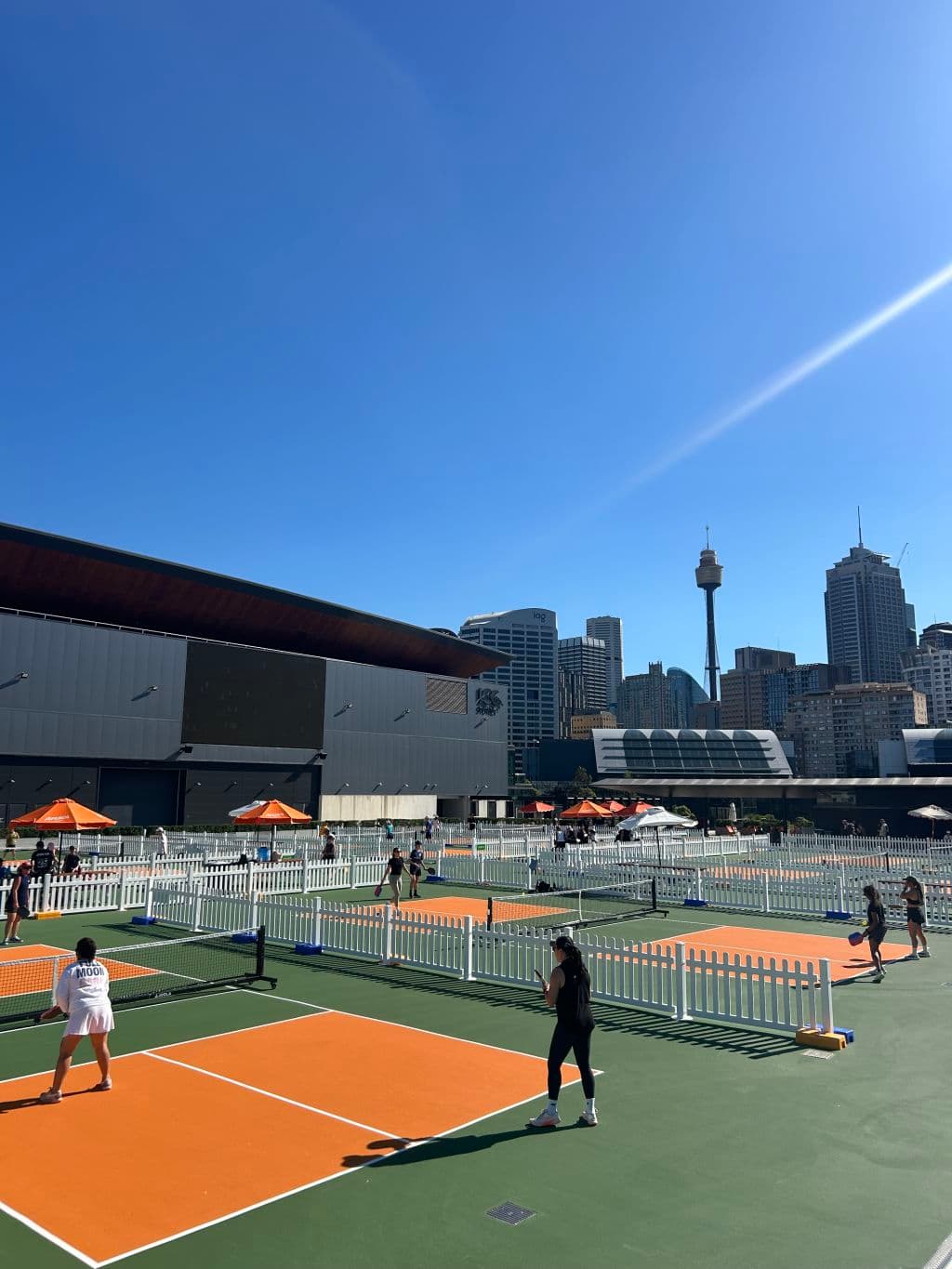
Australia’s pickleball boom is expanding into a former Sydney tannery, with seven tournament-grade courts and a two-storey bar and cafe set to give the industrial building a new sporting life.
House of Pickle has signed a 10-year lease on the 2000-square-metre property at 21 Underwood Avenue in Botany, about 11 kilometres south of Sydney’s CBD, as the growing sport creates new demand for industrial space.
For chief executive and co-founder Ollie Matthews, the attraction goes beyond the game.
“You can walk into one of our venues on your own, join a social session, meet new people and be part of a community almost immediately,” Matthews says.
“Pickleball is growing at an unprecedented rate across Australia, and we’re incredibly proud to be leading that growth as Australasia’s largest pickleball operator.”
National pickleball participation surges
National membership figures underline this momentum. Pickleball Australia had 10,000 registered members in February 2024, and this more than doubled to 24,000 in January this year, according to Pickleball Victoria. Those figures count registered members, rather than everyone who plays casually.
In the United States, pickleball participation rose from 4.2 million players in 2020 to 24.3 million in 2025 – almost sixfold growth in five years, according to the Sports & Fitness Industry Association’s 2026 Pickleball Single Sport Report.
House of Pickle operates six venues across NSW, with Botany set to become its seventh in the state when it opens this month, and its first in Sydney’s south.
It also has venues in Port Melbourne, Queensland’s Currumbin Waters and South Australia’s Salisbury Downs, with two more Queensland locations and two New Zealand sites on the way.
Matthews says accessibility is central to the sport’s appeal.
“Botany is an incredible location, and we’re really excited about everything happening in the area,” he says. “There’s a fantastic community, plenty of positive development and a real opportunity to create something special.
“You don’t need to have played before, you don’t need to be particularly athletic, and you certainly don’t need to arrive with a group of friends.”
As the network expands, Matthews says the business is creating opportunities for players to visit different clubs and participate in interclub competitions.
Historic Botany warehouse repurposed
The Botany property offered the practical features needed for the operator’s plans.
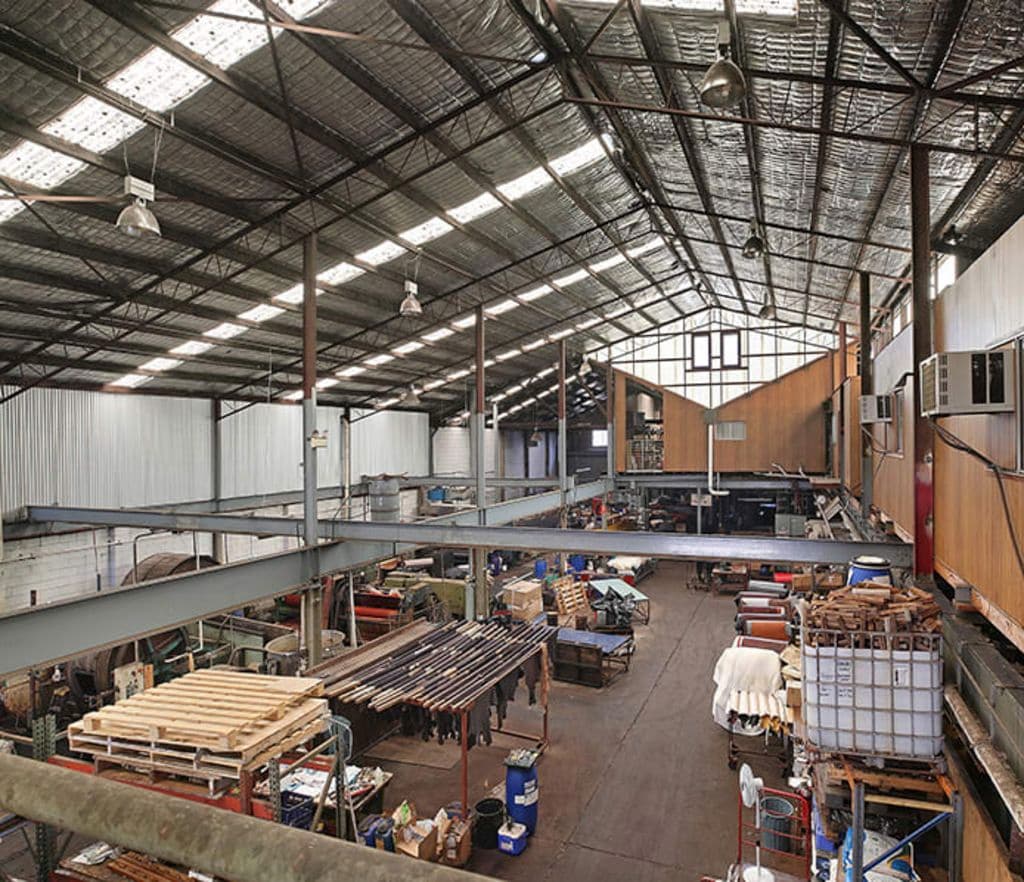
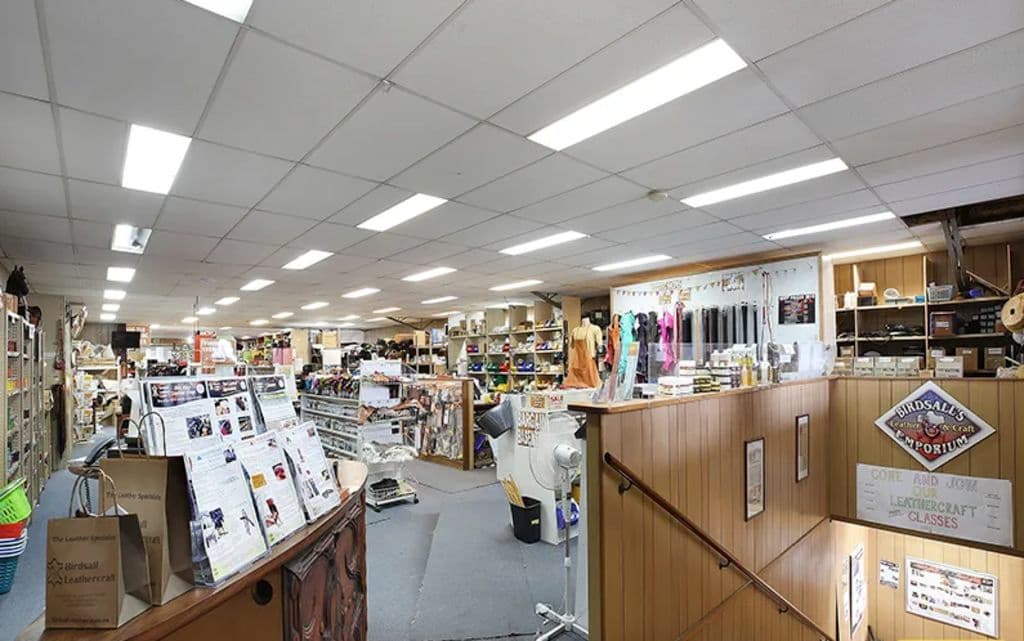
The building previously housed Birdsall Leather, a family business with tanning roots stretching back to 1883. It opened its Chegwyn Street tannery in 1988 before relocating to Taren Point in 2020.
The property sold in December 2019 to a private investor for $5.73 million, with the private buyer planning to revitalise the building and align it with local tenant demand.
The warehouse has clearance of 10.6 metres and two street frontages, and previously had first-floor office and storage space used to house leathergoods.
“It has dual access, plenty of parking, fantastic ceiling heights and the space to create seven tournament-grade pickleball courts,” Mathews says.
“One of the things we’re most excited about is the two-storey bar and café overlooking the courts. We want people to have just as much fun off the courts as they do on them.”
The intention is to attract competitive players and social groups, alongside visitors who simply want a drink with friends or somewhere to watch the action, and offer a pro-shop with pickleball gear.
“It’s about creating a genuine social destination rather than just somewhere people come to play sport.”
The combination of sport and hospitality echoes the rise of competitive socialising venues reshaping Australia’s retail spaces, where activities, food and drinks give visitors reasons to stay longer.
Landlords tap recreation demand
Pickleball operators are competing with transport and manufacturing businesses for warehouse space in Australia, typically seeking buildings of 1500 to 3000 square metres, according to JLL’s May analysis of the sector.
It has found significant fit-out costs and lengthy planning processes are encouraging lease commitments of seven to 10 years.
The demand for pickleball premises offers a contrast to the fortunes of some older sporting facilities, with former squash centres being converted into childcare centres across NSW.
Cushman & Wakefield’s Nick Mallett and Greer McLeod negotiated the lease on behalf of the private landlord, with House of Pickle carrying out construction to transform the building over the past two months.
“Securing a 10-year commitment from a recreation operator is a significant result and one of the longer lease terms we’ve seen for this type of use in the market,” Mallett says.
“It also shows that older industrial buildings can attract quality long-term occupiers where the fundamentals of the property suit their operational needs.”
McLeod says recreation operators are attracted to the larger floorplates and flexibility industrial buildings can offer, while Botany provides access to a substantial residential and employment catchment, with a location minutes from Sydney Airport.
“Botany continues to evolve, and so does the tenant profile,” McLeod says.
“We’re seeing demand from a much broader range of occupiers, with recreation, fitness and alternative-use businesses increasingly considering industrial assets. For landlords, that’s creating new opportunities to reposition older buildings and secure strong long-term occupancy.”
The rent has not been disclosed, though agents describe the transaction as a strong outcome.
For Matthews, the decade-long commitment is about establishing a lasting place in the neighbourhood.
“We’re not just looking to open another sporting facility; we want to create a destination where people can come together, stay active, meet new people and enjoy themselves,” he says.