Australian retail property investment hits $7.5b in H1 surge
Resilient consumer spending, despite recent rate hikes, is driving big gains for the retail sector, with fresh data showing investment volumes reached $7.5 billion in the first half of the year.
It’s a 12 per cent jump from the same period in 2025 and, according to Knight Frank research, is tracking to be the highest transaction volume in more than a decade.
The Australian Retail Review Report released this week shows strong September quarter figures, with $2.8 billion in closed transactions and $4 billion pending.
Continued consumer spending, up 6.8 per cent over the year to August 2026, is driving attractive returns in the retail sector and has drawn institutional capital back after several years on the sidelines.
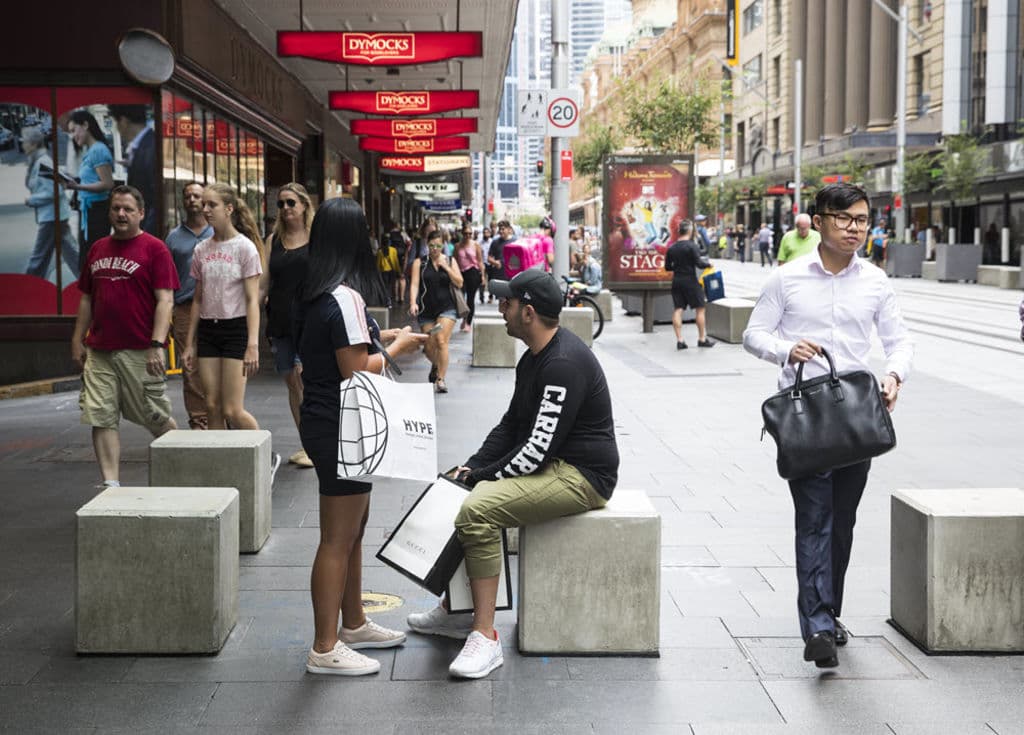
Spenders defy interest rate expectations
The appetite of Australian shoppers has been an unexpected boon for retail, said Alistair Read, Knight Frank senior economist, research and consulting.
“We’ve had multiple interest rate hikes at the start of the year, but the resilience of the household sector has really been quite surprising and that’s to the benefit of retail,” Read says.
“And that’s the most surprising thing – retail is holding up surprisingly well just because that household sector has really been performing much better than everyone’s expectations.
“When you’ve got house prices falling, you’ve got high interest rates, all these headwinds, but the consumers, at least to date, have really been able to keep spending going.”
If interest rates rise, as economists at ANZ and Westpac predict, it could affect Australia’s retail sector, but Read says it wouldn’t be disastrous.
“I think it will just make the path forward a little bit more difficult and maybe more prolonged, but it’s not going to see the retail sector completely change the momentum that it’s on,” he says.
Retail occupiers surviving rent rises
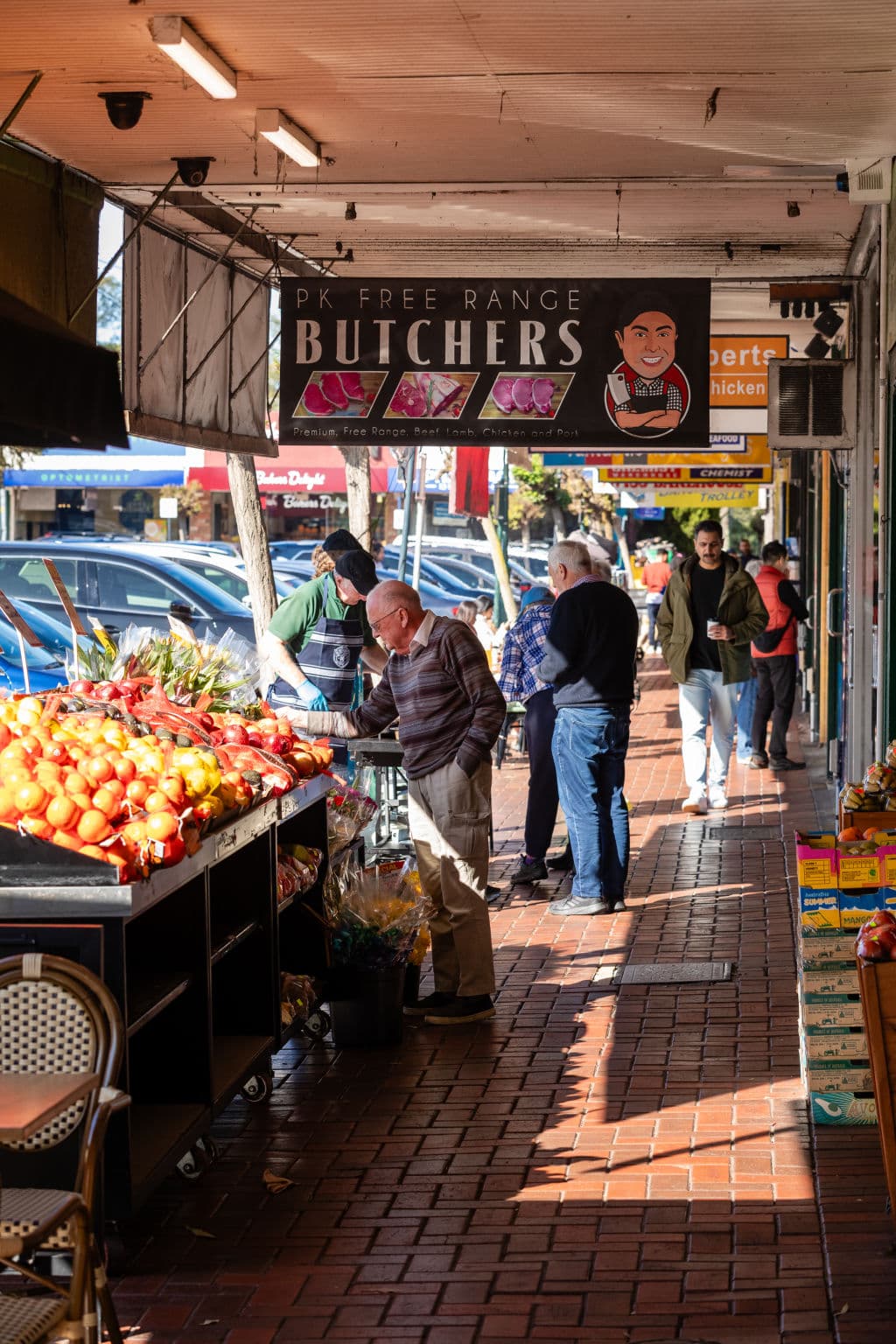
High construction costs are still dampening the prospect of new shopping centres, refurbishment or extensions, pushing vacancy rates to 3 per cent nationally, the lowest level in more than a decade.
This limit on new supply combined with strong population growth is set to support stronger re-leasing growth as retailers compete for increasingly scarce space.
However, Knight Frank’s analysis of occupancy costs, the ratio of rent to turnover, indicates retail occupiers are comfortably meeting their rental conditions.
Across 62 publicly listed retail assets, they averaged 14.2 per cent over the 12 months, with costs lower in sub-regional assets, outlet and regional centres and higher in the larger and city centre assets.
“Even though we’ve seen rents rising, the affordability for retailers hasn’t necessarily deteriorated,” Read says.
“That’s not to say there are still risks – we’re still seeing inflation coming through and there’s still cost pressures coming and a potential slowdown in consumption.
“So there are still margin risks ahead, but to date the retailers have been able to affordably manage the rent increases that have come through.”
Big sales lift transaction volumes
Some big players were behind the year’s significant retail deals, including Fawkner Property’s $895 million acquisition of Erina Fair from the Lendlease joint venture with South Korea’s National Pension Scheme, Scentre Group’s sale of a 20 per cent stake in Westfield Sydney to the Australian Retirement Trust for $864 million, and Temasek’s sale of a 50 per cent stake in Westfield Marion to Hong Kong-based JY Group for $670 million.
Frasers Property also sold three Eastern Creek assets in Western Sydney to Vicinity Centres for a combined $400 million.
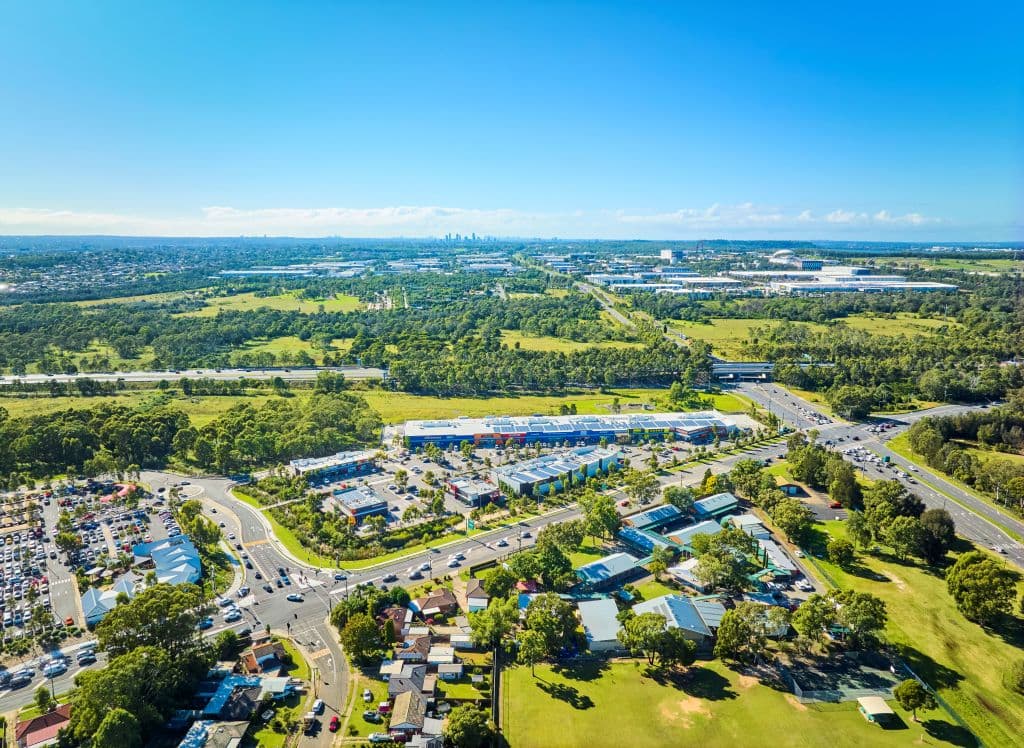
Charter Hall also acquired Bonnyrigg Plaza in NSW, Morayfield Supercentre in Queensland and Summerhill Shopping Centre from LaSalle Investment Management, managing the portfolio on behalf of German pension fund BVK, for $360 million.