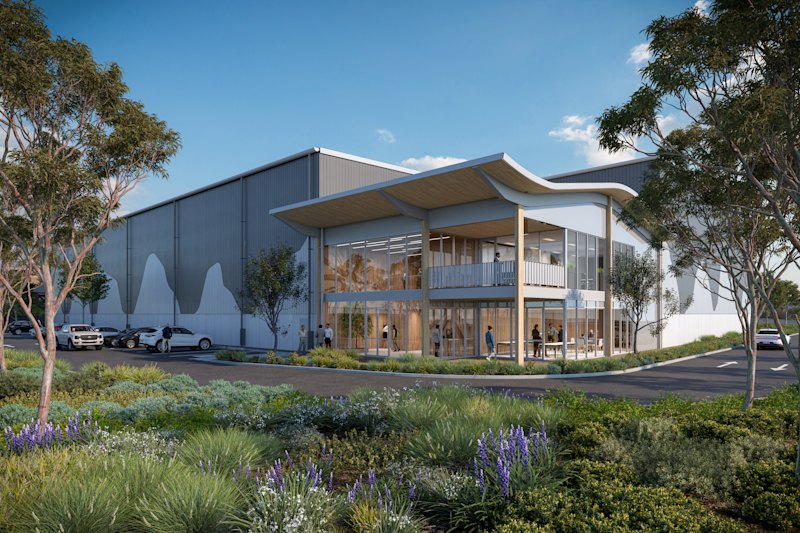
Childcare real estate shifts from mega-centres to mid-sized hubs
Childcare centres are moving away from the “mega-centre” model that has long dominated the market and towards mid-size developments.
The gear shift comes as oversupply in some metropolitan areas and shifting consumer sentiment have destabilised the asset once seen as a stable “set and forget” investment.
“People are a bit freaked out about the asset class, and they’re a bit worried about sending their kids to these sorts of facilities, particularly when they’re really big, and people come and go so often,” says Vanessa Rader, head of research at Ray White Group.
“A lot of mums and dads prefer to send their kids to something that’s maybe a little bit smaller with really good indoor-outdoor facilities, that’s not just cramming as many kids in there as it can – a really nice place for them to be where they have stability in terms of their staff so their kids get to know the staff and the staff there is really constant.”

Staffing pressures and oversupply destabilise mega-centre occupancy
A definitive shift away from the centres that can accommodate about 200 children has seen increasing demand for facilities with 60 to 90 openings, Rader says.
At the same time, larger centres are struggling with stable occupancy and staffing levels.
“It’s so difficult to get good quality staff, and if you have a big centre, you obviously need more staff and then more consistency of staff becomes very difficult,” Rader says.
Oversupply has also pushed occupancy levels down, particularly in growth corridors of the eastern states.
This has forced the sale of assets by some operators, including G8 Education, which was hit by a 7.5 per cent fall in occupancy across its 400 centres by mid-February this year compared to the same time in 2025. The company closed 40 of its underperforming centres last year.
This occurred in the aftermath of sexual abuse allegations against former G8 employee Joshua Dale Brown.
Transaction volumes hold firm amid impending yield repricing
Despite concerns over child safety and staffing regulations, the childcare sector is still performing strongly.
In 2025, $1.44 billion in transactions were recorded – double the volume three years earlier. The first quarter of this year has already seen $188 million in sales notched up, with median transaction yields sitting at around 5 per cent, Ray White research shows.
The federal government’s three-day guarantee subsidy, which replaces the Child Care Subsidy activity test, is also helping to push along demand for childcare places.

However, Rader says she expects assets will undergo repricing as low occupancy rates start to push yields up.
“We’re already starting to see yields increase a little bit because in the past they were seen as really stable assets, long-term leases,” she says.
“But it’s really important now to have tenants with a really good business model, really sound occupancy levels and staffing levels that are really secure.”

Childcare-centre investors are a mix of private owner-occupiers, large corporate operators – including G8 Education, Goodstart and Guardian Early Learning – and REITs like Charter Hall.
A growing emphasis on staff retention will push owners to prioritise conditions within buildings, Rader says.
This includes spacious break rooms with natural light and ventilation, and aligns with improved ESG design principles within the market.