Chinese luxury brands target Australian retail expansion
Australia’s luxury shopping precincts could soon welcome a new generation of international retailers, not from Paris or Milan, but from Beijing and Shanghai.
New research from Colliers suggests China’s rapidly evolving luxury market is creating the next wave of premium retail brands, with Australia tipped to be the new location for many, as these companies begin expanding internationally.
For Australian landlords, the shift could signal the emergence of an entirely new pool of prospective tenants.
For decades, luxury retail was dominated by European fashion houses. Brands including Louis Vuitton, Gucci, Hermès and Cartier established themselves within the Australian market to a loyal clientele.
According to Colliers’ latest white paper, Made in China, the traditional tides are changing.
Gen Z consumer dynamics and the ‘Guochao’ cultural shift
Driven by the rise of guochao or “national trend”, younger Gen Z consumers are increasingly embracing brands that celebrate Chinese heritage, craftsmanship and cultural identity rather than traditional European luxury brands.
The cohort, which comprises more than 280 million people and accounts for around 13 per cent of total household expenditure, is projected to spend approximately ¥4 trillion in 2025. Gen Z and Millennials are projected to account for approximately 80 per cent of global luxury market value by 2030, demonstrating a generation with strong shopping motivation and cash.
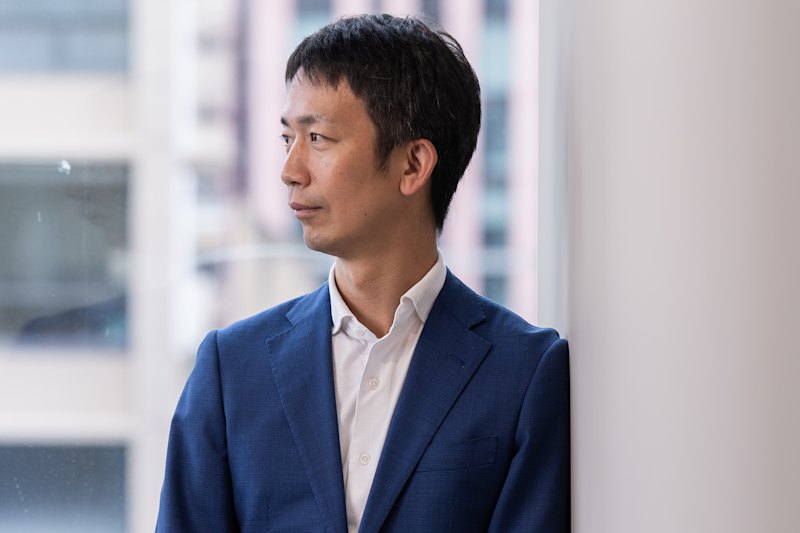
“China’s Gen Z consumers now represent one of the most influential spending cohorts globally but their purchasing behaviour is fundamentally different from previous generations,” Colliers senior research analyst Sam Ryan said.
“They’re increasingly prioritising authenticity, cultural relevance and product quality over traditional status symbols, creating significant opportunities for emerging Chinese luxury brands.”
Among the standout success stories of luxury Chinese brands is jeweller Laopu Gold, which has emerged as one of China’s fastest-growing luxury retailers. The company has reported exceptional revenue and profit growth as demand for its products, which combine traditional Chinese goldsmithing with a contemporary luxury positioning, has proved popular. The brand has already opened a boutique in Singapore, demonstrating its overseas expansion.
Other brands highlighted in the report include fashion label ICICLE, jewellery house Qeelin, fragrance brand To Summer and luxury lifestyle company Shang Xia, all of which are building strong domestic followings while positioning themselves for broader international recognition.
Capitalising on Australia’s mature premium asset infrastructure
Many Chinese manufacturers that once produced goods for Western luxury houses are now launching their own premium brands, allowing them to capture greater value across the luxury supply chain rather than remain contract manufacturers.
“For the first time in decades, Western luxury brands are no longer setting the cultural agenda in China,” Colliers national director of retail advisory Michael Bate said.
While the transformation is centred on mainland China, Colliers believes Australia is well placed to benefit from the next phase of growth.
The report cites Australia’s affluent consumer base, mature luxury retail infrastructure and large Chinese student and migrant population as key factors supporting future expansion by Chinese luxury brands.
For owners of premium retail assets, the trend could present an opportunity to diversify tenant mixes and ultimately reshape leasing conversations across the country’s leading luxury precincts, such as Pitt Street Mall in Sydney and Collins Street and Chadstone in Melbourne.