Historic Theatre Royal Lithgow listed for adaptive reuse
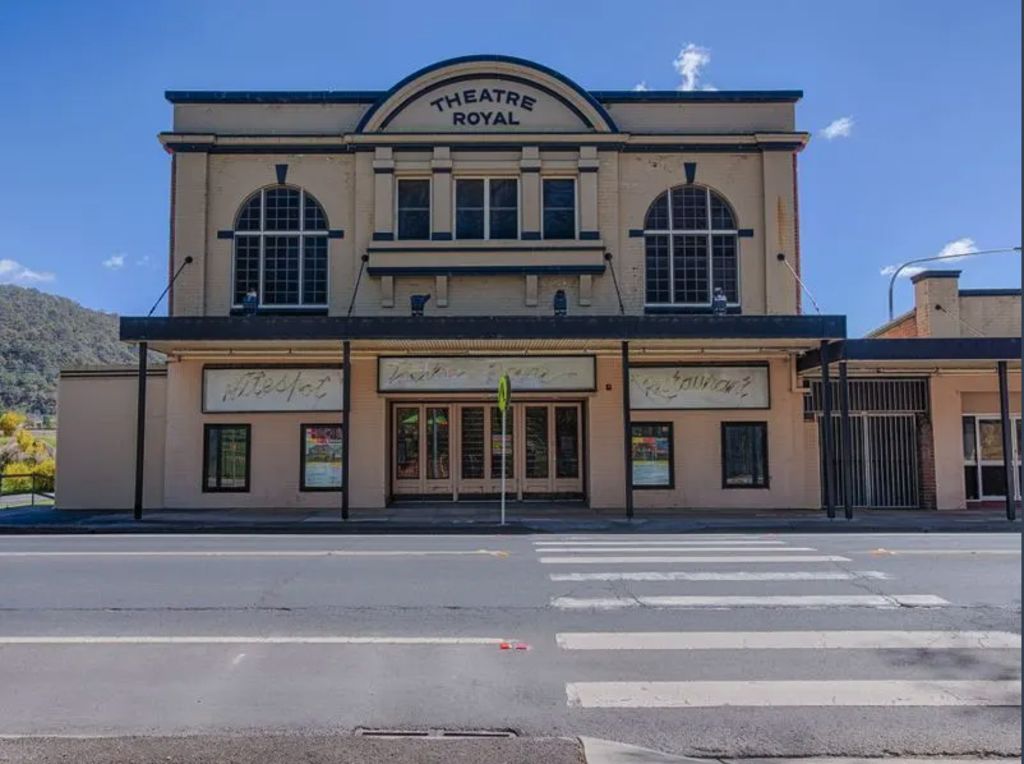
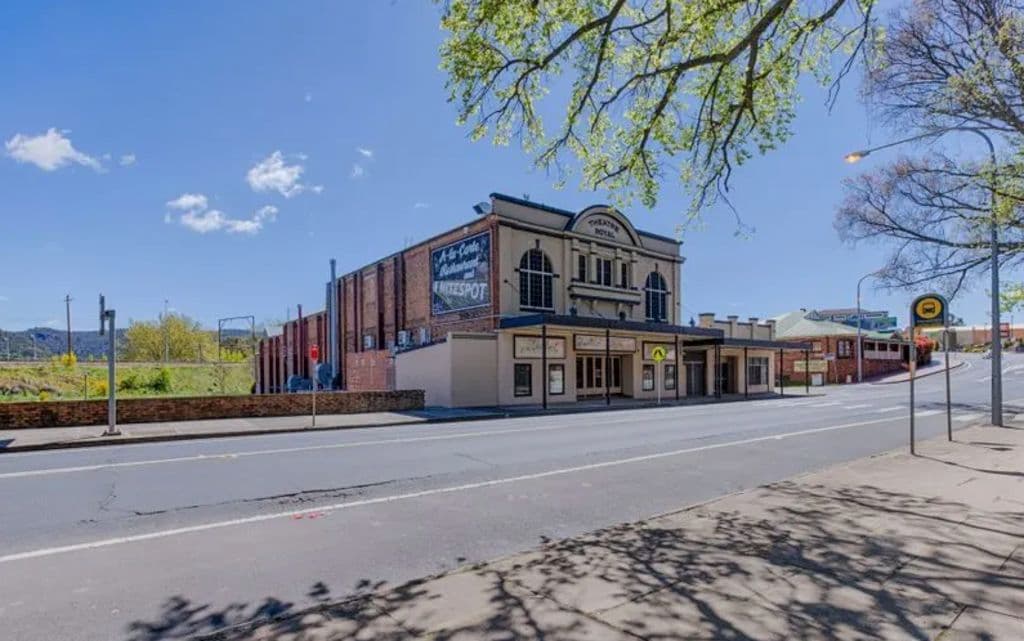
More than a century after it first opened its doors, Lithgow’s striking Theatre Royal is on the market, with the once-bustling live entertainment venue representing a rare adaptive reuse opportunity in the heart of the regional NSW city near the Blue Mountains.
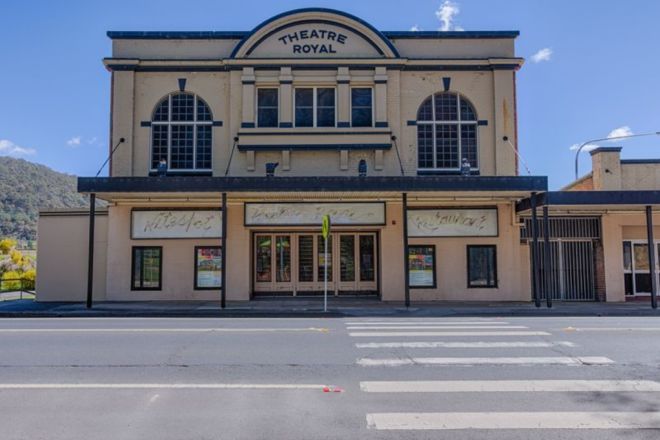
Long before streaming services and multiplex cinemas, residents in the mining town about two hours north-west of Sydney sat behind the theatre’s grand arched windows to watch live performances, films and sporting spectacles.
Now the Theatre Royal at 208 Main Street is going to auction through Jamie Giokaris of LJ Hooker Lithgow and Peter Seeto of Cabmon Property.
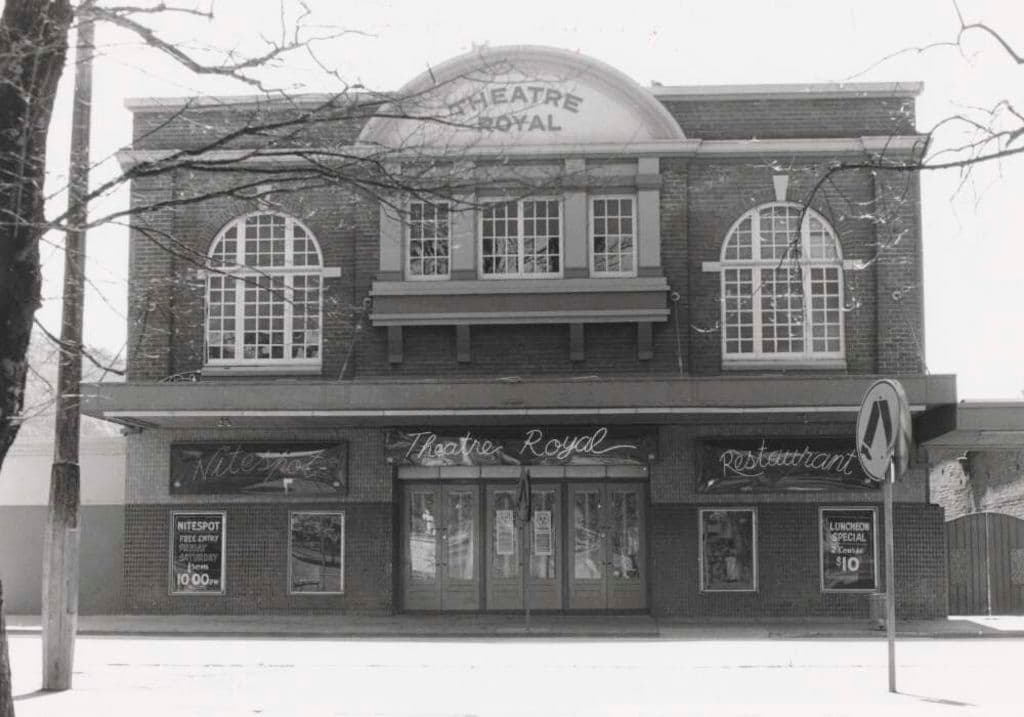
Originally opened as a live theatre in 1917, the venue underwent a major reconstruction in 1926-27 under acclaimed theatre architect Henry Eli White, whose portfolio included some of Australia’s most celebrated entertainment venues during the golden age of cinema.
White’s designs include Sydney’s State Theatre and Capitol Theatre, and Melbourne’s Palais Theatre and the interiors of the Princess Theatre and Athenaeum Theatre, which places the Lithgow property in exalted circles.
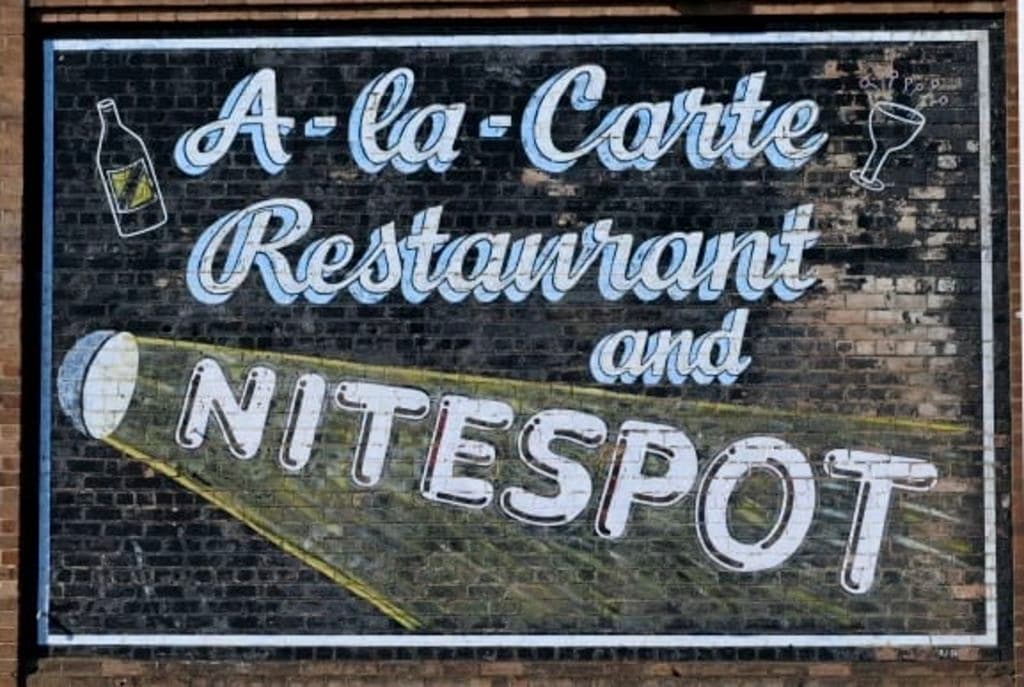
Over the decades, the building has evolved alongside changing audience tastes, including serving as a boxing venue in the early 1920s, a cinema in the ’40s and a nightclub in the ’90s. Over the years it was also a “nitespot” and an a la carte restaurant – as attested by signage painted on its brick exterior.
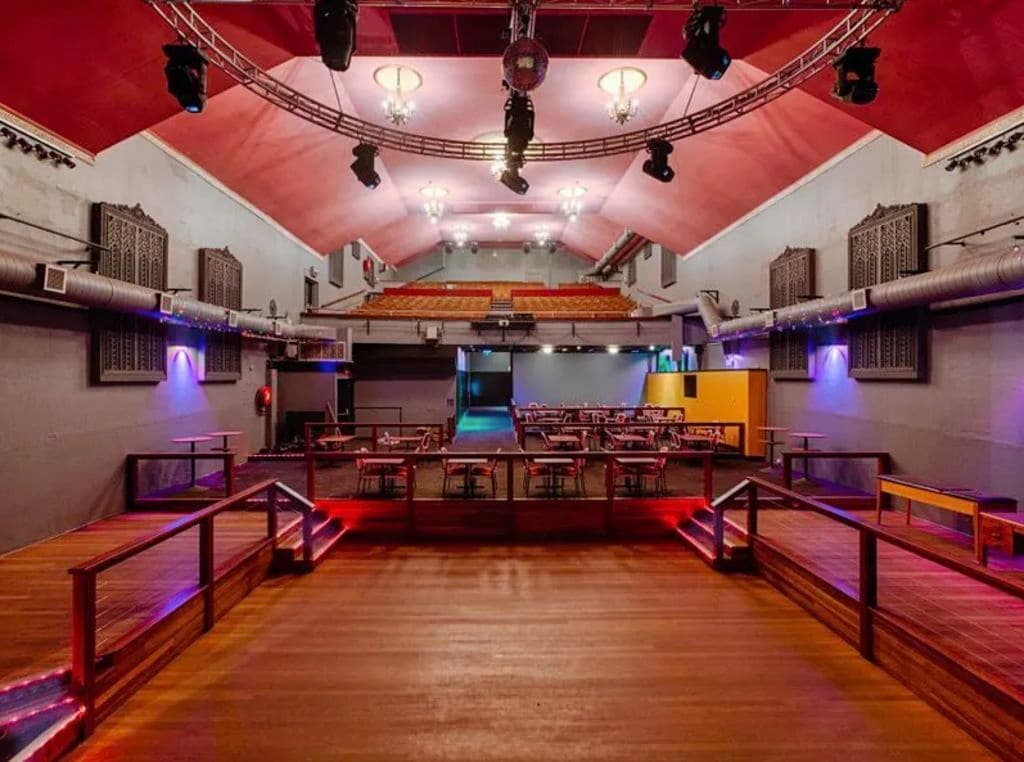
The privately owned venue, which last changed hands in 2022, is understood to have ceased operation in 2013 and has remained dormant since.
A grassroots Save the Theatre Royal movement emerged in recent years, with supporters advocating for uses ranging from a revived music venue to a community hub, while also expressing concerns about how nearby residential development could affect parking and noise.
Intact theatrical footprints and historical infrastructure scale
Occupying a 1170-square-metre site opposite Queen Elizabeth Park, the building enjoys an unusually open and leafy outlook for a town-centre property.
It offers about 1350 square metres of floor space on two levels, with a treasure trove of intact theatrical character.
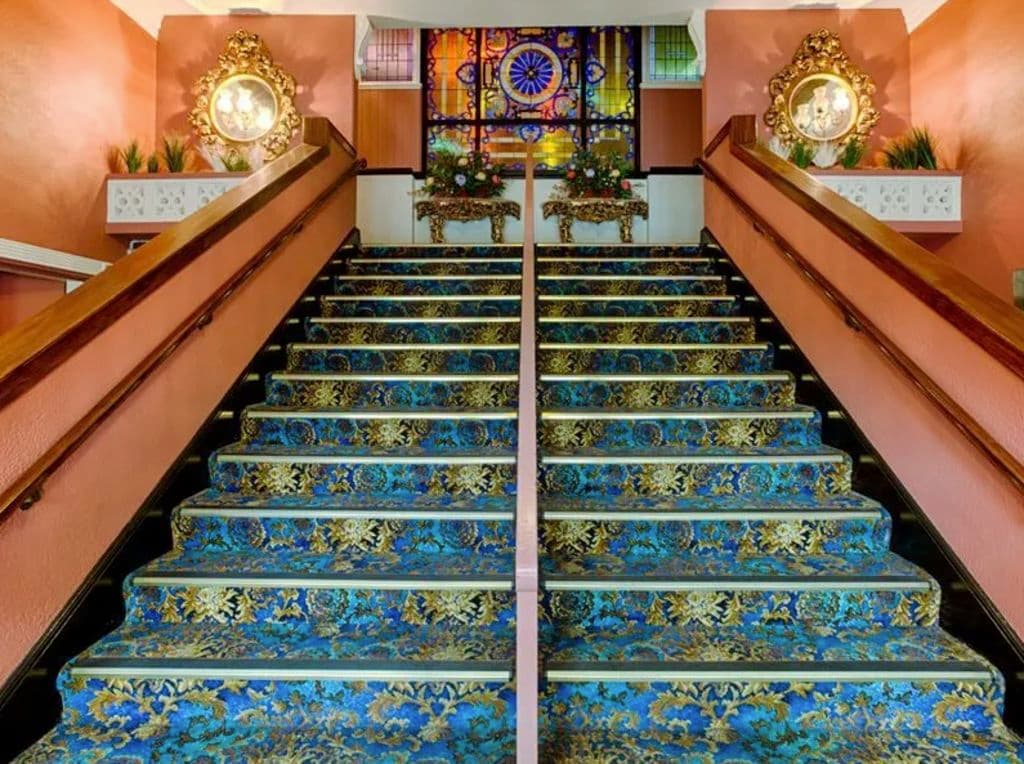
The Theatre Royal features a 411-seat mezzanine level, original projection boxes, a full-sized cinema screen, timber stage and dressing rooms, with retro carpet, ornate gold mirrors and seating.
The infrastructure includes a commercial kitchen, restaurant seating for more than 150 patrons, bars on both levels, a sunken dance floor and a retractable screen. Rear-lane access and a 15-space car park add further flexibility for future use.
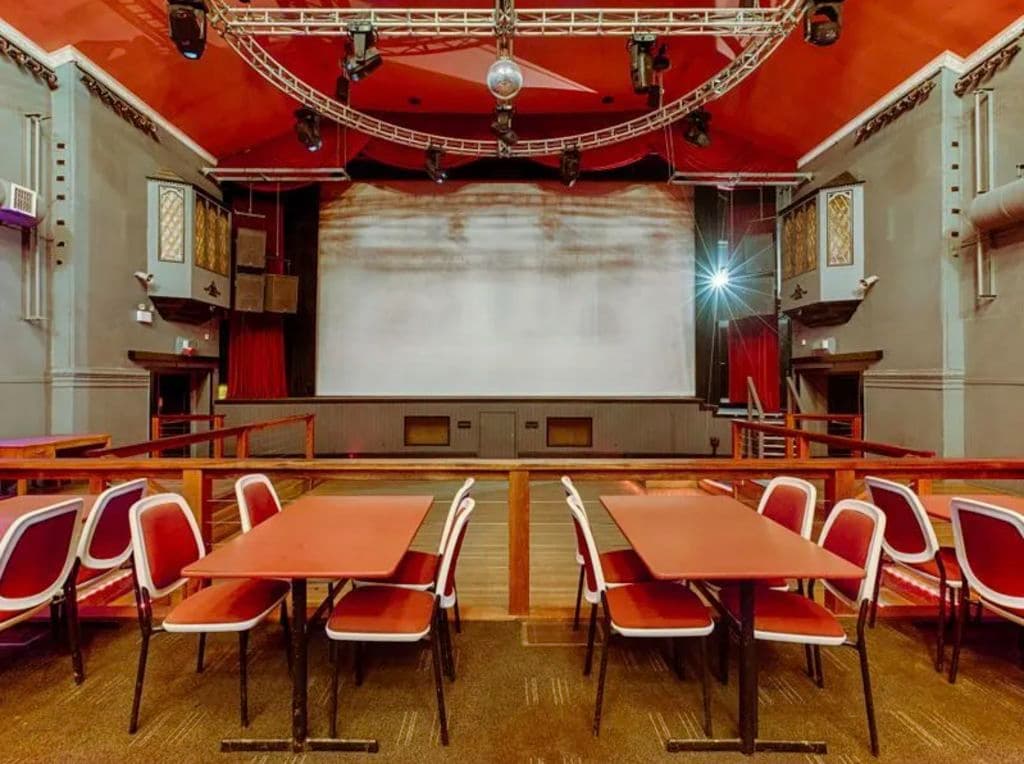
The building is recognised as a local heritage landmark by Lithgow City Council, and Seeto says its greatest appeal may lie in its ability to be reimagined once again.
“Buildings that have a purpose are very much still needed and required by different investors,” he says.
“The owners’ focus has definitely been more towards people who want to use it and have a purpose for it, and not just let it decay and fall to rack and ruin.
“A major thing for the building would be to utilise it for heritage adaptive reuse.”
Zoning flexibilities offer diverse local development pathways
Its flexible E1 Local Centre zoning allows for a range of potential uses, subject to council approval, including commercial, retail, residential and mixed-use development.
Seeto says the former Lithgow TAFE on Mort Street provides a blueprint for what adaptive reuse can achieve, having been converted from an educational facility into specialist disability accommodation (SDA) and supported independent living (SIL) apartments.
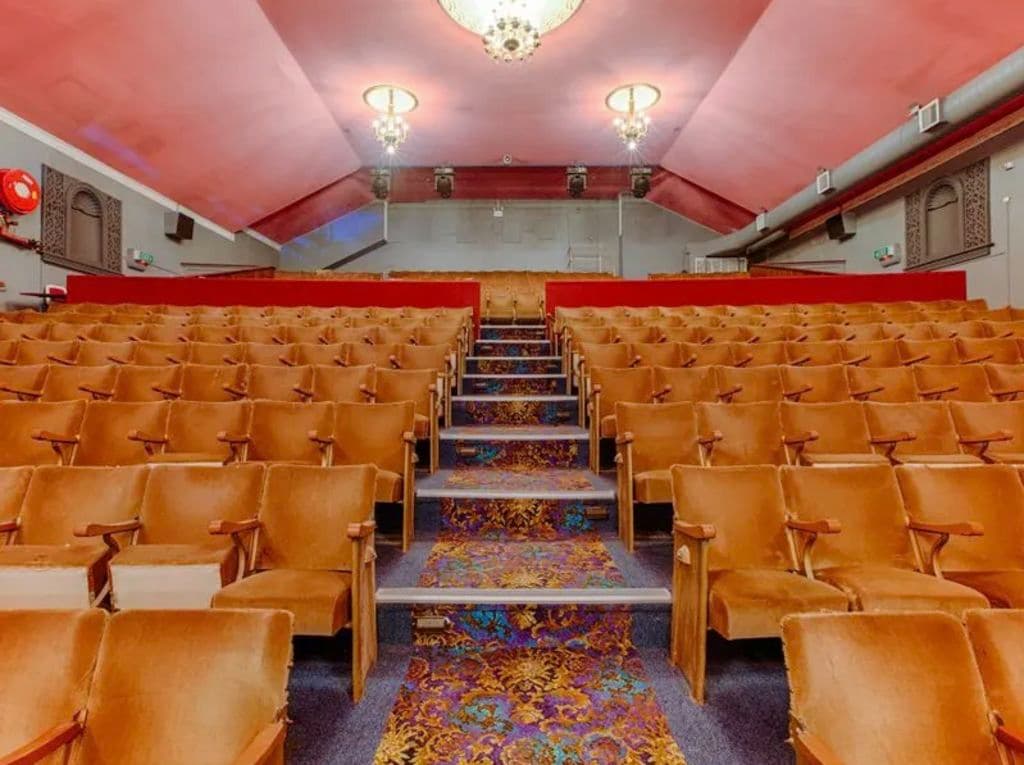
The Theatre Royal was bought four years ago by local developers for $750,000 plus GST. The group, which specialises in local residential land subdivision and industrial developments, also acquired an adjoining vacant lot and car park as part of the broader transaction, an area traditionally used by theatre patrons.
Development approval for four large townhouses on the neighbouring parcel was secured last month, highlighting growing interest in higher-density housing opportunities close to Lithgow’s town centre.
“There has been interest from developers rethinking the site as downsizing units for people coming off farms in some of the more lucrative valleys, like Kanimbla,” Seeto says.
Assessing commercial viability in creative and entertainment sectors
Before marketing the Theatre Royal as a blank canvas, Seeto ran the numbers on whether the historic venue could return to its entertainment roots as a music venue.
“I think the highest and best use for it will probably be a music entertainment venue,” he says, “but it has to be someone who’s passionate about that to put the money up.
“As a music venue, it’s got to be something that draws not just from Lithgow, but out to Bathurst, Orange, but more importantly, up into the Blue Mountains around Katoomba, Leura, to really encapsulate that scene.”
Seeto says anyone keen to reopen the theatre would need to get council consent as the venue has been closed for more than 12 months.
“They’d go to council, and they’d need to tick a few boxes,” he adds. “But the current owners have got the fire system up and regulated. The property currently has a full back-to-base fire alarm system.”
Seeto says the Theatre Royal – which boasts soundproofing, CCTV and a security system – has attracted attention from buyer groups involved in the creative industries.
“One of the particular scout groups approached me to buy the theatre and use it whole and solely as a professional studio for the arts,” he says, adding that the wider Lithgow region continues to attract film and television productions through its distinctive industrial heritage, historic buildings and dramatic landscapes.
“Scouts are always finding different areas up there,” Seeto says. “I’m told there are about 1300 requests a year to council for people to film in the Seven Valleys and Lithgow area.”
According to Seeto, production companies have filmed at nearby locations including the former Wallerawang Power Station and Glen Davis Oil Shale Works, while advertising campaigns have also used local Lithgow venues.
“We had an NRMA ad shot a couple of weeks ago at the Zig Zag Brewery,” he says.
Growing interest from screen producers and creative organisations could help generate new economic opportunities for the region, Seeto says.
“That’d be a great thing, because what we need to really focus on is getting more employment into Lithgow,” he says.
For now, however, the Theatre Royal awaits its next act.
The property is being offered for auction at 6.30pm on July 9 at 201 Main Street, Lithgow.