Agritourism: the sector that's flying under the radar
In a rolling green paddock in the scenic Kerry Valley, about 90 minutes from the Gold Coast, a dual operation is taking place: jersey cows are being milked, with fresh dairy churned to butter and cream, while a small group of travellers are hand-feeding calves before spending a night in the on-site guesthouse.
But far from a simple farm stay, this setup has long been a financial survival strategy for Tommerup’s Dairy.
When the dairy industry deregulated around 25 years ago, the family-run farm faced a stark dilemma: keep operating as a traditional dairy and risk declining margins, or find other income streams to keep the lights on (and the cows fed).
“[It was] absolute survival, that is the oldest truth of it,” says Kay Tommerup.
“We had just been through deregulation of the dairy industry and our income halved overnight … and knew that we needed to do something pretty quickly and something different to what had already been happening on the farm.”
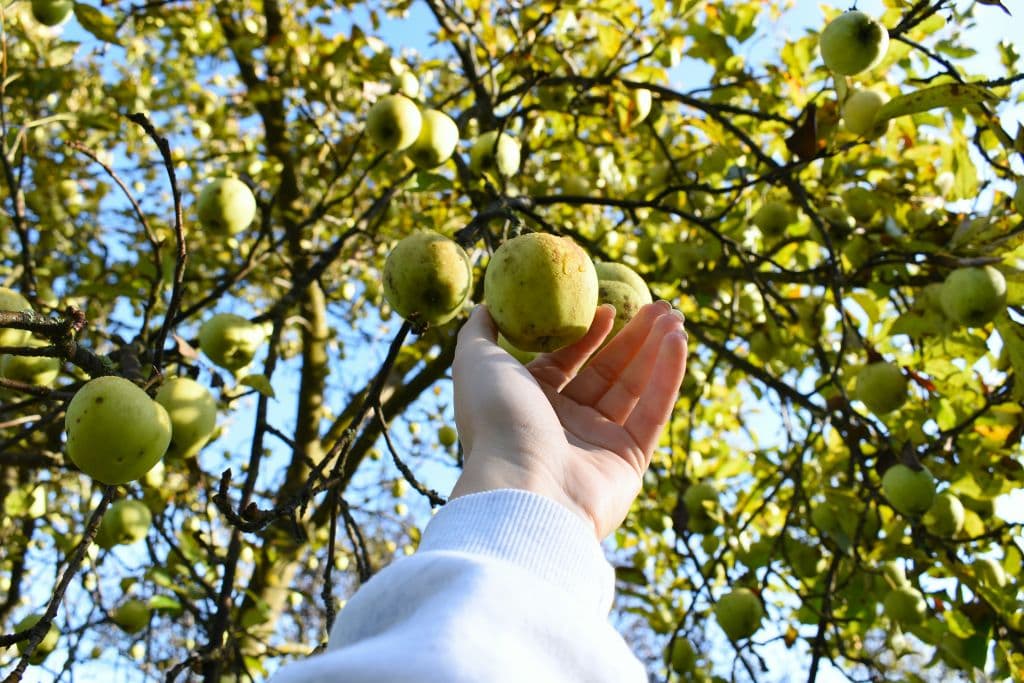
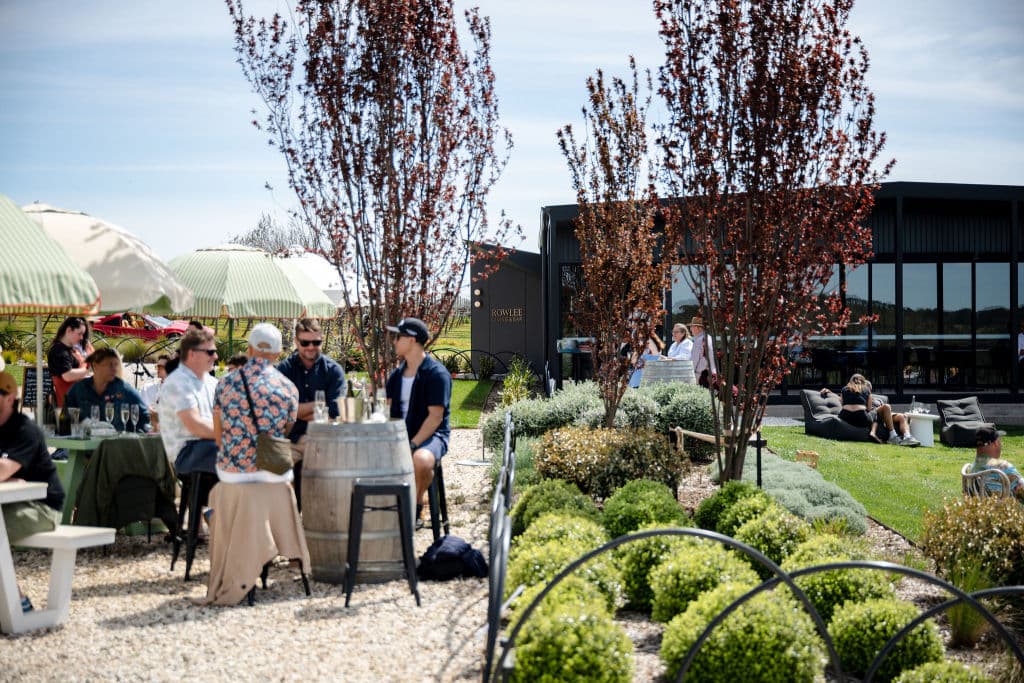
Tommerup’s isn’t alone in its approach. Agritourism – spanning everything from winery tastings to farm stays to fruit and nut picking and cooking classes – has emerged as an increasingly deliberate diversification strategy for farmers looking to make more from their land and protect its value, especially amid rising cost pressures and income volatility.
Linda Tillman, director of regional tourism consultancy Tilma Group, says a number of economic and structural pressures are driving Aussie farmers to find new income streams.
“Farmers explore agritourism for many reasons as it delivers economic, social and environmental benefits: drought, succession planning, and income diversification to cope with fluctuations in commodities and increasing costs such as fuel increases,” she says.
Those pressures are translating into measurable growth. Recent research from Ray White Commercial indicates agritourism is gaining significant traction and now forms a standalone sector worth $20.3 billion. The group also reports that agritourism visitors spend significantly more than the average traveller, sometimes more than double.
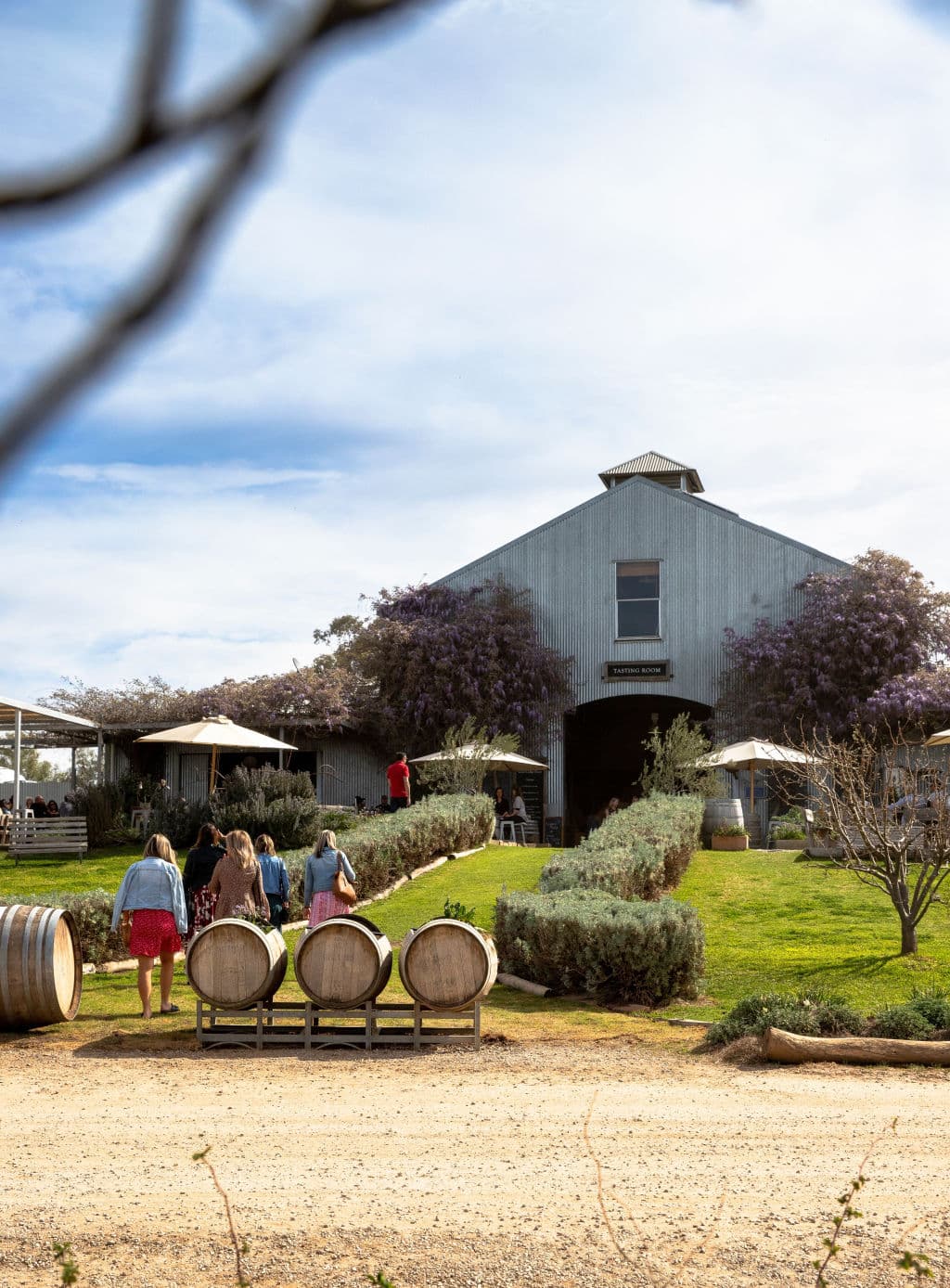
Demand is most concentrated outside major capitals, with Ray White Commercial finding that three in four agritourism trips were to regional Australia.
That demand then flows on to business activity in regional markets, with positive benefits for accommodation providers, hospitality venues and experience-led operators.
Carla Timbrell, general manager of RWC Central West in Orange, is seeing this trend first-hand. She has witnessed an increasing number of short-term and visitor-focused accommodation providers cropping up as the city continues to grow into a tourism hub.
“A lot of people are now realising that in the tourism sector, they can make as much as they would make in weekly rent for a night or two,” she says.
Timbrell adds that buyer demand is also shifting, with locals more likely to identify and reposition existing assets and out-of-town investors generally looking for established, income-producing ones.
At a broader market level, similar patterns are emerging. Adrienne Harvey, associate director of agribusiness (ACT) at Colliers, says interest is largely coming from lifestyle buyers, high-net-worth individuals and experienced operators.
As a result, marketing campaigns are increasingly highlighting agribusiness assets such as vineyards, mixed-farming properties, and lifestyle holdings, particularly where there’s already a proven, sustainable income stream.
For farmers and other agricultural operators looking to diversify, it’s not quite as simple as listing a few cabins and experiences and hoping visitors will come. It’s about extracting value from existing assets and making the experience as authentic and considered as possible.
“They are often unsure about compliance requirements … and see others doing it ‘easily’ and just want to jump in,” says Tillman.
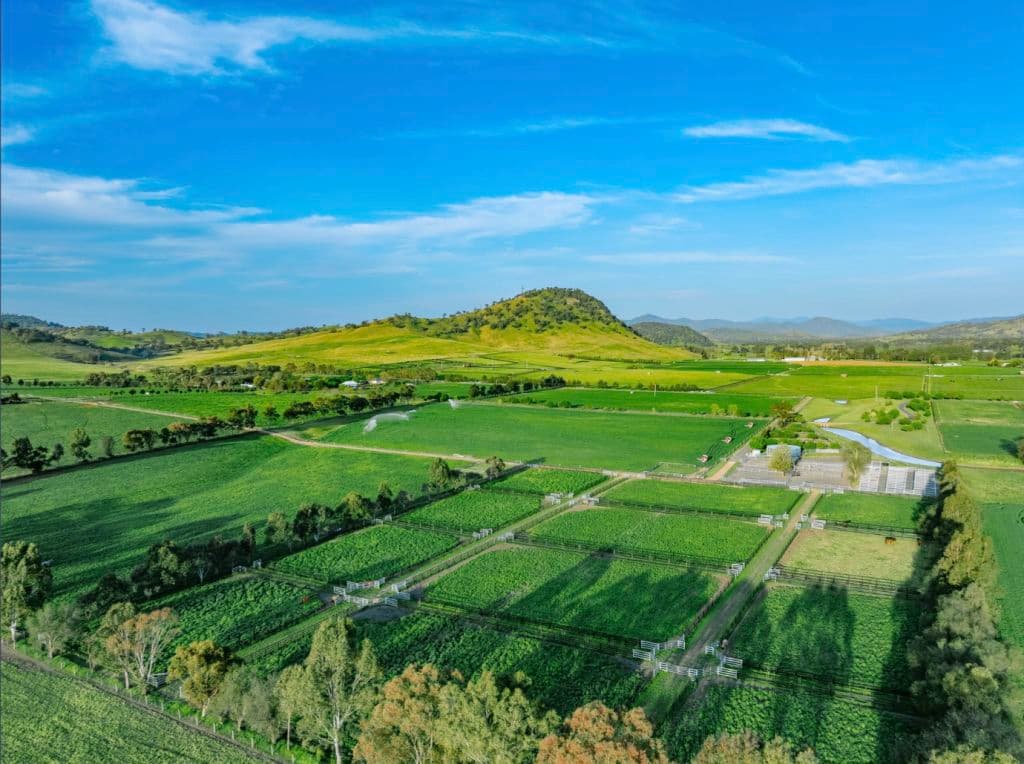
Harvey adds that location plays a key role in success, with destinations within two to three hours of major cities, wine regions and coastal lifestyle areas often best suited to agritourism development.
There are practical considerations too, which can make or break a tourism venture. Planning constraints, for instance, can limit development potential, while compliance – permits, insurance and biosecurity requirements – can add complexity and cost. Some of the hidden expenses to factor in include infrastructure upgrades, road access, utilities and ongoing maintenance.
Nick Goode, associate director of agribusiness (SA) at Colliers, also says execution can be a fundamental challenge.
“Investors have identified that meaningful experiences and connections are being valued by the consumer, and they are willing to pay for these experiences,” he says. “The hardest part is turning the idea into reality.”
Goode says that in the current economic climate, projects can be harder to get off the ground, and lenders may be more cautious unless agritourism income is well established.
“The risk-reward scenario can be too high for people to present business cases to lenders,” he says.
Harvey also has a more measured view of the sector: “Agritourism is rarely positioned as a core value driver unless there is proven, sustainable income already in place,” she says. “More commonly, it is framed as future upside or optionality rather than as a foundation of the asset’s valuation.”
Despite early promise, she also says the sector is still in its nascency – and has a long way to go. Take-up thus far is largely fragmented and concentrated in established tourism regions. For most, agritourism still acts as a complement to traditional farming income rather than replacing it entirely.
“For most assets, it remains a secondary income stream relative to income derived from core agricultural… enterprises,” she says.
From a practical perspective, Tommerup agrees. She says the farm should always remain at the core of the operation, otherwise operators risk losing the very authenticity that underpins their appeal.
“The farm is our priority, and if you attract the right customers, they understand that completely and they will fit in with that,” she says. “These are the times we’re milking and feeding, and you can join us then if you want to.”