Beyond the vine: the evolution of the Australian winery
Modern Australian wineries are more than sips at a cellar door – they have become full-scale hospitality and tourism destinations.
As drinking habits shift and climate change affects agriculture, wineries are adapting not just what they produce but also the ways they connect with local and international visitors. Consumers nowadays don’t want to just quaff wine; they want to be immersed in the place of its creation.
From on-site restaurants to weddings, private audiences with world-class vignerons and homegrown produce to buy alongside wines, the new business model is multi-layered and aimed at offering a richer, more authentic experience.
Knight Frank’s latest industry research, Glass Half Full: the changing landscape of vineyards and wine, found that social and environmental factors have contributed to this diversification.
Climate variability is impacting grape growing in Europe. In Australia, winemakers such as Nicole Samodol, owner and vigneron at Rowlee in the Orange region of NSW, say additional revenue streams are a safeguard. “With climatic events like the bush fires, we can lose our entire crop to smoke taint,” Samodol says. “If you could think of all the external risks, I think we’d have been through every one of them. Having a diversified business model was really important to its sustainability.”
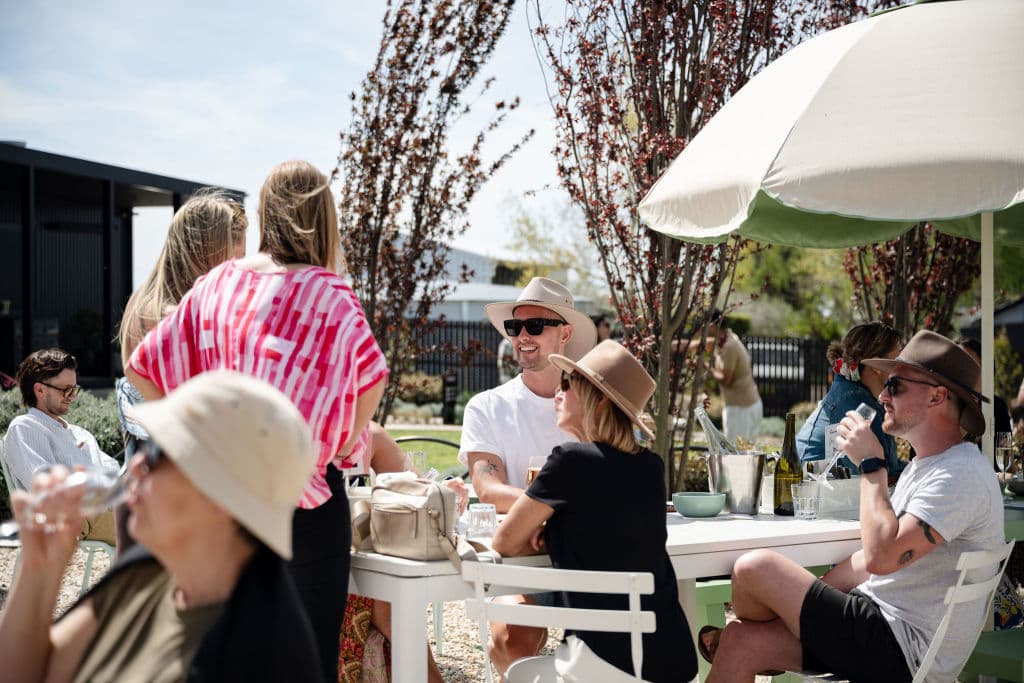
Meanwhile, global wine consumption is declining, and drinkers are instead seeking artisanal, high-end wines with a story, according to the report. Younger wine lovers don’t drink just for the sake of it. They value sustainable practice and provenance over mass production.
Australian winemakers are responding by developing businesses that encapsulate this.
Third-generation chief winemaker Jacob Stein, director of Stein in Mudgee, NSW, says customers want to appreciate the process. “Ultimately, we still are a wine brand, but the consumer these days wants a lot more than that,” he says. “They want to hear our story, taste our products, and learn how it’s made.”
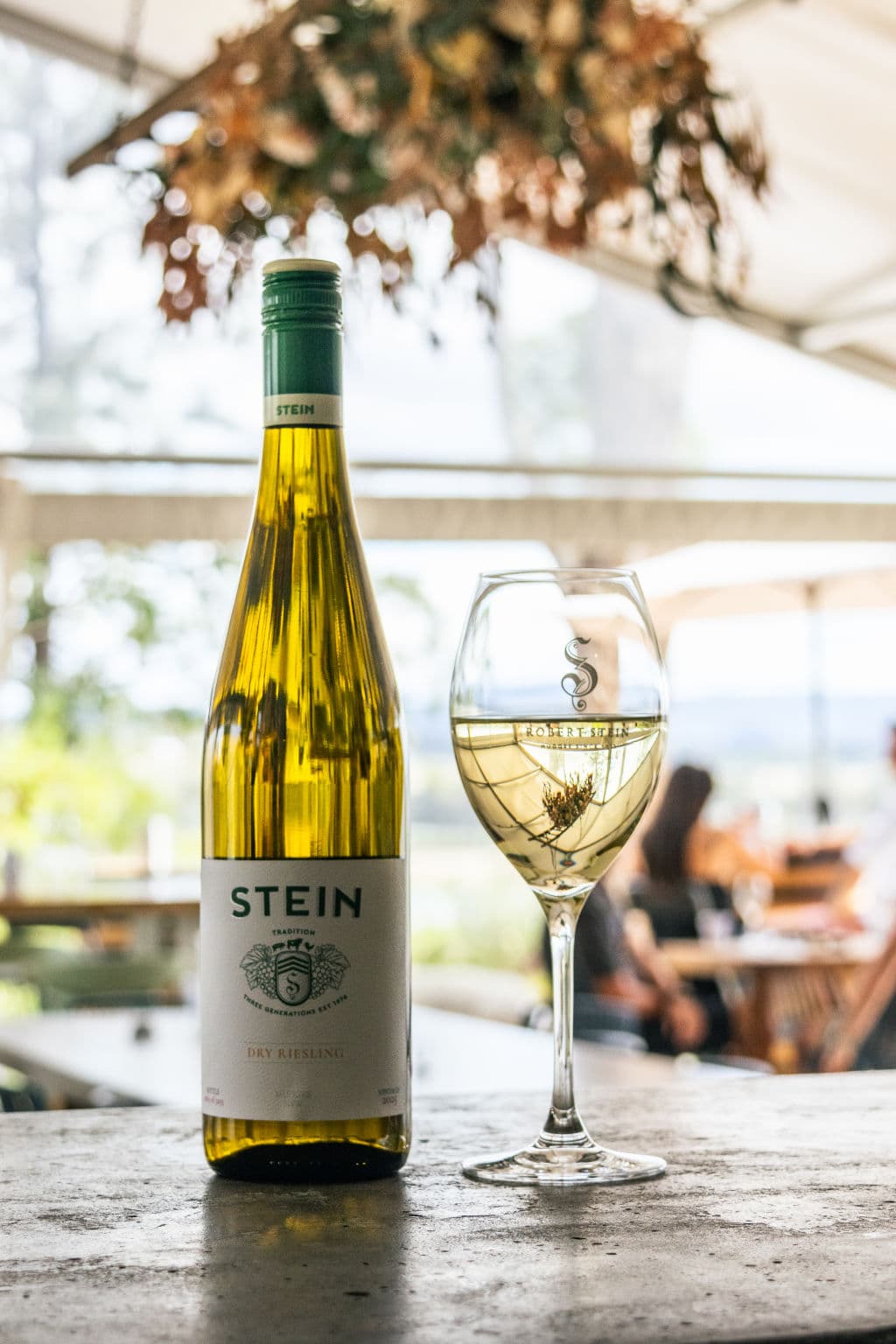
Stein has cellar door tastings, a food truck, the elegant Pipeclay Pumphouse restaurant, and grows pigs for its own salami. What began as a trial 10 years ago is now a highly sought-after product that customers can pair with wine and then purchase to take home. “I started with two pigs, and now we’ve got a few hundred,” Stein says.
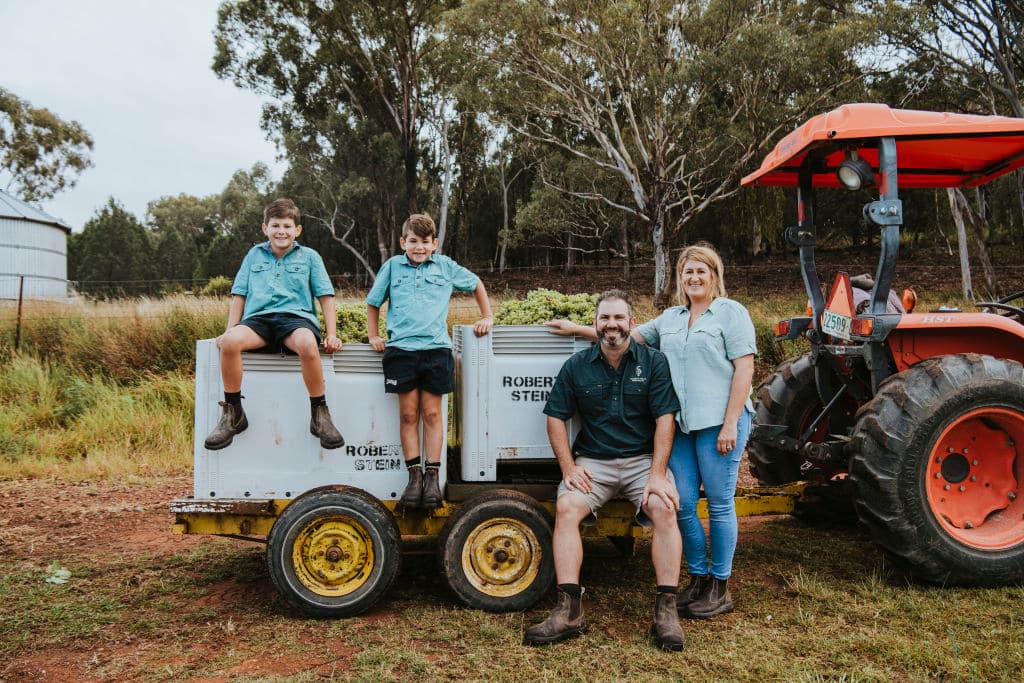
The business celebrates its 50th anniversary this year. The expansion into hospitality and retail has been a deliberate 15-year strategy. “We’ve really diversified across our whole business,” Stein says. “They’re all aspects that contribute towards the business, and that’s either for income or creating products that we sell.”
Stein has a vintage motorcycle museum on-site (featuring the late founder Robert’s own collection), holds farm lunches at which each dish tells a tale of a working property, and encourages participation at its annual Footcrush Feast. “We want people to feel like they’re part of the family when they’re here,” Stein says.
That sense of connection is carefully considered. At Rowlee, in the green hamlet of Nashdale, Samodol is designing how visitors feel and how long they stay.
A sophisticated restaurant and garden bar opened at the winery in 2024, serving some produce grown on the farm (guests can also buy Rowlee potatoes). “Wine is one element of the produce story here,” Samodol says. “Being able to extend the amount of time that customers spent with us and how they engaged with our brand was also an important factor.
“We’re able to value-add to the wines by serving them in a beautiful space, with food designed to complement the wine.”
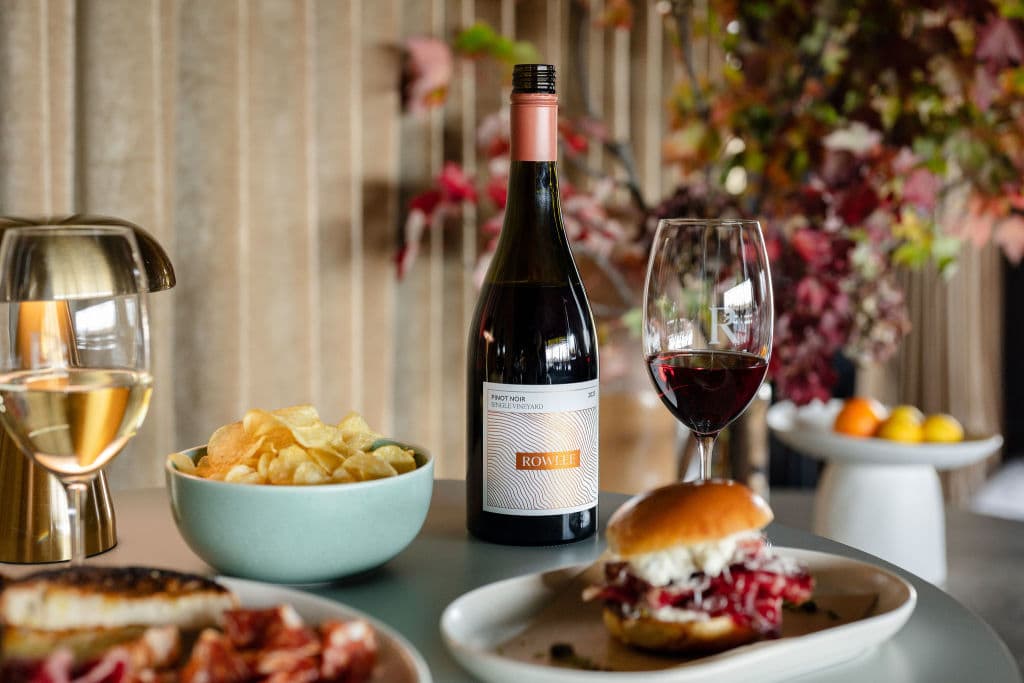
The move has repositioned Rowlee as a destination, not just a cellar door stopover. “Visitors can do more than one thing when they come here,” Samodol says. That may start with a tasting, followed by a wood-fired pizza, and lingering over a bottle. Samodol wants a day at Rowlee to be as much about place as it is about taste. “A lot of people are craving being out in nature and they get to soak up the experience, feel the sunshine and the grass under their feet.”
Events are increasingly forming the backbone of wineries, and none more so than weddings.
Aussies love to say “I do” at wineries, which rank second in the top five most-popular reception settings in the Easy Weddings Australian Wedding Industry Report 2026. Nationally, 14 per cent of couples are planning their nuptials at a winery.
At Rowlee, couples can choose to celebrate in the restaurant, the marquee or heritage stables and appreciate the all-inclusive approach. Samodol says the planning, food, beverages and venue are all taken care of. “We’ve definitely targeted the premium end of the market,” she says. “You’re the guest of honor at your own wedding.”
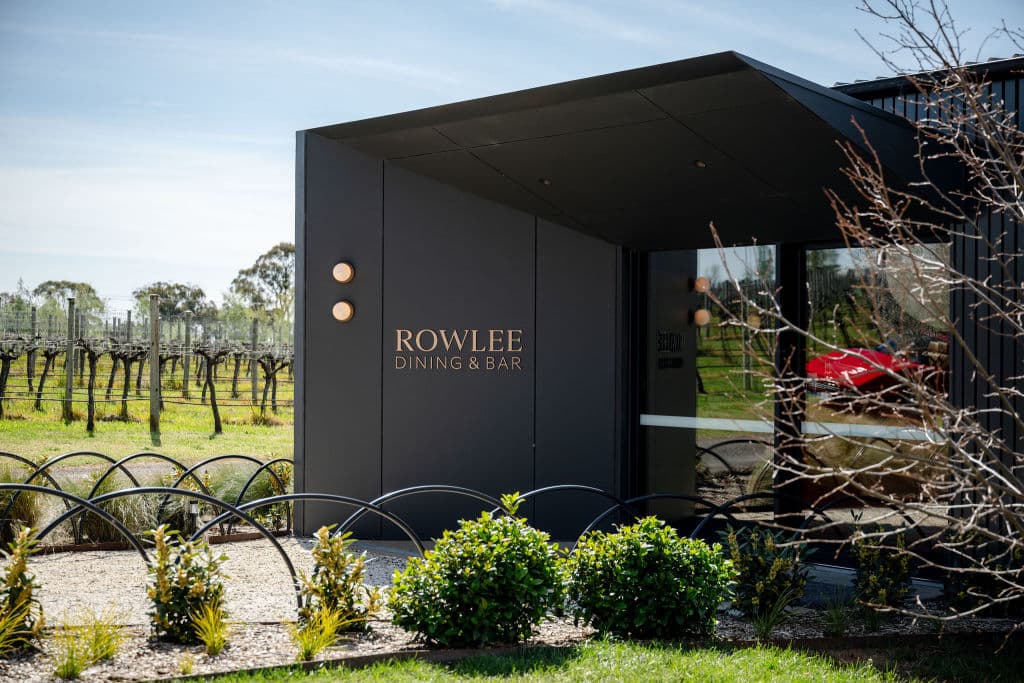
Rowlee and Stein are not alone, and represent industry-wide transformation.
Ultimate Winery Experiences Australia, established in partnership with Tourism Australia, is a curated collective of wineries around the country, developing, distributing and marketing premium experiences, from masterclasses to degustation meals, helicopter flights to lunch and guided tours.
Businesses must demonstrate exceptional wine, strong regional identity, immersive experiences, collaboration and sustainable practices to be considered for inclusion.
Ultimate Winery Experiences Australia executive officer Sarah Myers has seen a “significant shift” in how wineries position themselves. “A lot of them are far more than purely production-led businesses, and are fully fledged tourism operators,” she says.
A growing number of tourists want exclusive access and personalised itineraries. “We hear a lot of the luxury travel advisors who we work with say their clients want the ‘un-Googleable’ experience,” Myers explains.
Ultimately, being memorable drives the bottom line. “If you have a deeper experience, you build a deeper connection with the brand, and that can translate not only to higher spend on the day, but also ongoing purchases,” Myers says.