Concierges, gyms and cafes: Industrial amenities level up
Australia’s industrial property market is getting a facelift, with more factories, distribution centres and workshops being fitted with luxurious amenities similar to those in high-end office buildings.
Gyms, boardrooms, concierges and end-of-trip facilities like bathrooms are swiftly becoming part and parcel of the new industrial benchmark.
“I think it reflects how industrial work has changed and what the customers now need to attract and retain their workforce,” says Ellen Slaven, general manager, property services at Goodman.
“A lot of the uses inside the buildings have changed; they’re highly sophisticated.
“There’s a lot of e-commerce – there’s a lot of different infrastructure that sits in them that’s very high tech, and so that’s the type of workforce that a lot of our customers are trying to attract.”
The latest Property Council of Australia research shows the industrial sector is being reimagined as it moves away from isolated warehouses to integrated precincts.
The council’s report, The Social Benefits of Innovative Design in the Industrial & Logistics Sector, has found amenity trends emerging in the sectors of food and beverage, sports and fitness, mental wellness, retail and service, and arts and inclusive placemaking.
The increasing number of diverse facilities is a win-win for landlords, tenants and workers, the report finds.
“For property owners, these amenities could justify rental premiums and therefore drive value while creating vibrant, sustainable business environments,” it says.
“[Industrial and logistics] property owners and developers who proactively address this amenity requirement will gain competitive advantage. For occupiers, these enhancements help attract and retain skilled workers who might otherwise pursue opportunities with better amenity offerings.”
At Urban Acres in Mount Waverley, 18 kilometres south-east of Melbourne’s CBD, Gateway Capital is rebranding a former business park. The 20-hectare site will include 2.5 kilometres of walking paths, a childcare centre, two cafes and a gym, and there are plans for a brewery and hotel.
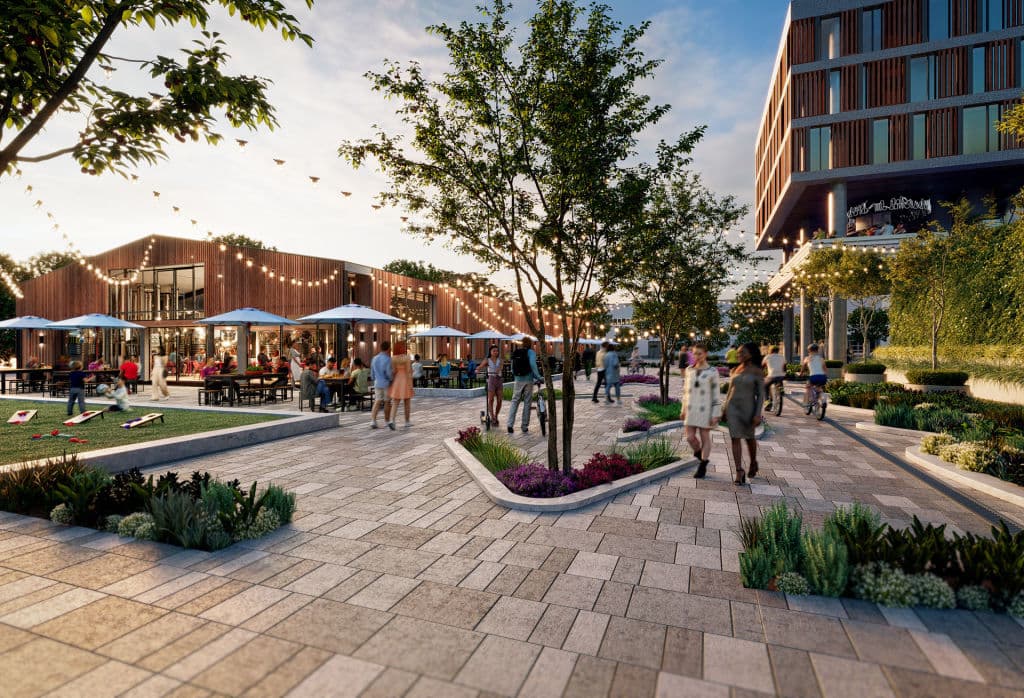
“It’s the pinnacle of what’s happening, without a doubt,” says Gareth Jackson, Cushman & Wakefield’s director brokerage logistics and industrial, Victoria south-east.
“They’ve taken an old asset and turned it into something unbelievable and new and innovative.”
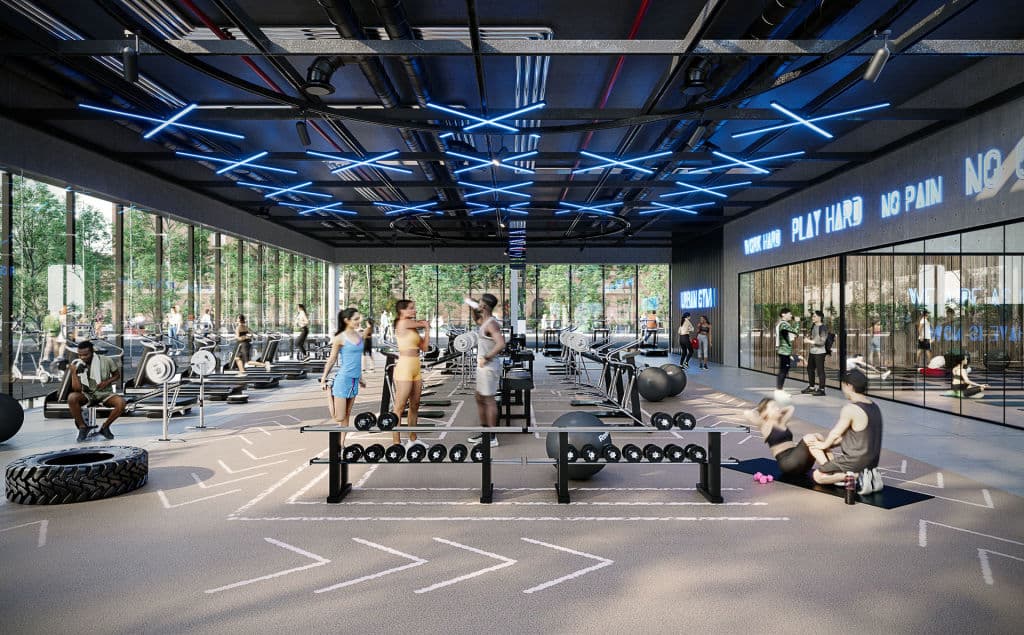
New-age amenities are now not only a must-have for new industrial projects, but also for retrofits of older buildings. They can be found in standalone centres as well as larger business parks.
At the Keys101, a vertical industrial building in Moorabbin, also in Melbourne’s south-east, tenants are treated to a boardroom and concierge service. At The Yards, a 77-hectare site in Kemps Creek in Sydney’s west, Frasers Property is hitting sustainability goals with the full electrification of the entire estate. It includes rooftop solar and EV charging bays as well as tree-lined streets and walking and bike paths.
However, despite the enticing offerings, the uptake of these buildings is not as fast as agents would like.
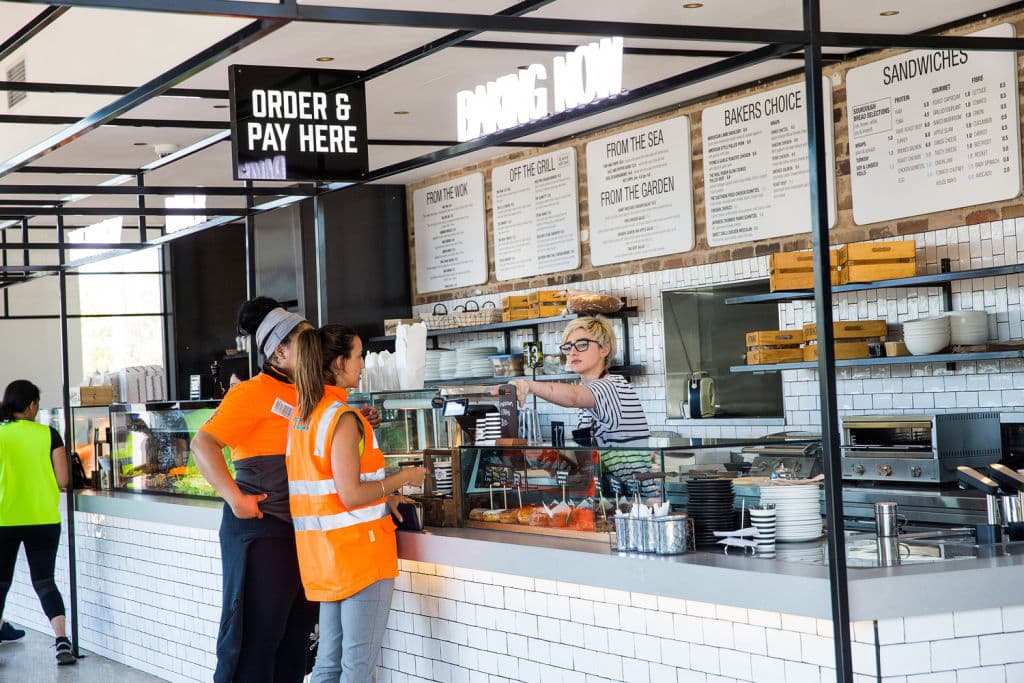
“I wouldn’t say that everything’s flying out the door, because it’s not, but we are getting there, and I guess it’s just more of an education thing where people are starting to see the value in it,” Jackson says.
According to JLL’s Q1 2026 industrial analysis, vacancy rates have stabilised after increasing in the last six months of 2025. The lowest vacancy rates are in Perth (2 per cent), followed by Adelaide (4.5 per cent), Melbourne (5.2 per cent), Brisbane (5.3 per cent) and Sydney (5.8 per cent).