The rise of mixed-use office precincts in Australian CBDs
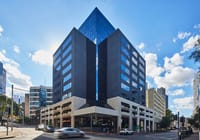
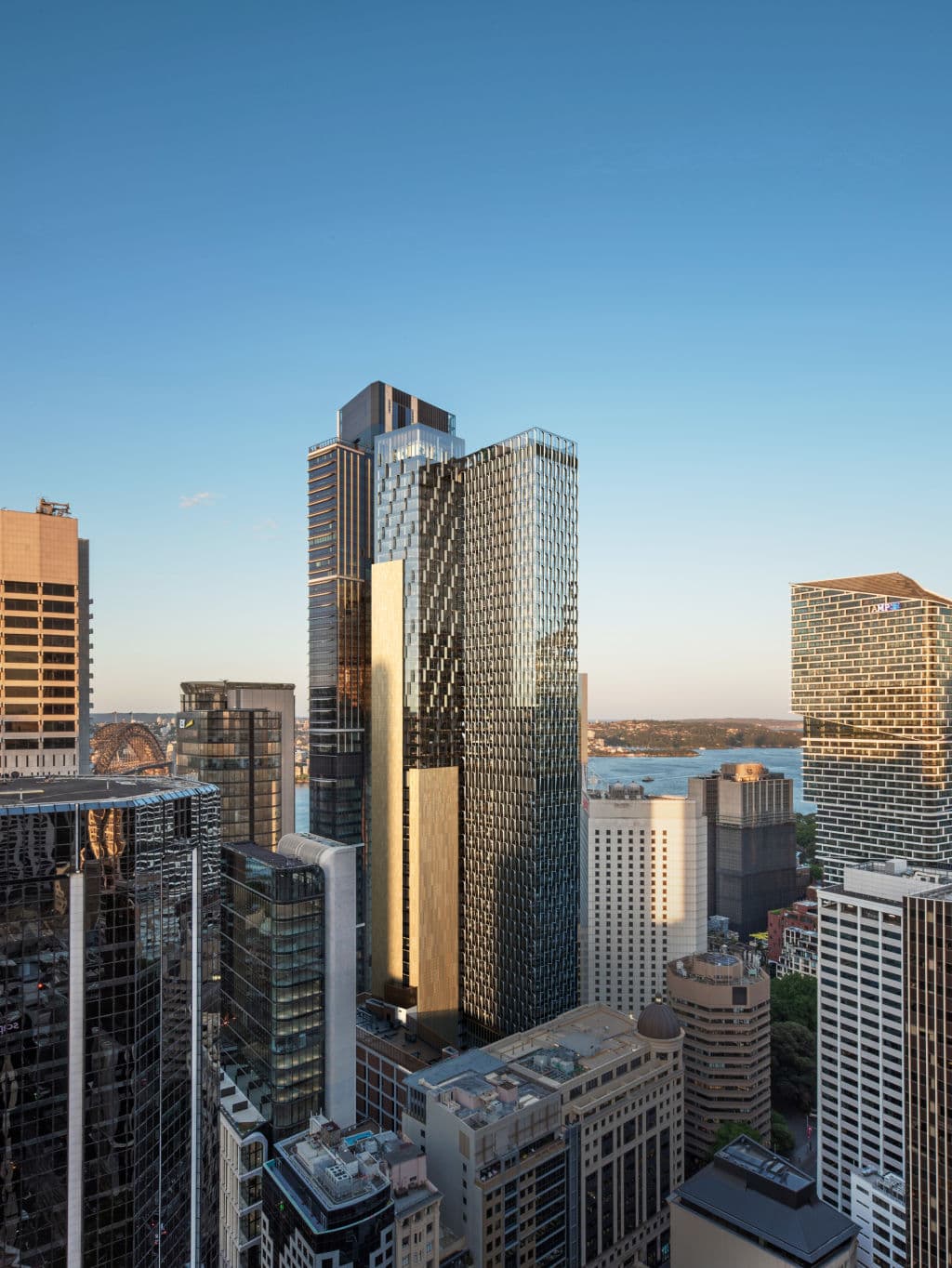
For workers at 55 Pitt Street in Sydney’s CBD, the average workday won’t just mean clocking on and off.
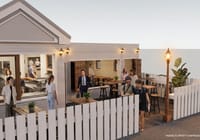
It could be bookended by an early-morning workout in the on-site studio and an after-work tipple at the rooftop bar, perched 55 floors high with views across the harbour.
The soon-to-be-completed development will have 1200 square metres of wellness space, a rooftop terrace and sky bar, and a mix of eateries and retailers on its ground floor.
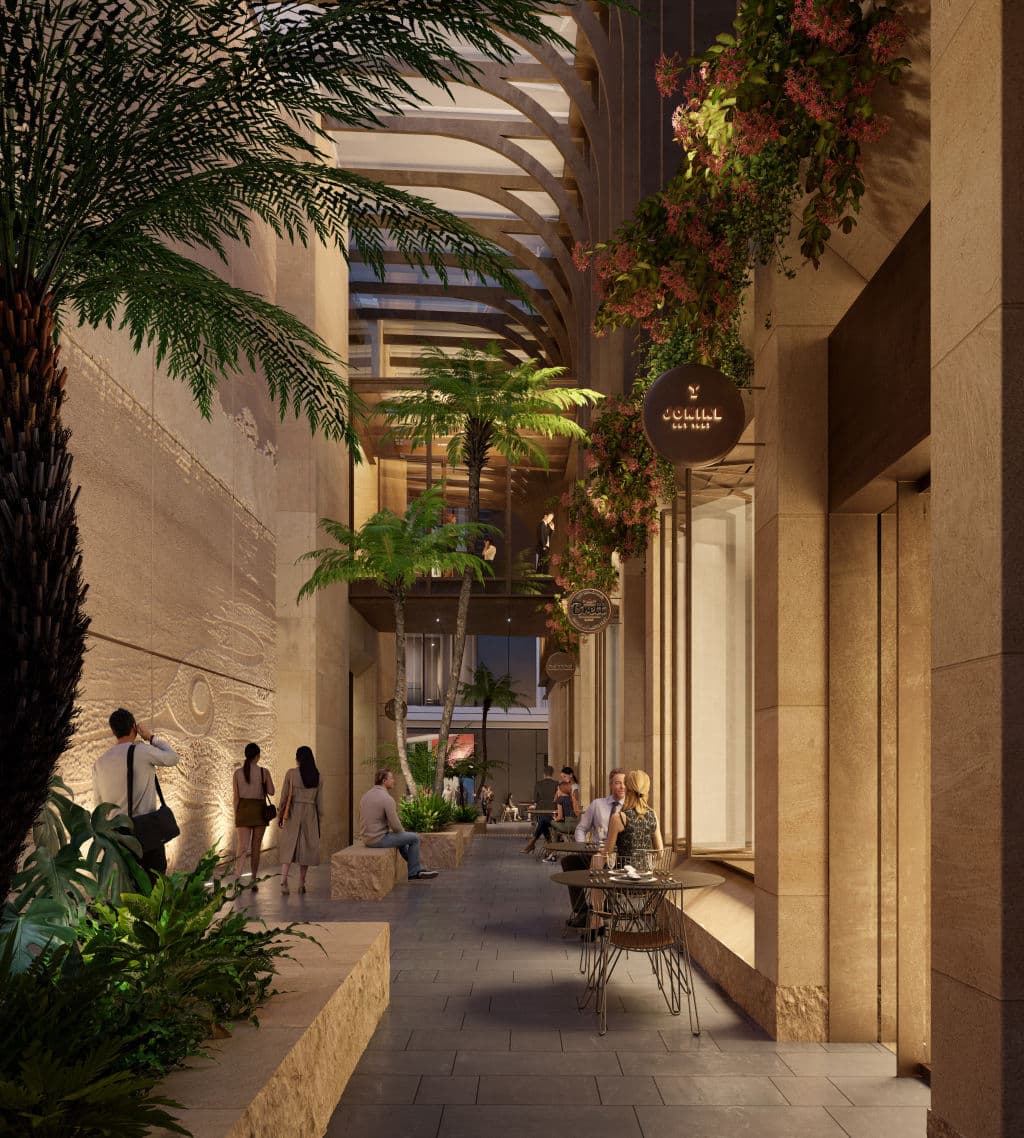
It’s a prime example of a growing wave of modern workplaces that aren’t just standalone offices but mixed-use precincts blending office space with retail, hospitality, wellness, and services such as childcare and medical services.
“There has been a fundamental reset in what both occupiers and investors expect from workplace assets – it is no longer enough to deliver a high-quality office building in isolation,” says Richard Seddon, chief executive of investments at Mirvac, which is behind the new build.
“Tenants are more deliberate about their location, prioritising environments that support productivity, wellbeing and connection – and that provides a compelling reason for people to come together in person.”
Seddon says the diversified appeal of a mixed-use office precinct is also proving popular among investors.
“Capital is moving in the same direction,” he says. “Investors are increasingly favouring mixed-use, precinct-scale developments because they offer more diversified and resilient income streams, stronger activation and greater long-term relevance in a changing office market.”
Shifting occupier mandates trigger a flight to premium amenity
The trend is being fuelled by a broader desire for premium amenities and experiences amid the return-to-office push, as well as a flight to quality from tenants seeking A-grade buildings.
Michael Greene, head of tenant representation at JLL, says occupiers are seeking offices that replicate many of the conveniences of their local neighbourhood – like food and retail, childcare, green space and wellness.
“People today need to earn the commute,” he says. “There’s a lot of comfort working at home because you’ve got a local neighbourhood and access to everything you need in close proximity. People want the same thing when they go into the office.”
He adds that many occupiers now assess the broader precinct rather than the office building alone.
“When we’ve done major work with big corporations, we have a very complex weighting and rating spreadsheet, which takes into account local precinct amenity, safety and security concerns, access to transport and a range of other factors,” he says.
According to James Montague, JLL’s head of office leasing, wellness is the biggest priority for many occupiers right now.
“We’ve started to see things like swimming pools, hot and cold baths, saunas, infrared saunas and treatment rooms becoming key points of differentiation for office buildings,” he says.
“The evolution of an office building means it’s not enough anymore just to have a good location and a quality office fitout. Occupiers are increasingly looking at the entire ecosystem around the workplace.”
While many of these amenities have the potential to generate additional income when run by third parties, Greene says some landlords are funding these initiatives themselves.
“I don’t think they’re doing it to make money,” he says. “They’re doing it to make sure they keep their existing tenants happy, and they attract new tenants.”
Ecosystem curation replaces traditional commercial design models
Ingrid Bakker is principal and co-leader of the commercial and workplace sector at international design firm Hassell, which has worked on a number of mixed-use office precincts. One is 205 North Quay in Brisbane, where public terraces, green space and wellness amenities sit alongside traditional offices.
She attributes the shift to the need for “friction-free living.”
“[Workers] want their professional life, daily amenities, social connections – everything – within a short radius of where they are,” she says, adding that the key to a successful mixed-use office precinct is curation.
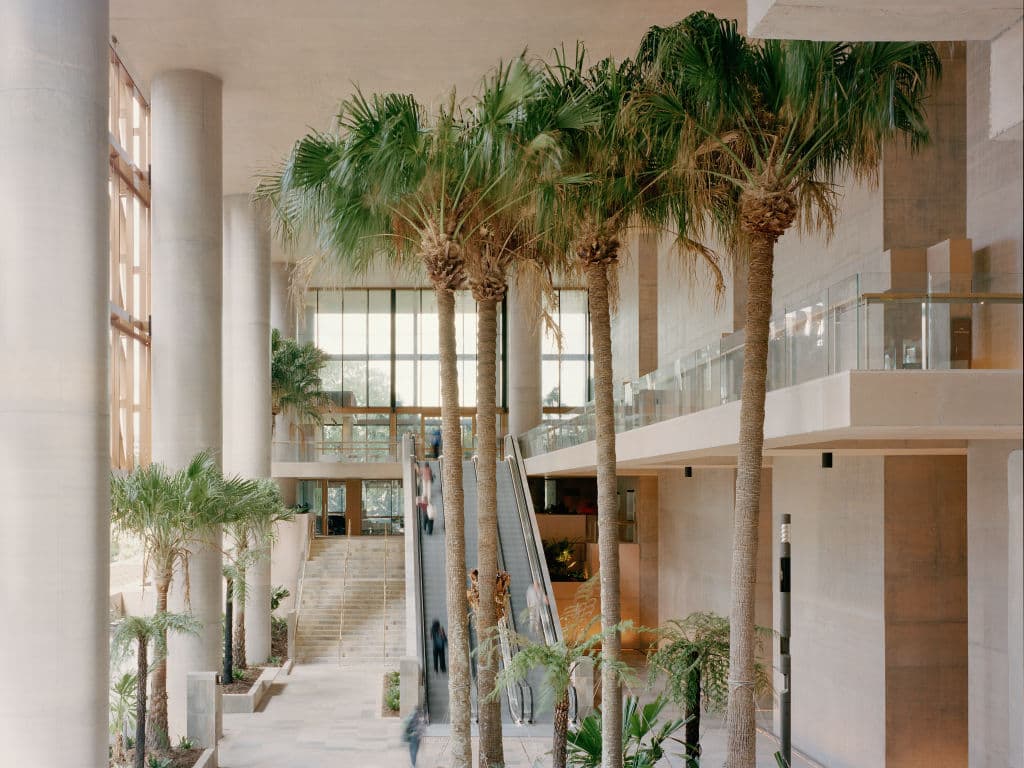
“A collection of buildings is just real estate; a successful precinct is more like an ecosystem,” she says.
“It’s about how the human experience is curated across that 18 to 24-hour cycle rather than just the traditional nine-to-five window – making sure that any food and beverage outlets can cope with the morning coffee, but they also might transform into a bar or into a nighttime venue as well.”
Bakker adds that shared public spaces like laneways, public squares and green spaces also play a role in a precinct’s success.
Sustainability and adaptive reuse define the next development frontier
Looking ahead, the competition to offer premium amenities shows little sign of slowing.
Bakker says wellness will continue to evolve, and that new developments will keep pushing beyond traditional office spaces.
“They can’t just build the traditional glass box with a coffee shop underneath it anymore – they’re all looking at different ways of differentiating their product,” she says, adding that she expects future workplaces to place even greater emphasis on wellness, along with outdoor space, climate resilience and adaptive reuse.
Montague says the push for premium amenities has now locked landlords into a battle for differentiation.
“It’s an arms race that doesn’t seem to ever have an end,” he says.
Seddon emphasises the growing importance of a mixed-use precinct for both workers themselves and the general public.
“[Mixed-use precincts] create destinations that are active throughout the day and into the evening, supporting local businesses, encouraging visitation and contributing to the overall vibrancy and liveability of surrounding neighbourhoods,” he says.
“The quality of the public realm … is no longer peripheral to value creation; it is central to it.”