Office vacancy rates lift in last hurrah
Australia’s office vacancy rose in the six months to January 2026, but it’s the market’s final hurrah before tight supply conditions kick in.
Official figures from the Property Council of Australia show national vacancy eased slightly from 15.2 per cent to 15.9 per cent.
Drilling down into more detail, CBD vacancy lifted from 14.3 per cent to 14.8 per cent, while vacancy in markets outside the CBD increased more sharply – up from 17.3 per cent to 18.5 per cent.
A series of new office developments has boosted vacancy figures, which are soon expected to fall as a lack of supply hits the market and takes hold for the next three to five years.
According to current Property Council forecasts, CBD completions are expected to average 100,000 to 120,000 square metres every six months, compared with an average of around 240,000 square metres.
“What we’re seeing nationally is a supply-led increase in vacancy from projects that started three years ago and are largely pre-committed,” said Mike Zorbas, Property Council chief executive.
“The end phase of this cycle’s new completions has lifted vacancy across our major markets, while the appetite for high-quality office space continues to improve.
“This is now the fourth consecutive six-month period of positive demand based on the recovery of interest in prime office space.”
Tenant take-up is concentrated in prime-grade buildings in convenient locations that offer better amenities than older, cheaper-to-rent secondary buildings. This reflects the flight to quality that has been dominating the office market since the COVID pandemic.
“New completions are attracting tenants, and the data shows that where high-quality space comes online, we consistently see stronger leasing follow,” said Zorbas.
“The flight to quality persists – in the Sydney CBD, demand was concentrated entirely in premium and A-grade space, with all secondary grades recording negative demand.
“Tenants are making deliberate choices – they’re backing quality, location and performance and this is where we’re seeing demand show up first.”
Sydney
Office vacancy rates moved upwards by a whisker, from 13.7 per cent to 13.8 per cent.
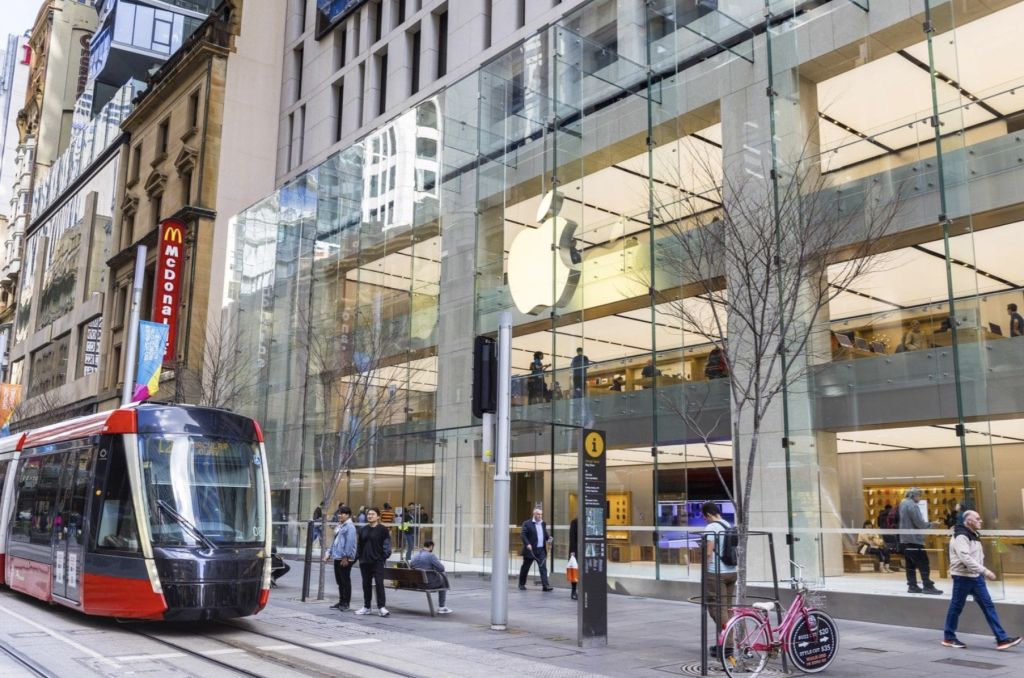
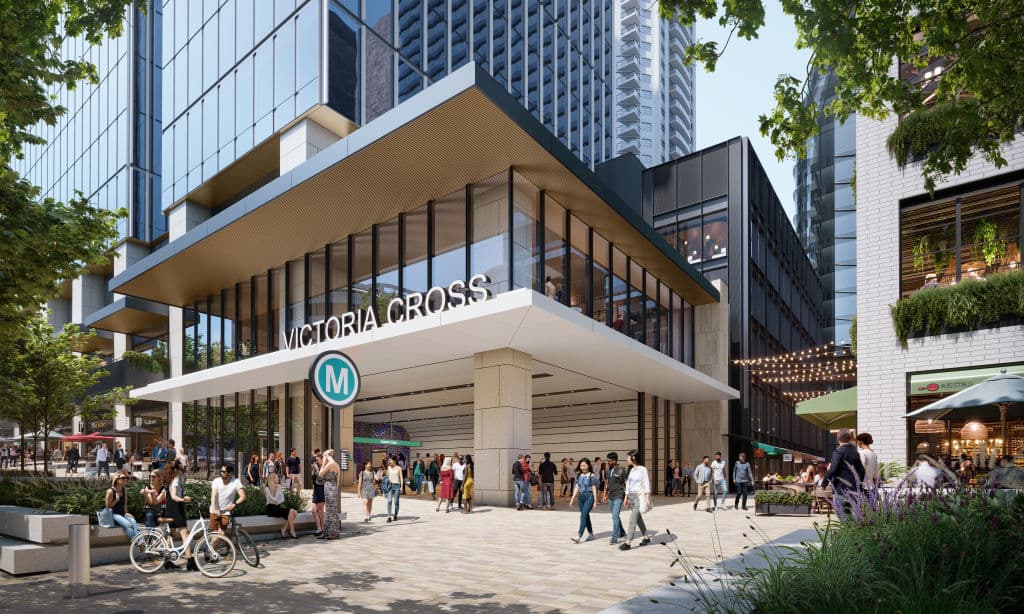
Sydney’s market was lifted by the completion of the Metro public transport project, which attracted tenants from outside the CBD, said Al Dunlop, Knight Frank head of office leasing, NSW.
“A trend that continues to play out and benefit the Sydney CBD is the centralisation of enquiry,” Dunlop said.
“Last calendar year, 104 of 368 of all enquiries for Sydney CBD were from non-CBD markets, with a number of these resulting in CBD deals. Occupiers continue to demand the best available amenities and transport options.
“With 2025 being the year of the Metro delivery, this key piece of infrastructure impacted a lot of occupier decisions.”
The coming drought of new developments will tighten vacancy rates and push up rents into 2026. Dunlop expects prime net face rents to grow by 5.5 per cent.
Melbourne
Melbourne’s office vacancy rose from 17.9 per cent to 19.0 per cent. This figure is expected to tumble soon.
Eager tenants have already lined up their new digs, with more than a third of the future supply in Melbourne already committed.
Strong demand is set to define the year ahead, with several major leasing transactions in the pipeline, said Ben Ward, Cushman & Wakefield’s national director and managing director of office leasing for Victoria.
“Occupiers know these favourable conditions won’t last forever and we expect a number of major organisations including Ausnet, HostPlus, Marsh and Transurban to make decisions on their accommodation in the first half of 2026,” Ward said.
Brisbane
Brisbane also recorded a rise from 10.7 per cent to 11.8 per cent.
Tighter supply conditions are already kicking in, along with rising fitout costs, which are driving more tenants to secondary buildings.
The flurry of infrastructure activity ahead of the 2032 Olympics is still to make its mark on Brisbane’s office market, said Mark McCann, Knight Frank head of office leasing for Queensland.
“The market has been waiting for some time to see what impact the Brisbane 2032 Olympics will have on the office market,” McCann said.
“We are just starting to see major tenders being awarded for the delivery of major infrastructure projects for the Games and the expectations are that as more tenders are released, demand for office space in the Brisbane CBD will increase.”
Across other capitals, Hobart’s vacancy figures increased from 3.6 per cent to 5.2 per cent, Adelaide lifted from 15.0 to 15.5 per cent, and Darwin rose from 11.9 per cent to 14.7 per cent.
Canberra and Perth were the only markets to experience falling vacancy rates, albeit incrementally. Canberra dipped from 10.7 per cent to 10.2 per cent, while Perth fell from 17.0 per cent to 16.9 per cent.