When old is new again: Unloved heritage buildings are finding a second life as luxury hotels
Old, historic buildings make for brilliant new luxury hotels – if recent history is anything to go by. You need only look at the spate of recently opened hotels giving heritage landmarks a new lease of life in central Melbourne.
Behind heritage facades in the heart of the CBD, two new InterContinental-branded hotels opened their doors late last year: the upmarket Hotel Indigo and family-friendly Holiday Inn.
The Melbourne Walk development, incorporating the two side-by-side hotels and a multilevel retail and dining precinct, occupies a city block that was once eight separate buildings, including a jeweller and a shoe shop.
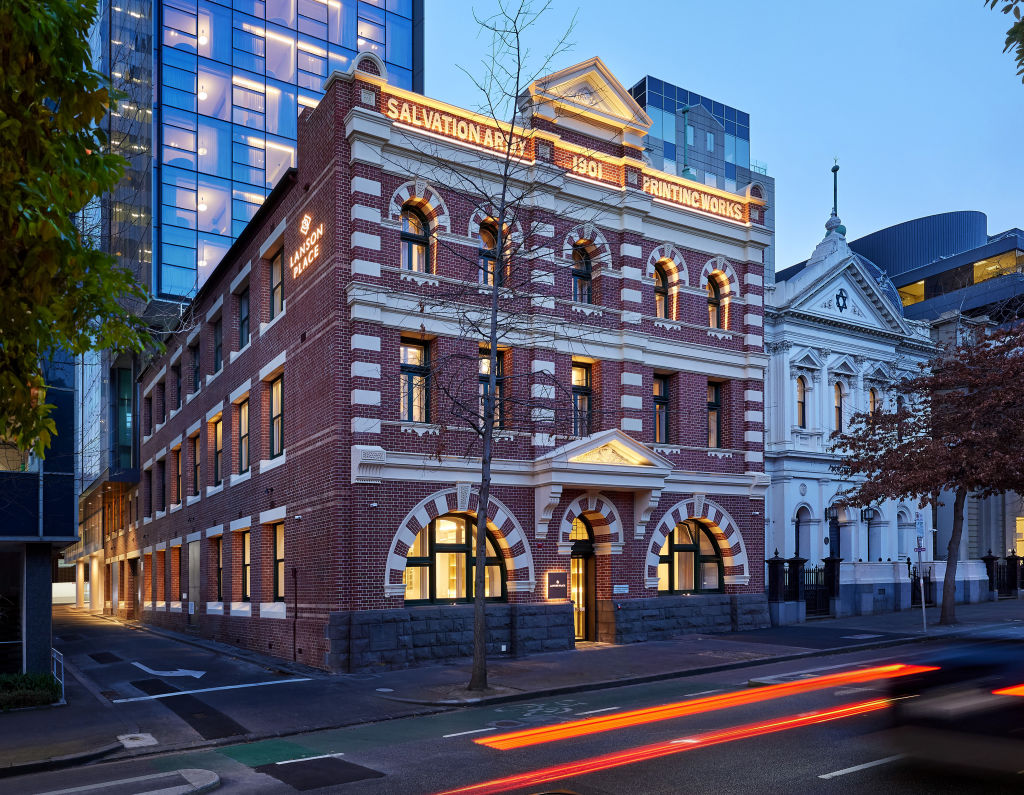
At the top end of town, the five-star boutique accommodation Lanson Place Parliament Gardens revitalised a one-time 1901 Salvation Army Printing Works, which sits at the front and centre of the $80 million site redevelopment.
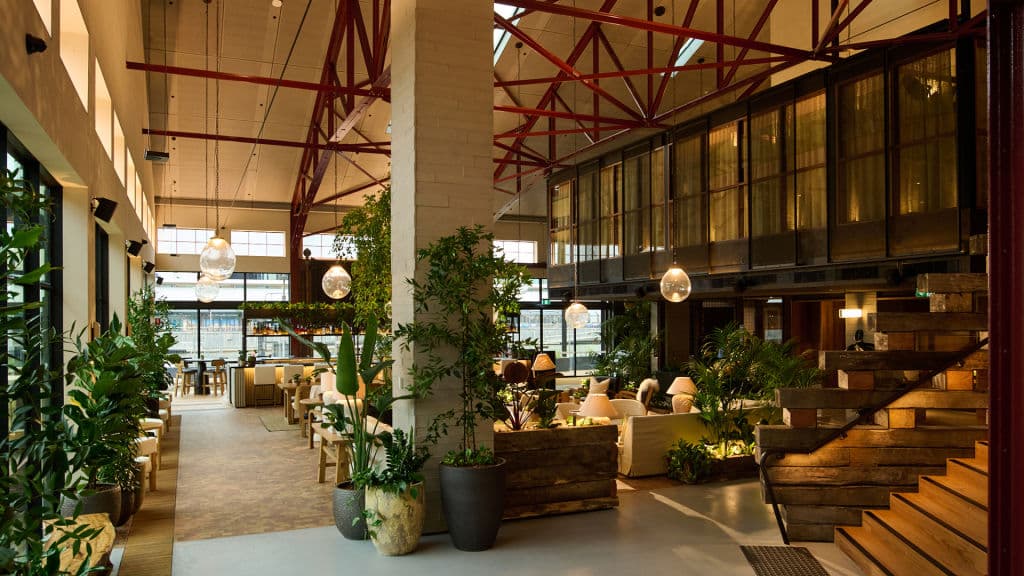
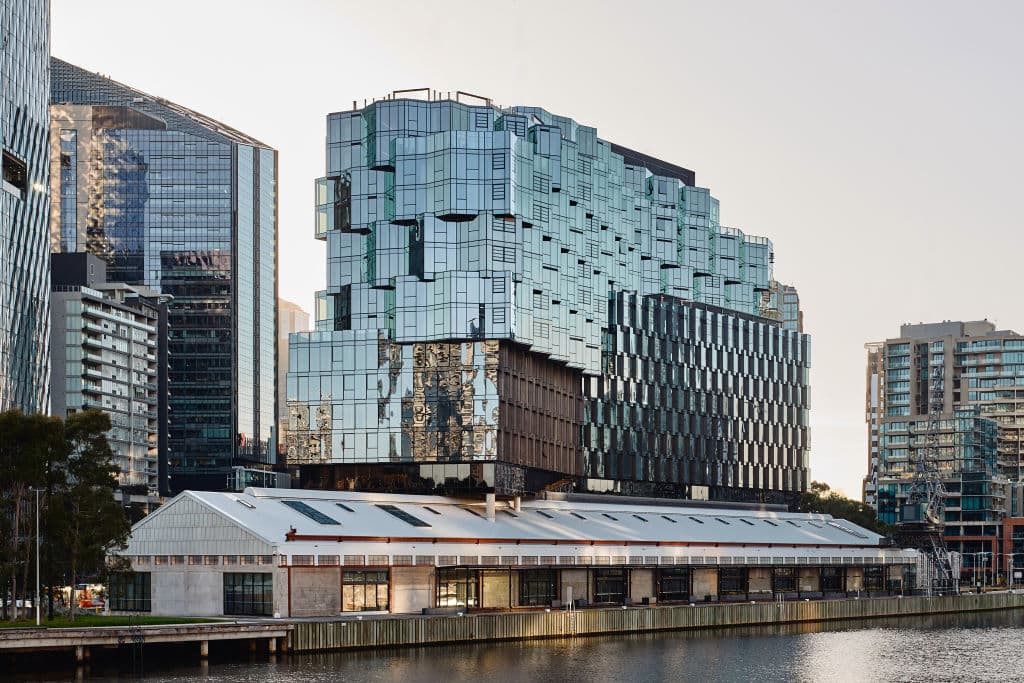
And in Docklands, at the polar-opposite end of the city, 1 Hotel – part of the $600-million Seafarers hotel-and-apartment development on the Yarra River – has been built atop a heritage-listed goods shed.
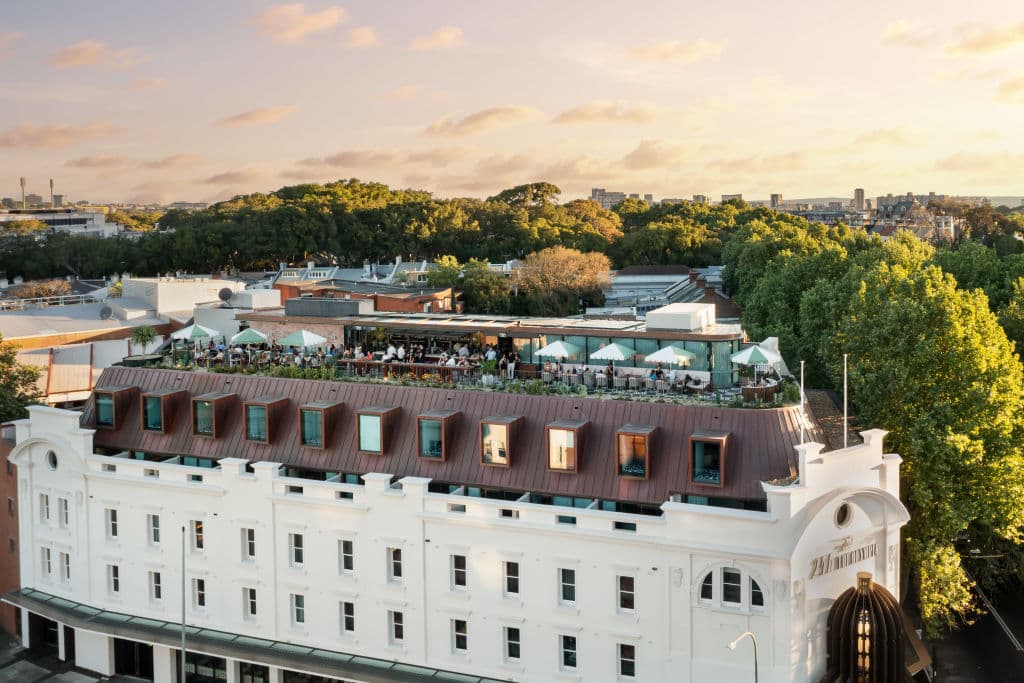
It’s not just Melbourne, either. In Sydney, the 25Hours Hotel Sydney The Olympia, which opened last year, was originally a theatre hall, and five-star Capella opened in 2023 in a former Department of Education building, while Adelaide’s Marriott launched in the GPO in 2024.
“It’s exciting to see old building stock being used appropriately rather than knocked down,” says Hayden Djakic, senior associate for Buchan Melbourne, the design studio behind Melbourne Walk.
For developers, there’s clear potential to save on capital costs by fitting out existing structures rather than building from scratch. It also coincides with a larger sustainability push that’s seen increased renewal and adaptive reuse of existing architecture.
“We’re doing more of it … and you’ll see developers and planners increasingly deciding to retain buildings for sustainable outcomes,” says Nicky Drobis, design head at FK Australia, the firm behind the Seafarers 1 Hotel & Homes project.
“When you have those beautiful remnants from past decades, it adds richness to the experience of urban living.”
It allows visitors to appreciate the charm of old-world architecture, not experienced every day. “There’s a beauty and level of romanticism you get staying in these old buildings,” Djakic says.
With rejuvenation, though, come facelifts, unsuited layouts reimagined for modern hotels, gutted interiors rebuilt and additions made.
There are numerous design hurdles to integrating modern systems, such as electrics and plumbing, into the historical fabric, as well as various stakeholders – such as heritage architects, urban planners and heritage protection – to navigate.
Melbourne Walk, for example, took three years from the initial discussions to the start of construction. It’s largely a new build behind heritage facades, after existing structures were found to be riddled with asbestos and concrete spalling.
For the decade-long Seafarers development, a sparkling 18-storey faceted mirror glass extension was thoughtfully mounted above the shed. Lanson Place added a 14-floor, frameless, dark-glass tower, set back from the three-storey Victorian-era red brick.
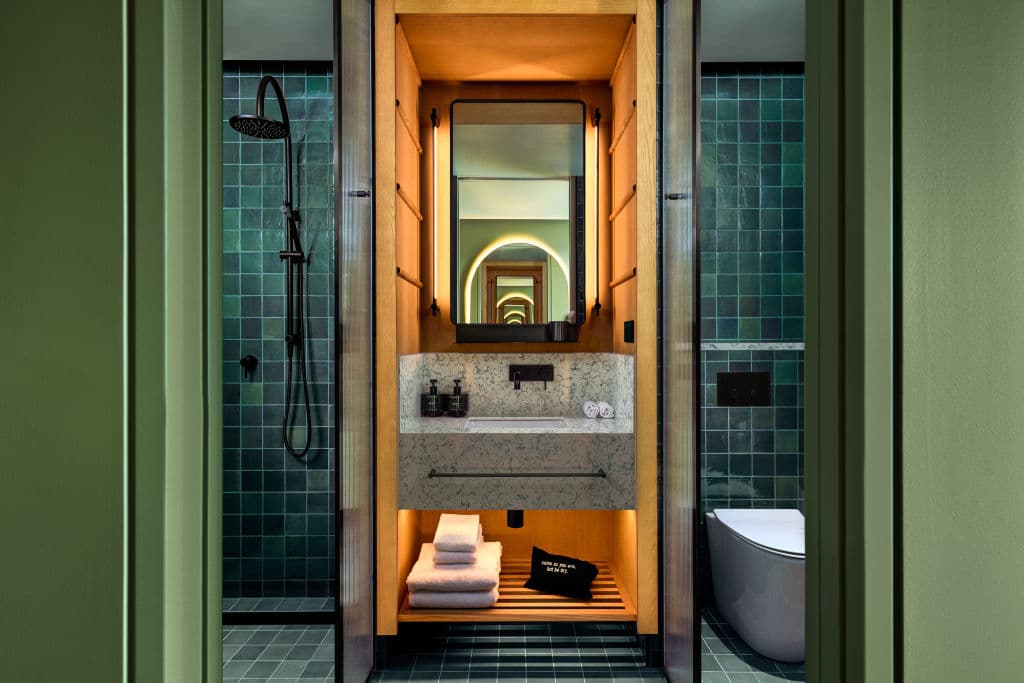
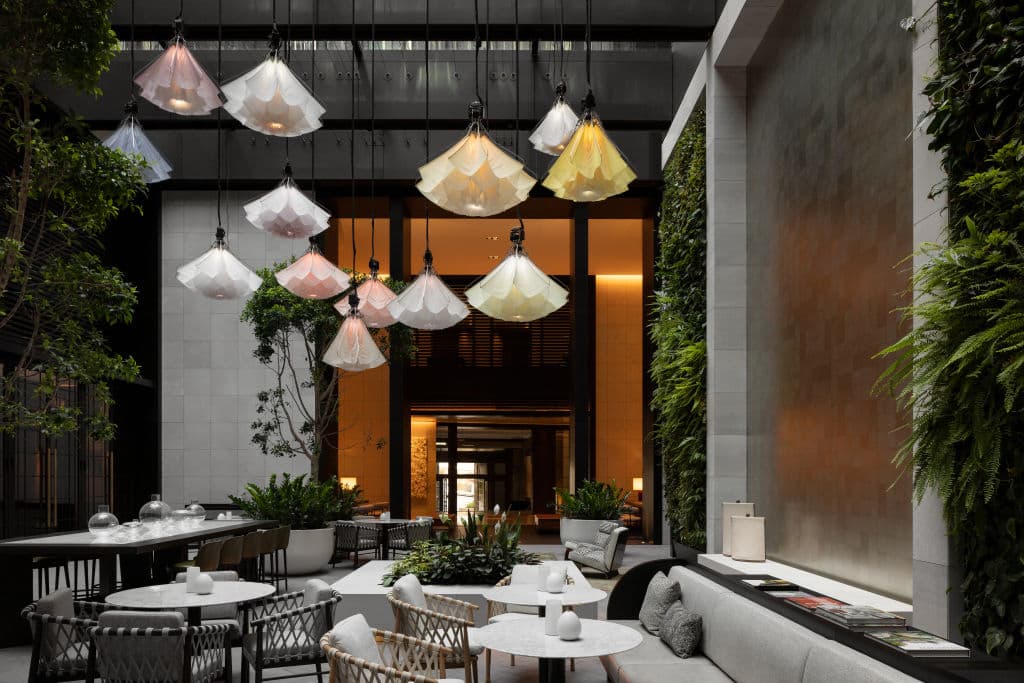
Wander through these hotels, and you’ll notice everything is spankingly modern, kitted out with the comforts and latest mod cons expected of luxury hotels.
“With the original interiors lost, it made sense to introduce something contemporary rather than mimic the heritage,” explains Kei Kitayama, director of Denton Corker Marshall, the architectural/urban design outfit that worked on Lanson Place with London-based interior designers Conran and Partners.
Even so, heritage is a winner. Hotels know it gives their brand’s value a massive uptick. “Guests love it,” says Lanson Place general manager Marcus Packham.
Where possible, it’s not only preserved, it’s celebrated. Hotel Indigo introduced a Melbourne Walk blade sign, recalling the one that once hung from the facade of jewellers Dunklings. Djakic explains that lighting, soft furnishings and colour schemes were “textural responses” in rooms and corridors that paid tribute to years past.
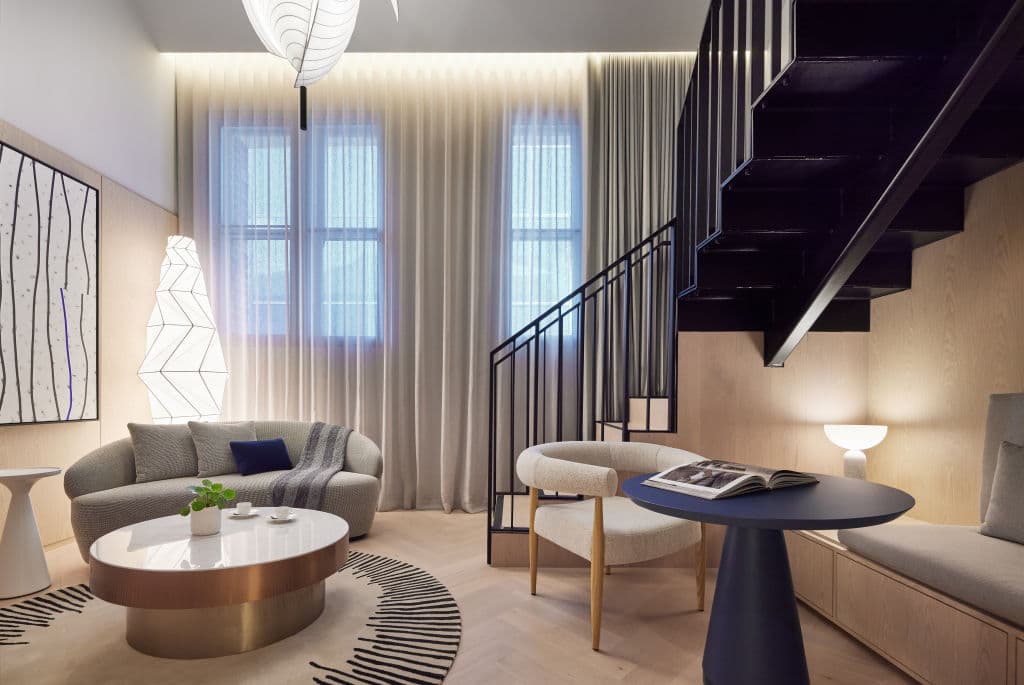
Lanson Place created heritage apartments, including a New York-style loft, in the original building. “Heritage was the hero,” Kitayama says. “It’s a chance to keep it alive, pass on the city’s culture.”
With 1 Hotel, 2000 pieces were salvaged, including steel trusses, clerestory glazing, timber purlins, steel doors and an outdoor goods crane. FK, working with One Design Office and Carr on the interiors, also used reclaimed timbers, including blackbutt offcuts for the Crane Bar’s block flooring.
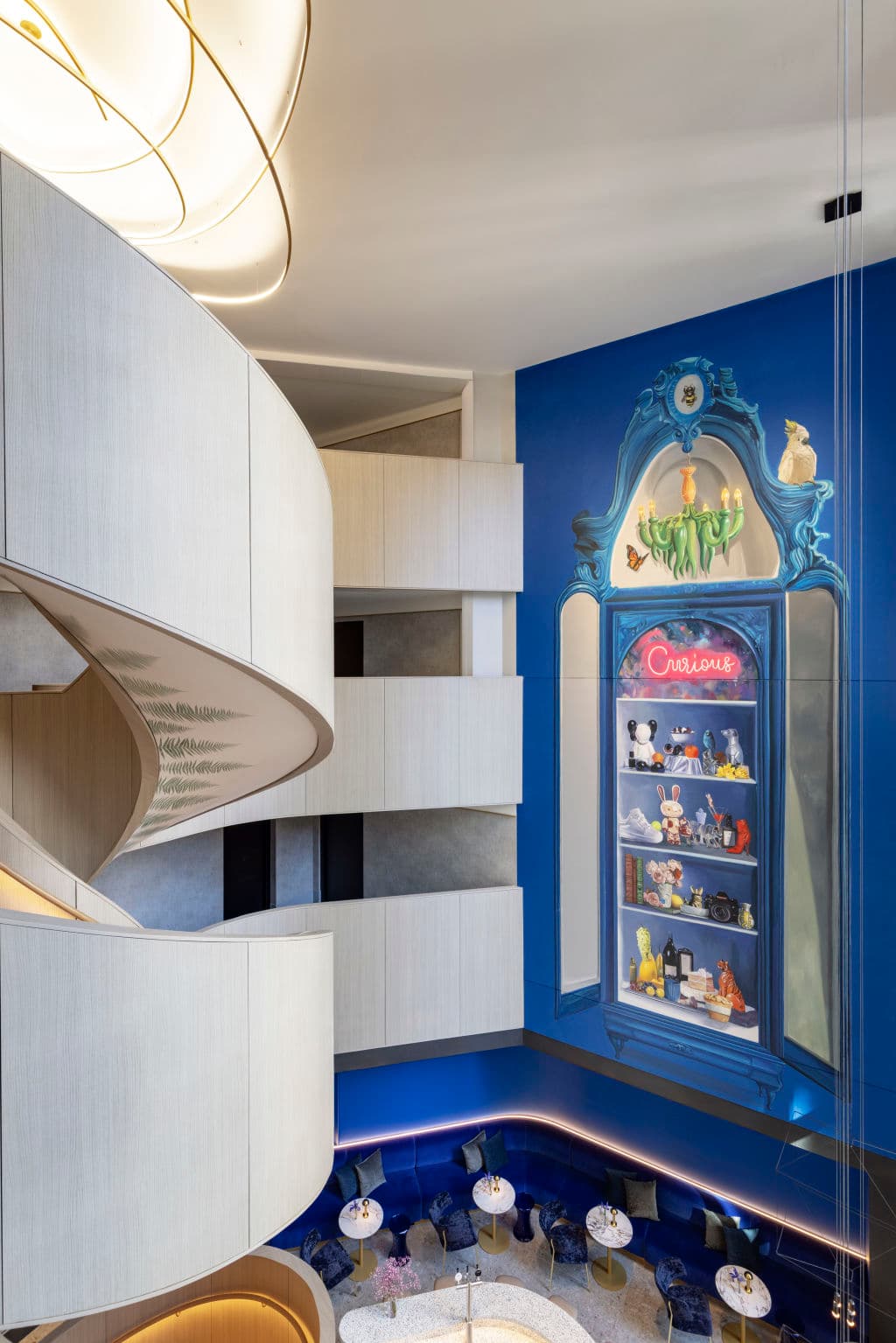
Designers also crafted narratives honouring the history. In Hotel Indigo, monkey lamps, a “diamond” light in a grid-patterned wall (representing city streets and laneways) and a three-storey “cabinet of curiosities” mural reference things or people linked to the site’s or city’s past.
“Every component and wayfinding element has a story attached to it,” Djakic says.
Lanson Place features an art installation of paper sheets gliding across the lobby ceiling and hospitality spaces, celebrating its printing-press days.
1 Hotel, too, uses a mix of art, design and storytelling to celebrate time and place. Hand-blown glass eels reference eel migration in the Yarra, while information stations along the outdoor terrace remember crews working the ships that docked here.
“We’ve turned a disused and unloved part of the city into a vibrant community hub,” Drobis says. “It means a lot to a city … and attracts more people to it.”