The only way is up for Sydney and Melbourne industrial
Land scarcity in the inner and middle-ring suburbs of Sydney and Melbourne is set to give rise to more vertical industrial buildings.
Until recently, high-rise industrial developments have been somewhat of a rarity in Australia, but numbers are quietly creeping up as the e-commerce and logistics industries continue to boom and land availability worsens.
Sydney is leading the charge, with notable examples including Charter Hall’s Ascent on Bourke, MADE Marrickville by Toga and Goodman’s Axis Alexandria.
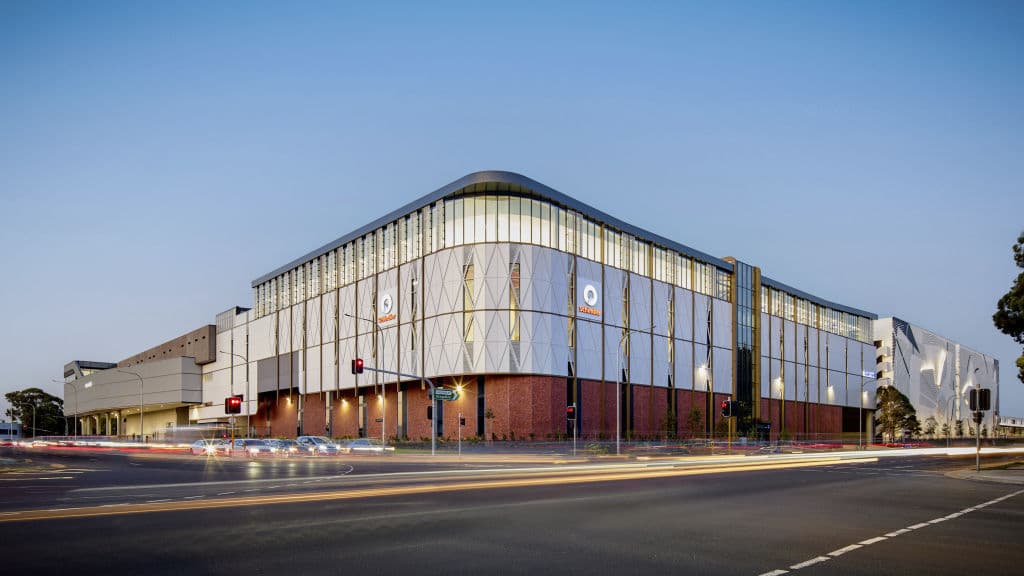
In Melbourne, Moorabbin’s four-level KEYS101 is currently under construction and is expected to become the city’s tallest multilevel strata industrial building. Spaces of between 69 and 349 square metres are priced from about $450,000.
“Going vertical is no longer optional; it’s the future,” says Paul Huggins of Momentum Global Development and Construction.
“This is Victoria’s first four-level industrial hub where small to medium-sized business owners actually get a seat at the table.
“We aren’t just building a warehouse; we are verticalising the strata market.”
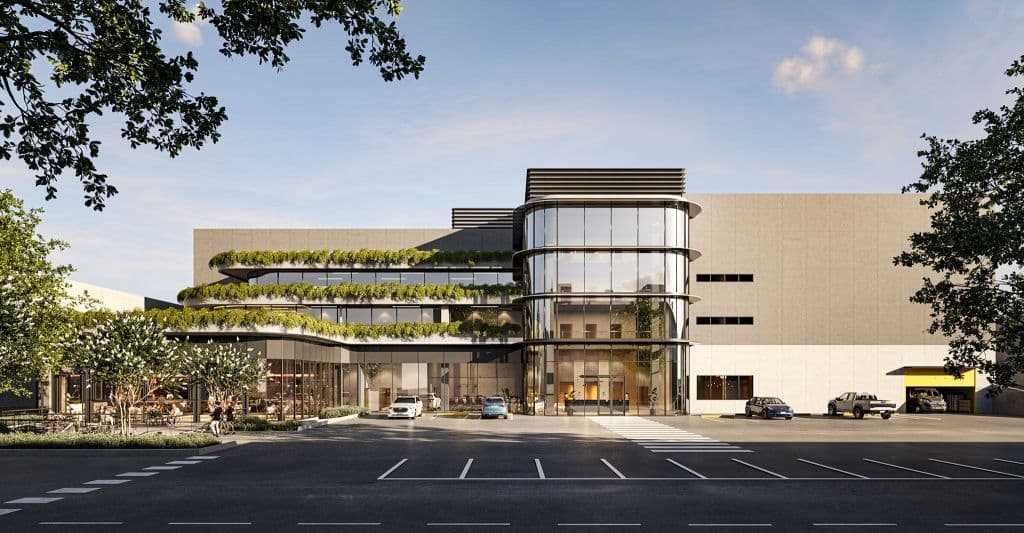
Multistorey industrial buildings are a departure from the sprawling industrial precincts in outer suburbs. Land in those areas is more available and cheaper, so while rent costs are more favourable, location is often a disadvantage.
Vertical builds cost more than their traditional counterparts because they require more technical engineering to accommodate what are essentially stacked warehouses.
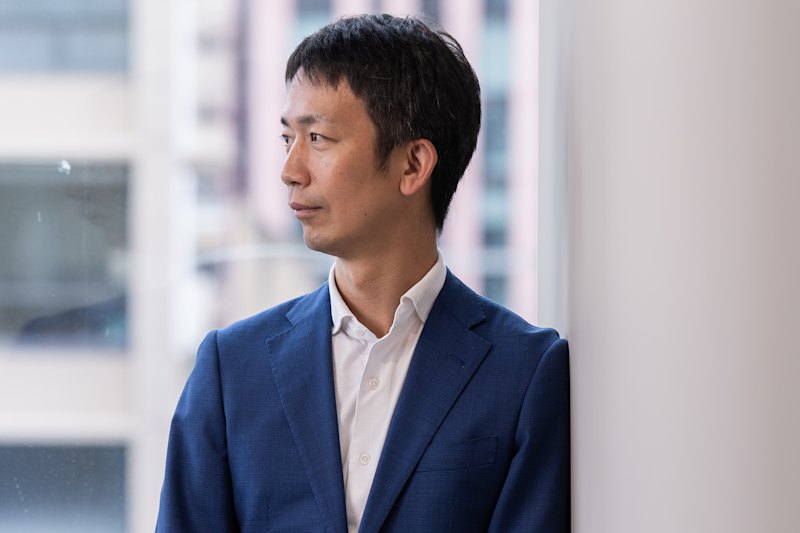
“It’s more expensive to rent in vertical industrial just because of the cost of the build,” says Atlas Economics director Esther Cheong.
“When you’re talking about two and three stories, you’re needing a big floor plate, a big footprint for your trucks to get upstairs and you’re needing a lot of circulation space; you’re needing huge ramps.
“Obviously, if it’s B-doubles [high-capacity freight trucks], you’re needing huge ramps and huge circulation space to enable those guys to get up.
“And if very heavy vehicles like B-doubles are getting up the top, the reinforcement and the scale of the concrete that’s needed to take all that weight [is] expensive.”
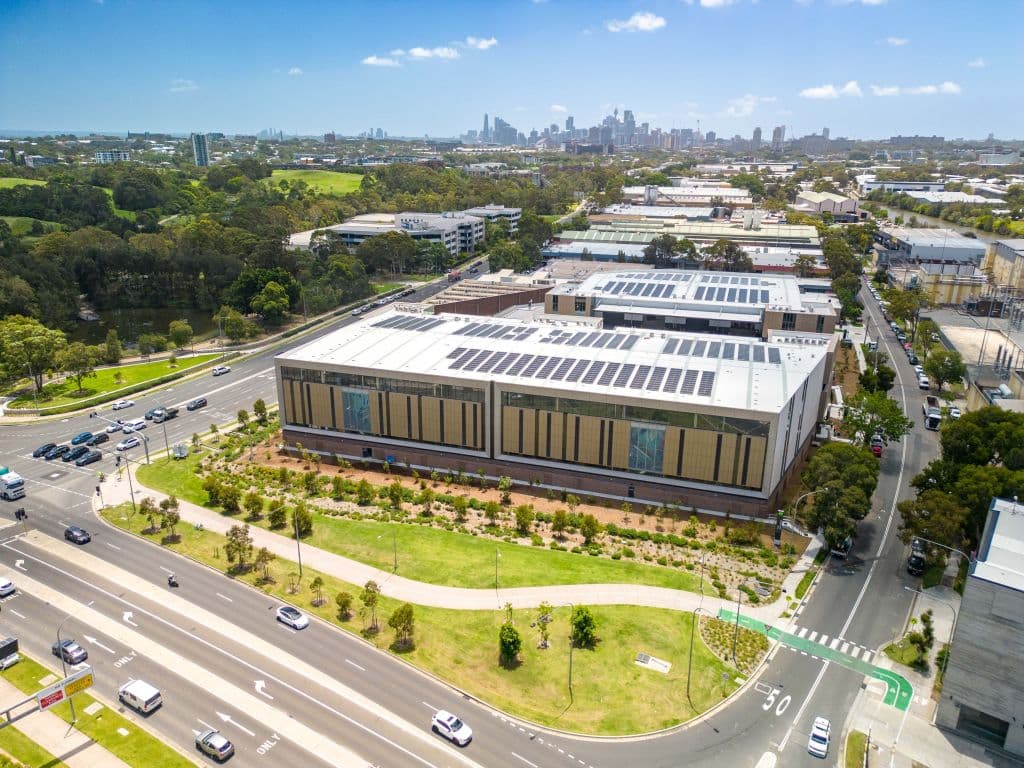
Location is the primary reason tenants pay higher rents to set up in vertical industrial buildings, which are often located near a CBD or major transport links such as freeways, airports and ports.
“As a business occupier, it only makes sense to pay more in rent for space in a vertical warehouse if you are location sensitive,” Cheong says.
“So you need to be right in the middle of Sydney, for example, or you need to be close to certain population hubs, whereas if you’re far away, that’s going to impact your business model.
“Also, if you’re a business that needs to be close to population centres, or if you’re a business where logistics are very time-sensitive.
“So, for example, you might have cold storage or cold requirements that have got to be from where they’re going within an hour, say.
“You might also have very frequent deliveries or logistics requirements that need you to be in and out very quickly, and time is not your friend.”
The Property Council of Australia has lobbied state and federal governments for the release of new industrial land as the sector increasingly struggles for warehousing space.
Cath Evans, Victorian executive director of the council, says vertical building is one solution to the shortage, but not a silver bullet.
“Vertical warehousing is a potential innovation in response to the growing challenge of land constraints in our cities,” she says.
“But like all development, projects only proceed if they stack up, and the finances of vertical warehousing projects are challenging to overcome.
“The property sector is exploring new ways to deliver industrial products in different formats and locations, including vertical models, but this innovation must be supported by the right policy settings.
“If we want to remain competitive and support a modern, efficient economy, we need tax and regulatory settings that encourage innovation, not hold it back.”