Why service-based businesses are booming
On an average weekday afternoon, parents might be visiting their local shopping strip for last-minute groceries, after-school snacks, a few quick errands and perhaps a stop at a specialist service provider, like a Kumon learning centre.
“Retail and strip locations allow Kumon to fit naturally into families’ established routines, without requiring a special trip,” says Kumon spokesperson Esther Granger.
The company is far from alone in its approach. Traditional retailers were once the most dominant presence in neighbourhood commercial precincts, but service-based operators like Kumon are experiencing significant growth and becoming increasingly prominent across retail environments.
The category encompasses everything from fitness and wellness to beauty, allied health and education.
The shift is largely due to changing consumer behaviour across the retail landscape and the drive for post-pandemic connection, says Sheree Griff, CBRE’s head of retail and place advisory, property management, Pacific.
“There’s an increased demand for service-based tenants, and this is all post-COVID,” she says. “There’s been this real trajectory of the need for human engagement and human connection, and people are seeking out that experience.”
On the ground, Ray White Commercial Sydney North director Scott Stephens has recently leased spaces previously occupied by traditional retailers to a number of service tenants.
“We recently leased a little manicurist shop into a space that was previously a butcher shop,” he says.
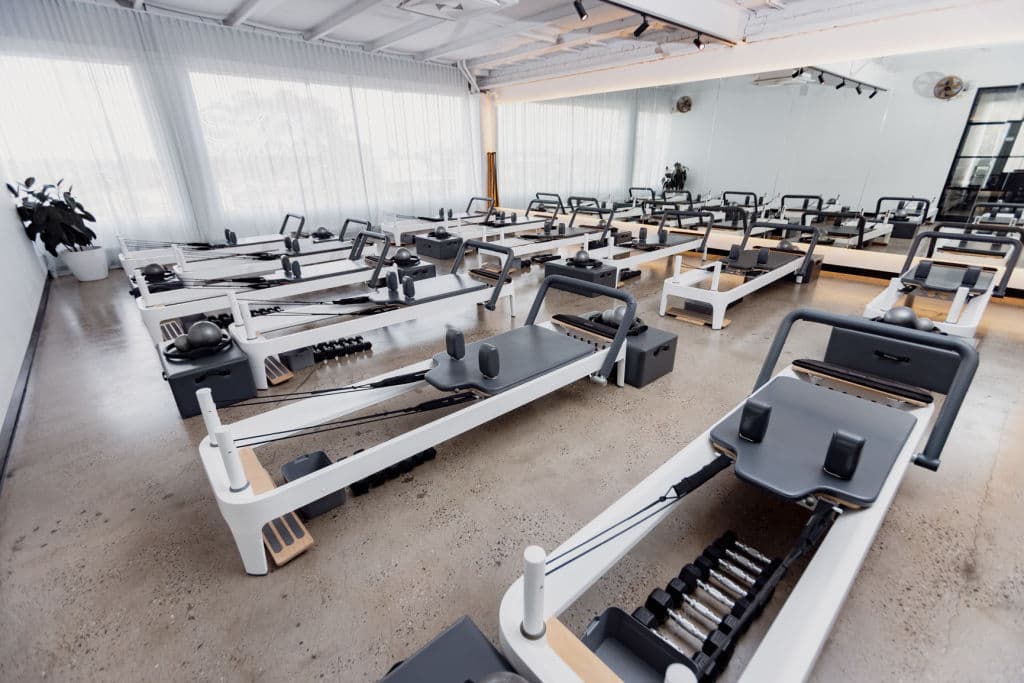
Wellness is one of the biggest growth areas, with both Griff and Stephens noting strong demand following pandemic lifestyle changes and a growing focus on health and self-care.
“We’re seeing a shift … with less spend on alcohol and tobacco and more on health, wellness, travel and experiences,” Griff says.
“There’s no question that wellness-related tenants – things like yoga, stretch labs and beauty – are where the demand is at the moment,” Stephens adds. “It could be a post-COVID thing, as people are more focused on wellness and how they want to present, and that’s driving demand.”
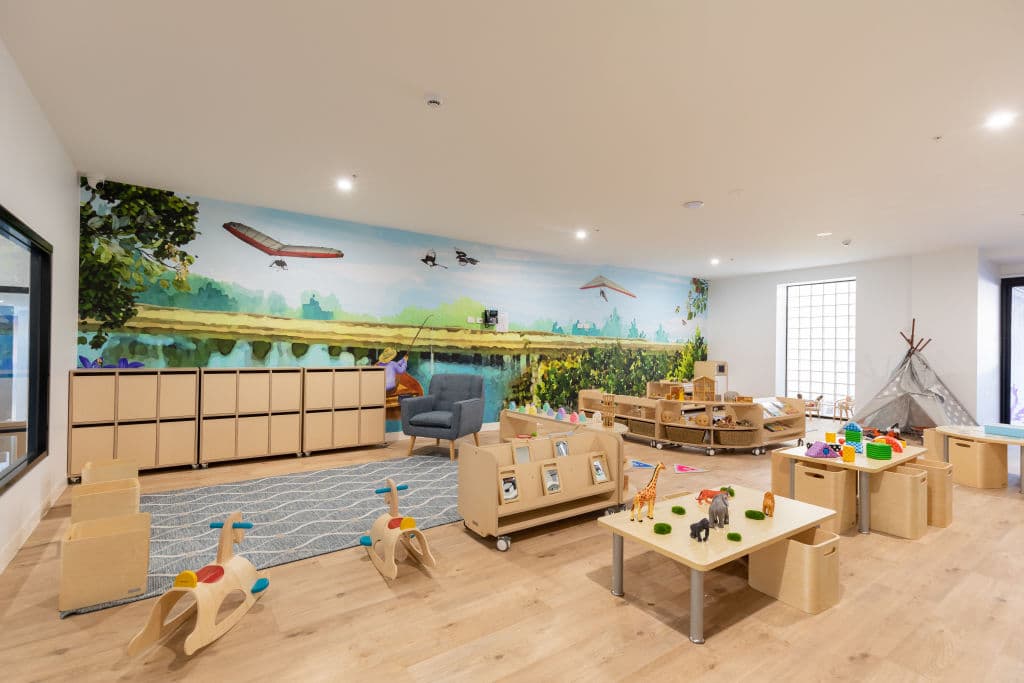
Beyond wellness, education is emerging as another key growth category, with providers like Kumon part of the trend as parents increasingly prioritise their kids’ learning and development.
“We love education and childcare in shopping centres because it creates that dwell time and another touchpoint for a consumer – a reason to come to the shopping centre,” Griff says.
Granger highlights the value of being embedded in a local retail strip, because it encourages repeat visitation and steady foot traffic. She adds that centres rely on regular attendance from families, making location and accessibility critical to long-term engagement.
“Kumon centres rely on repeat, scheduled engagement, with families typically attending classes twice a week,” Granger says.
“Convenience and accessibility are critical – easy access, nearby parking and safe surroundings all influence how practical a location is for families.”
Site selection is also becoming increasingly data-driven for Kumon, with the company analysing a range of factors including local demographics, household income, travel times and demand for education services when identifying new locations.
Stephens says many of these businesses are also targeting higher socio-demographic catchments, where there’s stronger discretionary and wellness spending. Location strategy, however, varies depending on the maturity of the operator.
For newer businesses, a prominent street presence is key to capturing passing foot traffic. Others, however, rely on an existing customer base. Stephens notes that more established operators with a loyal following are often less dependent on high-profile visibility, instead prioritising the right space and functionality to ensure operational efficiency.
This divergence in customer acquisition strategies is also reflected in the types of spaces they lease. These tenants tend to seek retail spaces spanning 50 to 500 square metres, with some, including Kumon, after more compact sites suited to structured, appointment-based models.
According to Griff and Stephens, landlords are leaning into the trend because service-based tenants can offer a more stable and reliable income stream. Repeat visits translate into reliable traffic, while their relative resilience to retail cycles can make these tenants more attractive leasing prospects.
“I haven’t had any real pushback from landlords,” Stephens says. “It’s just a natural shift in how consumer dollars are being spent.”
Griff adds that many landlords now see these operators as long-term partners.
“They’ll really work with them, curating brand engagement strategies, helping with promotions and advertising and market presence in the shopping centre, and understanding the location that they will thrive in better,” she says.
Stephens says service tenants are likely to remain a growing part of the retail mix, especially as e-commerce reshapes traditional retail and demand for in-person experiences continues.
“A lot of traditional retail is being impacted by online, but these businesses can’t be replaced in the same way,” he says.