Foreign investors tipped to make comeback to all sectors of commercial property
Foreign investment in Australian commercial property is staging a comeback, with hotels the most popular asset in almost every state, new data shows.
While offshore buyers in residential property are projected to fall from 18.5 per cent to 15.9 per cent nationally in the first quarter of 2018, foreign demand for hotels and office assets are set to climb to 21.9 per cent and 19.2 per cent respectively, ANZ and Property Council of Australia’s latest quarterly survey finds.
Hotels, offices, retail and industrial property sales to foreigners are all expected to rise, with Victoria tipped to lead in all of those sectors except industrial, where NSW still reigns.
 Source: ANZ/Property Council of Australia
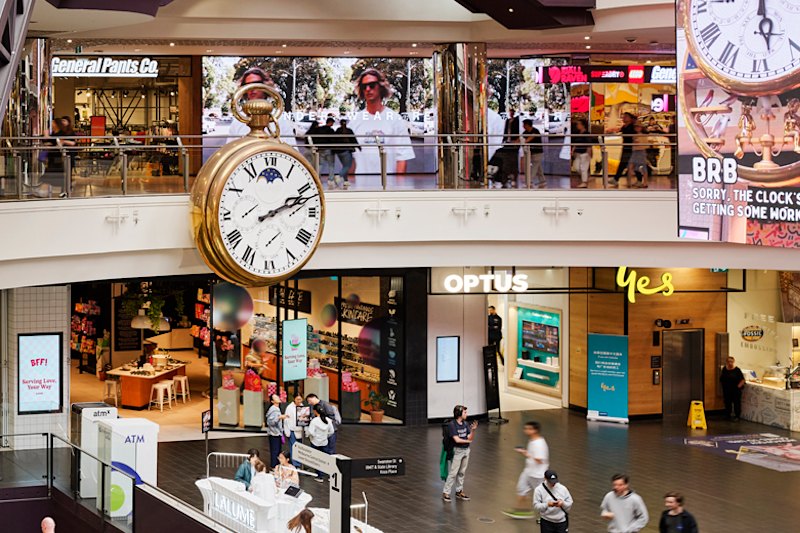
Overseas buyers in Victoria are expected to launch a hotel shopping spree, with the number skyrocketing from 19.5 per cent to 28.6 per cent. Non-Australian investors are also projected to scoop up 22.6 per cent of offices, up from 17.4 per cent.
In NSW, more than 26 per cent of hotels were snapped up by foreign buyers in the December quarter, though this is expected to drop to 23.6 per cent in the first quarter of 2018. Meanwhile, offshore investors are predicted to cover 17.4 per cent of industrial sales in the same period, up from 15.7 per cent.
CBRE national director Mark Wizel was not surprised by the data, saying that out of the $2.3 billion worth of real estate his Melbourne-based team sold in 2017, 53 per cent went to Chinese buyers.
 Offshore investors are flocking to Victoria, especially for hotels. Photo: Josie Withers/Visit Victoria
While foreign buyers of residential property were dwindling, partly due to bank lending restrictions, most of those buying commercial property were much less reliant on getting bank funding, Mr Wizel said.
“If you’re buying an apartment off the plan in China and someone comes and does a seminar in Beijing, it can attract anyone off the street, any mum and dad who might be able to cobble together 20 per cent for the deposit,” he said.
“(But) if banks are only lending 50 per cent on a commercial property, that’s quite conservative from their point of view, which is right up the Big Four Australian banks’ alleys.”
Mr Wizel said the Chinese government’s controls on outbound investment, that placed real estate and hotel transactions on a “restricted” list, was directed at the big institutional players in the market which had moved offshore, citing Wanda Group’s efforts to sell its Australian interests, with reports that the two property projects could be close to a sale.
“I think it was misconstrued that it was going to affect all Chinese from a small investor right through to the biggest institutions,” he said.
“A lot of the Chinese who might have been in Australia thinking about spending money on property, they may have kept their hands in their pockets, not knowing what the direction from the government really meant.
“As they’ve seen this relate more to the bigger groups, like Wanda and Fosun and some of these large conglomerates, they realise that it doesn’t really affect them and that’s given them the stimulus to start buying again.”
Carrie Law, chief executive of Chinese international real estate website Juwai.com, said Chinese regulators were targeting organisations in billion-dollar outbound deals.
“China’s capital controls have had the biggest impact on the largest and therefore most politically sensitive companies,” she said.
“That makes sense because these entities were making large investments like spending $US1 billion for the Waldorf-Astoria hotel in Manhattan. Even here in Australia they were developing billion-dollar projects.”
Ms Law said commercial property was growing in popularity among Chinese investors as it was seen to be more stable than residential property.
“Over the past two and a half years, there has been a steady increase in commercial property investments by Chinese high-net-worth individuals and investment partnerships,” she said.
“For them, buying Australian commercial real estate is like purchasing a bond that pays a near-guaranteed return year after year.”