Office markets face rate pressures as supply cliff looms
An all-but-certain rate rise this month will take its toll on Australia’s office market, particularly in Melbourne, where the post-pandemic recovery is slower than in Sydney.
Inflation figures released by the Australian Bureau of Statistics last week came in higher than expected, at 4.3 per cent for the 12 months to September. It increased the likelihood of an interest rate rise decision by the Reserve Bank when it meets on Tuesday (November 3).
This could spell tougher times for Australia’s already struggling office market, says Joanne Henderson, Colliers national director, research.
“A further rate hike would add pressure through higher borrowing costs and bond yields potentially weighing on valuations and slowing transaction activity as buyers and sellers reassess pricing,” she says.
Premium offices outperform
Colliers Quarterly Asset Snapshot Series for the September quarter, which was released before the latest inflation figures were announced, warned of the impact of rising bond yields on the major CBD markets of Sydney and Melbourne. Investment yields have already softened across several grades in both cities.
The report showed overall vacancy rates had risen slightly to hit 15.1 per cent largely because of backfill in Canberra, new supply in Melbourne and ongoing negative net demand across B-grade stock.
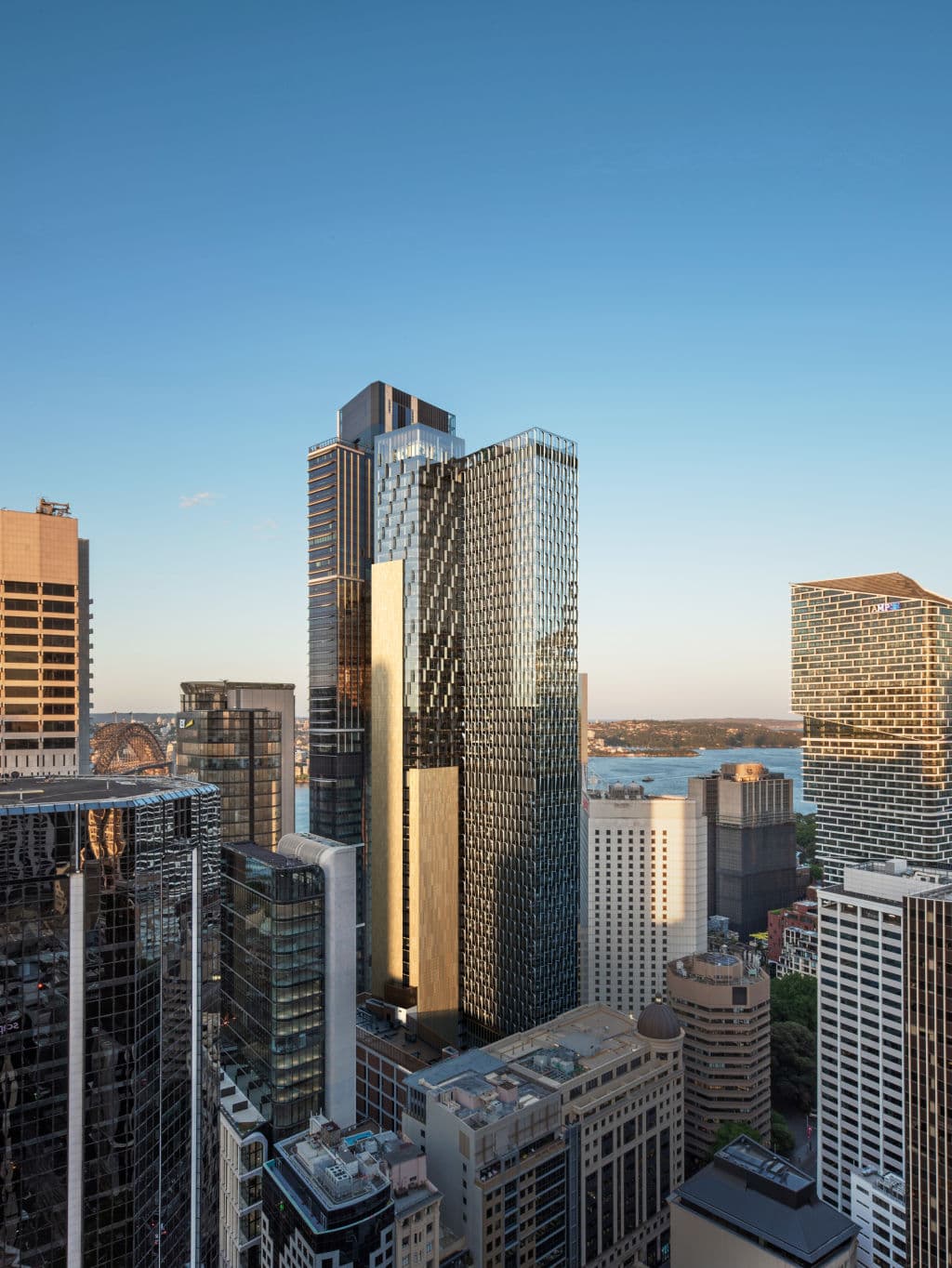
B-grade or secondary stock has suffered this year, with occupiers increasingly turning to premium and A-grade offices where energy standards meet government regulations and staff still working from home can be tempted back into the office with luxury amenities including cafes, plush finishes and end-of-trip facilities.
A-grade markets in Brisbane CBD, Sydney CBD Core and western corridor, and Perth CBD all recorded declines in A-grade vacancy in the six months to June 30 this year.
According to Colliers’ leasing data, A-grade activity accounted for 63 per cent of gross leasing volumes year-to-date, which was up from 50 per cent in 2025.
More than $3.6 billion of office stock was sold in the September quarter, which was driven by 11 sales in Sydney. However, the Colliers report found most of these transactions were initialised when the bond market was more stable earlier in the year.
Conditions have since shifted as the Australian 10-year government bond yield moved above 5 per cent, eroding the risk-free rate buffer that had supported pricing for most of 2026.
Supply constraints offer longer-term support
Henderson says an imminent supply shortfall, driven by elevated construction costs, will counter Australia’s flagging inflation and bond yields.
“Improving rental fundamentals and limited future supply should continue to support quality assets particularly in Sydney,” she says.
“Investors are likely to remain selective, favouring buildings with strong leasing prospects and reliable income. A further rate rise could delay some transactions in the short term while the longer-term supply outlook remains supportive of well-positioned CBD office assets.”
Sydney’s office pipeline is set to run dry before Melbourne’s. Beyond 2027, there is no significant new supply expected in the Harbour City until at least 2030, Henderson says.
“In Sydney, there has been no significant new supply delivered year to date through Q3 2026,” she says.
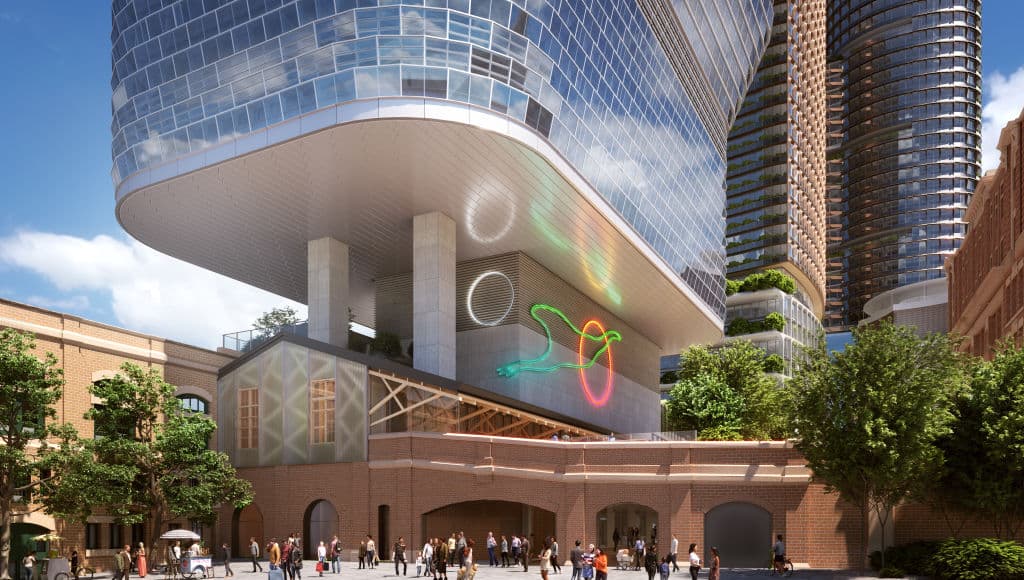
“Atlassian Central, comprising around 50,000 square metres, is scheduled for completion by the end of 2026, followed by the remainder of active projects completing in 2027, including 55 Pitt Street, Chifley Tower South and the podium at 60 Margaret Street.
“Melbourne is approaching a similar position. The 62,500-square-metre development at 435 Bourke Street is scheduled for completion in early Q4 2026. After that, there are currently no new CBD office developments scheduled until the 2030s.
“With construction costs, financing conditions and development feasibility continuing to constrain new projects, the next development cycle is unlikely to begin in earnest until the early to mid-2030s.”