Bookings open for YHA in Sydney's Atlassian Central tower
YHA Australia has opened bookings for its new lifestyle accommodation flagship in Sydney’s Atlassian Central – the world’s tallest hybrid-timber tower – offering travellers the chance to stay at one of the country’s most closely watched commercial developments.
Scheduled to welcome guests in May 2027, the 460-bed property occupies the first five floors of the 39-storey tower in the $1.4 billion development, co-owned by Dexus and Atlassian on land owned by Transport for NSW.
“Mode by YHA will show modern travellers can have it all – style, comfort, affordability, convenience and social interaction – without sacrificing any of it,” says YHA Australia chief executive Paul McGrath.
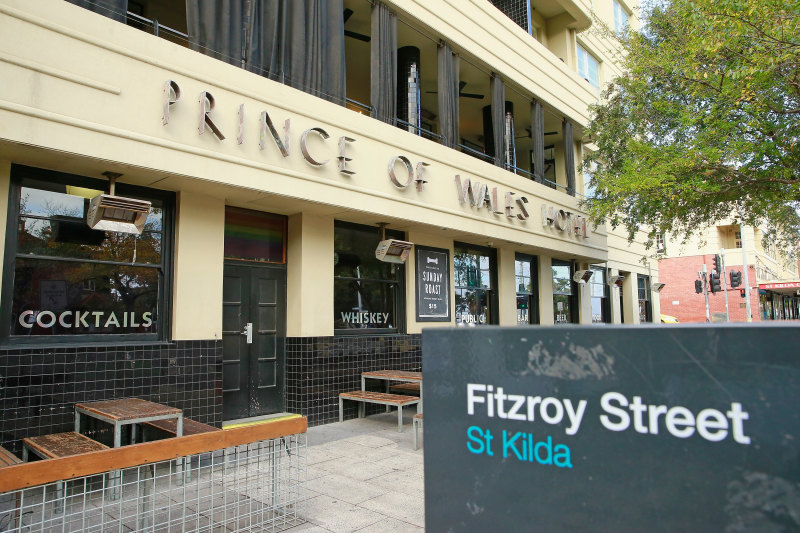
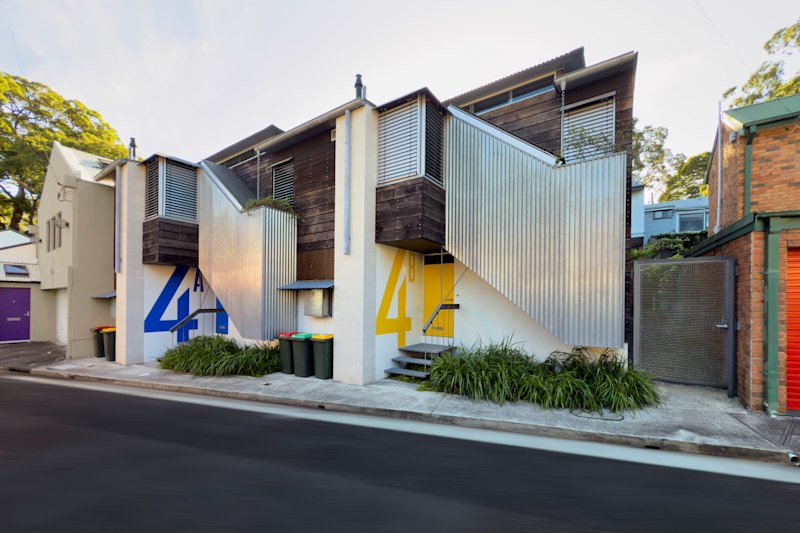
For YHA Australia, the project marks a return to its historic Railway Square site; it operated from the heritage-listed Inwards Parcel Shed at Central Station from 2004 until the redevelopment.
The launch of Mode by YHA represents a significant evolution for the 85-year-old membership-based organisation, transforming its former backpackers hostel into a lifestyle-focused accommodation concept that retains its historic focus on affordability while introducing hotel-style rooms, co-working spaces and vibrant communal areas.
The project combines the adaptive reuse of the historic Parcel Shed with a sustainably designed contemporary tower featuring a glass-and-steel exoskeleton that links Sydney’s rail heritage with its next-generation workplace design.
The Parcel Shed’s 120-year-old timbers were carefully dismantled, restored and reinstated as part of the site’s renewal.
With 75,000 square metres of gross floor area – roughly the size of 10 AFL grounds – the development will include retail at ground level, YHA accommodation above, and new public spaces around Central Station.
The $1.4 billion development is being delivered by Dexus and Atlassian – the Australian software company founded by Mike Cannon-Brookes and Scott Farquhar in 2002. Atlassian is set to occupy the building as its Australian headquarters, while anchoring Sydney’s emerging Tech Central innovation precinct.
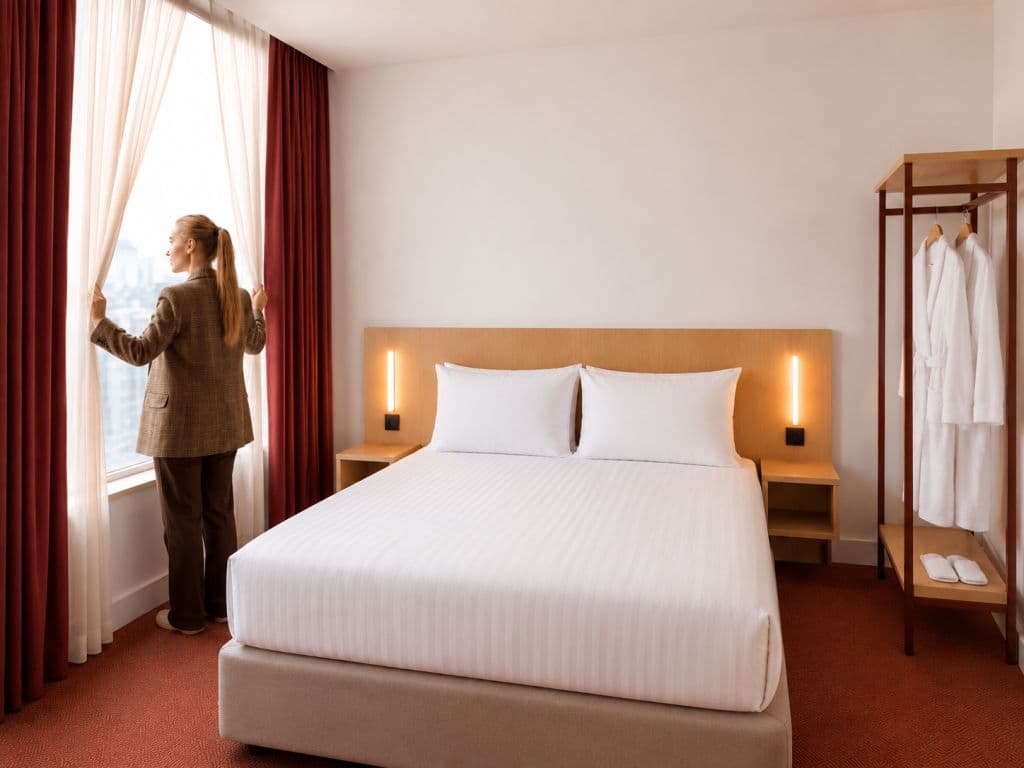
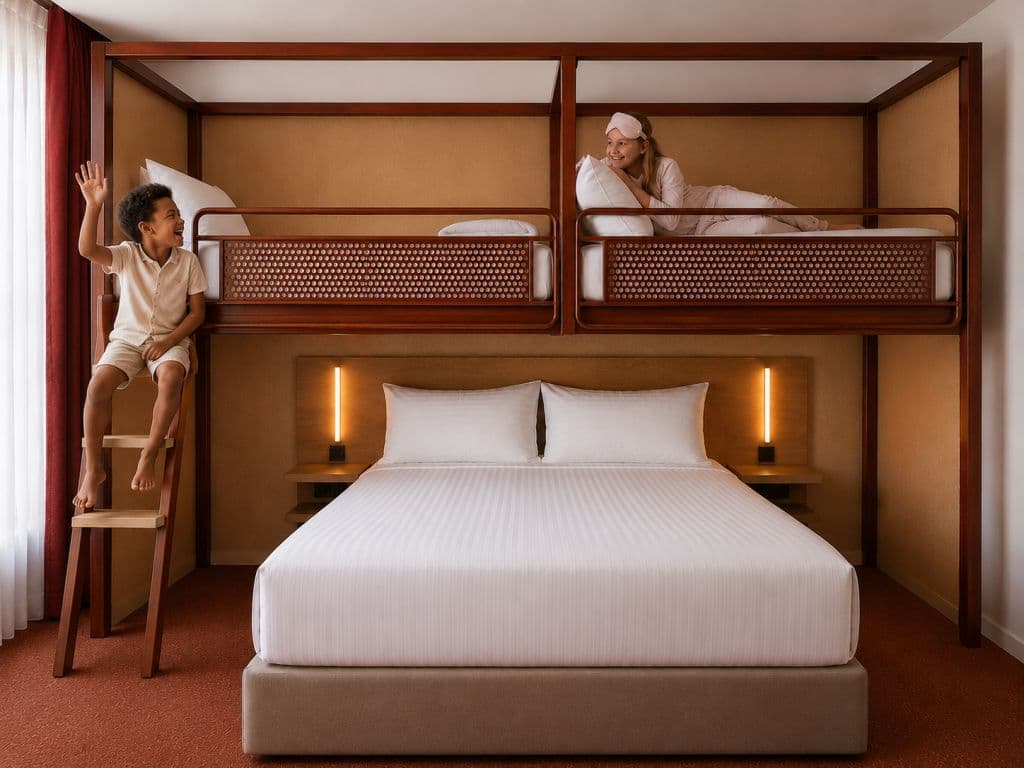
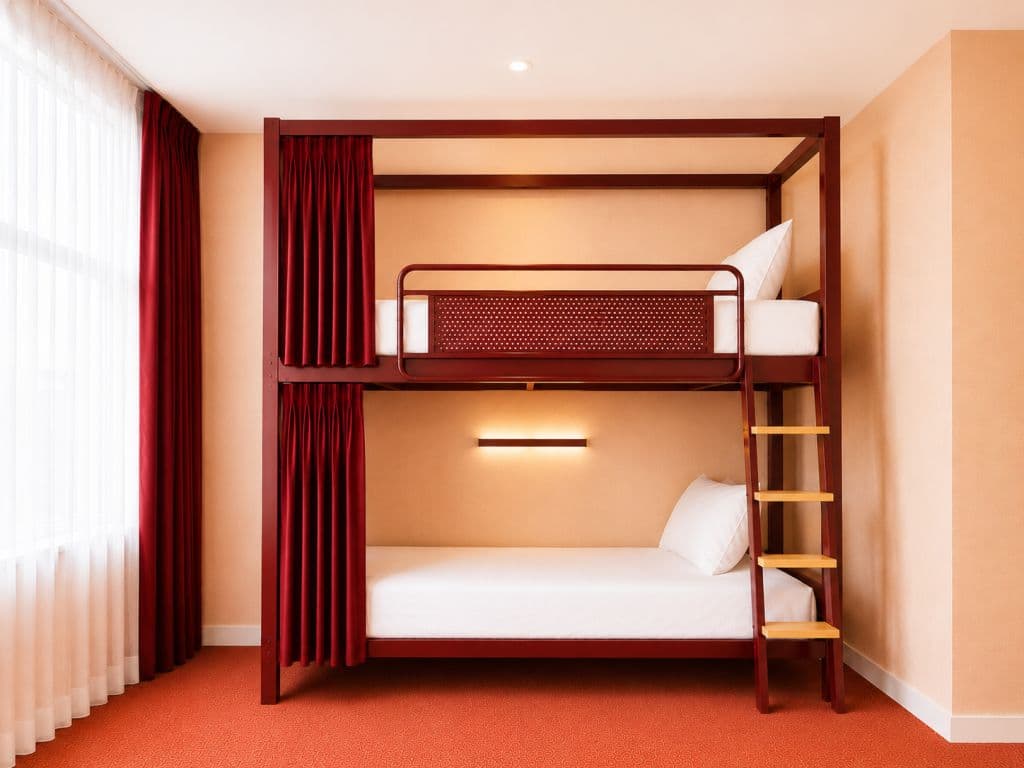
Bookings officially opened on August 12 for the accommodation, which will feature 137 king and queen hotel rooms, alongside family and co-living options, with every room offering an en suite.
Mode lifestyle accommodation features
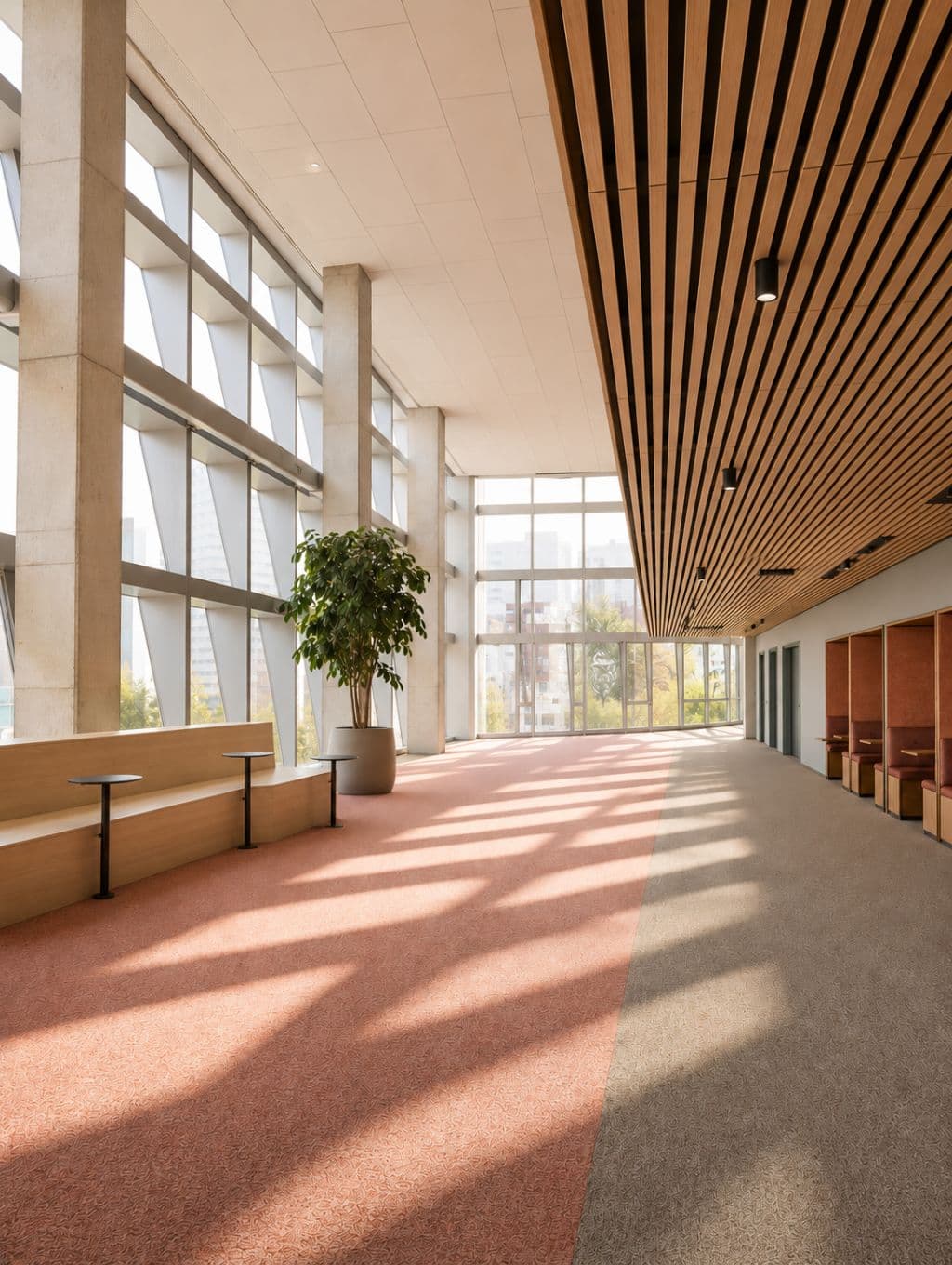
Rather than simply providing a place to sleep, Mode by YHA has been designed around shared experiences, with social spaces intended to attract not only guests but also office workers from Atlassian Central and the surrounding area.
The centrepiece is The Forum, a double-height amphitheatre that transitions from a casual dining and co-working space into a venue for live performances and community events such as trivia nights and themed galas.
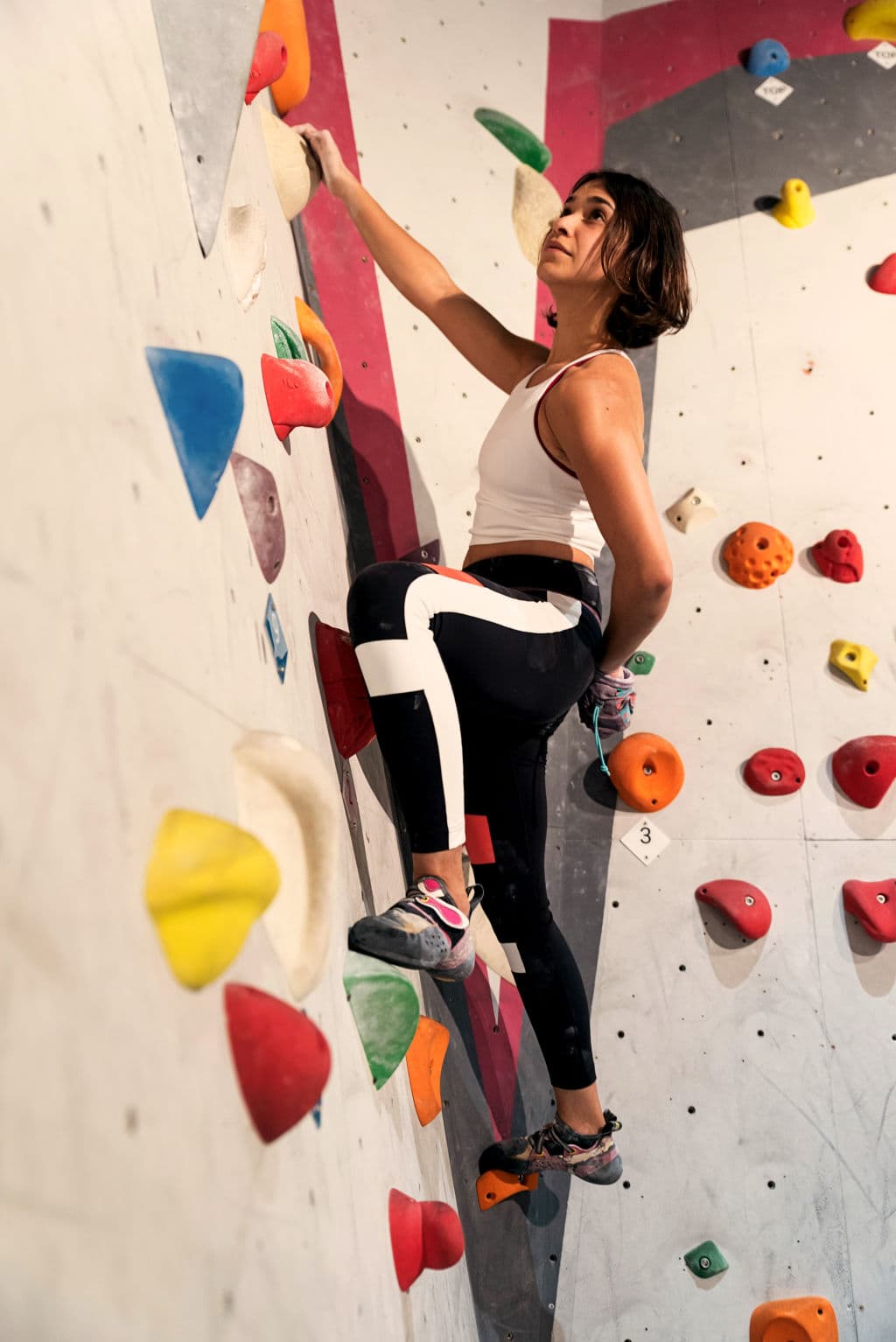
Other features include a full-height 10-metre indoor climbing wall suitable for all skill levels, an on-site microbrewery with house beer on tap, communal dining areas, including a grab-and-go cafe and an all-day eating zone, and flexible workspaces combining free fast Wi-Fi, co-working desks and meeting rooms.
A wellness space with yoga and pilates classes and mindfulness workshops will be offered alongside a games space with both tabletop and tech-powered interactive games.
McGrath says the concept reflects changing expectations among travellers.
“Whether you’ve just landed in Sydney or you’re a digital nomad passing through, you’ve moved to the city for university, or you work in Atlassian Central and head down for a knock-off drink, Mode by YHA is designed to bring people together from all walks of life,” he says.
“We have created this space with interaction as the purpose of every design choice. Travellers today want more than just a place to sleep or work; they want a space that fosters genuine connection and becomes part of the experience itself. Mode by YHA fills that gap.
“Legacy hotel chains have seen this change in real time and seek to move into this flexi-stay space, but they’re proposing something we’ve always done. Co-living spaces have always been about connection; we’ve just modernised how it happens.”
The concept follows research across YHA Australia’s national network of 18 properties, which showed demand for more socially connected accommodation, with 79 per cent of guests surveyed since June saying their stay helped them feel more connected with other people.
The tower, due for completion later this year, was designed by New York-based SHoP Architects in collaboration with BVN, and is being delivered by Australian construction group Built in partnership with Japanese construction giant Obayashi Corporation, whose expertise in hybrid timber construction helped secure the landmark project.
Sustainability and precinct positioning
The tower uses a hybrid structure combining timber, steel and concrete to significantly reduce embodied carbon compared with a conventional high-rise. It has been designed to achieve some of Australia’s highest sustainability ratings through rooftop solar, naturally ventilated spaces and advanced water recycling systems.
It has a 5.5-star NABERS Energy Commitment Agreement and is targeting a six-star Green Star rating.
YHA Australia is also B Corp-certified, while its entire national network is Eco-Certified by Ecotourism Australia.
While Atlassian and Mode by YHA are among the first confirmed occupiers, Dexus is yet to announce any major third-party office tenants for the remaining premium workspace, which is expected to target technology companies within the NSW government’s Tech Central hub.
The new property continues the organisation’s expansion beyond traditional backpacker accommodation, following investment in property upgrades and digital technology. The group launched the YHA Explorer app in late 2024 and digital wallet keys in 2025.
Strategic portfolio capital recycling
During and in the years following the pandemic, YHA Australia sold about $40 million worth of assets, including hostels in Perth, Canberra, Airlie Beach and Glebe, along with surplus land on the Gold Coast . It also sold its Alice Springs property last year.
The recycled capital has since been redirected into a new generation of flagship properties, including Mode by YHA, while the organisation also invested $12 million refurbishing three major city properties between 2023 and 2024.
As part of the repositioning, YHA has also dropped the word “hostel” from much of its branding, instead promoting itself as a contemporary accommodation provider appealing to a broader range of travellers.
The strategy mirrors moves by other YHA organisations globally. In England and Wales, the Youth Hostels Association recently announced plans to sell six hostels and exit three leased sites as part of a network rationalisation.