Australian hotels turn vacant spaces into productive urban farms
A hotel in Brisbane is joining the modern food revolution by launching the city’s first sustainable commercial urban farm.
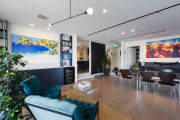
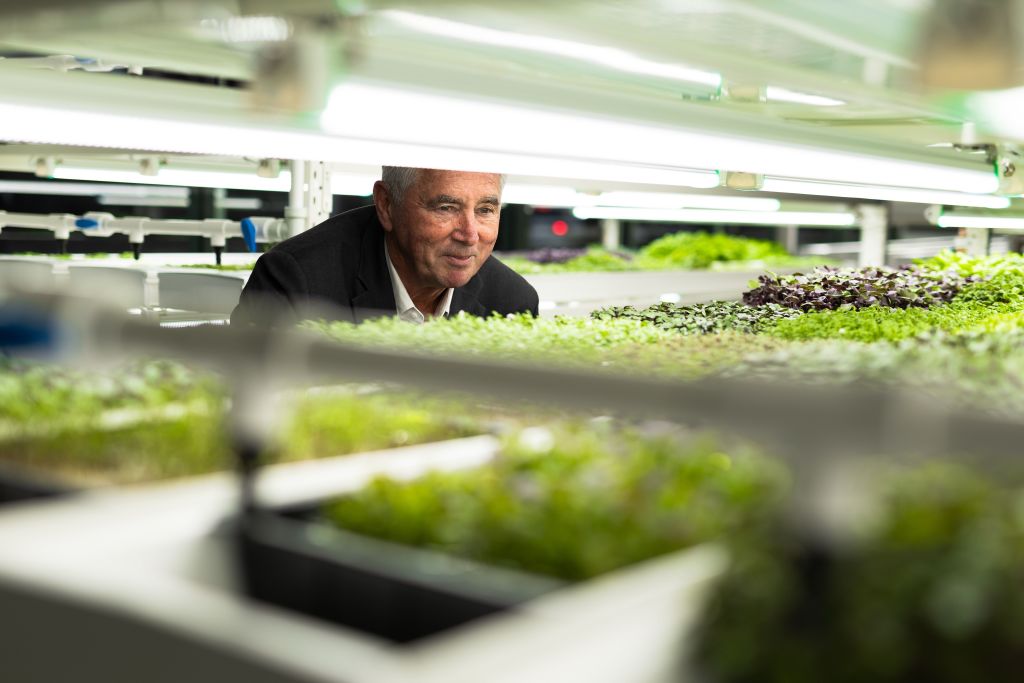
Amora Hotel Brisbane has converted its empty cafe into a thriving indoor farm growing micro greens, herbs, lettuces and Australian natives, picked fresh by its chefs and served in its dining venues, including Dapl restaurant.
The transition from vacant square-meterage to on-site agriculture
An increasing number of Australian hotels can proudly say they are food producers, turning basements once packed with dusty filing cabinets and disused spaces into a guaranteed harvest that customers can touch and taste.
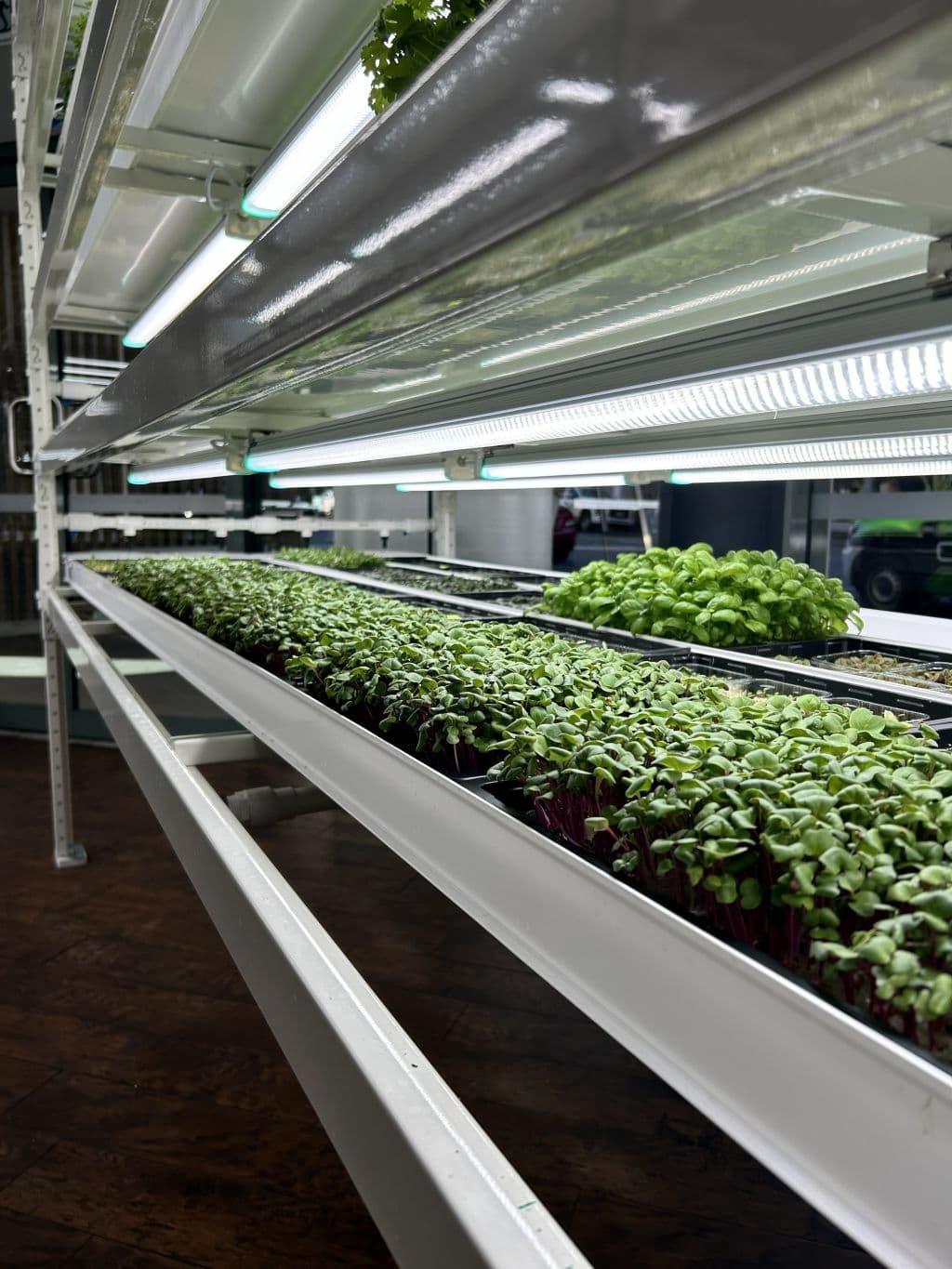
Greenspace, a commercial urban agriculture company, has installed and manages the farm at the Amora Hotel Brisbane. Other hotels, including Hyatt Regency Sydney, Park Hyatt Melbourne, Langham Melbourne, Swissotel Sydney, Sheraton Grand Sydney Hyde Park and W Brisbane, are on board with the sustainable food movement and have working Greenspace farms.
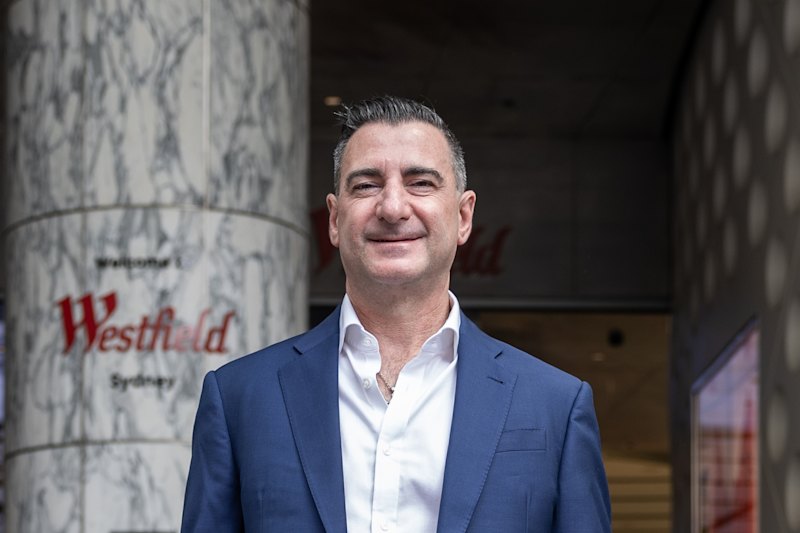
Greenspace founder and chief executive Peter Fox says it transforms underutilised areas into productive assets that support environmental goals while enhancing the guest experience. “We make it a consistent price, a consistent quality,” he says. “I’m very passionate about the fact that this is democratising vertical farming.”

Greenspace looks after the harvest and plant rotation, cutting back on food miles, packaging, spoilage and waste. “The chefs are able to order on demand, and we grow specifically to the subscription model,” Fox explains. Indoor hydroponic macrofarms nurture plants from seed and can be installed anywhere with appropriate ceiling height and access to water, electricity and air-conditioning.
The macrofarms supply portable microfarms, which are display cabinets bursting with produce, put on view for guests. “It’s a great showcase, because to see their chefs come out and harvest in front of their guests, and the chefs also have other microfarms at the back of house, which are used in the kitchen,” Fox says.
The system is easy to set up, without the burden sometimes associated with eco-friendly upgrades. “We’re such a lightweight footprint for a landlord; we can install within four weeks, and we can move out within two,” Fox says. “The minimum for us is 80 square metres. Generally, we get about 150 to 200 square metres of space.”
Strengthening commercial real estate footprints
Urban farms also translate well to offices, hospitals, universities, schools, aged-care facilities, catering companies and mining camps, Fox says. Australian companies with Greenspace in their offices include Deloitte, Commonwealth Bank and EY (formerly Ernst & Young), so workers can pick fresh greens for their lunch or take them home. Fox has recently introduced his product to hotel operators in Europe.
Fox says companies are looking for ways to strengthen food security and offset the climate change risk to crops and supply chains.
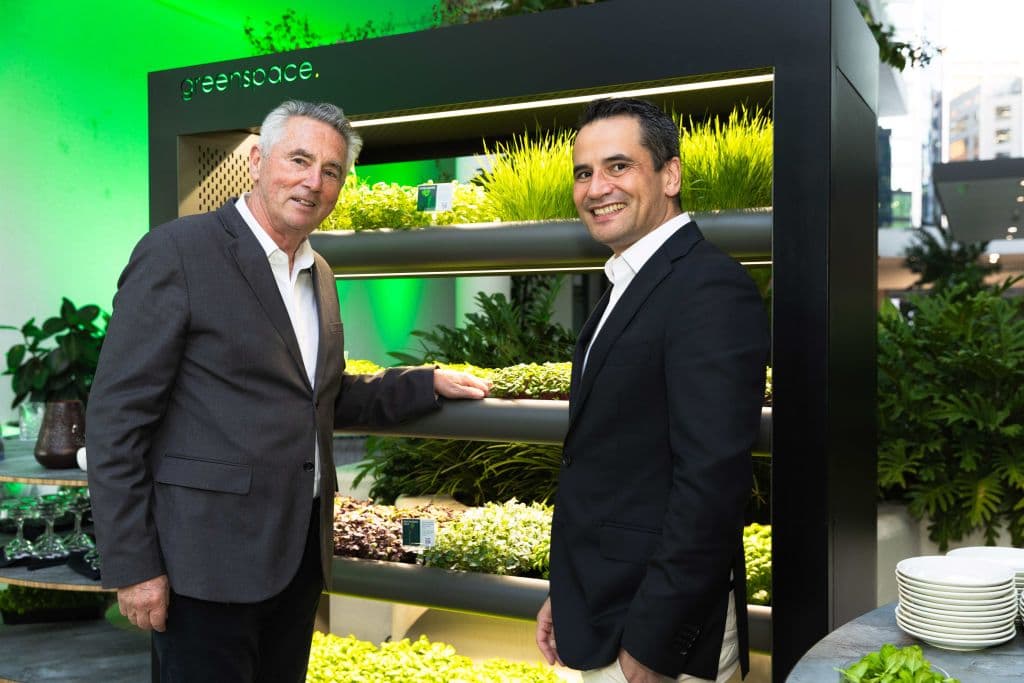
General manager of Amora Hotel Brisbane, John Bristowe, says the urban farm is a tangible sustainability initiative, on a viable, long-term scale. “We put up signage explaining some of the things we do and the signage obviously tells a story, but with Greenspace, you can come right into our restaurant and actually see it, touch it, smell it, and ultimately taste it,” he says.
“The chef comes out and explains the food, points to the microfarm itself, and shows guests exactly where the food came from, which is something I’ve never been able to do in any other hotel.
“Some guests have even harvested the odd bit of mint themselves.”
Hotel customers are expecting more transparency about the origins of what they eat, he says. “They want to know who your suppliers are and what your methods are, to ensure that you’re sourcing your ingredients and your food from the right sources.”
Urban farms are just one way hotels are becoming food producers. Urban beekeeping business Rooftop Bees manages on-site hives for Shangri-La Sydney and Sheraton Grand Sydney Hyde Park, which produce honey for their restaurants while supporting biodiversity.
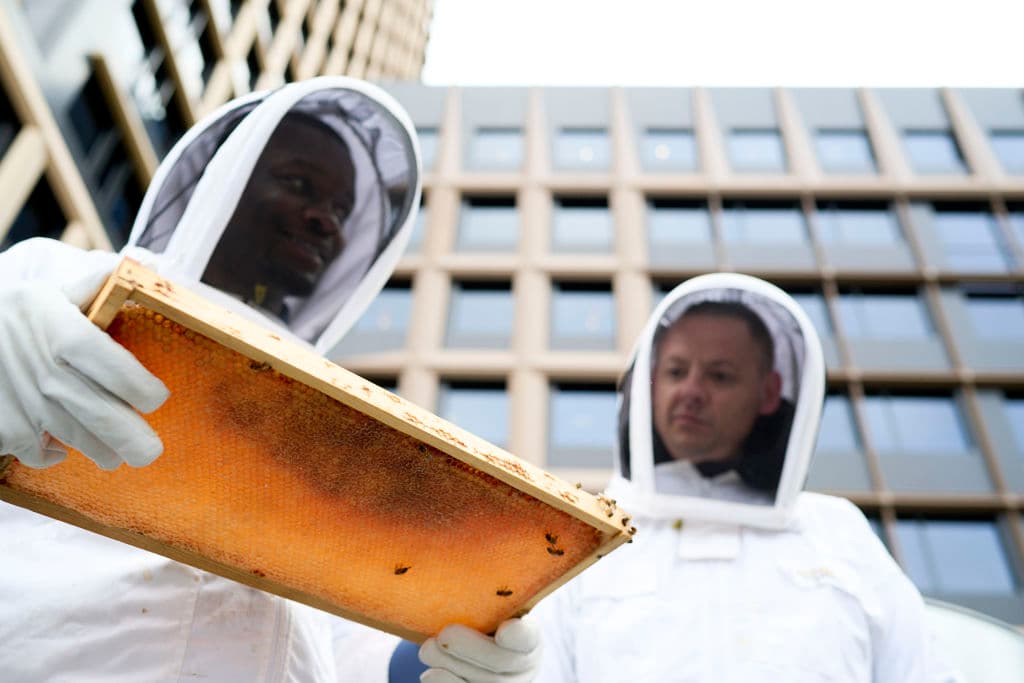
John Prince founded Rooftop Bees in 2019 and says there is plenty of overlooked commercial roof space in cities that could be repurposed, and hives are ideal. “These are all value-added amenities that are already there on their property, so there’s no real additional cost for them to build anything,” he says.
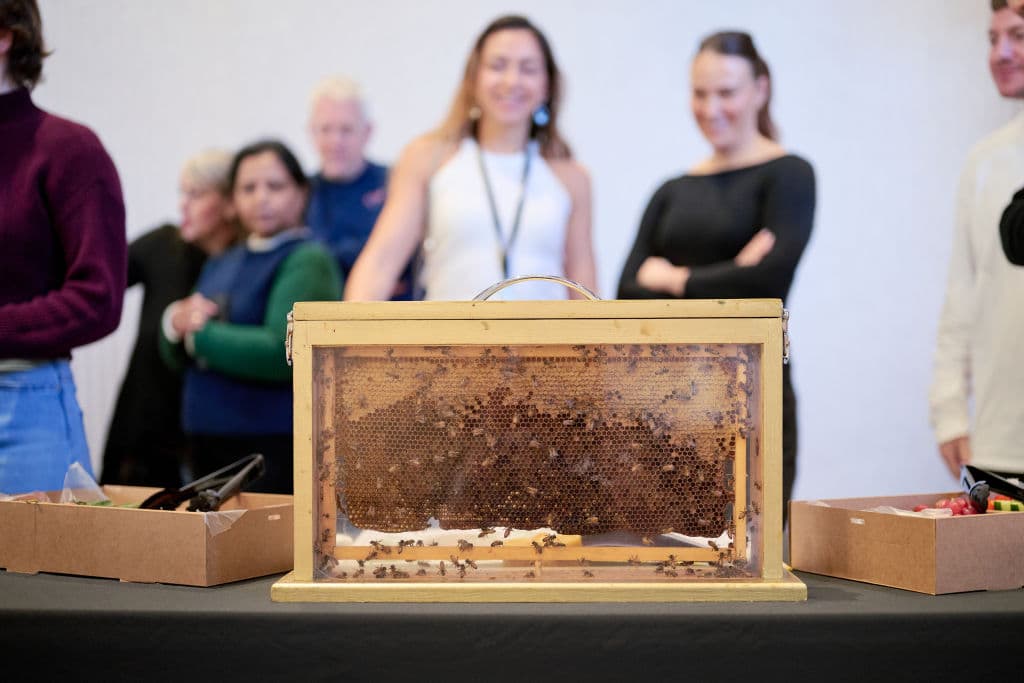
Importantly, staff don’t have to become apiculture experts. Prince and his team handle the installation of the hives, ongoing management of the bee colonies, and the honey harvests. Some workplaces involve employees in extracting and pouring the honey.
Mandatory climate reporting drives corporate apiculture adoption
There has been a strong corporate interest in beekeeping since COVID, and more recently, it’s been driven by mandatory climate reporting and growing ESG (Environmental, Social and Governance) requirements. “For companies and hotel chains, it’s no longer just nice to do these things,” Prince says. “They’re being demanded of, and that’s from a legislative perspective.
“Rooftop beehives hit so many great levels within that hotel. It’s multifaceted, so it’s great for the corporate side because of the sustainability and ESG perspective, it’s fantastic to pollinate the local environment, and you produce food as well.”
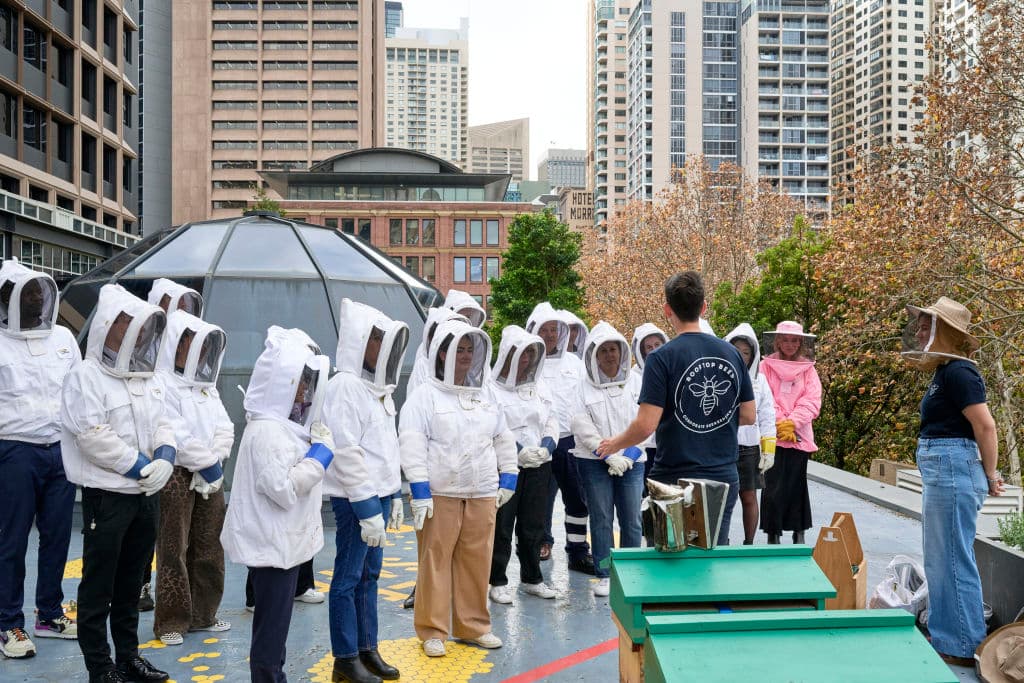
On-site beehives can also be a powerful statement of a business’s values and direction. “I think it gives people an opportunity to connect with our work, open up a beehive, taste the honey, and learn about the important role that bees play,” Prince says, “None of that can be really conveyed within a sustainability report without physically having the bees on site, so it does demonstrate the company’s commitment to wanting to make a difference.”
Hives are not only suited to hotels. Rooftop Beehive’s partners include a variety of businesses, commercial property owners and asset managers, such as Qantas, Emirates, Air New Zealand, CBRE, Colliers, JLL, Lendlease, Charter Hall and Dexus.
Currently, urban agriculture is mostly an afterthought in building design, and the infrastructure needs to be retrofitted. Fox believes developers can incorporate it early in the design process and has approached architecture firms to discuss it. “In new builds, I hope there’s going to be initiative from building owners, and that they will want to put in a macrofarm,” he says.