The rise of rooftops as premium commercial space
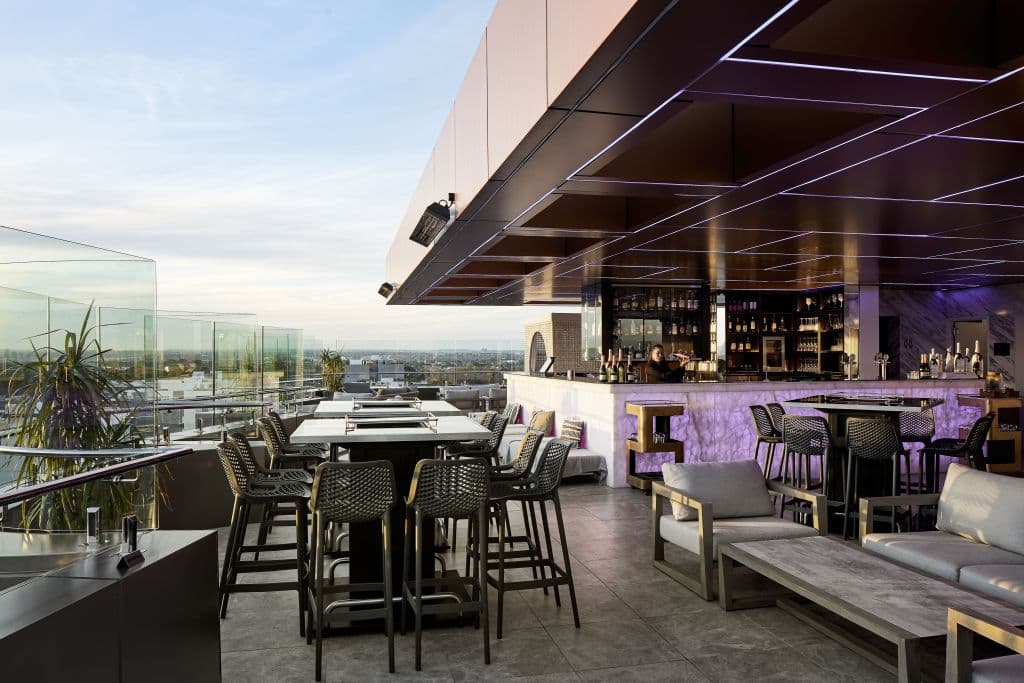
On an average Friday night, rooftop bars across our cities are packed with office workers enjoying an after-work tipple and a panorama of twinkling lights.
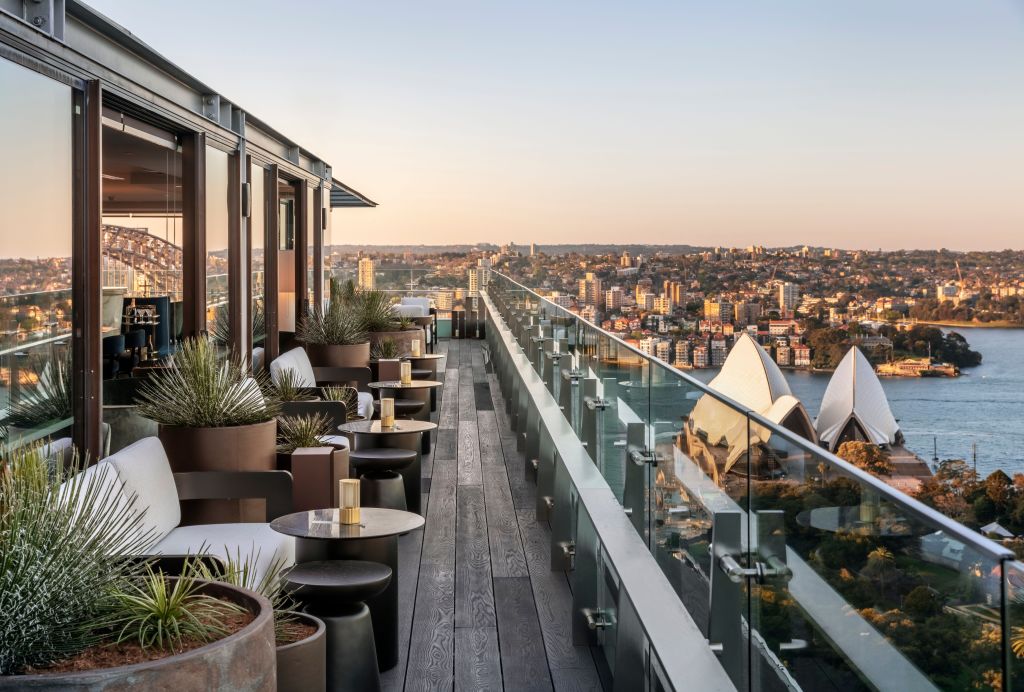
On a Saturday afternoon in Sydney, a wedding is taking place atop the Museum of Contemporary Art (MCA), enhanced by sweeping harbour views. The following Monday, Melbourne office workers are soaking up the sun on their company’s rooftop terrace, surrounded by greenery and fresh air.
The humble rooftop used to be a purely functional space for mechanical services and maintenance access, but its purpose is now far more strategic. Across hospitality venues, office buildings, residential precincts and mixed-use developments, it’s a destination in its own right – and an increasingly valuable commercial asset.
From functional space to strategic asset
Conquest is one developer embracing the trend, and is integrating experience-led rooftops into several of its hospitality projects, including Crowne Plaza Sydney Burwood.
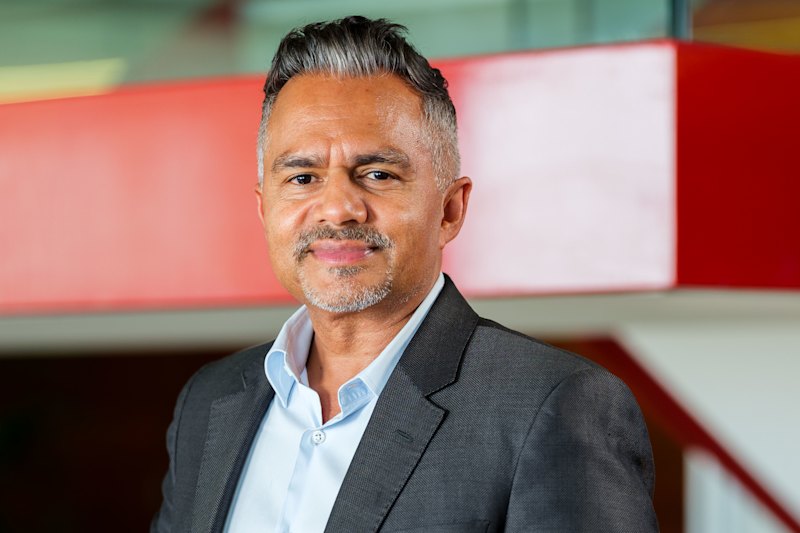
Chief executive Michael Akkawi says the addition of rooftop space has resulted in significantly stronger performance compared to traditional hotel bars, as it gives the venue a sense of distinction.
“If you have a rooftop offering, you have a distinct story and an experience that sets you apart from standard accommodations,” he says. “It gives so much vibrancy to a development by giving people something to do at the highest point of the building, complete with a good outlook and fresh air.
“Commercially, it provides an intangible luxe vibe – a sense of elevation and exclusivity that transforms a building into a premium destination.”
Driving revenue and demand across sectors
Some venues are treating their rooftops as entirely separate income generators – such as the MCA, with its harbour-view terrace where events and private functions are hosted.
The rooftop presents a unique proposition, says head of commercial development Mark Small.
“Sydney has relatively limited rooftop event inventory with direct views of the Harbour Bridge and Opera House, particularly within a cultural institution setting, so the MCA occupies a very distinctive position in the market,” he says.
Its benefits aren’t just financial, Small adds.
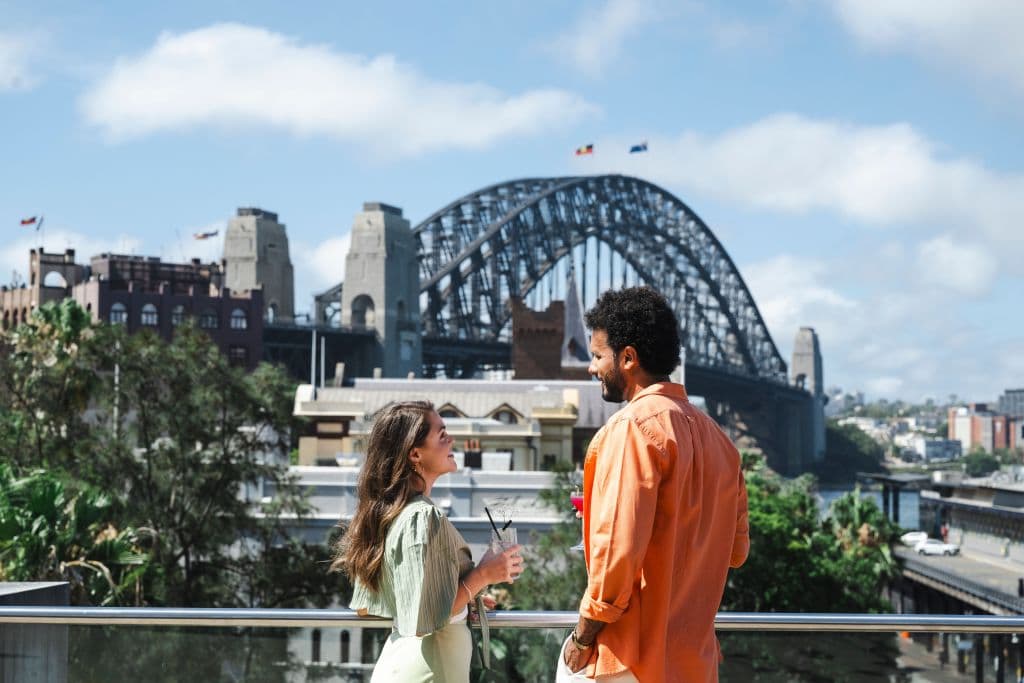
“The rooftop spaces allow the museum to extend its reach well beyond traditional gallery visitation, creating new entry points for audiences to engage with contemporary art through cultural, corporate and hospitality experiences within a single destination,” he says.
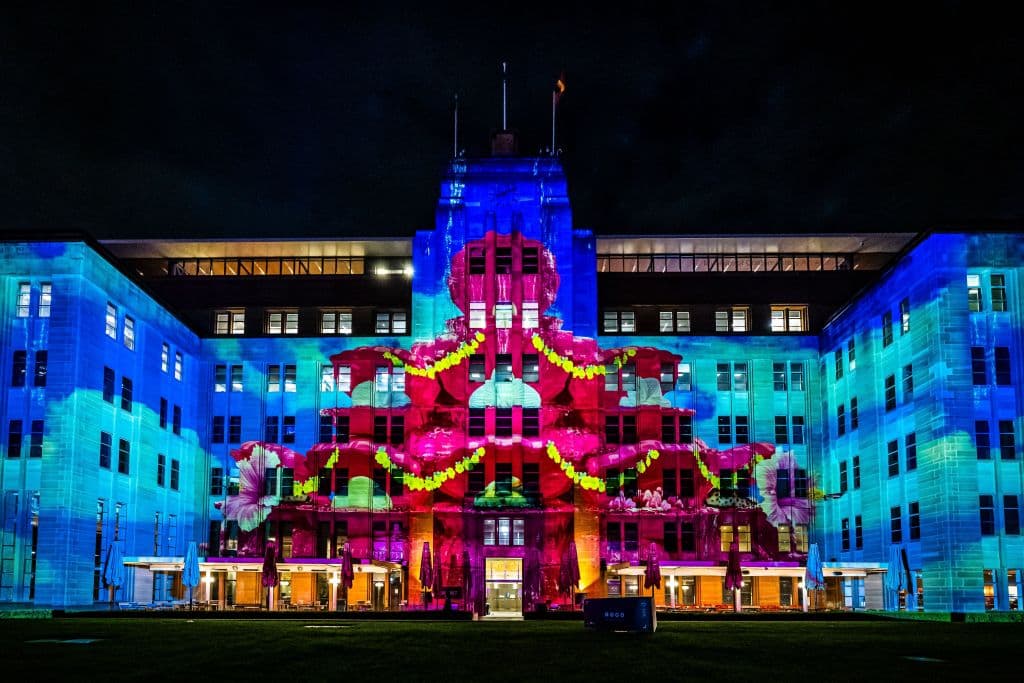
“Many visitors who first engage with the rooftop spaces subsequently return for contemporary art exhibitions, dining experiences or major citywide events such as Vivid Sydney.”
From amenity to essential: The future of rooftops
Beyond hospitality, activated rooftops are now non-negotiable features for office buildings in CBD and city-fringe areas, particularly where ground-floor access is limited, says Matt Hoath, director at Melbourne commercial real estate company GrayJohnson.
“When companies put out a brief to the market, an outdoor or rooftop space is consistently one of their top three requests,” he says.
“Post-COVID, businesses need a point of difference to attract and retain staff. Experiential, hospitality-style features like rooftop decks are playing a massive role in that return-to-office push.”
It’s a trend that has gained momentum in recent years, says Kelly Wellington, partner and national commercial lead at architecture studio Gray Puksand.
Office rooftops have evolved from passive technical spaces to multifunctional spaces, she says. “Rooftops are now being designed as extensions of the building experience rather than left-over infrastructure space.”
Wellington explains that the most successful office rooftops are those with multiple zones that allow staff to work, socialise, unwind and even work out during the day – every day.
“It’s got to have a variety of settings so people feel they can linger,” she says. “You might want social zones, but you also need quiet zones and active zones so different people can coexist there.
“It’s got to be more than just there for marketing purposes. Ideally, it’s got to be used daily. If people don’t go there regularly, it’s not going to be successful.”
In an environment where ESG fundamentals are increasingly important, the rooftop can also be leveraged as a sustainability asset. Melbourne mixed-use precinct Morris Moor is a prime example of this, combining a high-amenity rooftop space with a large-scale renewable energy set-up.
Up Property, the developer behind the adaptive reuse of the former Philip Morris cigarette factory site, has installed a 245-kilowatt solar system expected to generate 273,640 kilowatt-hours a year. The system not only supports the developer’s net-zero carbon ambitions, but is also a drawcard for tenants.
“Environmental credentials have moved from a nice-to-have to a genuine threshold criterion for a growing number of occupiers,” says Up Property asset and community manager Steve Schmidt.
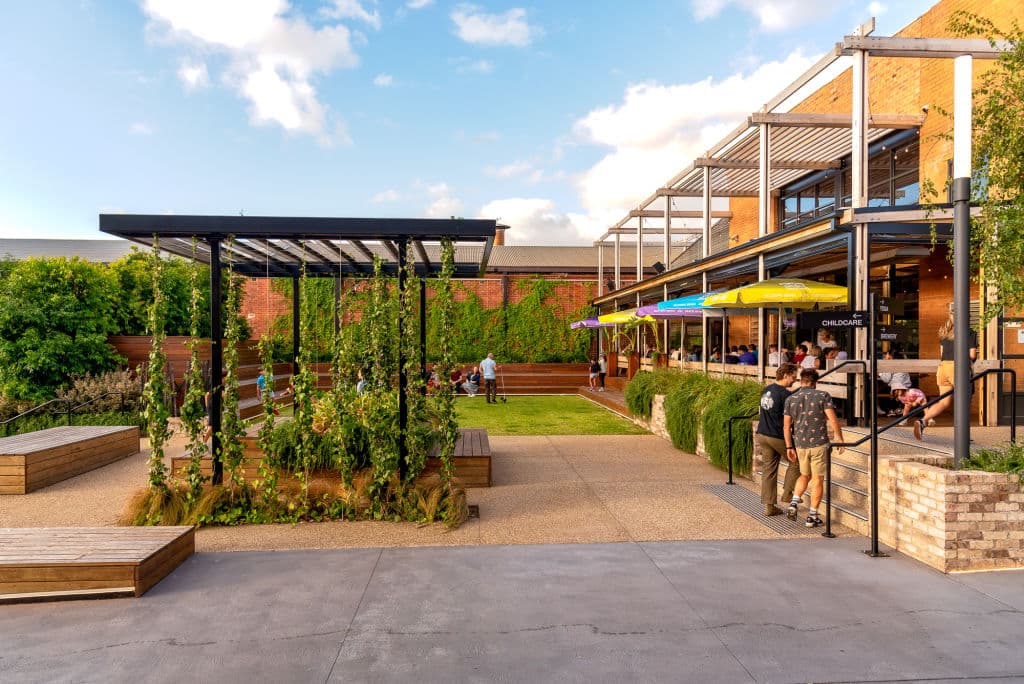
He adds that the rooftop is a source of untapped potential and an opportunity many developers once overlooked.
“Rooftops have historically been designed for plants and forgotten – that era is over,” Schmidt says.
“Whether it’s solar, rainwater harvesting, green roofs for biodiversity and thermal performance, or activations that extend amenity upward, the roof is becoming a genuine part of the asset value equation. Developers who aren’t thinking about rooftops strategically are leaving value on the table.”
As cities continue to densify and build vertically, rooftops will no doubt become an essential piece of usable real estate.
Wellington says rooftops are now a core design consideration in new builds rather than an afterthought, while Hoath believes multifunctional rooftops will be a requirement for CBD and fringe developments to stay competitive.
Schmidt says the rooftop will evolve into a “legitimate fifth facade”.
“I think we’ll see rooftops … fully integrated into the design, sustainability and commercial proposition of a building from day one,” he says.
“The precinct of the future won’t leave its roof to chance. It will be planned, activated and measured just like everything else.”