Sydney and Melbourne's data centre domination under threat from new laws
Melbourne and Sydney’s domination of data centres could become a thing of the past under the federal government’s plans to rein in control of the artificial intelligence industry.
Under the plans announced earlier this month, the newly established Office of AI will force large-scale data centre operators to generate their own power from renewable sources to prevent pricing pressure being transferred to households and businesses.
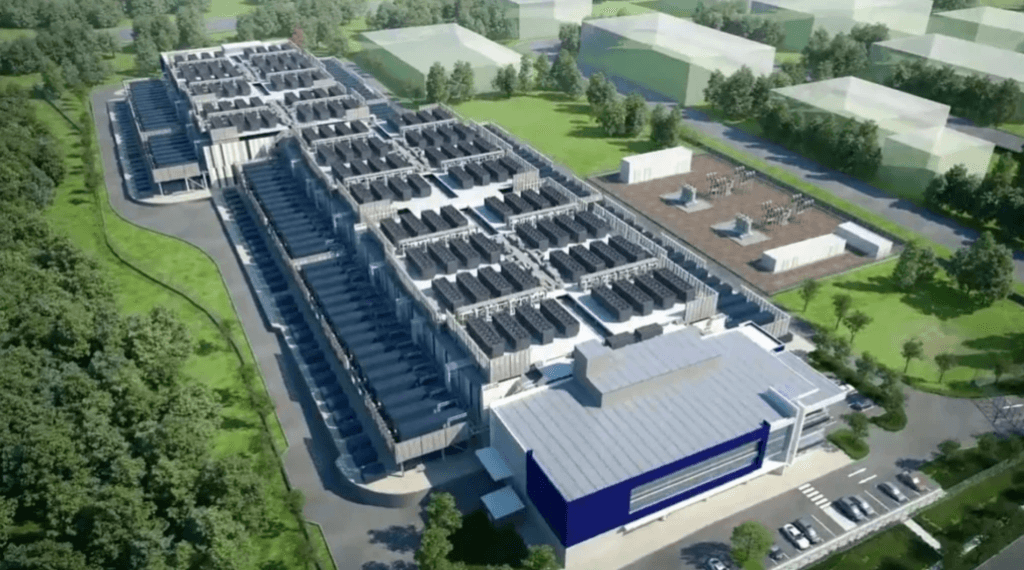
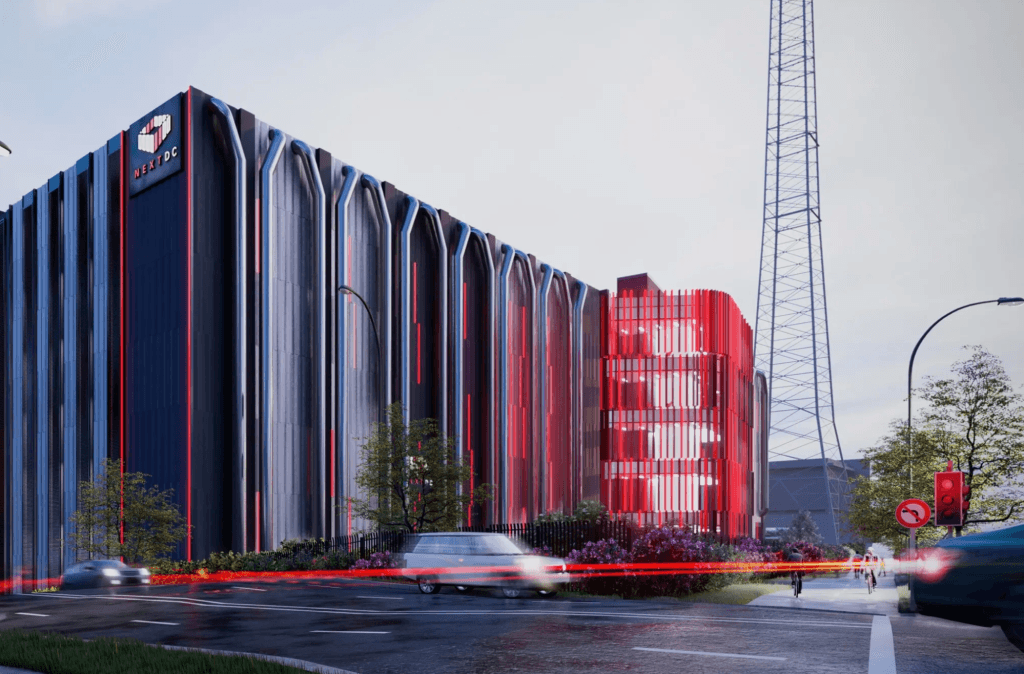
The bulk of Australia’s data centres are found on the outskirts of metropolitan Sydney and Melbourne, but the sheer amount of power they demand could soon force that to change.
“The core locations in Melbourne and Sydney that have historically been extremely favourable are now constrained for power for the medium term until new significant transmission infrastructure is upgraded,” says Darcy Frawley, CBRE’s director, Pacific – data centre capital markets.
“So if these groups want to build scalable data centres, they need to go outside of these core locations, and that includes regional locations. It includes other states like Adelaide, Queensland and Western Australia.”
Neocloud demand diversifies geography
The emergence of neoclouds, which are niche AI infrastructure companies providing high-performance computing power, is also another factor likely to push data centre investment outside of Melbourne and Sydney, and possibly Australia.
“There’s a more diverse customer mix, which has gone from just being the US hyperscalers like Amazon and Microsoft, to this new customer mix, which are neoclouds,” Frawley says.
“What’s really driving an emergence into new geographies are these neoclouds that really just cater for AI development, and they’re the ones that [have been] driving the growth in the last six months, in particular, in Australia.”
The Office of AI will also legislate to prevent big tech from using the work of artists and writers to train AI models. Full details of the laws are yet to be released, but while there has been widespread acclaim, there are also fears Australia’s emerging AI industry may be hampered by the incoming laws.
“The Australian government is going to be stricter on AI copyright laws, which means a lot of the large AI workloads or demand that was coming into Australia may thin out a little bit,” Frawley says.
“It’s still a little bit unclear on how the market will respond, but some of the AI workloads, which is basically just demand, will potentially go to other geographies where those copyright laws are less stringent.”
Global tech giants eye major Australian footprints
US tech giant Anthropic, which operates Claude AI, has signalled it is keen to sign a data centre deal to make Australia its second-largest base. The company has lobbied the government to provide exemptions to copyright laws in exchange for huge data centre investments and a fund for creators with subscription-style payments.
It comes as Anthropic gears up to go public in a mega-deal reportedly worth $US1 trillion (about $1.5 trillion) as early as October this year.
Meanwhile, hyperscalers Amazon and Microsoft are still on the market for more data centres in Australia. The Victorian and NSW governments are actively competing for the multimillion-dollar investments and wooing data centre developers with planning and energy incentives.
The explosion in data centre infrastructure, described as the AI gold rush, is incredibly lucrative. Data from construction research firm Hubexo’s LeadManager platform shows 41 data centre projects worth $62.8 billion entered the pipeline in the 12 months to June 20 – up from 13 projects valued at $10.9 billion the previous year. It’s a staggering 477 per cent increase in total project value year-on-year.
Activity in the mergers and acquisitions space has also exploded around data centres this month, including Japanese tech brand Fujitsu’s sale of its five Australian data centres to private equity firm Next Capital for a reported sum of just under $200 million.
Bidders are also currently circling what could be the biggest data centre transaction in Australia, with Stack Infrastructure offloading its Asia-Pacific arm, which includes two data centres in Melbourne’s Truganina and one in Sydney’s Erskine Park. The sale is expected to be in the order of $US30 billion (about $43 billion), eclipsing the $24 billion sale of Australian company AirTrunk to US investment firm Blackstone in 2024.