Bananas, mangoes and golden guitars: Why do Australians love Big Things?
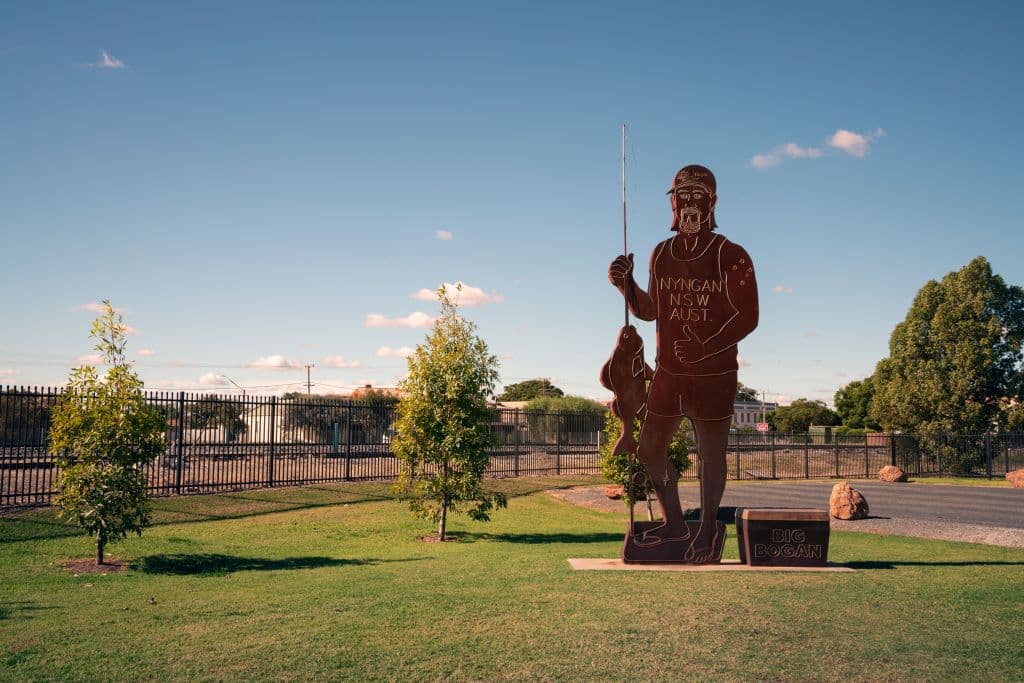
Australians love Big Things, be it a prawn, bogan, mango, banana, penguin, tractor, pineapple, peanut or koala.
Along the nation’s highway, they are colossal, playful billboards that promote a regional town or area’s primary industry and character.
Far more than cheesy monuments, they are critical for intercepting passing traffic and converting that visitation into spending at surrounding petrol stations, general stores, cafes and souvenir shops.
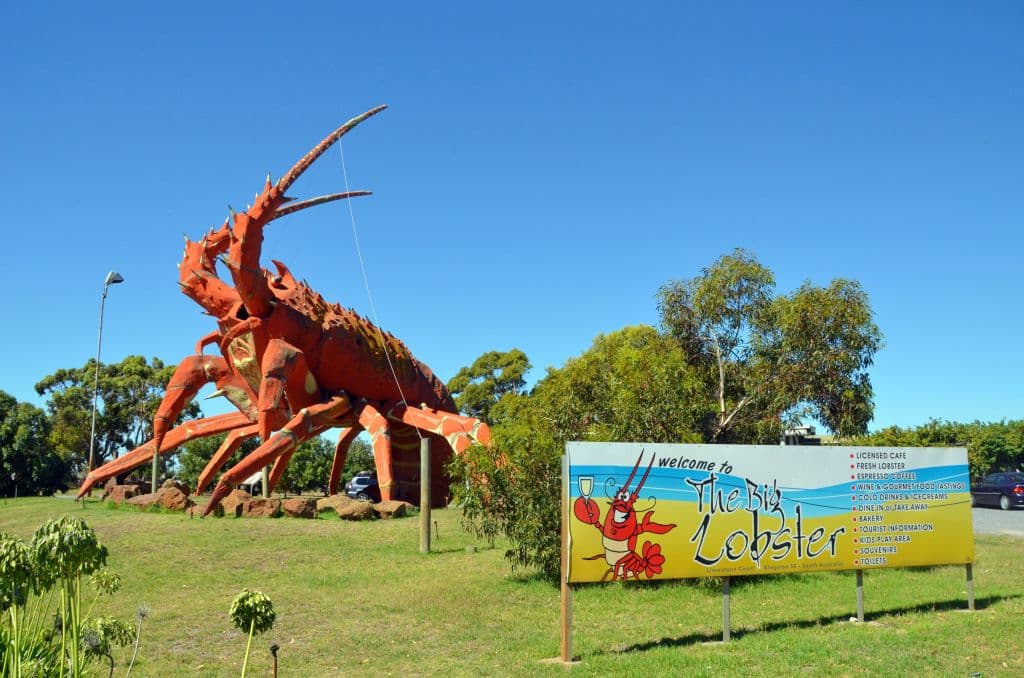
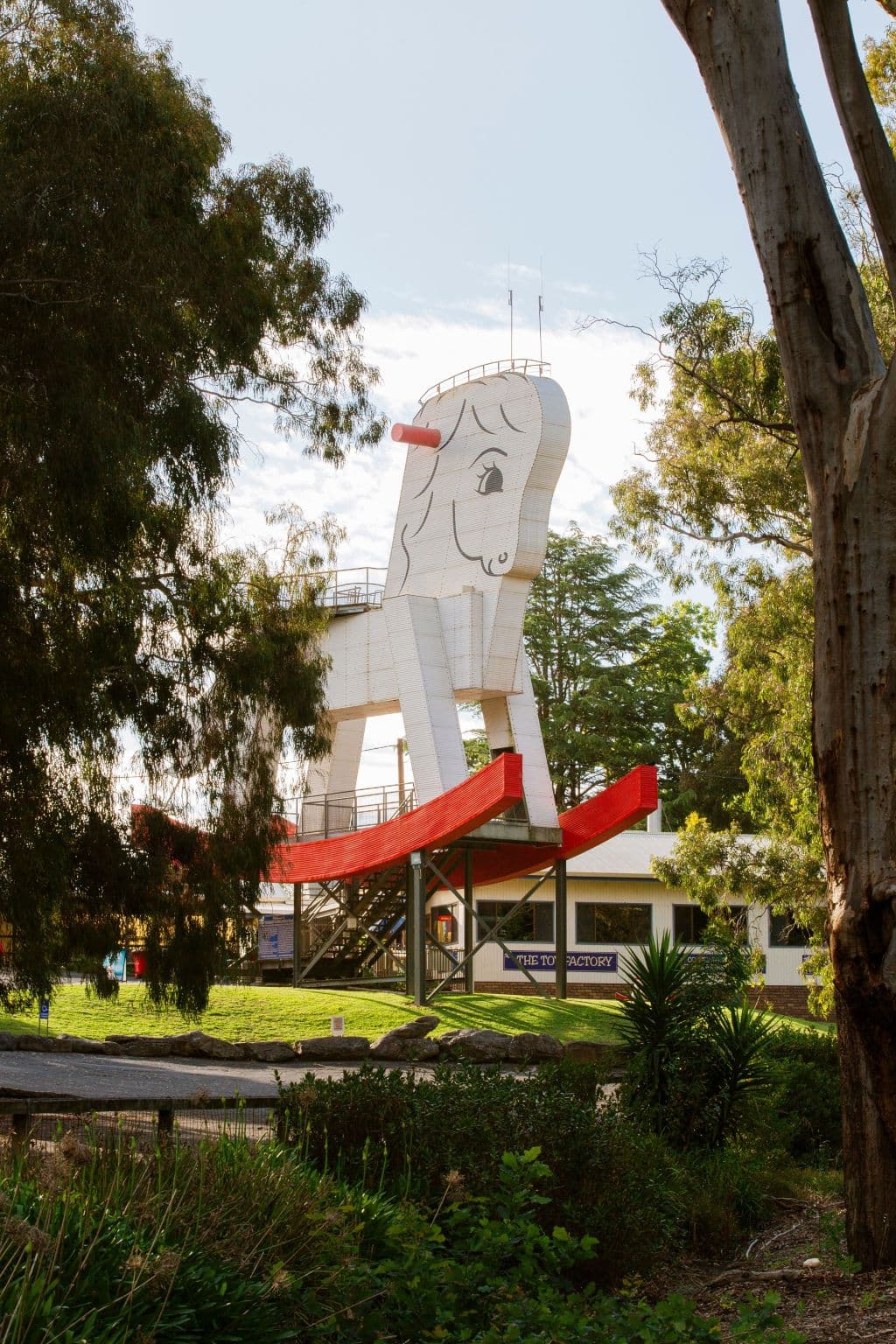
Goulburn has the Big Merino; Woombye, the Big Pineapple; Tamworth, the Big Golden Guitar; Kingston, the Big Lobster; Gumeracha, the Big Rocking Horse. There’s a Big Ned Kelly (Glenrowan), Magpie (Euroa), Tasmanian Devil (Mole Creek), Cassowary (Wongaling Beach), Dugong (Rockhampton), Pelican (Noosaville) and Potato (Robertson).
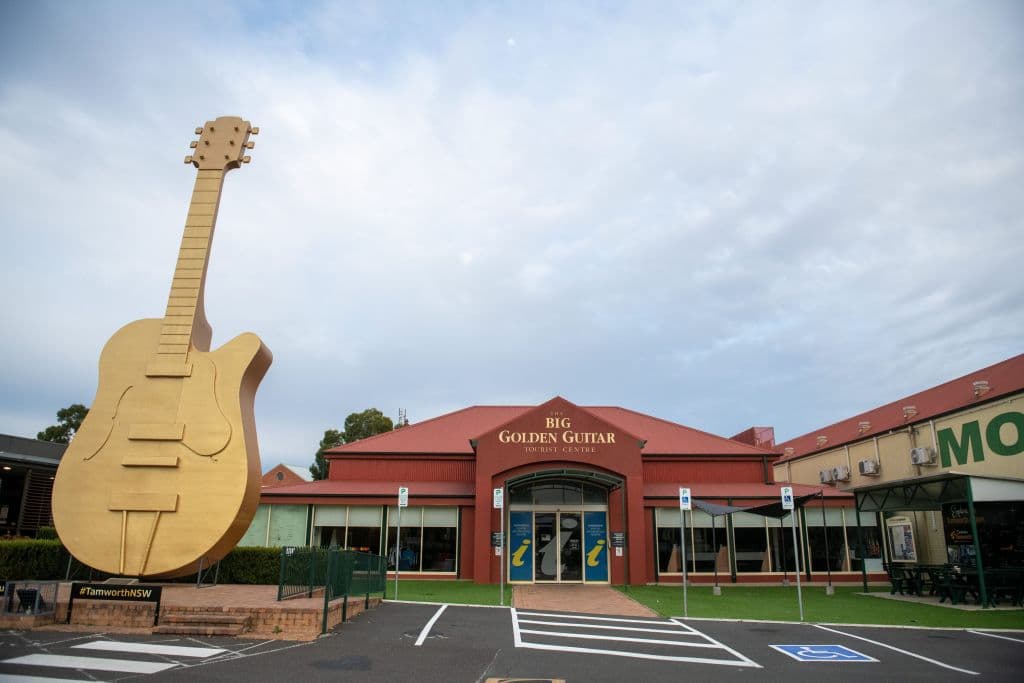
A Big Things’ ability to capture the imagination and attention in towns that would otherwise be bypassed is an important cog in regional economies. Ray White’s head of research, Vanessa Rader, explains that Big Things are not capable of transforming an area in economic decline, but they do have tourism and financial upsides.
They work as amplifiers when other fundamentals are in place, including an existing visitor base, economic ecosystem and strong local identity, reinforcing success rather than creating it. “It’s usually a symbol of already good prosperity in that market,” Rader says.
Australia has more than 1000 Big Things, according to research by Dr Amy Clarke, the country’s foremost expert on the subject. It started with the Big Scotsman, a kilted bagpiper erected atop Scotty’s Motel in Adelaide in 1963, followed by the Big Banana in Coffs Harbour in 1964. In the year the Banana opened, 2000 people a day visited it over the Christmas holidays, which was extraordinary for a time when the town’s population was only 6000.
Big Things may seem like a straightforward gimmick, Dr Clarke says, but their role is culturally and economically significant.
Dr Clarke, a senior lecturer in history at the University of the Sunshine Coast and author of the research paper Big Things, Making a Mark: Displays of Regional and National Identity in the Big Things of Australia and Canada, says they appeal to Australians’ unique sense of humour and remind us of a simpler, happier time.
“They are kind of surreal, a little bit bizarre, almost silly,” she says. “There is that moment of discovery, when you come across them in a landscape. I think there are probably other cultures around the world that would turn their nose up at these strange, giant pieces of fruit. But an Australian’s reaction is usually, “LOL, that’s very funny.”
Rader says Big Things guide tourists’ movements, but aren’t a financial windfall in themselves. “They are not a destination, they are a drive-through. So, just putting up a Big Thing is not going to drive economic prosperity by any means.”
For that reason, visibility is important, and so they are best positioned next to highways. Dr Clarke says fiddling with this formula has consequences. “Once the highway gets rerouted away from them, their visitor numbers drop dramatically and overnight,” she explains.
Their economic advantages are real but difficult to quantify, Dr Clarke says. There are instances where businesses have lobbied to keep a Big Thing at risk of demolition, such as the Big Prawn in Ballina, NSW, because they feared the impact on their bottom line. The local council voted to knock down the prawn in 2009 after it fell into disrepair and stood in the way of a development. “There were a lot of local businesses that said, ‘please don’t, because while we don’t know for sure how many extra customers we get every day, we’re sure it’s at least a couple each across each business’,” Dr Clarke says.
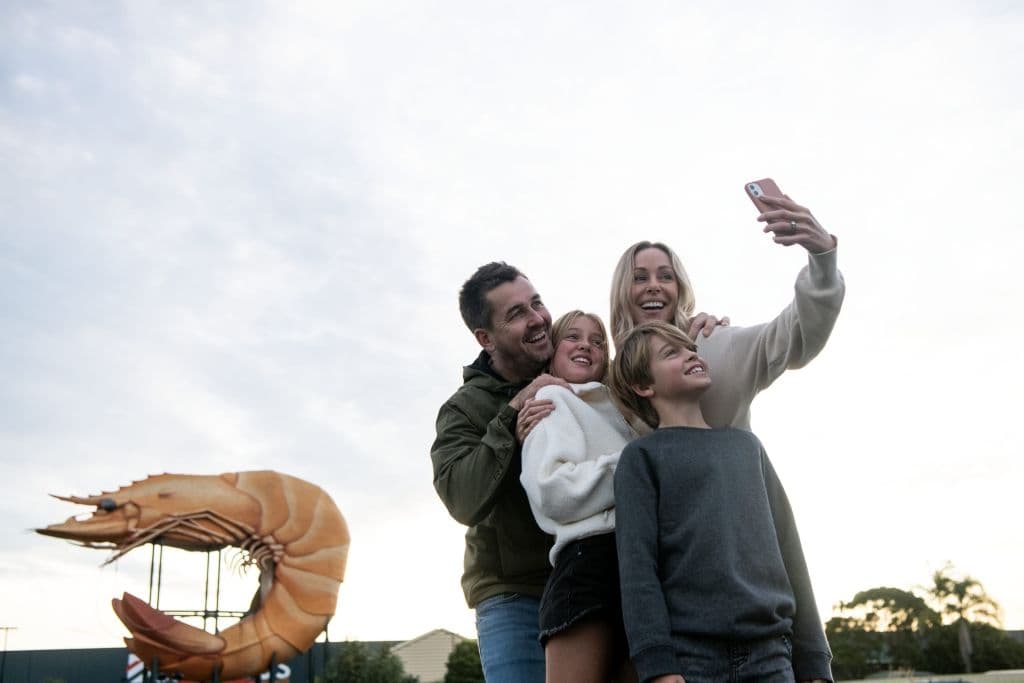
Hardware chain Bunnings came to the rescue and bought the nine-metre-tall, 35-tonne statue for $400,000, refurbished it, and reinstated it next to the carpark of its Ballina store. When ex-tropical cyclone Alfred tore off one of its feelers last year, Bunnings fashioned a new one. The community is so fond of it that the cosmetic surgery of sorts made the local press.
Garry James, Bunnings’ director of property and store development says the Big Prawn is intrinsic to Ballina’s community, and there are further improvements in the pipeline. “When we developed the Ballina site in 2013, we couldn’t imagine letting such a loved local icon disappear, so we chose to step in and fully restore it at our own cost,” he says. “That included relocating it, restoring its structure and even giving it a proper tail for the first time. Since then, we’ve continued to maintain the Big Prawn because for us, it’s about being part of the local community we live and work in.
“Bunnings continues to invest in the site, with future plans including dedicated visitor parking and safer pedestrian access to improve accessibility and the visitor experience around the Big Prawn. Ballina locals are proud of their prawn, and so are we.”
Many Big Things have not been so lucky and have been torn down, like the Big Bull in Wauchope, or shut down as an attraction, as was Taree’s Big Oyster, which was integrated into a car dealership. After the novelty has faded, the upkeep costs can outweigh the gains. “Gradually over time, people have said, ‘well, sure, I’ve seen you before’, and the gimmick gets a bit old and tired,” Dr Clarke says. “So, then it becomes this challenge of how do we get return customers? How do you remain relevant after everyone’s already seen you once?”
Dr Clarke says the Big Banana is an example of reinvestment that keeps visitors coming back. The owners built a theme park around the 13-metre-long piece of fruit and embarked on promotions, including with confectionery company Allen’s, painting it brown in 2020 for the launch of a choc-banana lolly.
Social media has also given Big Things, which are very Instagrammable, renewed attention, she says.
But ultimately, the formula for success is unpredictable. A couple of times a year, local councils and chambers of commerce contact Dr Clarke asking for advice about what makes a Big Thing work. “I wish I could tell them, is the short answer,” she says. “You never quite know what’s going to tickle the public’s fancy at any moment, but once it has grabbed them, it just rockets.”