B Corp certification gains traction in the accommodation sector
Sustainability in design within the accommodation sector is becoming an expectation, but beyond this, hotel operators are now being measured on their total impact on people, communities and the planet. That shift is being recognised as B Corp certification.
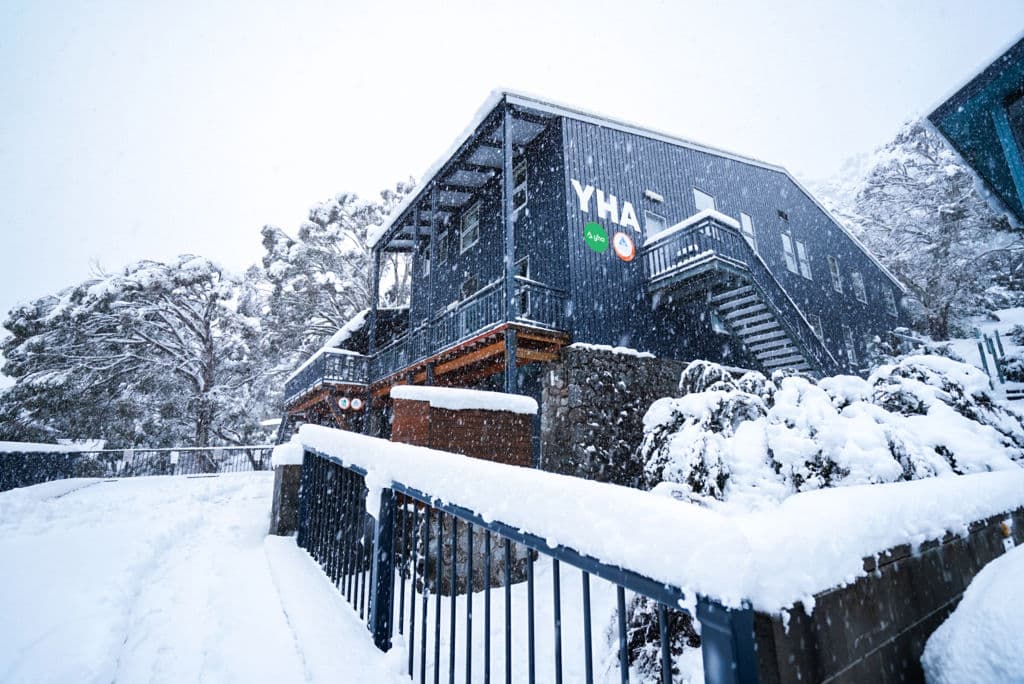
YHA Australia recently became Australia’s first owned and operated accommodation network to achieve Certified B Corporation status.
Awarded by global non-profit B Lab, the certification assesses businesses on their governance, environmental performance, worker conditions, community impact and customer responsibility. Importantly, it requires ongoing reassessment, pushing organisations to continuously improve rather than meet a one-off standard.
YHA has achieved B Corp certification for all 18 of its properties after being independently certified by Ecotourism Australia, highlighting the growing importance of third-party validation.
For YHA Australia, the process formalised a long-standing commitment to responsible travel.
Will the movement to achieve B Corp by YHA be replicated by other accommodation businesses across Australia?
Rising demand for purpose-driven travel
While Australia is now home to more than 650 Certified B Corporations across industries, uptake within the accommodation sector remains limited, with only a small number of operators achieving certification to date.
However, traveller expectations are rapidly evolving, and demand for sustainable and responsible tourism is rising. Tourism Australia’s Consumer Demand Project shows 70 per cent of international travellers value sustainability when making their travel decisions.
This shift is driving operators to adopt more transparent frameworks, particularly amid increasing scrutiny around “greenwashing” (when a company markets itself as environmentally friendly or sustainable without actually doing the meaningful work to back it up).
For accommodation providers, B Corp is emerging as a way to build trust while embedding accountability into day-to-day operations, from energy use and supply chains to community engagement and employment practices.

Flow-on effects for workplaces and property
While the momentum is being recognised in sectors like tourism and hospitality, the implications are extending into commercial real estate, particularly workplaces.
Office tenants are increasingly seeking buildings that support broader ESG outcomes, including wellness-focused design and the use of sustainable materials.
For landlords and developers, this presents a clear direction for projects.
In Australia, developers such as Assemble Communities and Milieu Property are embedding B Corp principles directly into their projects, from fossil-fuel-free buildings and adaptive reuse to community-focused design and new housing models that prioritise long-term liveability over short-term returns.