Inside G’day’s off-market move on Noosa’s 'best kept eco-camping secret'
A lakeside microbrewery, eco-safaris through one of only two everglade systems on Earth and more than 300 glamping and camping sites have drawn Australia’s biggest regional accommodation operator deeper into Queensland’s booming tourism market.
Adelaide-based G’day Group – majority owned by Australian Retirement Trust – has acquired Habitat Noosa Everglades EcoCamp from its founders and private owners at the gateway to the Noosa Everglades, strengthening the group’s push into premium nature-based tourism experiences ahead of the Brisbane 2032 Olympics.
The off-market deal for the business and leasehold at Elanda Point Road in Elanda Point, about 25 minutes outside of Noosa, was struck for an undisclosed sum – believed to be in the vicinity of $50 million – after negotiations began mid-last year, lifting the group’s Queensland investment over the past three years to about $110 million.
G’day Group – founded by Grant Wilckens in 2004 with three caravan parks in Western Australia – has grown into a more than $2 billion regional tourism and accommodation platform spanning more than 330 properties nationally across its Discovery Parks and Resorts, G’day Parks and WikiCamps businesses.
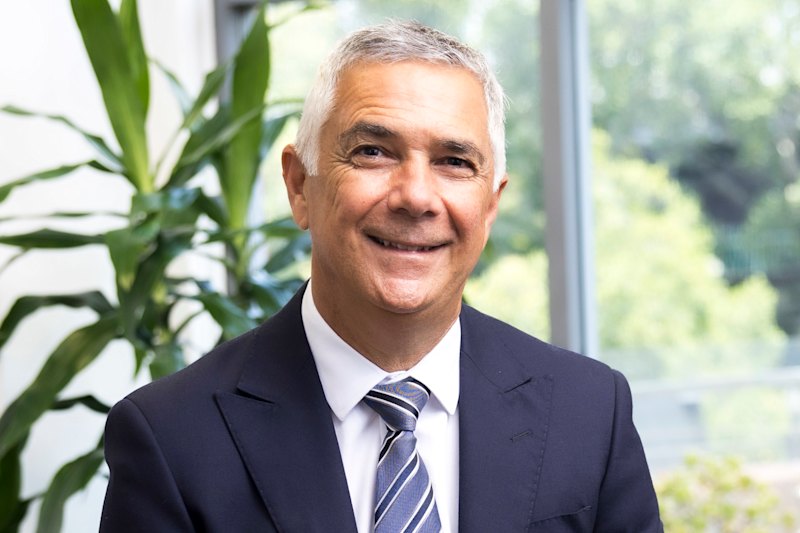
“We acquired the property off-market, working with the former owners since mid-last year through a considered, collaborative process to completion,” Wilckens says, noting the acquisition marks 97 Discovery Parks and Resorts nationwide.
“While the purchase price is commercially sensitive, we can confirm this acquisition accounts for close to half of the $110 million G’day Group has invested to date in Queensland, with the state continuing to be an important part of our future investment plans.”
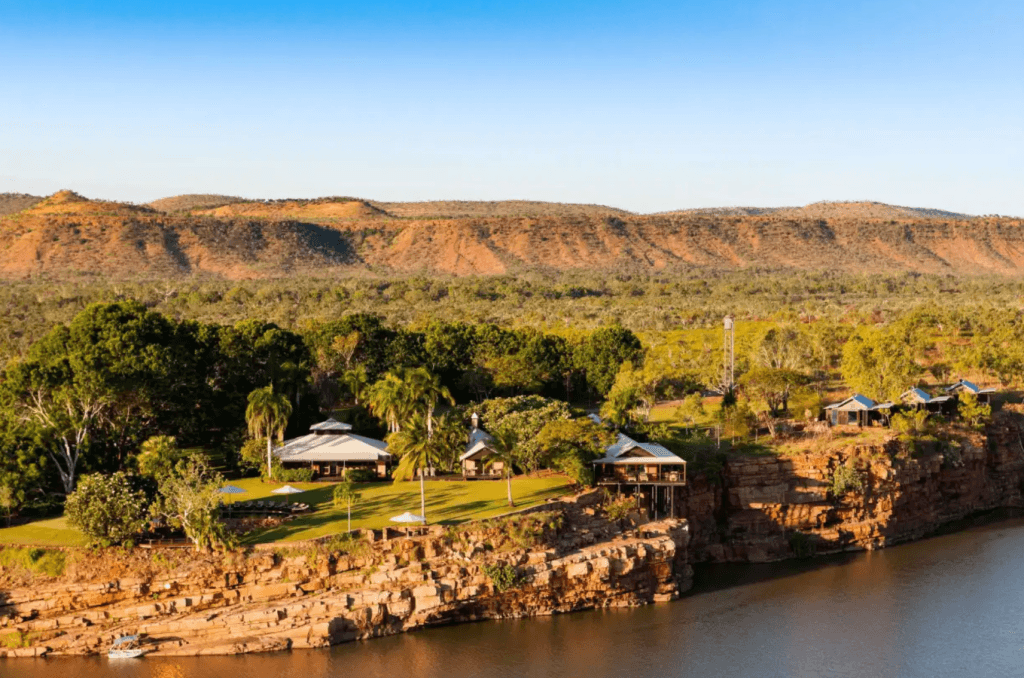
Its portfolio includes major tourism destinations such as Kings Canyon in the Northern Territory, WA’s Rottnest Island, and El Questro in the Kimberley.
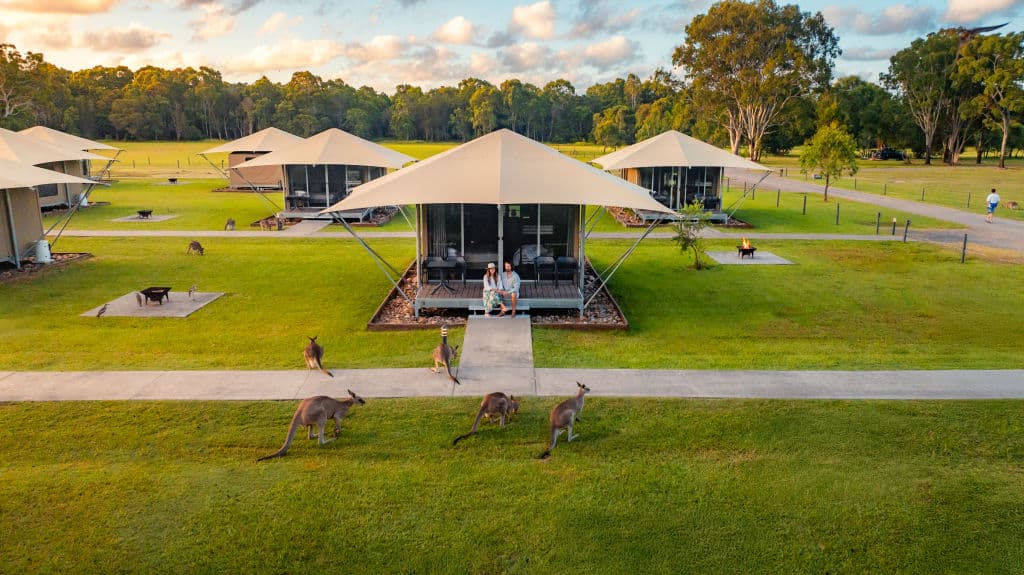
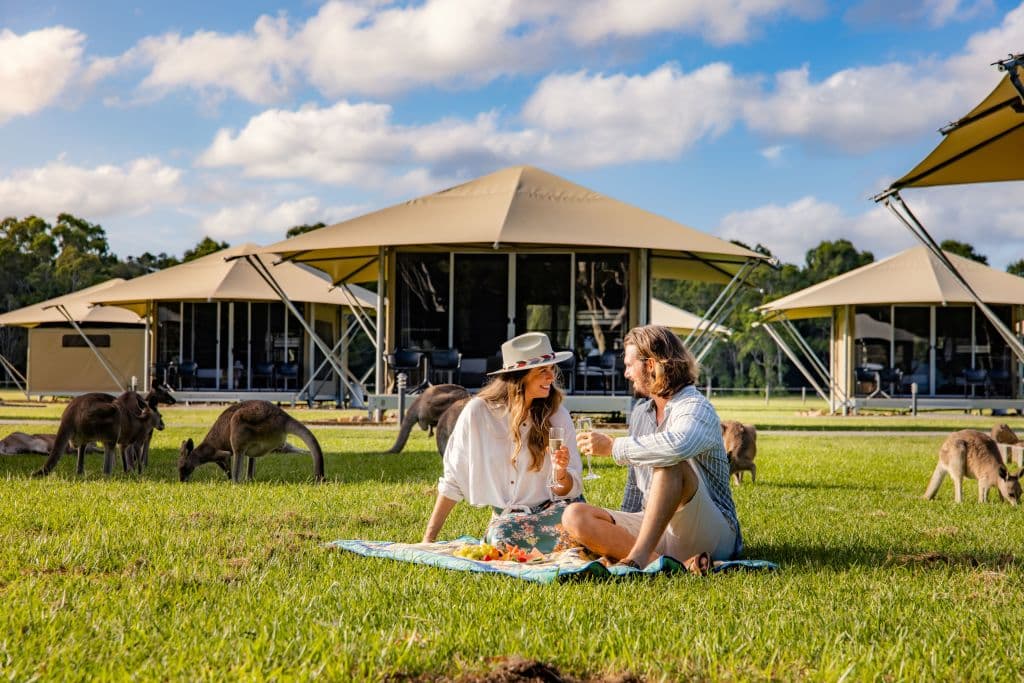
Located within Great Sandy National Park, the 26-hectare Habitat Noosa Everglades EcoCamp property combines glamping tents, backpacker cabins, powered campsites and eco-tourism experiences alongside a 200-seat bar and bistro overlooking its beachfront at Lake Cootharaba, an on-site microbrewery and a complimentary shuttle service to and from Noosa Heads.
The acquisition also includes a new 60-year lease from the Queensland government and about five hectares of undeveloped land earmarked for future growth opportunities, alongside Everglades Eco Safaris, the sole commercial boat tour operator in the Noosa Everglades.
Far removed from Hastings Street’s dining and bougie boutiques, Habitat Noosa self-describes as “Noosa’s best kept eco-camping secret”, drawing travellers chasing campfires, canoeing, mirrored waterways and a more immersive wilderness-style escape.
The site officially opened in 2018 as Habitat Noosa following major redevelopment works and has since positioned itself as an “accessible wilderness experience” within the UNESCO-recognised Noosa Biosphere Reserve.
Originally redeveloped by brothers Wade and Paul Batty after securing the lease in 2016, Habitat Noosa expanded rapidly during the pandemic tourism boom, adding glamping accommodation, upgraded hospitality offerings and the brewery as travellers increasingly sought eco-focused regional escapes.
Wade – the site’s longtime manager – spoke passionately about the wilderness setting during an appearance on Channel 9’s My Way late last year, describing the Everglades as “an Australian marvel”.
“The Everglades, one of only two in the world. It really is a natural wilderness area,” Batty says in the episode.
“A little unknown. Cooloola National Park – 60,000 hectares, and the Noosa River running right through the middle of it up into the sand dunes of the Cooloola Sandmass.
“When I first came to Habitat Noosa, I camped down here amongst the paperbark trees and fell in love with the place there and then.
“It’s a peaceful place that brings a lot of harmony to your heart.”
The pair were contacted for comment, but did not respond prior to publication.
The brothers’ lockdown efforts paid off, with the eco-camp winning gold in the New Tourism Business category at the 2020 Qantas Australian Tourism Awards and was also recognised in the Best of Queensland Experiences Program for 2026 by Tourism and Events Queensland.
Habitat Noosa attracts more than 65,000 visitors annually and is forecast to contribute almost $40 million in economic activity and support more than 150 full-time jobs in the region, according to the Caravan Industry Association of Australia and BDO’s 2026 Global Economic Contribution Report.
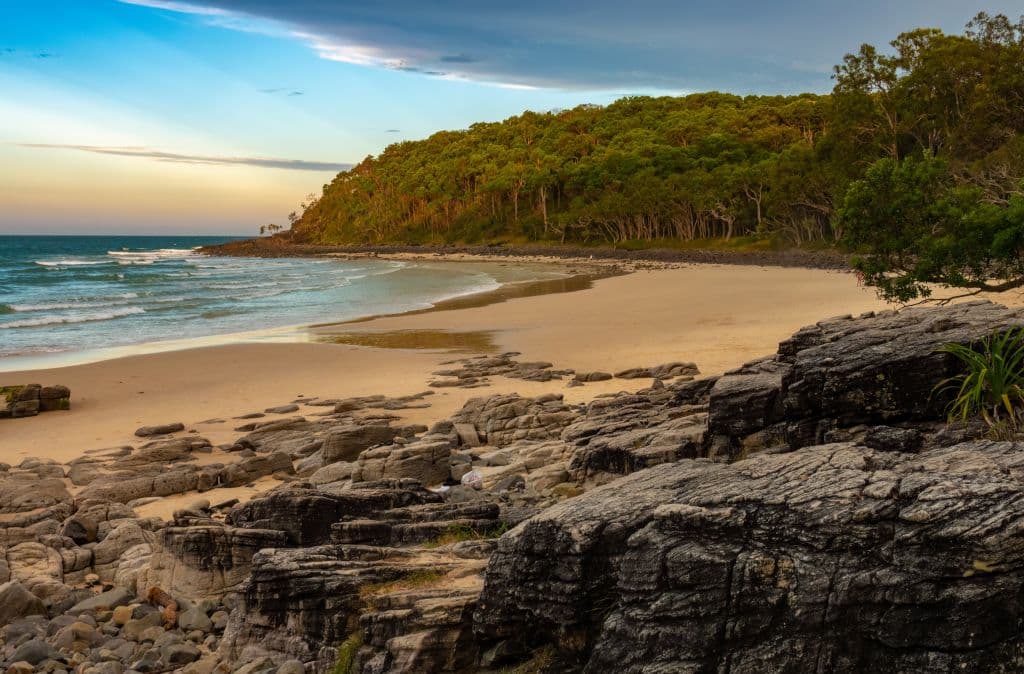
The national park site has a long tourism history, with former operator Brian Mays first securing a 10-year lease at Elanda Point in 1975, followed by two 50-year lease extensions between 1983 and 1986, allowing the campground to continue operating as the Elanda Point Education Centre, popular with Scout and Girl Guide groups.
The acquisition also comes as Noosa prepares for increased international exposure ahead of the Brisbane 2032 Olympics, with Noosa Shire Council recently backing a new 10-year tourism strategy focused on sustainable visitor growth and nature-based experiences.
International visitor spending in Noosa recently hit a record $131 million – 35 per cent above pre-pandemic levels – according to data published by Visit Noosa.
Wilckens says Habitat Noosa aligned closely with the “premium asset” type that G’day Group was increasingly targeting through its Discovery Resorts platform.
“With favourable year-round weather, a strong domestic tourism profile, and an accessible drive market located less than two hours from Brisbane, we see significant opportunity to further invest in and enhance the property’s existing assets,” he says.
“The property delivers an elevated blend of accommodation, hospitality, and touring experiences in one of Australia’s most iconic regional destinations, exactly the type of premium asset we seek for our Discovery Resorts portfolio.”
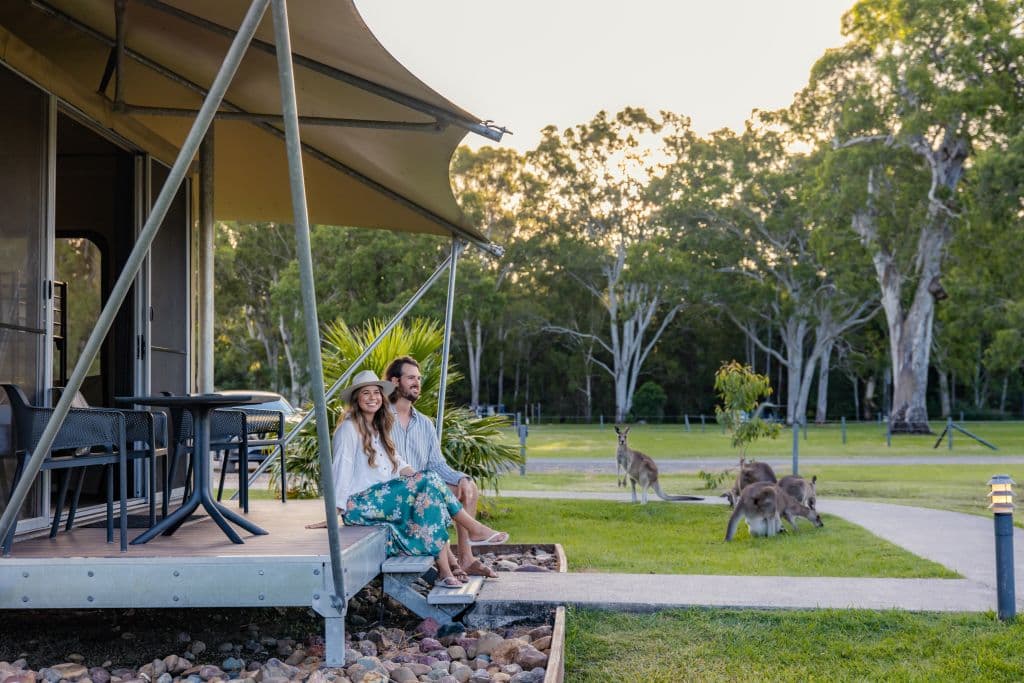
He says traveller expectations had evolved well beyond traditional caravan park accommodation.
“As travellers seek more value and experiences as part of their journey, the type of acquisition opportunities we seek today has evolved significantly toward more diversified tourism offerings,” says.
“The mix of accommodation at Habitat Noosa – spanning glamping tents, powered and unpowered sites, and backpacker-style cabins – captures the interest of everyone from families, backpackers to grey nomads.”
“Guests staying at Habitat Noosa can really do it all in one location which is what sets our Discovery properties apart.”
The acquisition reflects the broader shift underway across Australia’s tourism accommodation sector, in which travellers are increasingly paying premiums for immersive, nature-based stays that combine hospitality, wellness and experience-led travel.
On track to become a $2.5 billion business by 2026, G’day Group’s Wilckens is also a board director of the South Australian Tourism Commission and former chair of the Caravan Industry Association of Australia.
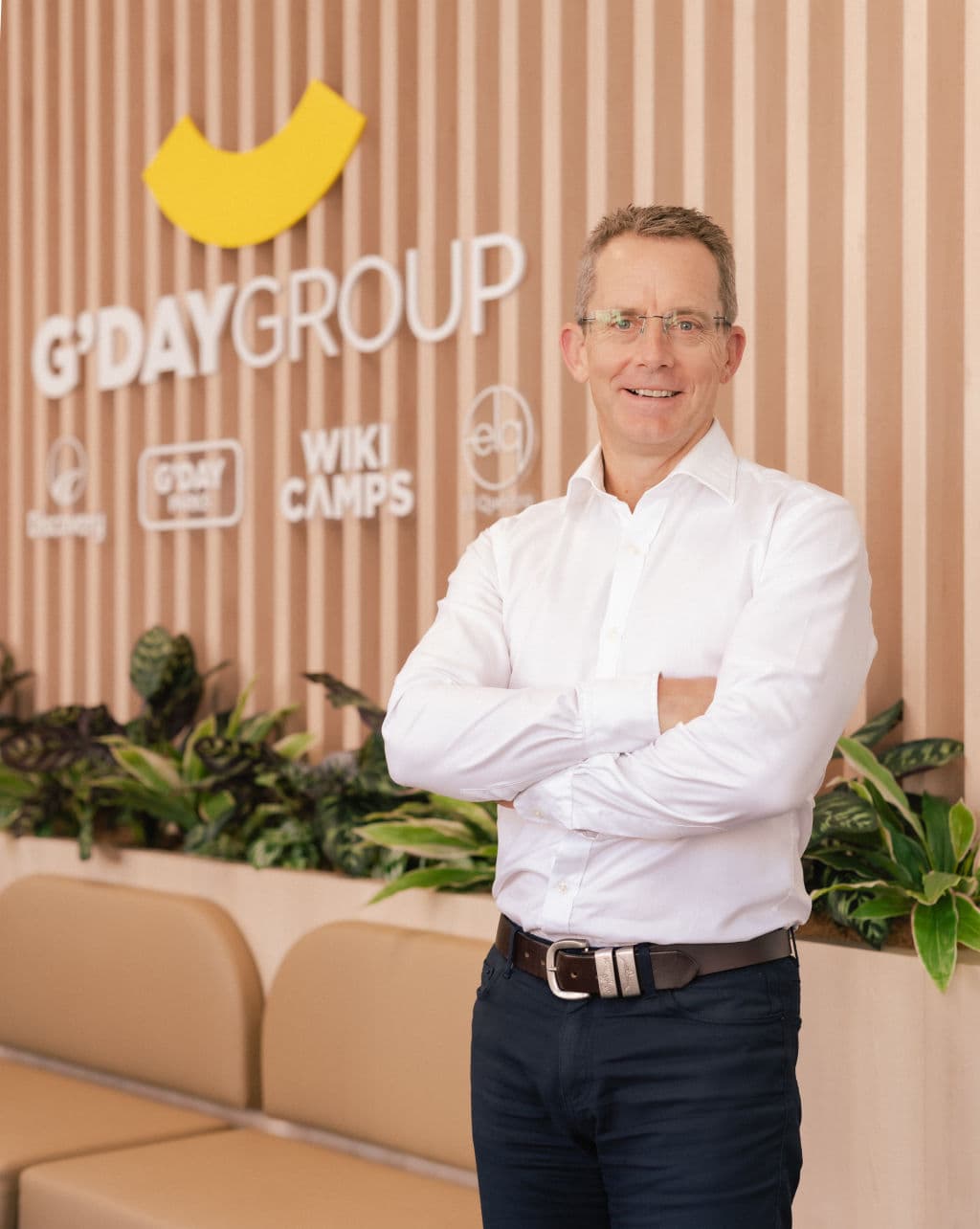
Alongside the Noosa purchase, the group says it is spending more than $50 million upgrading and expanding existing Queensland assets, including a roughly $5 million cabin expansion at Discovery Parks – Fraser Street in Hervey Bay, a $5.5 million project at Discovery Parks – Coolwaters in Yeppoon, and another $5 million expansion at Discovery Parks-Townsville.
Wilckens says the broader economic benefits extend well beyond the park itself.
“For every dollar spent on regional accommodation, approximately three dollars flows into local shops, restaurants, cafes and experiences,” he says.
“As an Australian-founded business, we build partnerships with local suppliers, tourism operators and of course, directly employ locals.”
Wilckens says there are no immediate development plans for Habitat Noosa, but has flagged potential future expansion across the site, which already capitalises on its unique microbrewery.
“Across a number of our Queensland assets, we’ve invested in additional cabin and premium accommodation inventory because that’s where we continue to see strong demand and growth in the market,” he says.
“While it’s still early days and there are no immediate development plans to announce for Habitat Noosa, the business gives us flexibility to thoughtfully expand the offering over time in line with guest demand and the long-term vision for the property.”
The microbrewery uses water sourced from the nearby Cooloola Sandmass sub-artesian basin, which is filtered through sand and gravel for 75 years.
“Our water is blended with the finest high gravity wort, the best yeast and hops from around the world to create a 100 per cent natural beer, free of preservatives, additives or flavours,” according to Habitat Noosa’s website.
The eco-tourism business has also heavily promoted sustainability initiatives, including generating much of its own energy through solar infrastructure, harvesting and treating its own water on-site and using biodegradable packaging across hospitality operations.
Habitat Noosa’s website claims it operates at about 80 per cent power sustainability and 100 per cent water sustainability as climate pressures increasingly place focus on environmentally sensitive tourism operations.
Wilckens says the Noosa tourism market – popular for blending luxury living with pristine nature – has remained resilient despite broader global uncertainty.
“While international events created a period of uncertainty for domestic and international travellers, the Noosa market has remained strong and we’re optimistic as we see confidence build especially with families who may have changed international plans and are choosing to explore iconic stays like Noosa,” Wilckens says.
There will be no interruptions to existing bookings, and future reservations will already be switched to the Discovery Parks platform from May 13.
The deal marks G’day Group’s second Queensland resort under its Discovery Resorts banner, alongside Discovery Resorts – Undara in Far North Queensland’s lava tube country, and follows the group’s 2025 purchases of Discovery Parks – Lake Tinaroo on the Atherton Tablelands, Discovery Parks – Bargara near Bundaberg and Discovery Parks – Blackwater in central Queensland’s Bowen Basin.
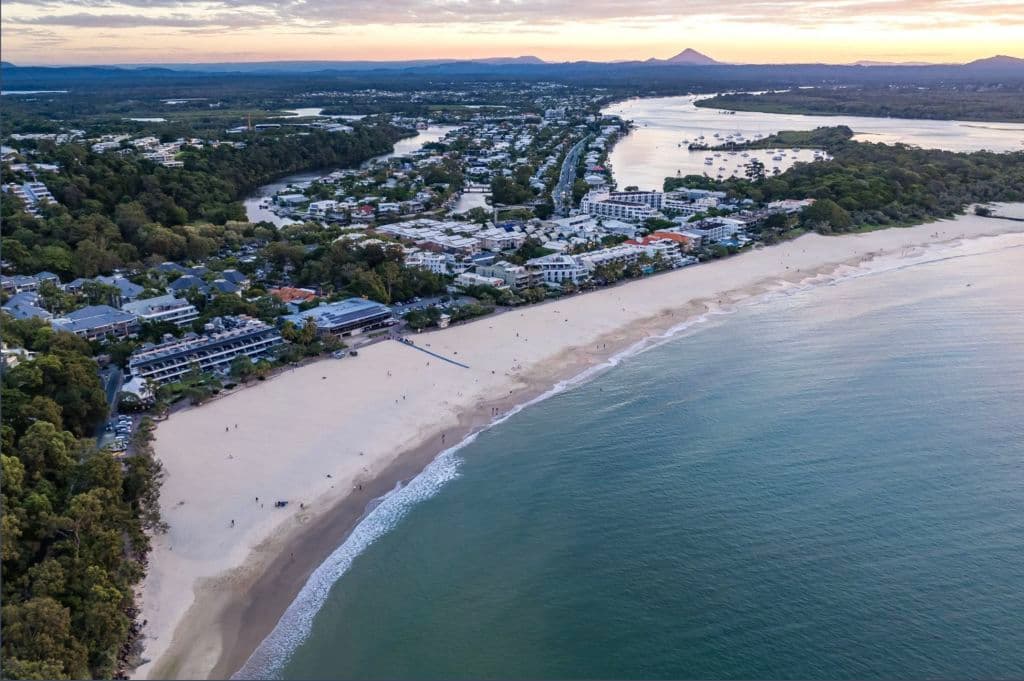
Fringed by stunning beaches and lush hinterland, Noosa was recently named among the world’s top 10 most welcoming towns in 2026, the only Australian destination to make the list. It has become one of Australia’s best-known coastal tourism destinations, blending surfing, paddleboarding, national park walks and wildlife spotting, about 30 minutes from Sunshine Coast Airport.
Noosa property has gone from strength to strength, with a four-bedroom home costing an average of $2.58 million, while an eight-square-metre kiosk in Noosa Heads sold for $1.105 million after hitting the market last year for the first time in 20 years.
The Noosa Everglades are often described as one of only two everglade systems on Earth, alongside the vast, alligator-infested Everglades in Florida, United States.