Super prime warehouses at "effectively zero vacancy"
A void in Australia’s super prime warehouses could become a problem for major logistics and manufacturing companies wanting to set up shop in Sydney and Melbourne.
The market currently has only four leasing options for warehouses over 30,000 square metres, according to Cushman and Wakefield data.
Industrial vacancy rates fell in the first quarter of the year, driven mainly by the plummeting number of available super prime warehouses, which are defined as properties built after 2020 with the latest in automation technology, sustainability credentials and high clearance metrics.
Super prime vacancy fell from 10.5 per cent in the last quarter of 2025 to 7.4 per cent in the first quarter of 2026, JLL statistics show.
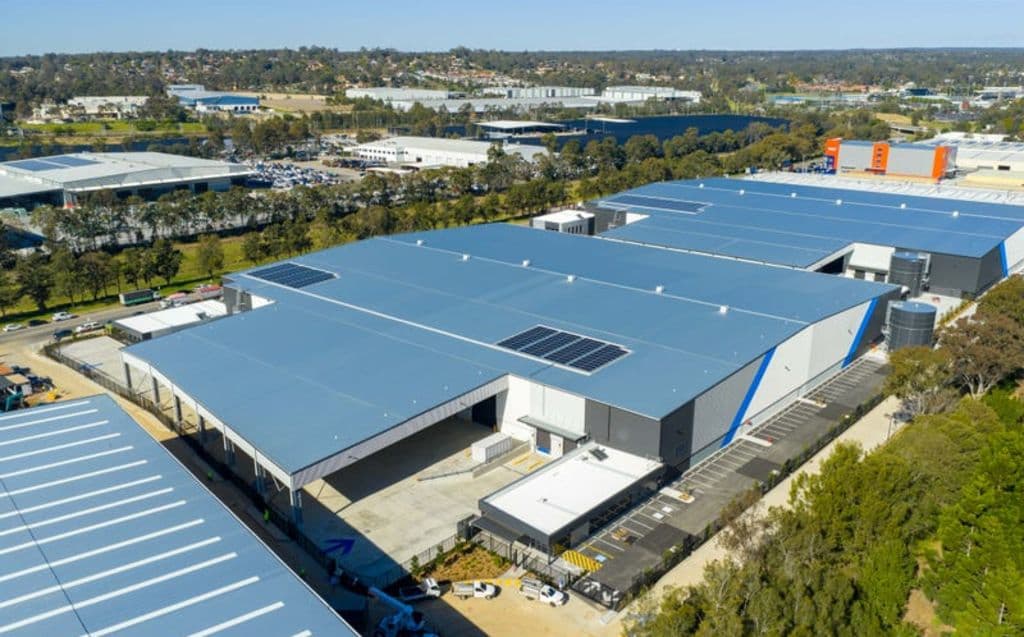
Demand for older buildings decreased, with vacancy in secondary assets jumping from 4.3 per cent to 4.6 per cent in Melbourne, and from 4.8 per cent to 5.4 per cent in Sydney. This mirrors the flight-to-quality trend seen across the wider commercial property market.
Retrofitting secondary assets to meet the high specifications offered by today’s super prime warehouses is often too complex and costly for prospective tenants.
“The costs wouldn’t make it feasible, but that’s not to say that those older sheds are no longer useful because you’ve got to remember the majority of occupiers don’t have heavy automation or they’re basically just using the sheds for storage,” Crawford said.
“Those groups don’t need the latest generation. So, it’s not to say every occupier wants a super prime shed because to get that super prime, you got to pay for it. A lot of groups would rather a more affordable shed that basically fits their needs.”
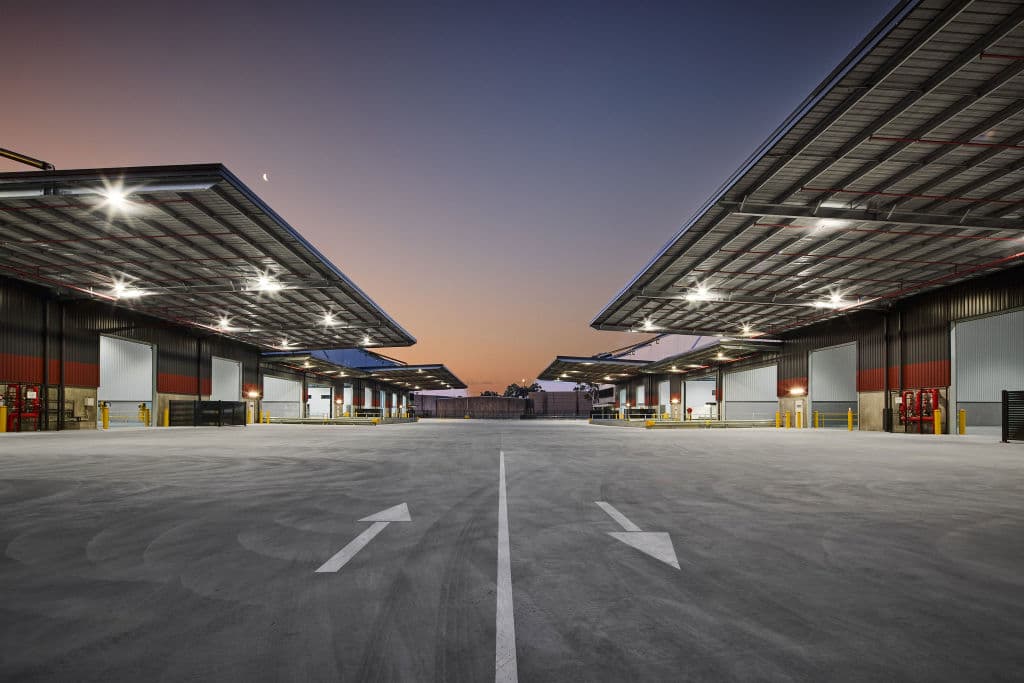
Industrial tenants shopping for super prime warehouses are more likely to head to Melbourne rather than Sydney, Crawford said.
“Melbourne’s probably the epicentre of development just because you’ve got more land than any other market and the other benefit for occupiers in Melbourne is the rent cost is about half of that in Sydney,” he said.
“So, if they’re looking to set up a national distribution centre, Melbourne’s quite attractive in that not only is it the busiest port in the country, but you’ve got half the occupancy cost than you would in Sydney. Land in Melbourne’s about half of that in Sydney.”

Australia has become an attractive location for major e-commerce companies, most notably Amazon. In March, the global retailing giant announced it would build a 150,000-square-metre fulfilment centre at North Maclean, 50 kilometres south of Brisbane.
Limited land supply in Sydney is becoming a major obstacle for local manufacturers and logistics operators, as well as for overseas companies eyeing potential expansion sites, said Trent Gallagher, Colliers national director, property sales and leasing, industrial and logistics.
“We’re currently seeing a critical shortage of super prime logistics facilities across Sydney’s outer and inner-south-west markets with effectively zero vacancy in assets above 30,000 square metres,” he said.
“Large-format warehouses have been fully absorbed in the outer south west, with only limited availability remaining in key precincts such as Moorebank.
“The market is increasingly becoming two-speed in nature. While smaller and mid-sized facilities are seeing softer conditions, institutional-grade logistics assets remain heavily undersupplied.
“This is creating challenges for logistics operators, manufacturers looking to expand and offshore entrants, many of whom are now being forced into pre-commitments, build-to-suit solutions or compromises on location due to the lack of immediately available stock.”