Rugby World Cup 2027 presents golden opportunity for Australia's hotel sector
A packed events calendar spells profitable times ahead for hotel operators, but the trick lies in keeping visitors coming back, experts say.
An analysis of Australia’s hotel market has found there are golden tourism opportunities to come from major sporting events like the 2027 Rugby World Cup to be staged across the country.
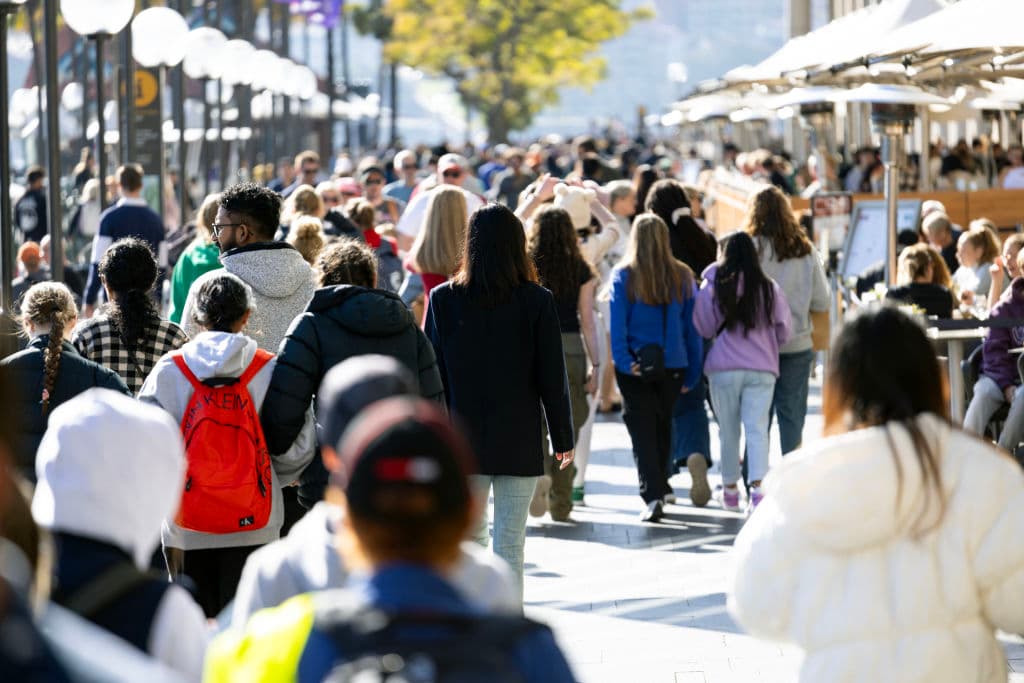
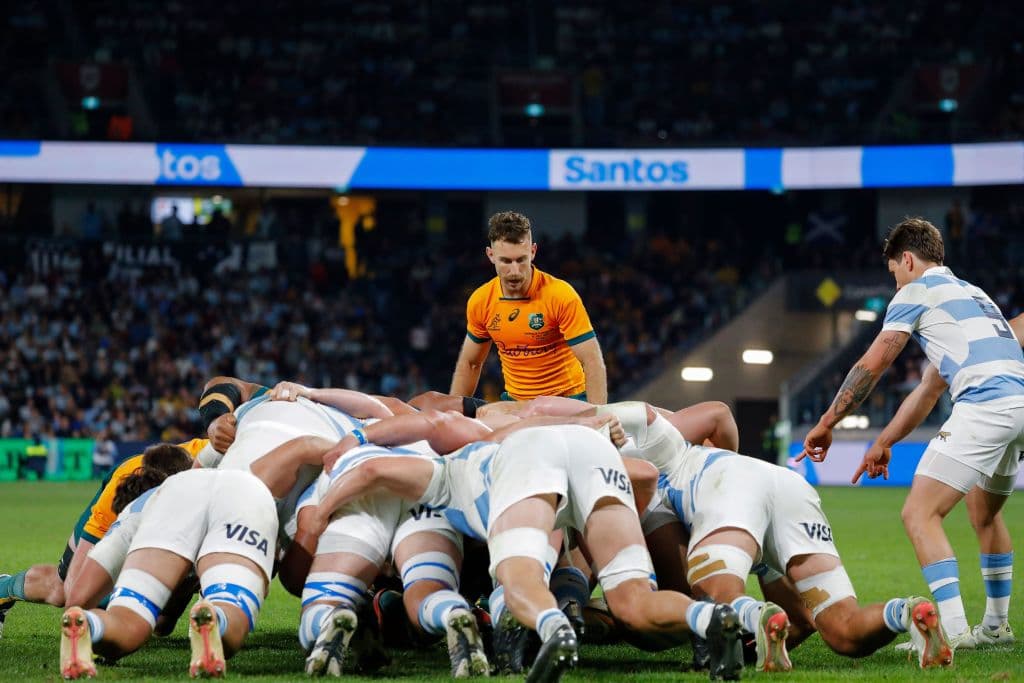
The 52 games to be played in Adelaide, Brisbane, Melbourne, Newcastle, Perth, Sydney and Townsville by 16 teams from as far afield as Argentina and Zimbabwe are expected to attract 250,000 visitors.
Hotels need to be ready in more ways than one to make the most of the tourism boon.
Higher room rates the focus
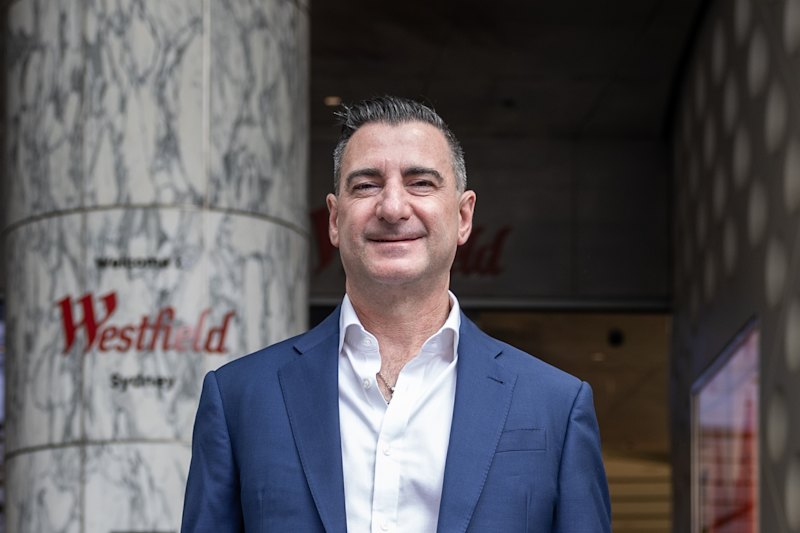
Operators in key markets like Sydney – which will host 17 games, including the semi-finals and finals – need to capitalise on the influx of fans, players and officials while also converting higher demand into profitability, says Karen Wales, Collier’s head of hotels, Australia, transaction services.
“The opportunity extends well beyond simply filling rooms,” Wales says.
“Sydney already has relatively high occupancy, so the real opportunity for operators will be to convert the additional demand into stronger room rates and higher guest spend, while maximising the value of every booking.
“The tournament should also create opportunities around premium and experience-led offerings and ancillary revenue.”
During the 2003 Rugby World Cup, Sydney hotels recorded a 24.5 per cent uplift in revenue per available room. Wales says this was driven by higher room rates rather than occupancy growth.
Occupancy rates in 2002 were averaging 72.2 per cent and rose to 76.1 per cent. Colliers data for the September quarter shows Sydney’s hotel vacancy rates averaged 84 per cent, which puts the harbourside city in an even better position than it was in 2003.
Wales says hotel operators have every reason to be positive with constrained new supply into the future and a larger fixture allocation for the cup than in 2003.
An opportunity to create quality
Ten matches will be played in Brisbane, giving the city an opportunity to strengthen its readiness for the 2032 Olympic and Paralympic Games, and experts say the key to hotels turning a profit lies in quality.
Speaking at the Property Congress in the Quesnsland capital last month, Brisbane 2032 president Andrew Liveris urged the property sector to build permanent rather than temporary hotel capacity in Queensland for the Games.
Longevity achieved through quality is what hotel operators are aiming for, and for many, this means refurbishment.
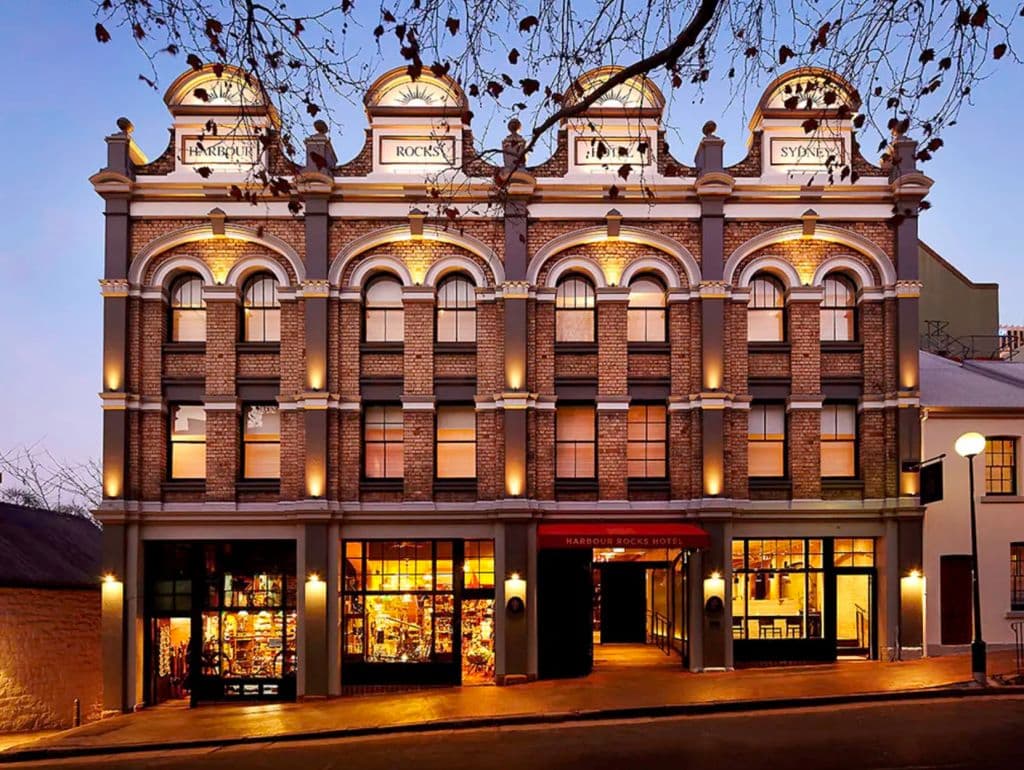
Two examples in Sydney are the Sydney Harbour Hotel, which recently changed hands and is currently undergoing a major refurbishment, and the Harbour Rocks Hotel, which has just opened its doors after the completion of a significant refurbishment.
In Adelaide, family-owned Amora Hotels and Resorts group will spend $73 million transforming the Amora Hotel Adelaide, a 380-room hotel overlooking Victoria Square, rather than pursuing a new development.
“While some investors remain on the sidelines, others are positioning now to benefit from Australia’s tourism and events super-cycle, targeting existing hotel assets where operational improvements, refurbishment and repositioning can create value ahead of Rugby World Cup 2027 and beyond,” Wales says.
Not just about filling rooms
Hotel operators need to move beyond maximising occupancy and focus on earning into the future, she adds.
“For 2027, we think the defining issue will be earnings quality: how effectively hotels convert very strong demand into sustainable profit,” Wales says. “That means looking at rate, but also at the revenue generated beyond the room and the cost of acquiring that guest.
“Net revenue contribution, customer acquisition costs and asset-level profitability are becoming increasingly important measures.
“At the same time, premium experiences and ancillary spending can increase the overall value of the stay.”