Regional universities drive student accommodation squeeze
Regional hubs are the next chapter for student accommodation as enrolments rise at universities outside the major capital cities.
Data shows regional universities are attracting more international and domestic students as their standing on the world stage improves.
Ray White’s analysis of Times Higher Education World University Rankings between 2016 and 2026 has found the University of Wollongong and Deakin University (Geelong) rose to the top 250 universities, while the University of Newcastle, University of Tasmania (Hobart), Griffith University (Gold Coast and Brisbane) and LaTrobe University (outer Melbourne) lifted to the top 300.
Ray White head of research Vanessa Rader says the increasing quality of Australia’s regional universities is a drawcard for students.
“These universities, particularly those in regional markets, are improving up the rankings; they’ve got a better reputation, and both international and domestic students are looking to go to them,” she says.
“In the past, overseas students were discounting these universities, but they’re not anymore.”
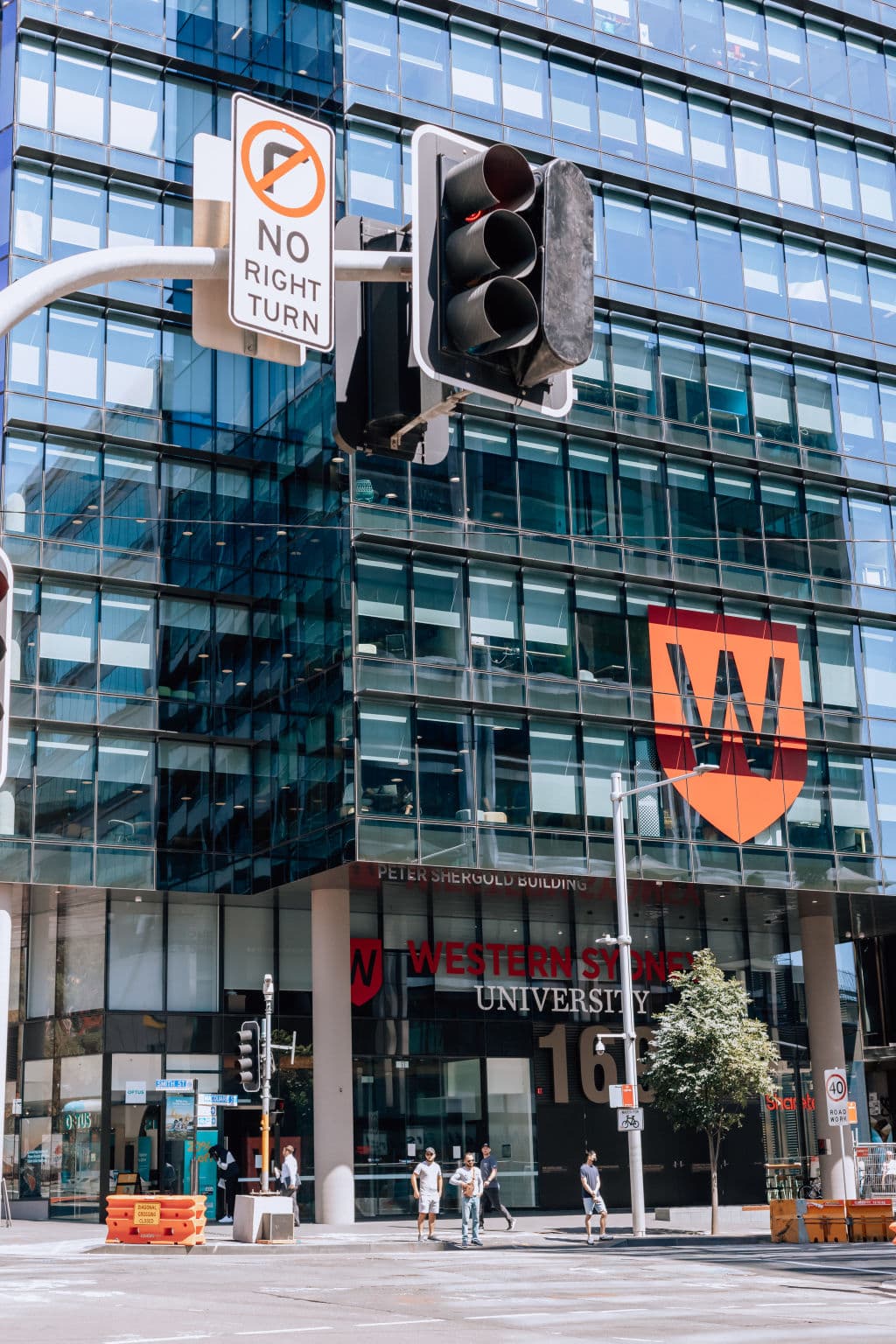
Department of Home Affairs figures show international student enrolments are highest in Parramatta, close to Western Sydney University, at 12,689 students, followed by Gold Coast, near James Cook University, at 10,006 students and Illawarra, near the University of Wollongong, at 5132 students.
However, student accommodation construction has not kept up with regional growth. Rader says the pipeline through to 2029 is typically in major cities, with Melbourne, Sydney or Perth accounting for 70 per cent of new buildings or those in the planning stages.
“That leaves a widening gap in exactly the locations where rankings and enrolment growth suggest demand is building fastest,” Rader says.
“There are reasons this gap has persisted. Feasibility is harder to stack up outside the major cities, where land costs are lower but so are achievable rents, and where a smaller total student population makes a large-scale purpose-built development a higher-risk proposition for a single site.
“Institutional capital has understandably gravitated toward the deepest, most liquid markets first, chasing certainty over opportunity.”
Construction of two-thirds of the 47,000 approved purpose-built student accommodation (PBSA) beds has yet to begin, according to a report by Urbis commissioned by the Student Accommodation Council, a division of the Property Council of Australia.
The report, Unfit for Purpose, says that residential tenancy laws in Queensland, Victoria and NSW that are designed for the private rental market are actually shrinking investment in student accommodation.
Property Council chief executive Mike Zorbas says governments risk worsening Australia’s housing gap by misapplying conventional rental rules to the sector.
“Without proper targeting, these laws are chilling new investment interest in this higher-quality accommodation that can drive the cost of renting down for everyone,” Zorbas says.
“Purpose-built student apartments quickly add to new housing supply and directly soak up demand in the private rental market.
“Blanket state and capital-city tenancy laws create a policy spiral. Governments make student housing harder to operate.
“This makes student housing less attractive to invest in. The result is fewer projects built, fewer rooms for rent and greater competition for existing rental housing.”
Ray White data shows the student accommodation sector recorded $1.9 billion in transactions in 2025 with volumes slowing through the first half of 2026. But this was attributed to a series of large-scale acquisitions rather than any retreat in demand.
Sydney led transaction activity at $436.3 million across six properties, while Adelaide came close behind at $385.5 million, ahead of Melbourne’s $344.6 million. Brisbane, Perth and Canberra each recorded transactions above $225 million.