Australia’s retail closures of 2026
2026 has been one of the hardest years for the retail sector, forcing several Australian chains to shutter physical stores – or fold altogether.
Households are curbing discretionary spending while business operating costs are continuing to climb, squeezing the sector from both sides, says CoStar senior commercial property analyst Sath Peiris.
“Five RBA rate hikes in 2026 to an 18-year high, alongside higher fuel costs and persisting inflation are pressuring household budgets,” Peiris says.
“Discretionary gets cut first. Growth in household spending is holding up in nominal (dollar) terms but much of that is higher prices rather than stronger activity, with modest growth in real (volume) terms.”
Online shopping continues to gain market share over in-store shopping and Peiris says that retailers who are slow to build their online offering will lose out to marketplaces like Amazon and Temu.
“Value players like Kmart and Bunnings are resilient whereas single-category specialists and mid-market department stores are getting squeezed,” Peiris adds.
These are some of the major Australian retailers that have closed stores – or disappeared – this year.
David Jones
David Jones will close 19 of its 38 stores by the end of the year, receiver FTI Consulting announced last week, as it moves to restructure the department store.
Nine of the closures are in Westfield centres run by Scentre Group, the chain’s largest landlord. These include Carousel in Perth, Parramatta and Hornsby in Sydney, and Woden in Canberra.
The stores will keep trading for now.
FTI said there was no set date for the closures, but expected them to stop trading by the end of the year.
“Whilst the impacts are highly regrettable, the receivers believe the steps are unavoidable if David Jones is to continue as a viable business and these measures will help give David Jones the best chance for a sustainable future,” FTI said in a statement.
The chain employs around 6000 staff, with the closures estimated to impact up to 3000 retail and support roles.
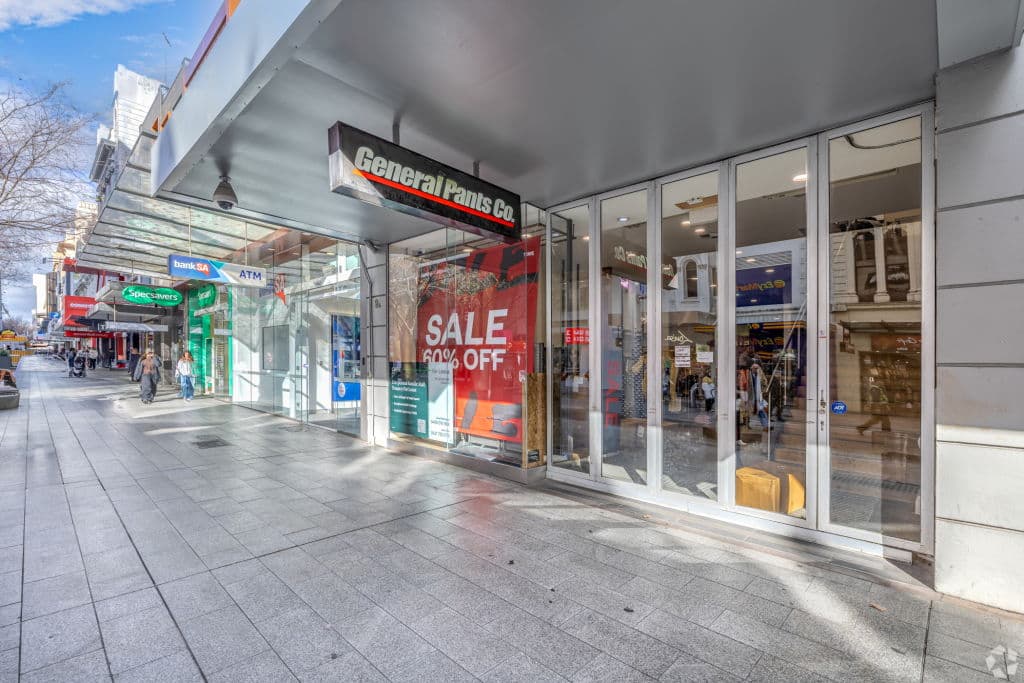
General Pants Co.
Youth fashion retailer General Pants Co. entered voluntary administration this week.
Owner Alquemie Group appointed Jason Tracey and Glen Kanevsky of Alvarez & Marsal as administrators late on Wednesday.
All 35 stores and the online business will continue trading, gift cards will still be accepted and staff will continue to be paid, the administrators said.
The chain employs 475 people across Australia and New Zealand, The Australian Financial Review (AFR) reported.
General Pants Co. had about 60 stores when Alquemie bought it from the Victor Smorgon Group for more than $60 million in May 2022. The chain was founded on Sydney’s George Street in 1972.
Lincraft
In June, Lincraft announced the phased closure of its entire physical store network across Australia and New Zealand.
Lincraft operated for over 80 years and at its peak, the craft and sewing retailer operated in over 60 locations. However at the time of the announcement, roughly 30 stores remained.
Across both countries, it was estimated 300-500 retail and support roles were cut.
The retailer is now continuing as a digital, e-commerce-only platform.
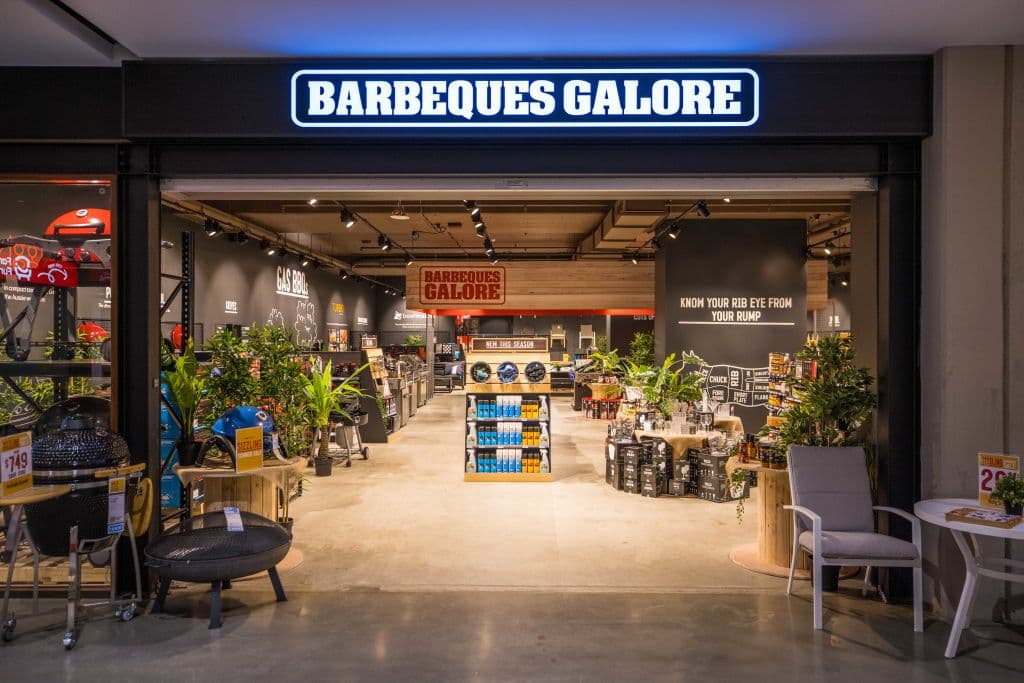
Barbeques Galore
The Australian retail chain began in the 1970s however, the business entered into voluntary administration in February.
By June, Barbeques Galore announced that it was unable to find a buyer or complete a recapitalisation which meant 60 stores were set to close.
On top of this, an additional 27 independently owned and operated franchise stores were to face “transitional agreements.”
Barbeques Galore had about 500 staff as of its collapse in February who receivers said “will be paid their full accrued redundancies and termination payments in the ordinary course of separation.”
The Reject Shop
The four-decade-old Australian brand – which was founded in Melbourne by Ron Hall and John Shuster in 1981 – was acquired by Canadian discount giant Dollarama in a $259 million takeover.
The acquisition was completed in July 2025 and since then, Dollarama has been converting and rebranding all 395 Reject Shop stores.
It is expected that by 2027, all stores across the country will be converted to Dollarama outlets.
Glue Store
Founded in 1998, youth clothing retailer Glue Store permanently closed its stores and website in June after nearly three decades in business.
The shutdown followed an $8.4 million loss earlier in the year and a February decision by Accent Group – which acquired Glue in 2021 – to wind down the brand.
“After many years of bringing you the styles you love, Glue Store has permanently closed – both in store and online,” Glue said in a statement.
“We are so grateful for your loyalty and support over the years.”

Betts
Betts entered voluntary administration in early July, citing falling foot traffic and rising costs.
However, in late October, creditors backed a $13.3 million rescue deal, securing the future of the 134-year old family business under its founding family’s control.
Betts was preparing to close 20 of its remaining 35 stores when the deed of company arrangement was secured.
The shoe retailer will now operate with a streamlined store network, with a further six locations to close including three in New South Wales, two in Western Australia and one in Victoria.
Sass and Bide
In January, Sass and Bide announced it was shutting all physical and online stores.
It was a strategic decision by parent company Myer as it looked to overhaul and reinvent the brand.
“From the end of January 2026, our stores and MYER concessions will be closed. From the end of February 2026, our online store will close, too,” a statement on the brand’s website said.
“While we’re offline, we’ll be re-imagining what Sass & Bide can and should look like.
“The direction may be new, but a free-spirited and distinctly Australian attitude is at the heart of who we are, and that will never change.”
Aussie Disposals
Camping and military surplus retailer Aussie Disposals entered voluntary administration in March, owing $4 million to creditors.
After administrators failed to secure a buyer for the chain’s seven company-owned stores, as well as the Aussie Disposals online store, creditors voted in mid-June to wind up the company, placing it into official liquidation.
However, several long-standing stores including those in Ballarat, Bendigo and Wagga Wagga, have retained the Aussie Disposals identity but trade as independently owned and operated local outlets.
Shona Joy
Fashion label Shona Joy announced it will close after 26 years in business, with the brands founder, Shona Thatcher, saying she wants to spend more time with her family in their Byron Bay home.
Thatcher said the decision was not due to financial distress.
“The business has grown so much, and I can’t manage being a mum as well… I’m successful, and I want to end on a successful note,” she told the Australian Financial Review.
Thatcher said she considered selling the business but after failing to find the right buyer, she opted to wind it down while retaining full ownership of the brand’s intellectual property.
The brand’s online store is expected to remain in operation until January 2027, allowing the business to clear existing inventory and all staff will receive their full entitlements during the process.