Further RBA rate rises may expose pressure points in the commercial property market
Another Reserve Bank of Australia (RBA) rate rise could hit the brakes on parts of Australia’s commercial property market, slowing deals, putting pressure on some valuations, and leaving businesses thinking twice before making their next property move.
The RBA will make its next interest rate decision on Tuesday, with expectations of another increase firming amid persistent inflation pressures.
Governor Michele Bullock added to those expectations earlier this week during a fireside chat hosted by the Committee for Economic Development of Australia in Sydney.
Bullock said the RBA had previously assessed inflation risks as “skewed to the upside”, citing excess demand, the Middle East conflict, and inflation expectations.
While stressing she was not signalling Tuesday’s decision, Bullock said policy makers were considering whether some of those risks were now materialising, noting oil prices remained elevated and there were still signs that demand for goods and services was running ahead of the economy’s capacity to supply them.
The cash rate is currently 4.35 per cent after three increases this year.
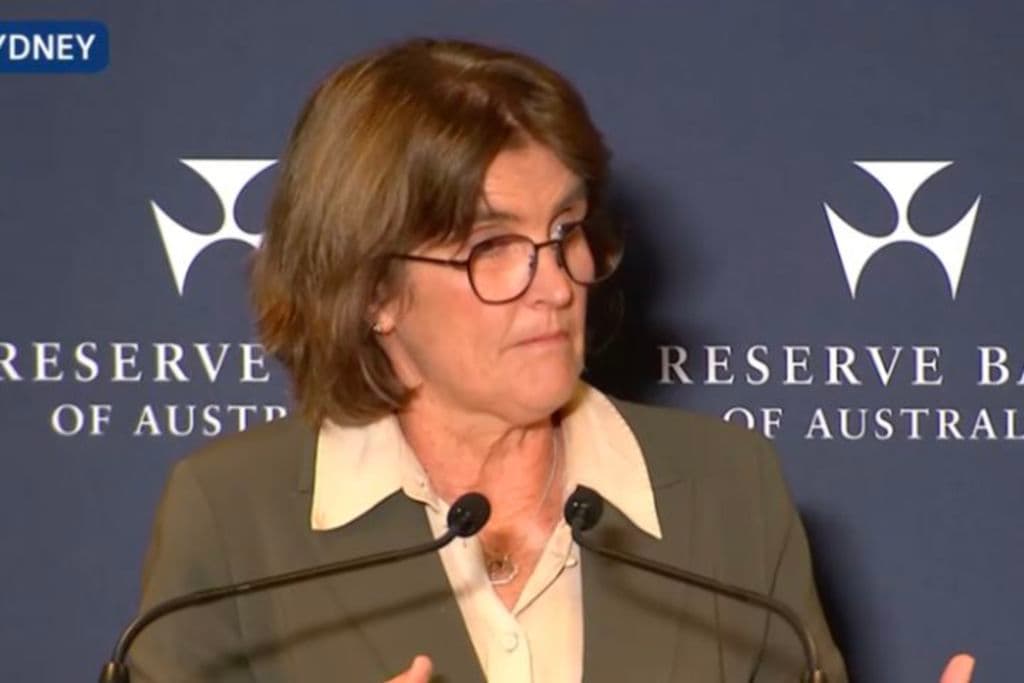
Ray White head of research Vanessa Rader said the outlook had shifted rapidly following recent inflation data.
“We were all feeling very confident that we weren’t going to see interest rate rises again until we got that last lot of inflation data,” she said.
“As soon as that inflation data came out and it was slightly higher than anticipated, it changed the narrative quite quickly.”
Rader said bank economists were increasingly factoring in one or two further rises this year.
Who will feel higher interest rates first?
Rather than one commercial property sector being universally vulnerable, Rader said further rate rises were more likely to expose differences between buyers, assets and locations.
Smaller private investors could be among the first to pull back as higher borrowing costs alter the economics of a purchase.
“If interest rates do increase, I think we still see transactions occur,” Rader said. “However, the rush to have those transactions happen definitely slows down.”
Developers could also find it harder to make projects financially viable, while smaller office and retail assets in weaker locations may face greater pressure.
Higher borrowing costs could also put upward pressure on investment yields and weigh on valuations, but Rader said the relationship was not automatic.
“There may be some pressure on yields, but we’re seeing really good quality assets with really good lease covenants, particularly in the industrial market, still sell at very tight yields,” she said.
She also did not expect widespread distressed selling, although pockets of distress could emerge in smaller office and retail properties or markets with higher vacancy.
Why industrial property could stay resilient as rates rise
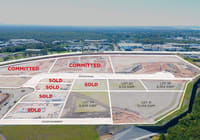
Industrial property could prove to be one of the most resilient parts of the market if interest rates rise further, with constrained land supply and the rising cost of new development helping underpin existing assets.
“There is not enough industrial land to cater for our growing population,” Rader said.
“A lot of markets already have quite tight vacancies. We’ve got a lot of entrepreneurial small businesses that need to occupy space, and we’re seeing a lot of owner-occupier businesses pivot to own their own premises.”
Higher borrowing and construction costs could make new projects harder and more expensive to deliver.
“If it costs more to build something, that means the price will increase for that new asset,” Rader said.
“Businesses need somewhere to operate. They are either forced to pay the expensive price in that new property, or they can stay in the established market.”
That dynamic, she said, could help even older and secondary industrial stock retain its value despite further increases in borrowing costs.

Could higher rates stall commercial property deals?
Australian commercial property transactions reached $19 billion in the first half of 2026, up 16 per cent on the same period in 2025, according to CBRE.
Rader cautioned, however, that several large portfolio and individual asset sales had helped boost the headline result.
“As soon as we started seeing those couple of interest-rate increases, the sentiment did change and the urgency fell out of the market,” she said. “Transactions still occur; however, there are fewer buyers willing to purchase, and the time it takes increases.”
Large deals already well advanced through due diligence were likely to continue, she said, but other buyers could defer decisions until there was greater certainty around rates.
That caution could also extend to occupiers, with businesses facing uncertainty around interest rates, staffing and operating costs that could delay expansions or relocations.
“They want to see how far it’s going to go and how it’s going to affect them,” she said. “They’re unsure whether now is the right time to enter into a new lease or relocate.”