Katoomba housing project offers dual-income rental, sell-down strategy
On the tree-lined Blue Mountains tourist route from central Katoomba to Echo Point and the Three Sisters, a vacant development site has hit the market with approval for a hybrid rental-and-sell-down housing project positioned to tap rental demand.
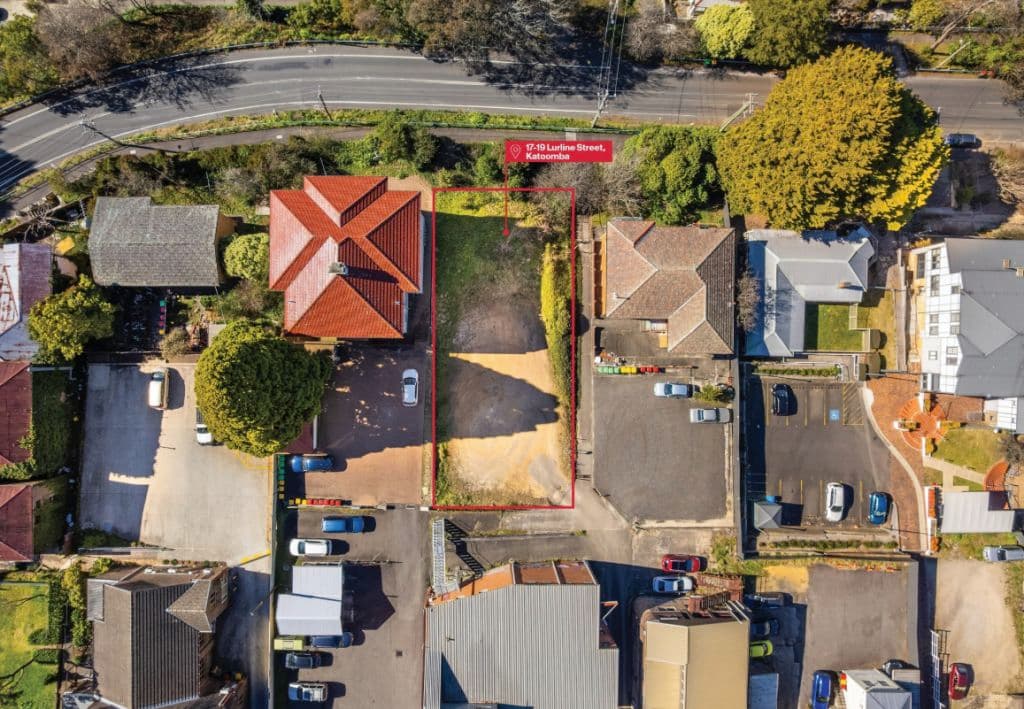
The vacant 715-square-metre site at 17-19 Lurline Street in Katoomba – a tourism-driven gateway to the UNESCO World Heritage-listed area in NSW – has approval for a five-level building comprising 10 self-contained boarding-house rooms, three residential apartments and basement parking, in a scheme designed by Into Architecture.
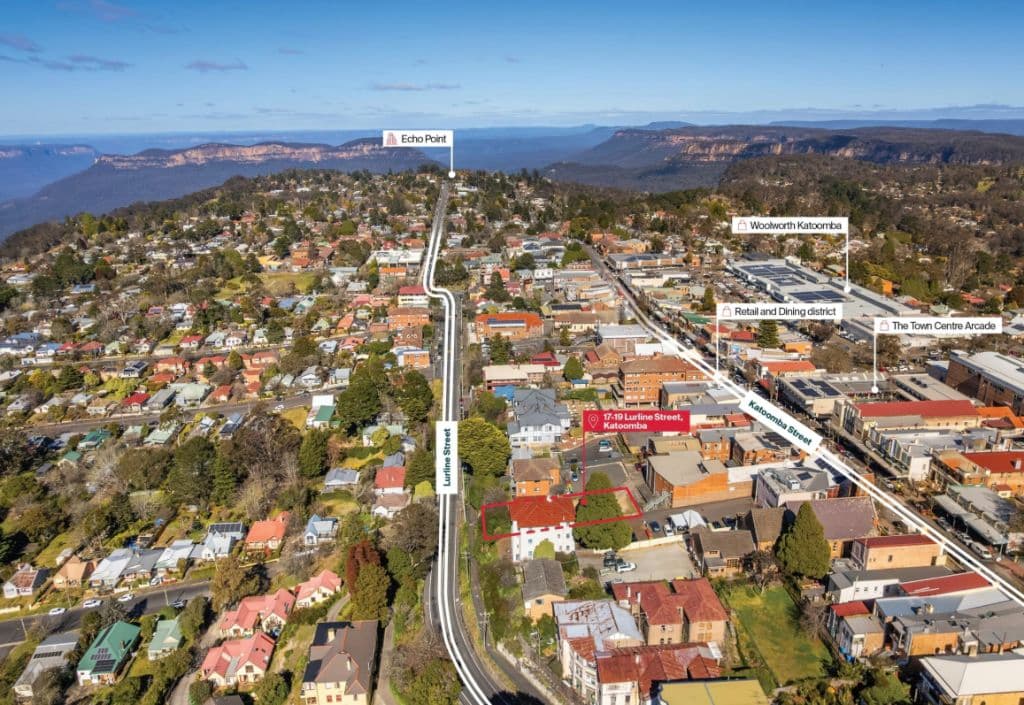
Its topography is a key part of the investment pitch. The east-facing site sits about four metres above the lower side of Lurline Street, positioning the proposed upper-level apartments to capture an outlook across the surrounding green landscape.
“It’s an elevated site, and we’ve got a nice, beautiful east-facing view towards the Blue Mountains,” says Knight Frank Parramatta senior sales executive Tony Chen.
Chen is marketing the property alongside Knight Frank’s Hamish Jones and Jeff Moxham. It’s for sale via private treaty with a price guide around $1 million.
Rental income meets apartment sell-down
The development would allow a buyer to retain the smaller, studio-style rooms as rental accommodation while selling the three apartments on the upper levels.
Chen says the configuration gives a buyer two potential income strategies within one project: a longer-term build-to-rent (BTR) component and a short-term build-to-sell (BTS) one.
“The bottom 10 will be a BTR style, and then three apartments on the top, on the higher level, will be BTS,” he says.
The lower levels are intended to generate recurring studio rental income, while the apartments provide the opportunity for a staged sell-down as the project is completed.
Chen says Katoomba’s tourism economy and demand for smaller rental accommodation influenced the vendor’s decision to pursue the mixed rental and sell-down scheme.
“Based on my research data, the yield is around 5 per cent to 6 per cent in the area for the BTR, and there’s a huge demand for short-term living,” he says.
“That aligns with the vendor’s projected outcome as well. That’s why he is going to do 10 BTR at the bottom, rather than all BTS.
“The vacancy rate in Katoomba is quite nice, and especially for those short-term leasing. I think that there’s definitely a market for a short-term-leasing BTR development in the area”.
Between Katoomba and Echo Point
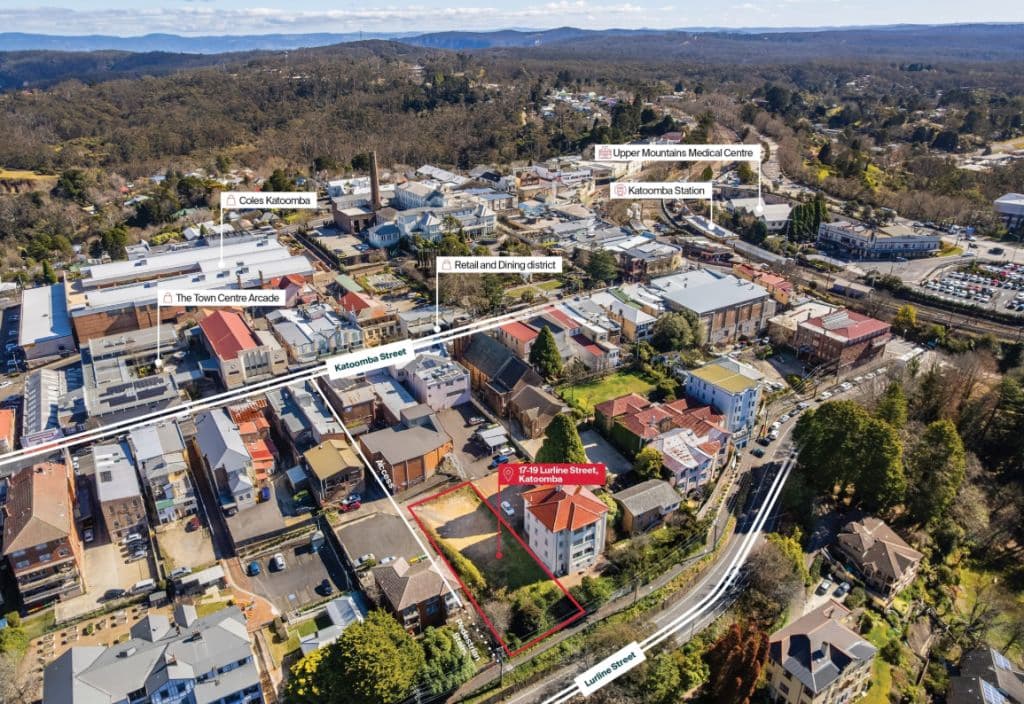
The land is near the northern end of Lurline Street, about 350 metres from Katoomba railway station, and sits between established residential apartment buildings.
The block also borders the Bursill Lane pedestrian stairs, providing access to Katoomba Street’s cafes, restaurants and shops, as well as Town Centre Arcade.
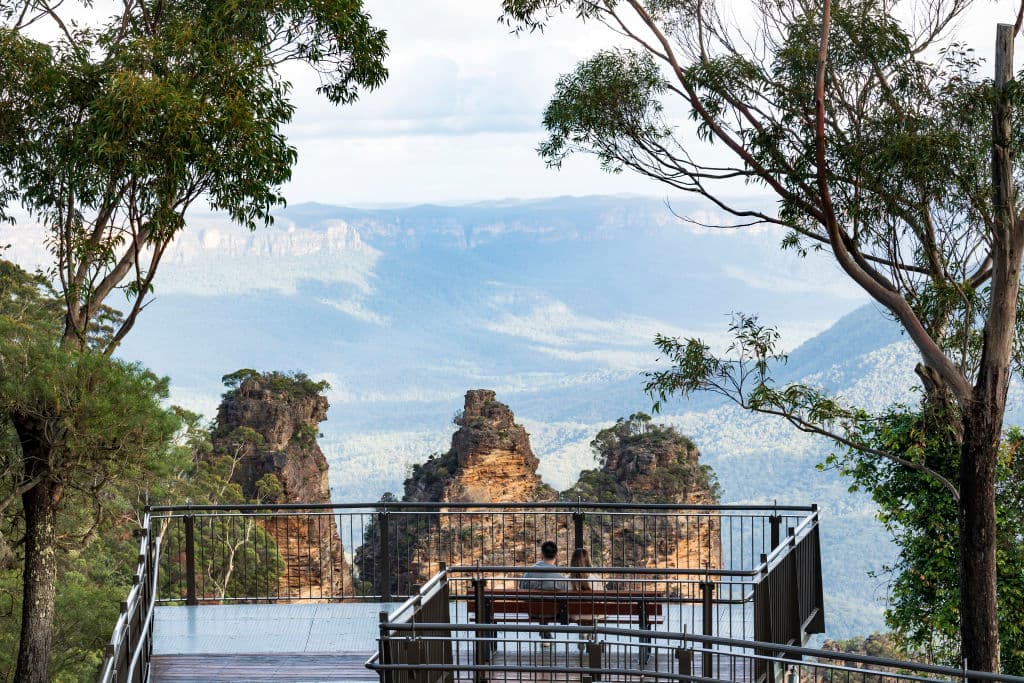
Echo Point and the Three Sisters are about two kilometres south of the property, placing the proposed development between the town’s everyday services and one of Australia’s best-known natural attractions.
Katoomba is the largest town in the Blue Mountains, with a population of 8268 at the 2021 census. Its heritage hotels, cafes, restaurants, galleries and shops support both its resident population and a substantial visitor economy.
Tourism supports local demand
The wider Blue Mountains tourism region attracted 2.6 million visitors in the year to March 2026, generating 2.9 million visitor nights and $1.2 billion in expenditure, according to Destination NSW.
Katoomba is about a 90-minute drive from Sydney’s CBD, making the Blue Mountains accessible for day trips and weekend stays from the city.
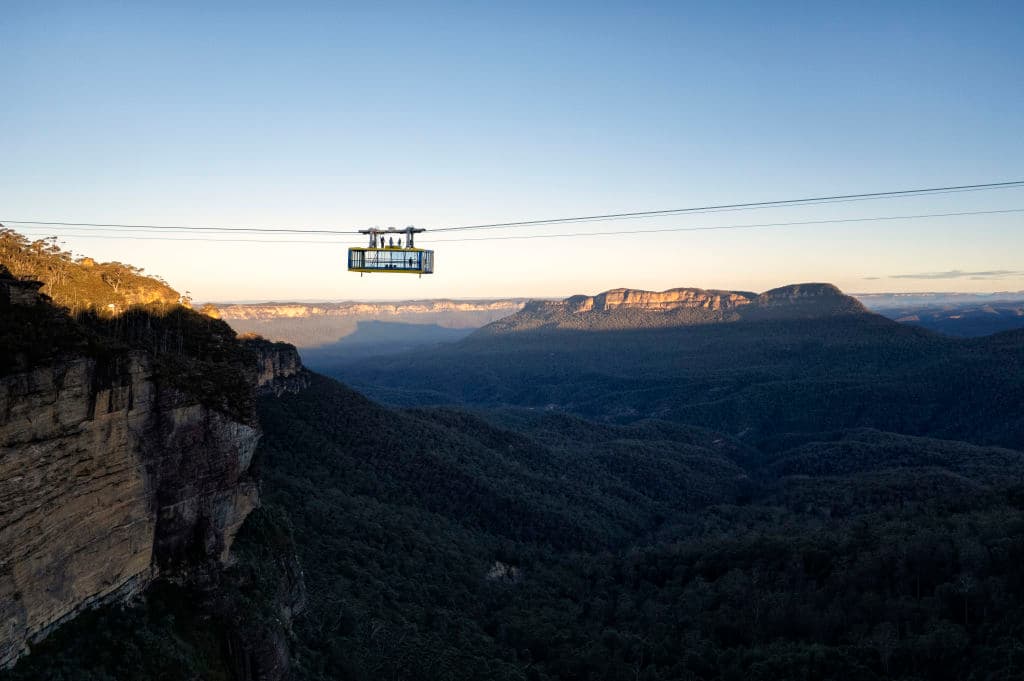
Major drawcards include Scenic World, where the Scenic Railway, Skyway and Cableway provide views of the Three Sisters, Katoomba Falls and Jamison Valley.
The town also hosts major tourism events including the four-day Ultra-Trail Australia, the Winter Magic Festival and the three-day Blue Mountains Music Festival.