Inside a unique Springvale warehouse with a luxury apartment upstairs
With its natural stone benchtops, timber flooring and balcony off the open-plan living area, this one-bedroom apartment looks like it belongs anywhere but an industrial park. But appearances can be deceiving.
It sits atop a 110 square metre warehouse in the industrial blocks of Springvale in Melbourne’s south-eastern suburbs.
Selling agent Luke Pitcher of Crabtrees Real Estate Oakleigh says it is rare to find a caretaker’s residence attached to an industrial property, let alone one so carefully fitted out.
“Usually when you have a building with a caretaker’s residence they’re a bit rough around the edges, but this one’s done particularly well,” he says.
“I’ve been in real estate for more than 20 years now, and this might be the third caretaker’s residence that my office has been involved in that I’m aware of.
“You sometimes see them in retail, so a shop with a residence upstairs. But a caretaker’s residence in a warehouse is not that common.”

The husband-and-wife vendors run a building business and kept equipment in the warehouse below while living upstairs.
The one-bedroom studio apartment has been furnished to contemporary standards and includes a walk-in wardrobe, a bathroom with heated mirror and towel rail, and a retractable awning over the private balcony. There’s also hydronic heating, split-system air conditioning and a European laundry.
Who is buying warehouse properties with apartments attached?
With a price guide of around $1 million, the warehouse and apartment have attracted interest from business owners who need storage space, particularly those commuting from regional areas to Melbourne, Pitcher says.
“We know that someone will just walk through one day and just say, ‘This is perfect, it’s just what I need,” he says.
“For us, it’s finding that buyer, and it’s almost like finding a needle in a haystack.”
Why planners want housing and industry kept apart
Caretaker’s residences are sometimes found in industrial spaces as a means for businesses to employ someone around the clock for maintenance and security. Planning permits vary from state to state and are intended to protect businesses and their employees, including caretakers living on site.
But broader residential use among industrial spaces is not encouraged, says Nicole Bennetts, national head of policy and advocacy at the Planning Institute of Australia.
“Many industrial areas are deliberately planned to accommodate activities that generate noise and big truck freight movements, and emissions and other impacts aren’t compatible with residential,” she says.
“So if we introduce housing into those industrial areas with those kinds of uses, then it would expose future residents to those noxious impacts and over time, it would also constrain legitimate future industrial businesses because of complaints and things.
“So good planning has to work through those potential conflicts upfront.”

Bennetts says living and working spaces, such as the Clive Street property in Springvale, are unlikely to become a popular living option because of the difficulty of obtaining permits and the high bar that state planning authorities set for legitimate use.
“People don’t want to live too close to big, heavy industry,” she says. “So we often say housing and industry are both essential to a functioning city, but sometimes they don’t make great neighbours.
“Good planning makes sure that both buildings can be designed so that the impacts don’t affect one another.”
Inside a growing niche of live-work industrial properties
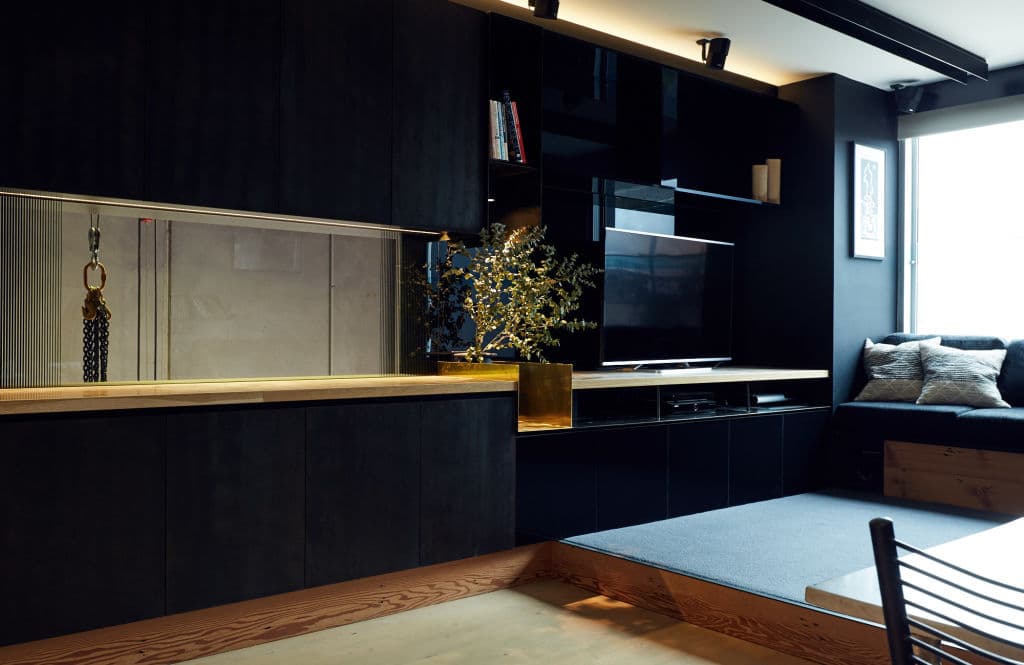
While most caretaker’s residences are fairly basic, there are some that exceed expectations. Architect Chris Stanley of Splinter Society was called upon to design the Japanese-inspired studio apartment above a steelworker’s factory in Melbourne’s northern suburbs.
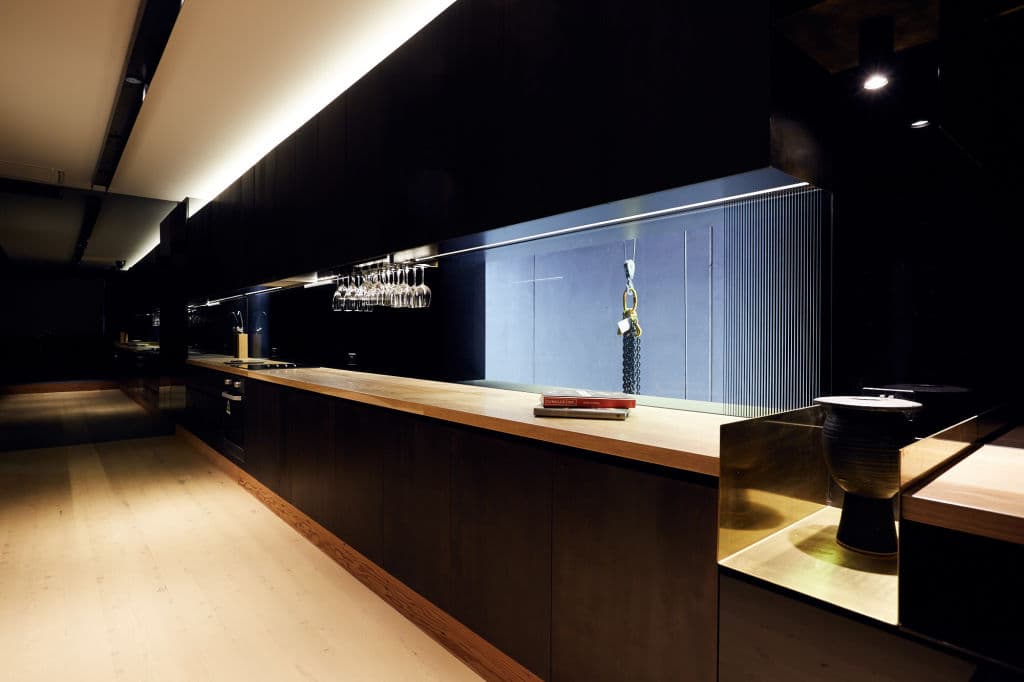
The main bedroom is tucked behind a hidden joinery panel, while the styling draws on warm tones in the cedar and wool to add texture and softness to the industrial surrounds. But the factory’s influence isn’t forgotten, with fine metal craftsmanship adding raw steel details to reference the manufacturing context.