Queensland carbon and grazing portfolio bigger than Brisbane selling for $40m-plus
As carbon demand surges, a rare South West Queensland natural capital and cattle grazing portfolio larger than Brisbane enters its final hours on the market.
One of Australia’s largest carbon sequestration opportunities – comprising five established human-induced regeneration (HIR) projects – is set to change hands as the expressions of interest campaign for the Carbon Regeneration Portfolio closes on Thursday, September 3.
LAWD’s Tim McKinnon, Elizabeth Doyle and Simon Cudmore are steering the sale, offered in one line with price expectations of over $40 million.
A 132,000-hectare footprint across South West Queensland
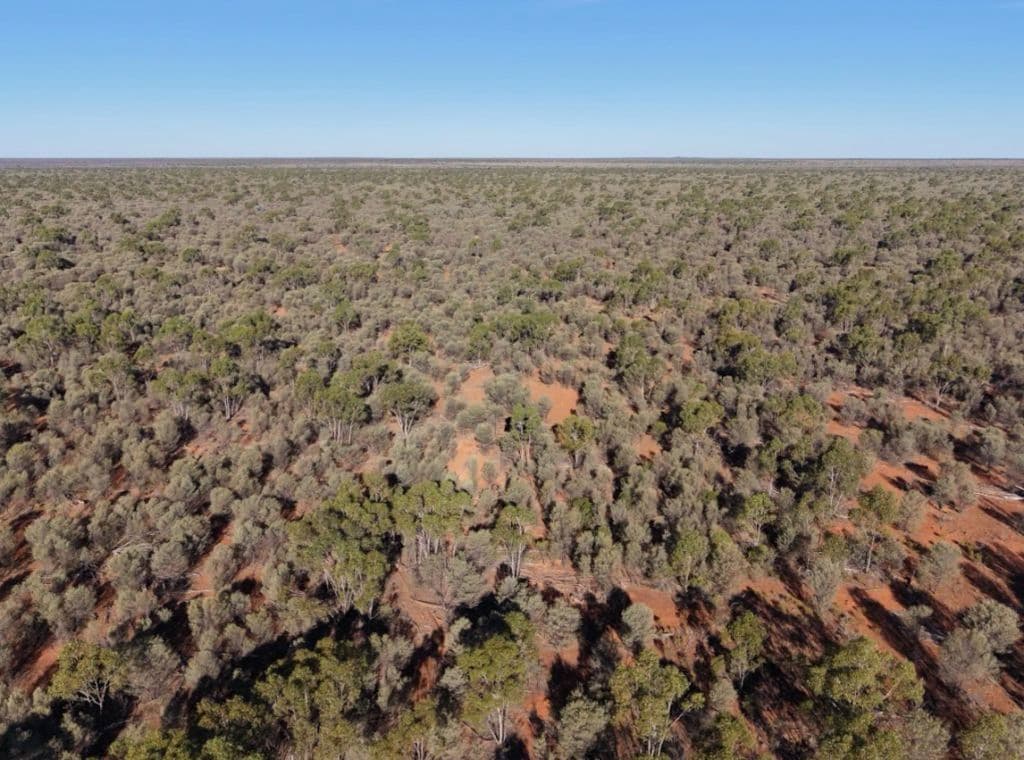
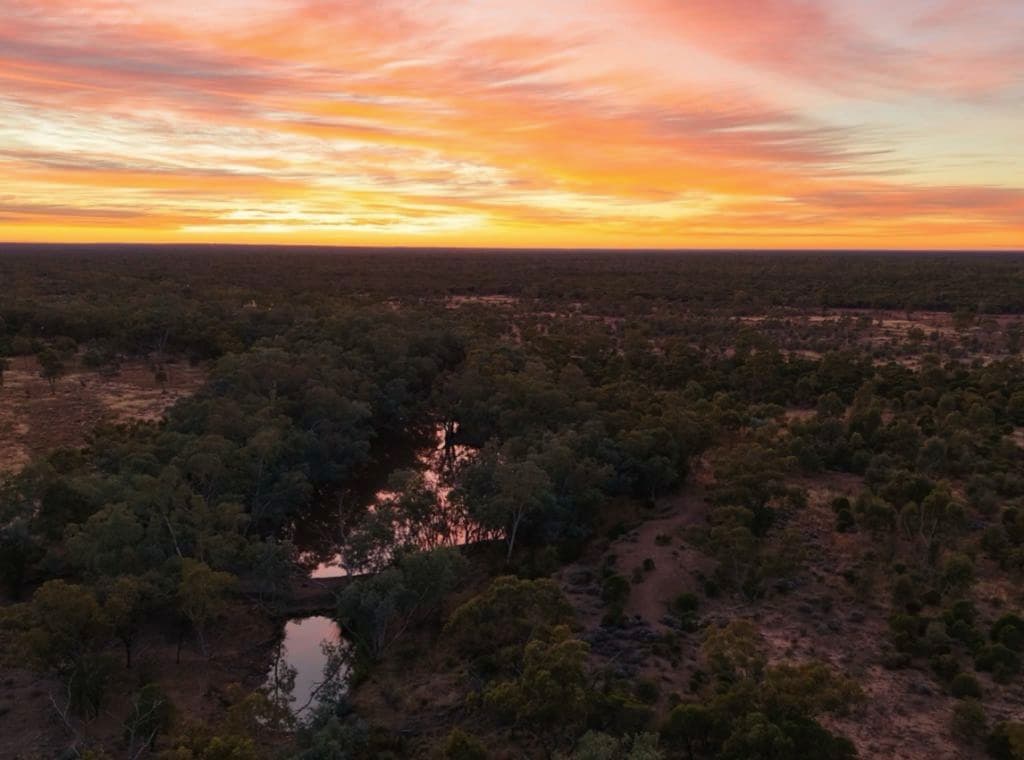
The portfolio spans 132,001 hectares across five land parcels in the Maranoa, Quilpie and Paroo regions, ranging from about 500 to 1000 kilometres west of Brisbane via the Warrego Highway.
The portfolio includes Bronte, a 35,300-hectare crown land leasehold property near Adavale, about 1000 kilometres west of Brisbane, with a four-bedroom homestead dating from the 1970s and set within landscaped gardens.
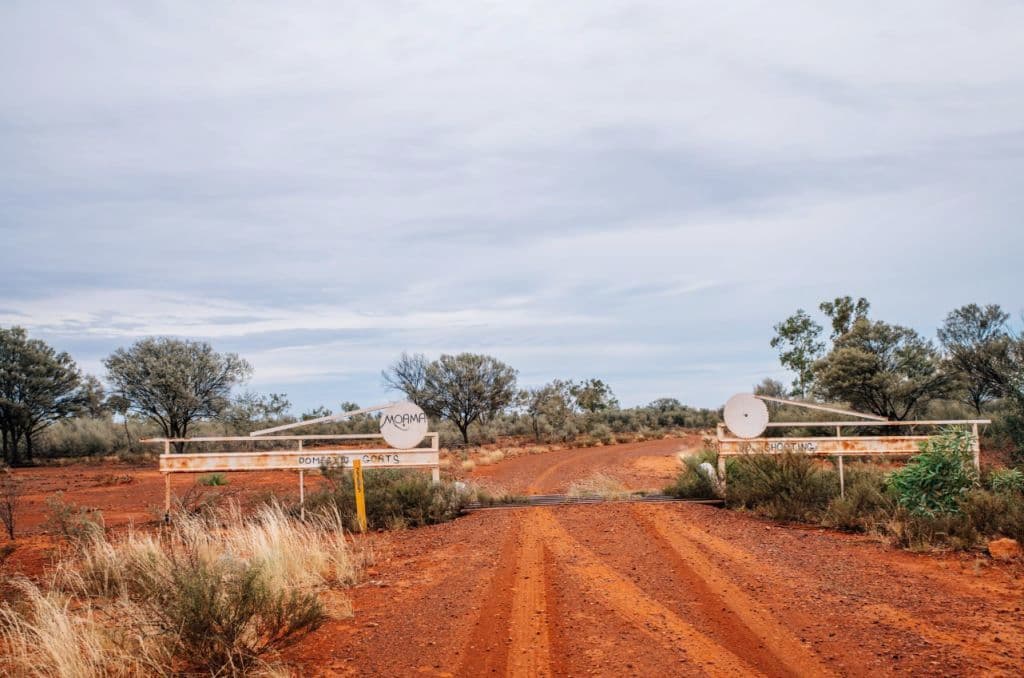
Four freehold holdings are also included: the 33,366-hectare Woodlands, 42,906-hectare Moama and Bundawaugh, 13,963-hectare Ryandale and 6467-hectare Bindebango.
As companies and institutional investors seek to reduce their carbon footprints and meet emissions targets, the portfolio offers access to an established supply of tradable carbon credits alongside agricultural income.
Tim McKinnon, founding partner and national director at LAWD, says the portfolio presents “a rare institutional-scale natural capital investment opportunity suited to a range of potential purchasers”.
Carbon-farming groups, natural capital investors and large-scale agribusinesses, as well as neighbouring pastoral operators seeking to expand, are expected to show interest.
“We have received consistent interest from both carbon-focused investors and traditional agricultural operators, with enquiry levels remaining steady throughout the campaign,” says Doyle, director at LAWD Agribusiness.
“Interest has predominantly come from carbon and natural capital investment groups seeking large-scale ACCU [Australian Carbon Credit Unit] generation and environmental markets exposure, and existing agricultural operators and pastoral families looking to expand their current holdings.”
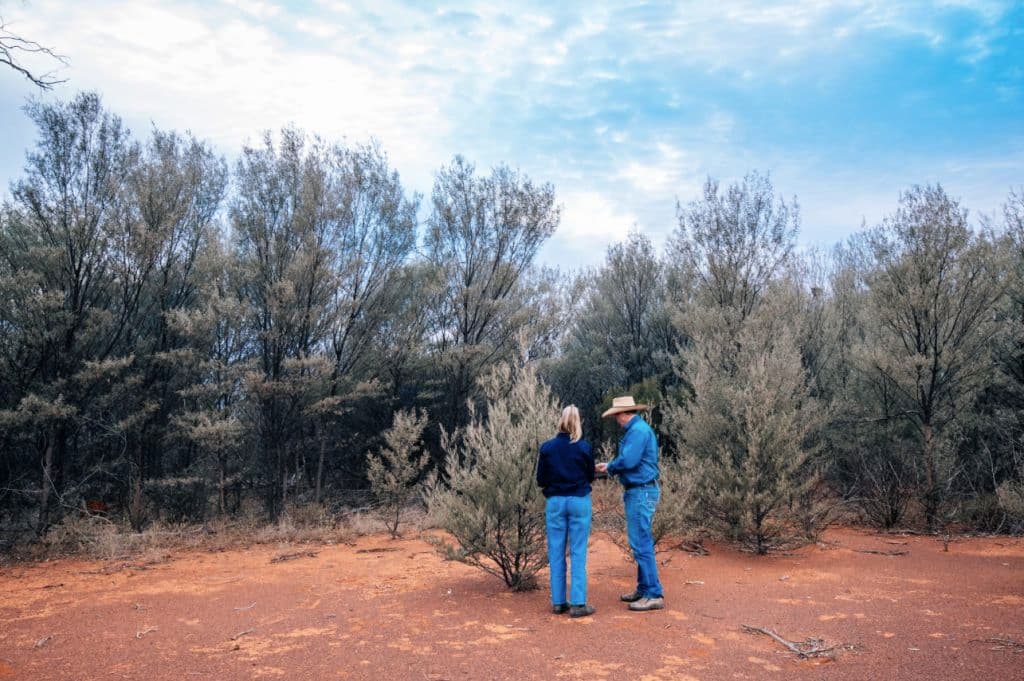
Proven carbon regeneration under closed HIR framework
HIR projects generate carbon credits through land-management changes that allow previously suppressed native forest to regrow.
McKinnon says the five projects accrue about 80,000 ACCUs a year gross for the land owner, subject to a 15 per cent interest held by the carbon service provider.
More than 1.5 million additional ACCUs are projected to be generated through to 2047.
“Net ACCU accumulation is forecast to peak at close to 88,000 units per annum in the early 2030s, demonstrating a strong growth outlook for investors,” McKinnon says.
Each ACCU represents one tonne of carbon dioxide equivalent stored or emissions avoided and can be sold to companies, institutions or government buyers.
Historical credits have been sold to blue-chip corporate and institutional buyers, including ASX-listed resources, aviation and property groups, a major superannuation fund and a mutual bank.
The HIR methodology expired in October 2023 and is closed to new registrations, although existing projects can continue. This gives the buyer immediate entry into an operating carbon platform that could not be replicated through five new HIR registrations.
Establishing a project under another eligible ACCU sequestration method still requires baseline information, project registration, geospatial mapping for area-based projects, monitoring, reporting and an initial independent audit. The Clean Energy Regulator says HIR projects have historically taken about 3 years from registration to their first ACCU issuance.
The projects can generate credits during their respective crediting periods, which extend to 2046 and 2047.
Each project also carries a 100-year permanence obligation registered on title, requiring that the stored carbon be maintained until 2122 or 2123, well beyond the period during which ACCUs can be generated.
Contracted revenue and financial yield
About half the portfolio’s forecast ACCU generation through to March 2029 is contracted under a master supply agreement with an unnamed investment-grade, ASX-listed resources company.
The agreement is priced at a premium to a HIR-specific price index and incorporates a floor price that rises with inflation.
According to the information memorandum, the portfolio achieved average realised prices of $40.66 per ACCU in the 2025 financial year and $37.62 in the 2024 financial year.
The two largest projects, at Bronte and Woodlands, have completed their first five-year gateway regeneration checks. Together, they account for about half the portfolio’s carbon estimation area and 54 per cent of forecast lifetime ACCU generation.
The assessment results remain subject to review and acceptance by the Clean Energy Regulator, while the other three projects will reach their gateway milestones under their respective schedules.
Integrated grazing and water infrastructure
Carbon is only one side of the portfolio’s income model.
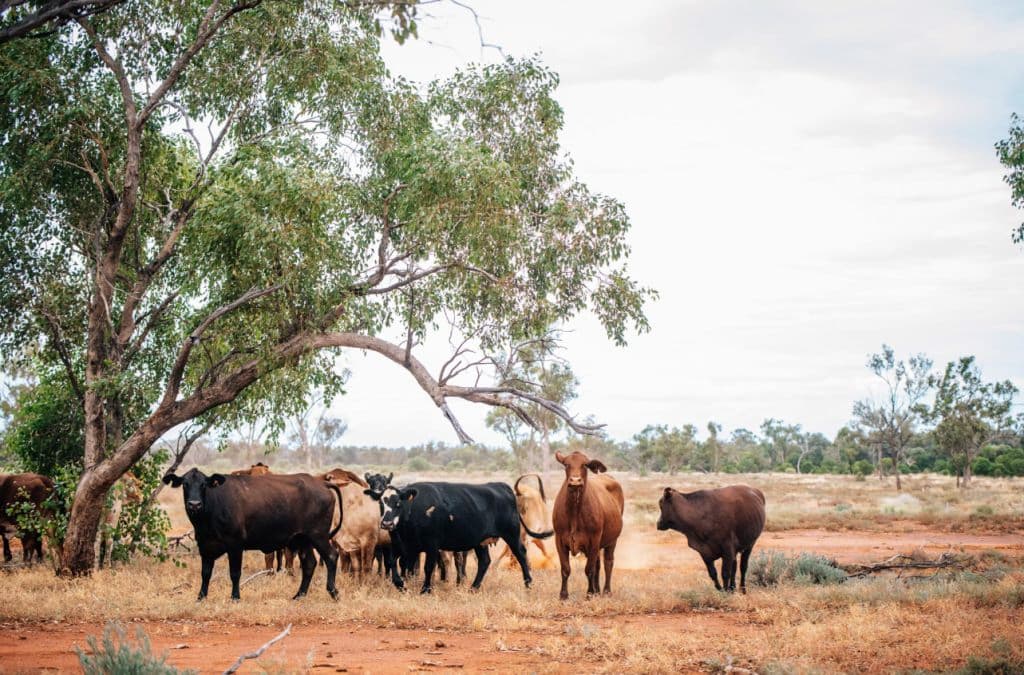
“The diversified income stream also includes an established grazing enterprise based on ongoing agistment agreements, with a combined carrying capacity of more than 2000 Adult Equivalents,” McKinnon says.
It also boasts a combined unencumbered carrying capacity of 5120 Adult Equivalents.
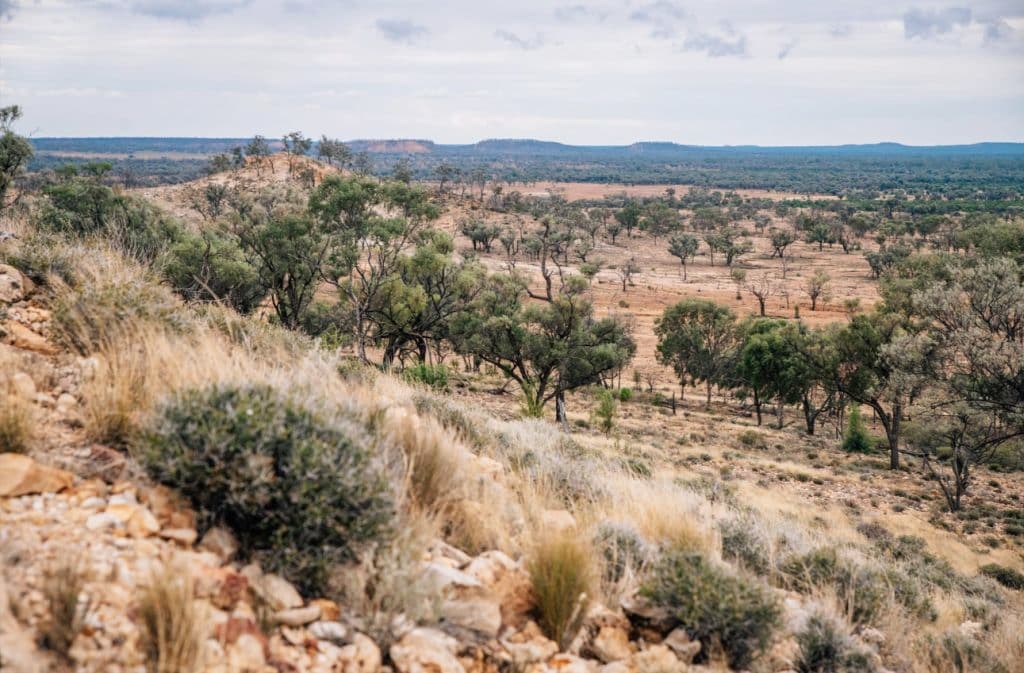
The properties range from gently undulating mulga country and low ridge lines to open grazing plains and productive creek flats.
Grazing operations are supported by established water infrastructure including dams, tanks, troughs and reticulation systems.
The vendors have ploughed in significant investment to boost boundary fencing, internal paddock fencing and laneway systems to benefit the cattle yards, as well as shearing sheds, workshops, machinery and storage sheds.
Accommodation across the portfolio includes at least four documented homesteads, workers’ quarters and a cottage.