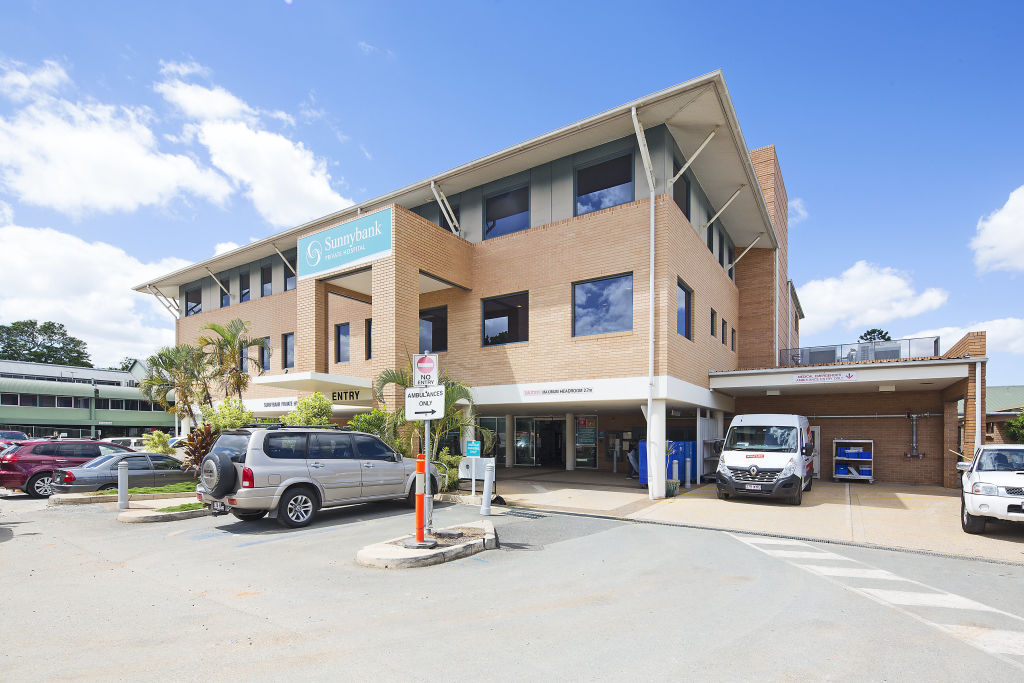
Promising diagnosis for healthcare assets in Brisbane
Brisbane’s population and demographics have been key drivers in demand for professional health space during the past two years.
Ray White Commercial data has revealed that as Brisbane’s population ages, owner-occupier and investor demand for medical space has grown, with $147.53 million being spent on such facilities in 2017.
Ray White Commercial head of research Vanessa Rader said that up to March this year turnover was limited, with property worth $13.77 million changing hands as the volume of stock to market slowed.
“It is expected while we may not reach the highs of 2017, volumes will exceed the rates achieved in 2014-2015.”
In 2016 the total was $116.56 million, and investment levels were about $50 million during 2014-15.
Ray White Commercial TradeCoast director Jonathon Jones said many owner-occupier purchasers consider the population and demographics of an area as important factors.
In particular, he said the volume of young or elderly people within the catchment of a medical centre was important, given both groups used medical care more than others.
“Given our more health and image-conscious society, there has been a growing interest in locations which have a high population in the 25 to 44 age range, particularly within sports and cosmetic medicine, and most notably in inner-city locations,” he said.
Health care professionals often will pay a premium for stock that is well located and highly aligned to patients needs, while competition within the owner-occupier market had resulted in yields falling and capital values increasing.
Currently, the average yield for a medical space is 5.97 per cent, compared with 6.43 per cent in 2017 and 6.71 per cent in 2016.
“Average capital values achieved across the recorded sales have shown some upward momentum and are now at $5305 per square metre, yet within a broad range which can extend up to $10,500 per square metre depending on the size, quality and location of the asset,” Mr Jones said.
Property analyst and valuer Gavin Hegneyok said investors were capitalising on medical centres as they posed less risk than other commercial property sectors – such as shopping centres and bulky goods showrooms – which could be perceived as under threat from an increase in online shopping.
He said there was less risk seen in investing in the commercial medical sector as a “human face” was always needed.
“Of course, if there were medical centres or premises on every street corner then there is no way you would see the same growth,” he said.
Mr Hegney said the health and social care sectors had been the strongest performing areas for job growth.
However, he said, when investing in medical centres demographics, zoning and the ability to supply the market needed to be considered.
“And you have got to be able to see some upside in your business, which translates into rental growth to see real growth over time, not just compressing capitalisation rates, compressing yields,” he said.