Bowral’s Milk Factory mixes art, income and history in rare listing
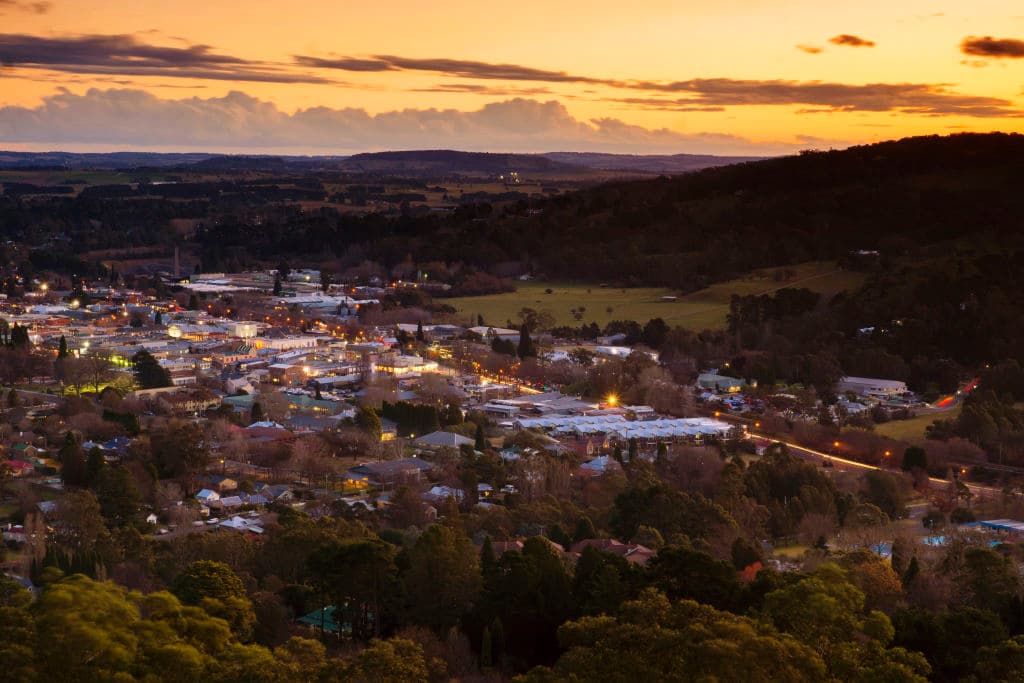
In a NSW Southern Highlands town better known for its annual tulip festival, antiques, cafes and cricket pilgrimages, a heritage factory turned creative powerhouse is quietly drawing crowds just off Bowral’s main street.
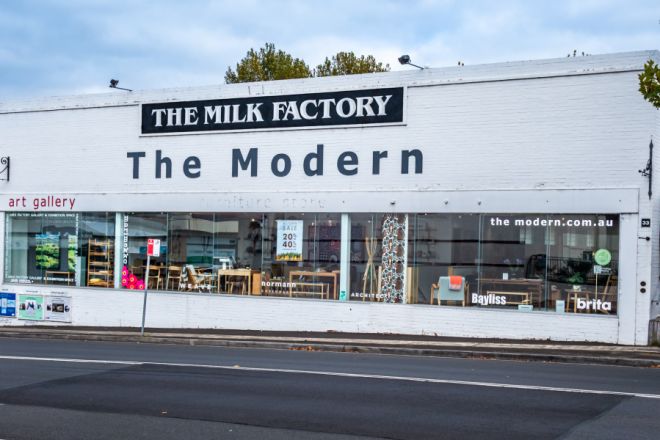
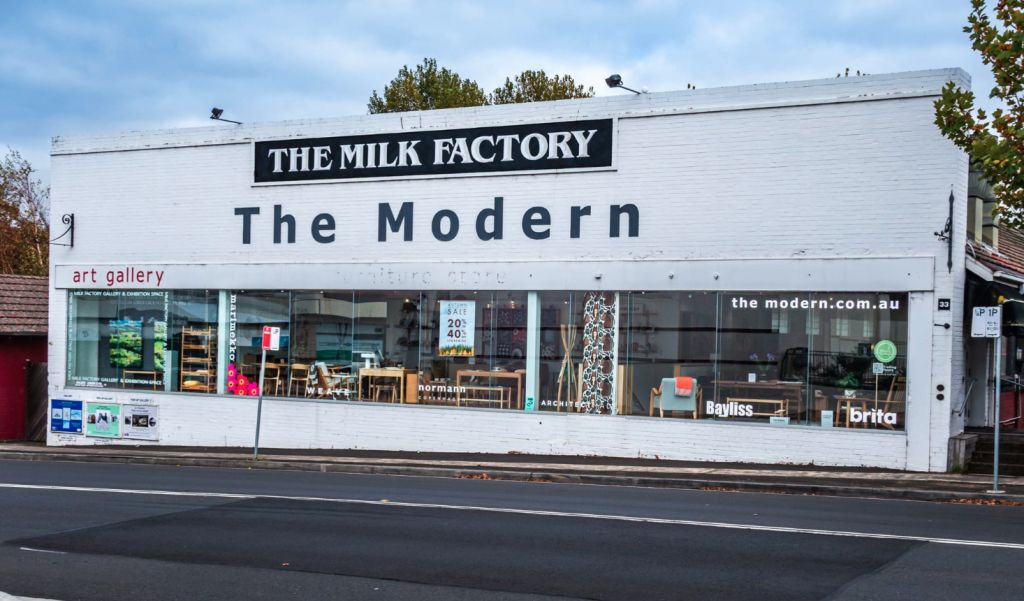
Within walking distance of the Bradman Museum & International Cricket Hall of Fame, The Milk Factory Gallery and Exhibition Space at 33 Station Street is on the market for the first time in 38 years, offering investors a mix of tourism exposure, character and income flexibility.
Built in 1921 for dairy processing, the building has evolved into a three-level “multi-hyphenate” arts and hospitality destination in the hands of owners Jim and Shirley Becke. They launched the art hub in 2004, raising two children and welcoming five grandchildren along the way.
“They’ve got many different artists coming all the time … they’re booked up sort of six months in advance,” says listing agent Bruce White of Bruce White Real Estate.
The 867-square-metre floor plate blends exhibition, retail and cafe spaces, including outside walkways, and is on the market for $4.9 million, with a potential annual income of about $270,000 if fully leased.
“It is a very unique property,” White says.
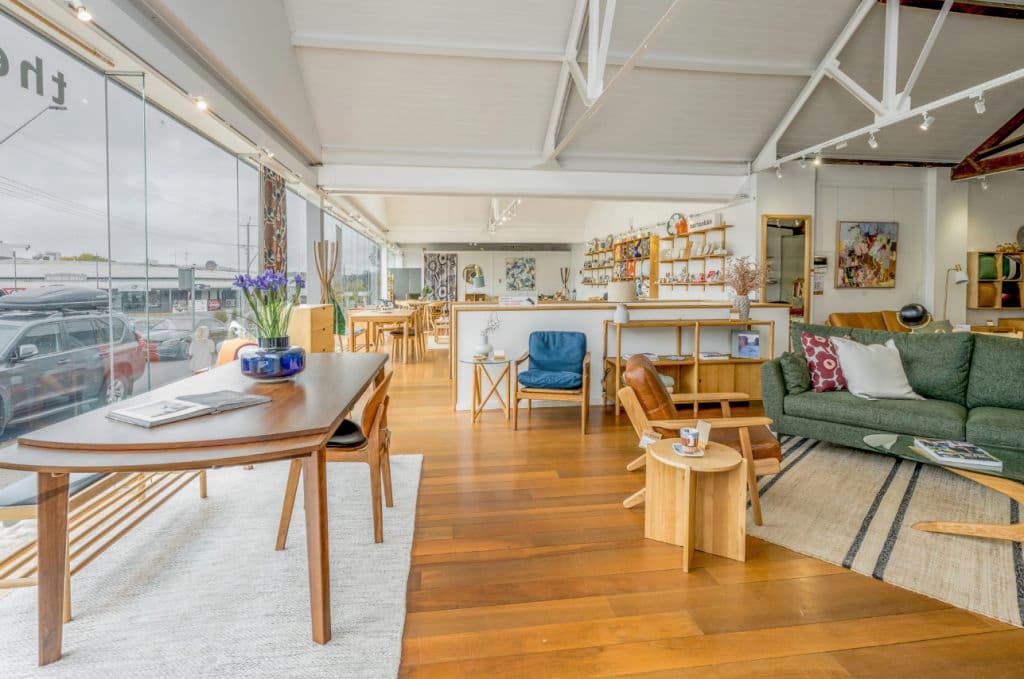
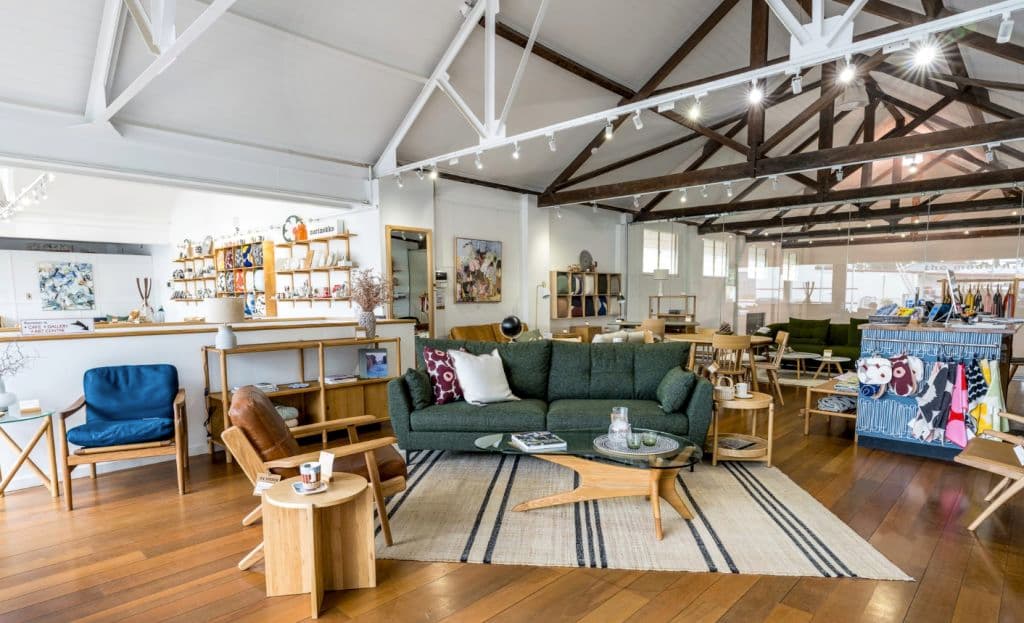
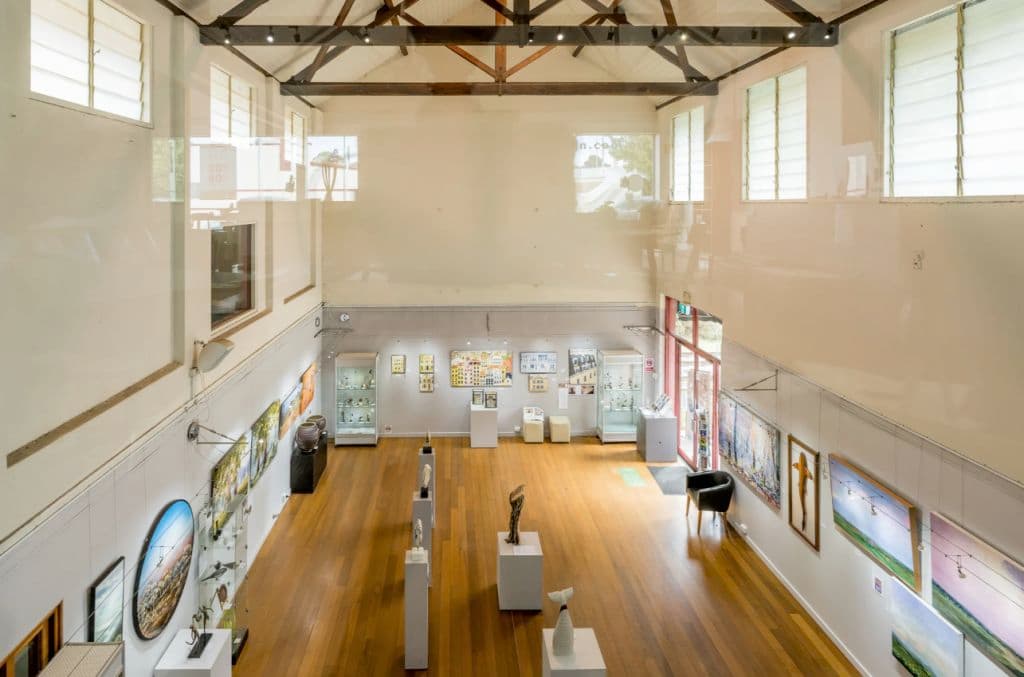
The property sits on a 652-square-metre land parcel about 90 minutes from Sydney’s CBD and features timber floors, exposed trusses and glimpses of the original concrete foundations. Extensive glazing and seven-metre gallery ceilings draw natural light deep into the interiors, paired with professional lighting throughout.
Solo exhibitions run year-round, complemented by mixed and group shows, with some exhibition spaces booked out until 2027.
White, who grew up in the area, still recalls its working past. As a child, he took milk samples from his family’s dairy farm to the old milk depot – as local farmers once did – for testing.
“Every time they’d milk cows, they’d take a sample of the milk … and then they test it to make sure there’s no impurities,” he says.
“The milk was picked up daily in the early hours of the morning and taken to Sydney by train to be processed into bottled milk and cheese.”
The region’s dairy industry flourished in the first half of the 20th century, before deregulation and competition from Victoria led many farmers to shift to beef cattle from the 1960s.
Today, that industrial backbone supports a repurposed commercial opportunity with multiple income streams.
At street level, a 180-square-metre retail showroom anchors the site, with an earning potential of about $90,000, defined by a 28-metre glass frontage that draws passing foot traffic.
A vacant cafe with a commercial kitchen and an adjacent exhibition space spans about 202 square metres and has the potential to generate around $55,000 annually.
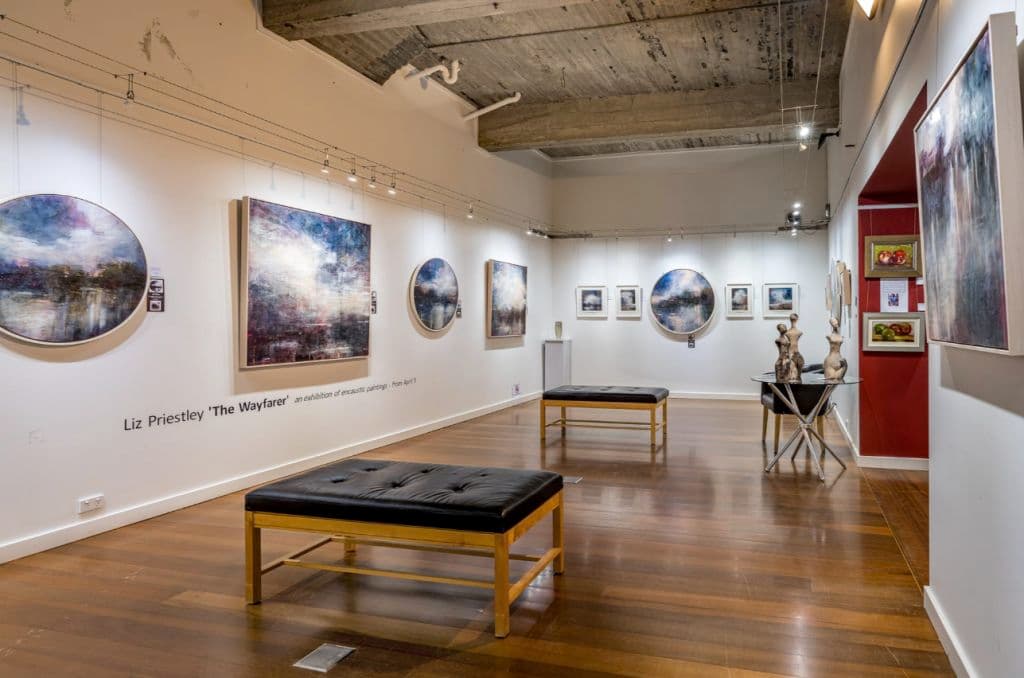
The largest exhibition area is on the lower ground floor. It spans 332 square metres, with earning potential of about $125,000, alongside pop-up gallery display areas and storage.
“All these different positions can have their own rental capacity,” White says.
He says the property benefits from relatively low outgoings of about $25,000 annually, supported in part by rooftop solar.
“It gives it a 5 per cent return [which] is reasonable in commercial,” White says.
Beyond the numbers, The Milk Factory has built a reputation as a cultural drawcard in the heart of the Southern Highlands, supported by a steady rotation of contemporary artists working across sculpture, photography, printmaking and ceramics.
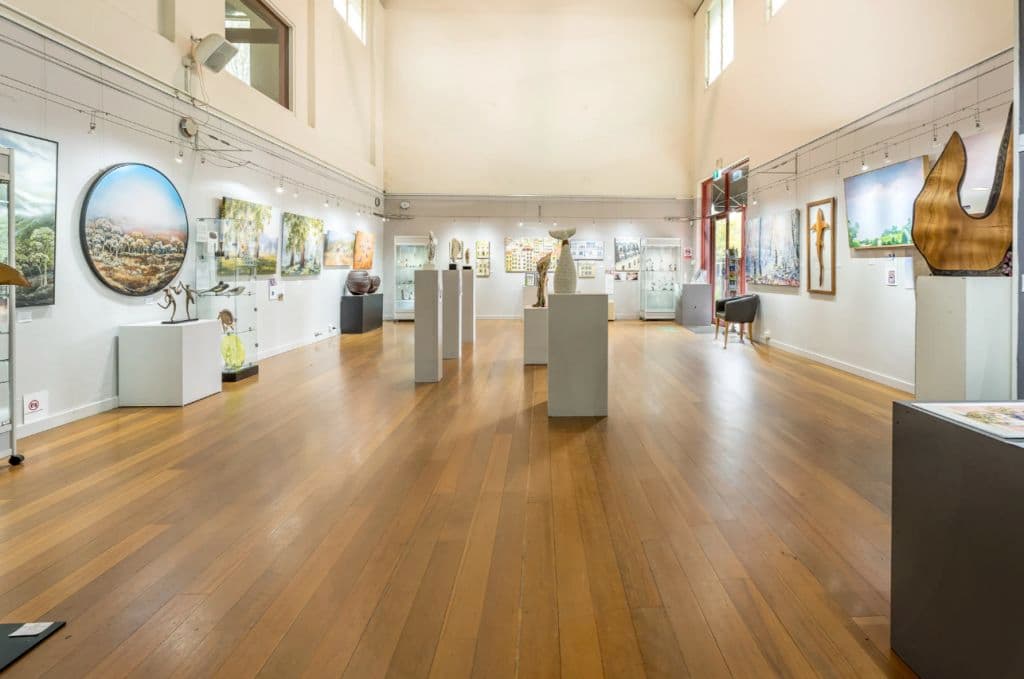
The gallery, which includes the main gallery and an Art and Design Centre, has benefited from exposure on online directories including visitnsw.com and has a strong social media presence.
“It’s got a broad variety of different types of art that you may not come across in a lot of the other galleries,” White says.
The Beckes have indicated a willingness to lease back part of the space for around 12 months, providing holding income and a transition period for an incoming purchaser.
There is also scope to further activate the building and diversify its tenancy mix, with underutilised areas offering potential for additional classroom pop-up displays.
“There are avenues for more rent if you advertise it … and you might get a lot of extra foot traffic that way,” White says.
Given its proximity to the famous Bradman museum, the property benefits from a consistent flow of tourists, with visitors often combining the attraction with Bowral’s hatted restaurants, wineries and boutique shops.
The town itself has undergone a notable shift in recent years, emerging as a lifestyle-driven market within reach of Sydney.
“It’s all about lifestyle now … the demographics have changed chronically since COVID,” White says.
According to Domain Insight, the town has a population of 10,345, with an average age above 60 and a strong owner-occupier base. A typical three-bedroom house costs about $1.2 million, and property is tightly held.
With its mix of history, flexibility and established trade, White says the property’s appeal ultimately comes down to its point of difference.
“With it being unique, it’s a drawcard,” he says.