How small spaces are redefining physical retail in 2026
Across the country, compact shopfronts, tiny hospitality venues and highly curated retail concepts are proving that some of the most valuable square metres in retail are also the smallest.
As operators grapple with rising rents, construction costs and rapidly changing consumer expectations, more and more new business owners are discovering that a smaller footprint can create a stronger brand presence, deeper customer connections and a more memorable experience.
In 2026, convenience belongs to e-commerce, so physical retail is being forced to offer something different, and the answer isn’t more space. It’s making every square metre count.
It’s a familiar concept for Sydney-based interior designer and And Alpha director Sean Virili, who’s noticed a growing number of clients embracing smaller spaces.
“I’m a small and relatively new studio myself, so naturally a lot of my clients are also new business owners working with tighter budgets and smaller footprints,” he says.
“What’s been interesting is that they still want to create something memorable and emotionally engaging despite the constraints. In some ways, the smaller spaces force a clearer and more focused idea.”
Discovery is becoming retail’s new luxury
Competing for consumer attention in a time of constant digital exposure is a near fruitless pursuit, so some creative retailers are beginning to take a reverse approach.
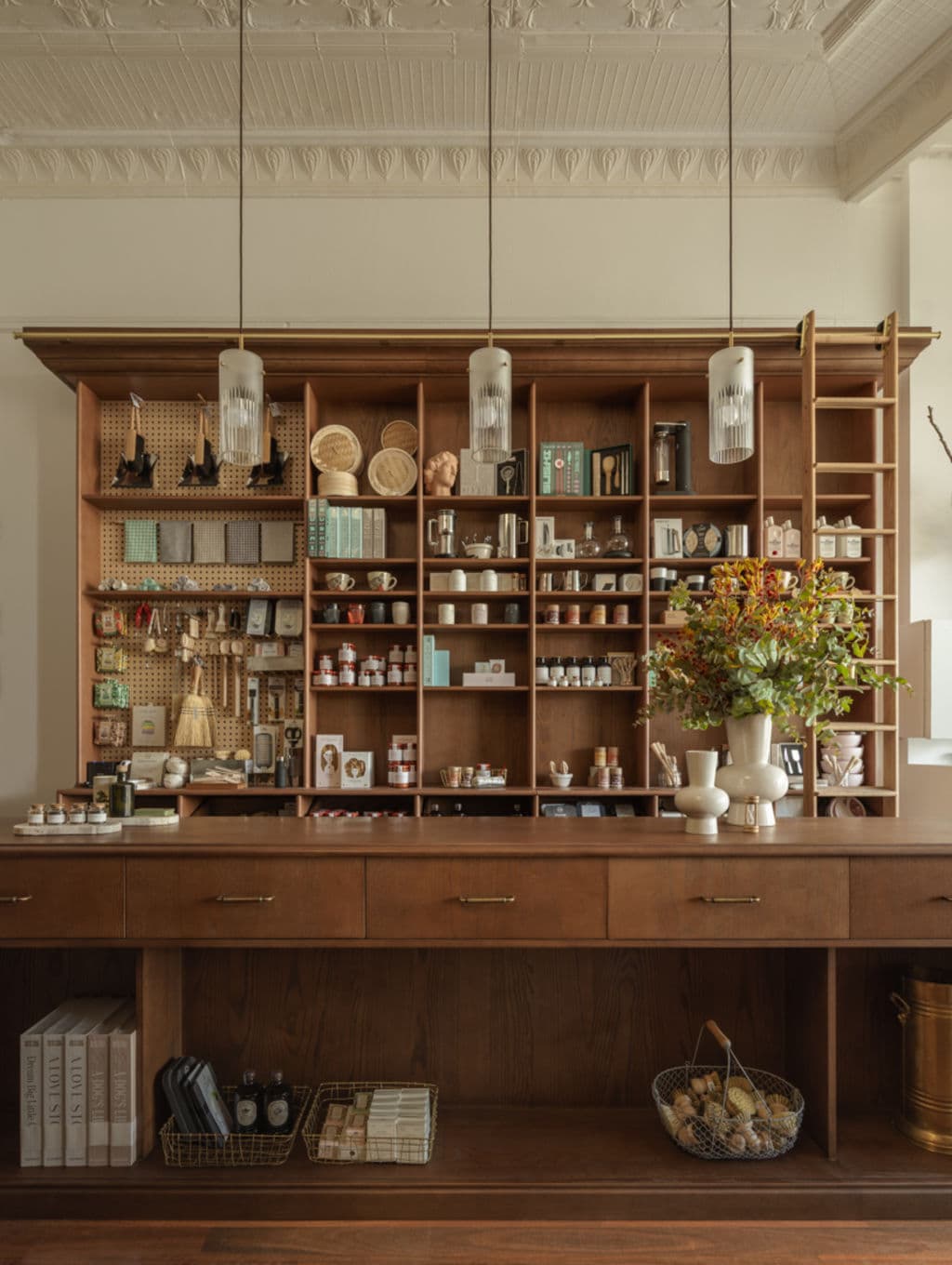
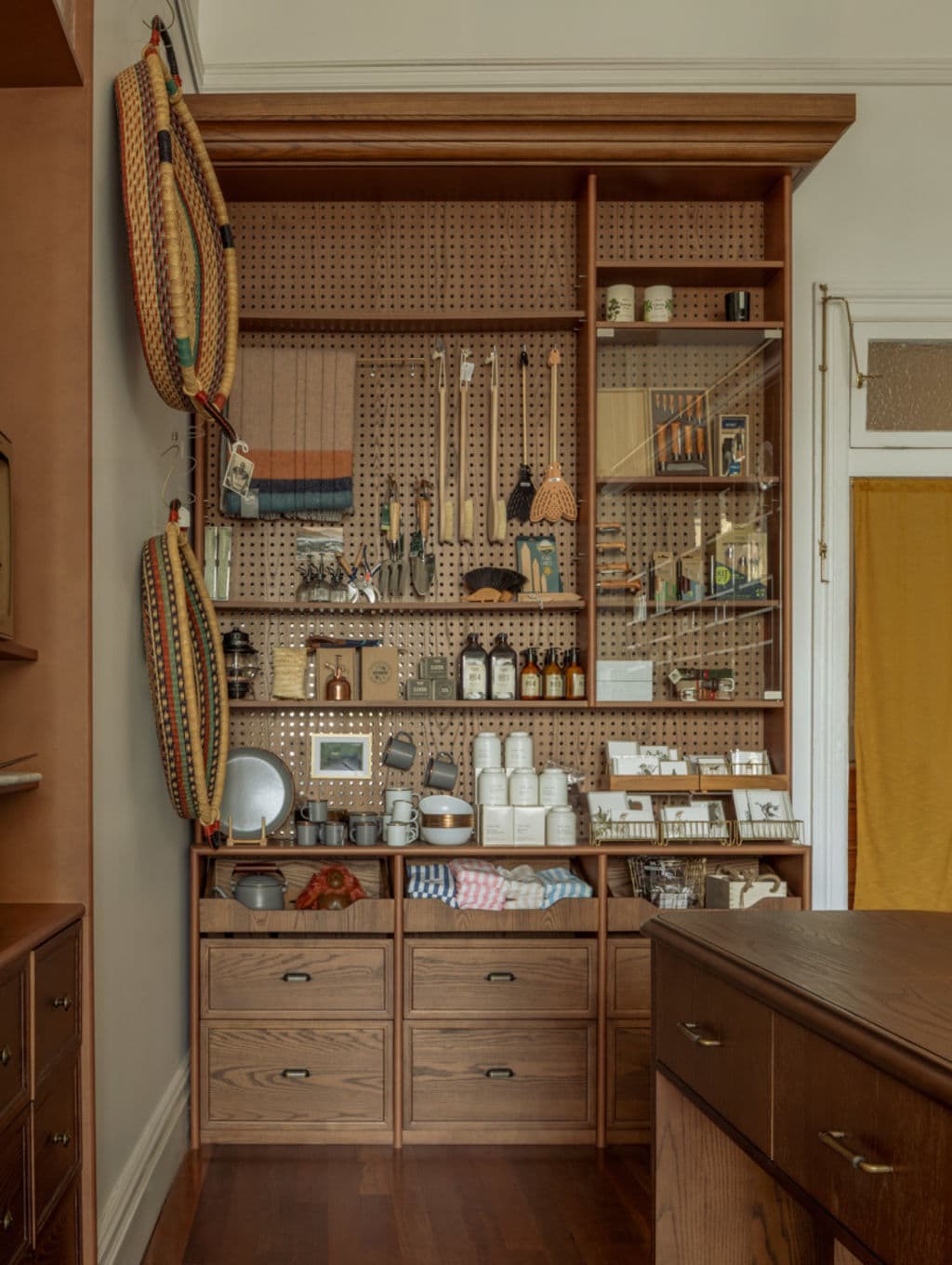
Virili’s work on Fathom, a 43-square-metre homewares store in Sydney’s Surry Hills, leans into curiosity rather than instant gratification. The small store strategically includes spaces hidden from direct street view, encouraging customers to explore in person rather than window shop.
“We intentionally designed a nook within the shop that can’t be seen from the street and paired that with a curtain along the facade that allows visibility to be controlled,” Virili says.
“The concept was based around this idea of ‘hide and seek’ and creating curiosity to encourage people to step inside.”
The approach also taps into a growing trend in physical retail, as stores seek to offer an experience that even the convenience of e-commerce simply can’t compete with.
While social media has undoubtedly increased pressure for visually engaging interiors, Virili believes the most successful spaces are not always the loudest, nor the biggest. “Sometimes subtlety and playfulness can be just as impactful while retaining function,” he says.
How compact stores create deeper customer connections
The appeal of smaller retail environments extends well beyond lower occupancy costs. Virili argues compact stores often create more memorable customer interactions precisely because of their scale. “I’d be comfortable in saying that compact stores can be flagships themselves,” he says.
“The word is often associated with scale, but I think it should be about experience and brand communication. Small spaces can create incredibly strong and memorable interactions because they feel more concentrated and intentional.”
It’s a dynamic that appears aligned with consumer behaviour. According to the Australian Bureau of Statistics’ Monthly Household Spending Indicator, discretionary spending categories, including recreation, culture and clothing, have continued to show resilience despite broader cost-of-living pressures, suggesting consumers are still prioritising lifestyle and experience-led purchases.
For smaller retailers, it’s an opportunity to offer something larger competitors often struggle to replicate: personal connection. “Smaller spaces tend to create more intimate interactions between customers, staff and owners, and I think that leads to stronger long-term connections,” Virili says.
Designing smarter: making every square metre work harder
Of course, connection alone doesn’t make a business viable. The challenge for many operators is ensuring that limited floor space can accommodate retail, storage, service and customer experience simultaneously.
Virili says that pressure often produces stronger design outcomes. “Smaller spaces naturally demand more inventive thinking because you’ve got to squeeze every last drop out of that square meterage,” he says.
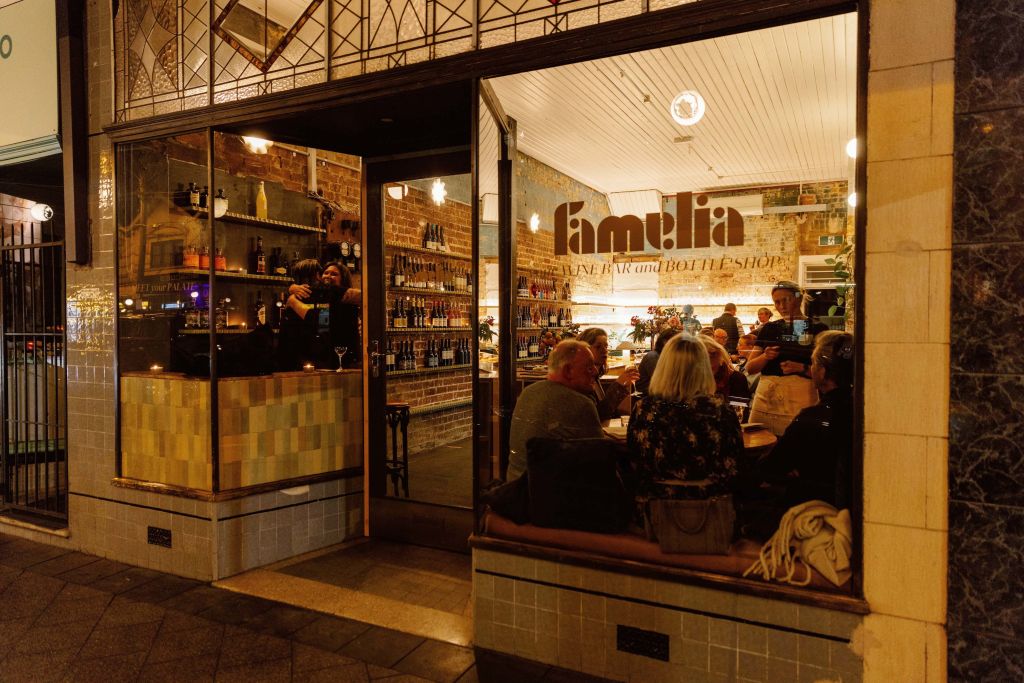
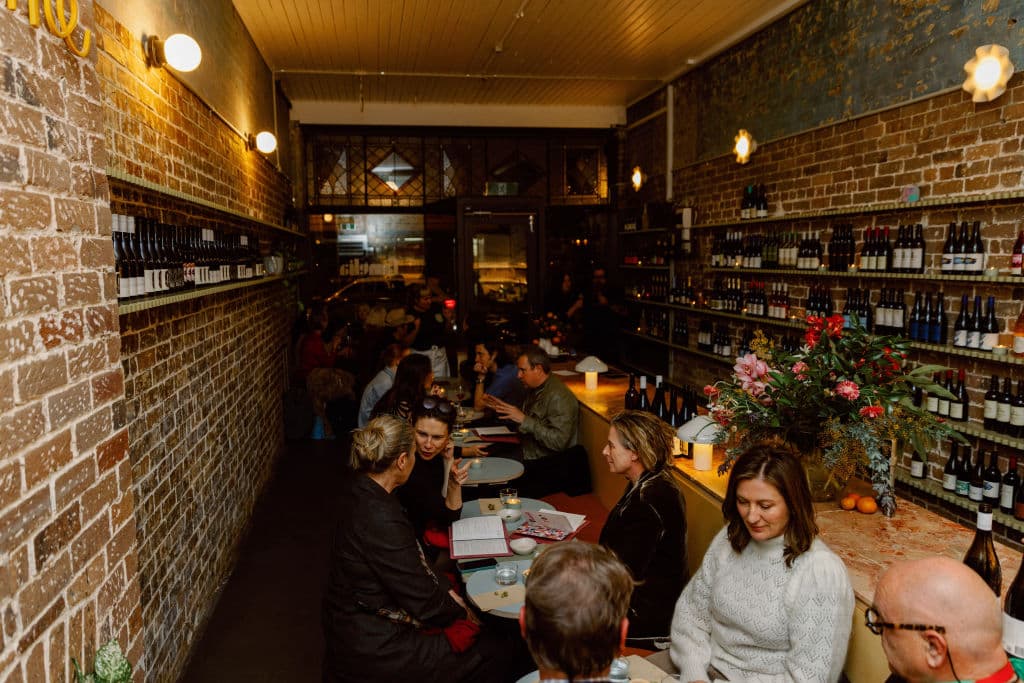
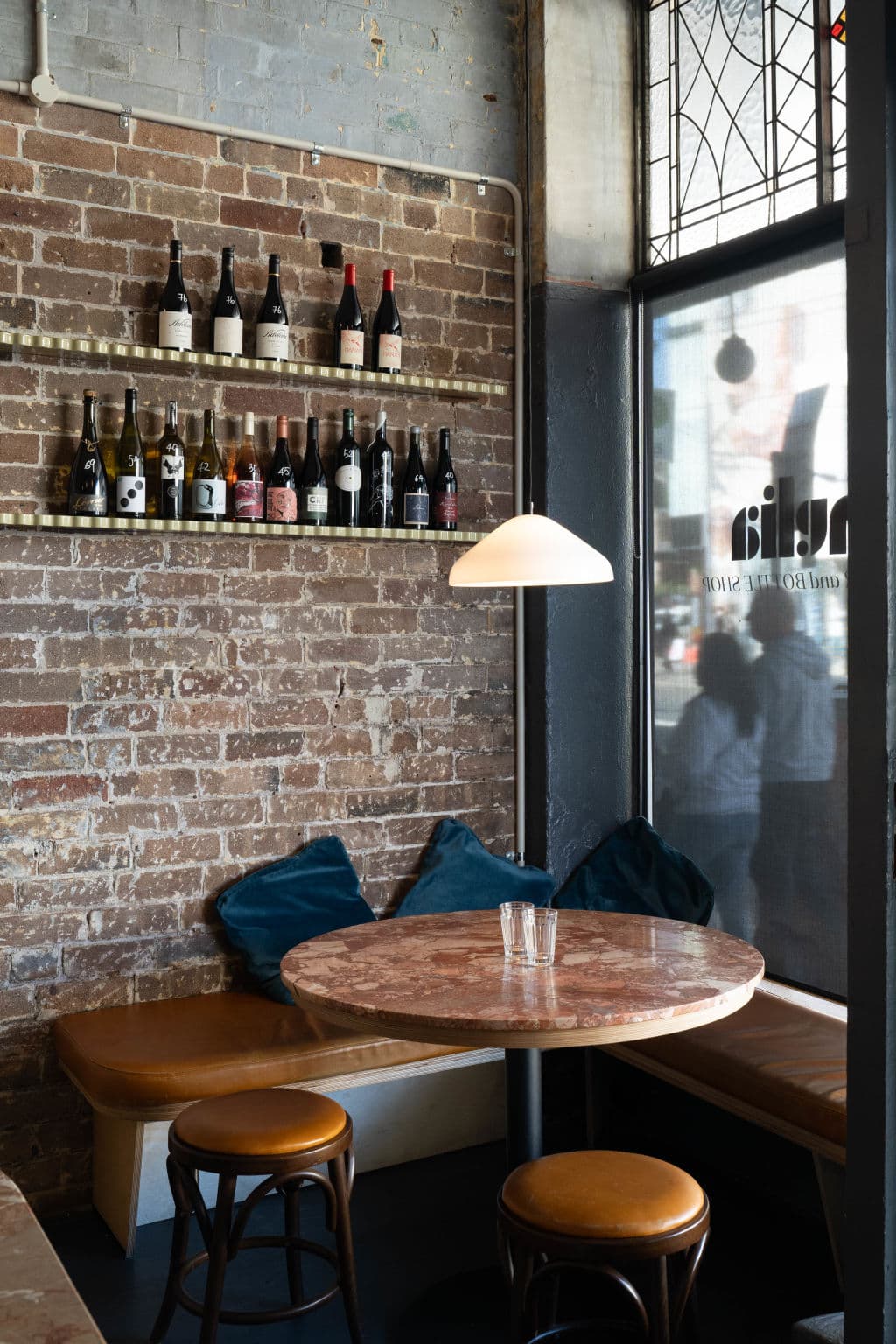
Another example from the And Alpha portfolio is Famelia, a small wine bar and bottle shop in Sydney’s Newtown. “It’s a 40 square metre wine bar and bottle shop where retail, service and dining all overlap within the same footprint,” Virili says.
“Everyone is on show, and I think that crossover is what makes it a lovely space. The goal is making those overlaps feel intentional rather than forced.”
The ability to do more with less has become an essential consideration as fitout costs remain elevated across Australia. Industry estimates from Loumain suggest retail fitouts can range from $1500 to $3000 per square metre, depending on specification, location and materials.
Those cost pressures are forcing both designers and business owners to become increasingly resourceful. “Construction cost is almost always the hardest conversation with first-time clients,” Virili says.
“But it has also pushed people to become more resourceful and hands-on.”
Compact retail is here to stay
Small-format retail is hardly a new phenomenon. Long before the term “micro-retail” was coined, there were market stalls, food carts, kiosks and pop-up stores giving entrepreneurs a low-risk way to test ideas, build a following and establish a presence without the commitment of a permanent shopfront. The concept gained significant traction in Australia during the mid-2010s as retailers experimented with increasingly compact footprints, often driven by affordability and flexibility.
What’s changing now is the thinking behind it. Consumers are more deliberate about where they spend their time and money, and smaller spaces are evolving from practical starting points into carefully considered brand experiences. Rather than just offering a more affordable pathway into bricks-and-mortar retail, compact stores are being used to create intimacy, curiosity and connection in ways that larger formats often struggle to replicate.
Recent retail market analysis from CBRE shows that CBD retail vacancy rates continue to tighten as foot traffic recovers, tourism rebounds, and demand for experience-led operators strengthens. Against that backdrop, smaller spaces are an attractive launchpad for emerging brands looking to test concepts, build communities and establish a physical presence.
“I think micro-retail is a really valuable entry point for independent operators because it allows businesses to test ideas, build community and establish a brand presence without taking on the risks of a large permanent space too early,” Virili says.
However, he adds that the success of these smaller spaces comes back to something much simpler than strategy or design.
“The design can help frame an experience, but the staff and owners are the real connection point between the physical space and the brand,” he says.