Newtown ice-cream cone factory turned co-living hotspot scoops $10.4m
An offshore investor has bought a 100-year-old former Newtown warehouse reborn as a fully leased co-living complex for $10.425 million, after the adaptive reuse project significantly boosted the value of the Inner West Sydney asset.
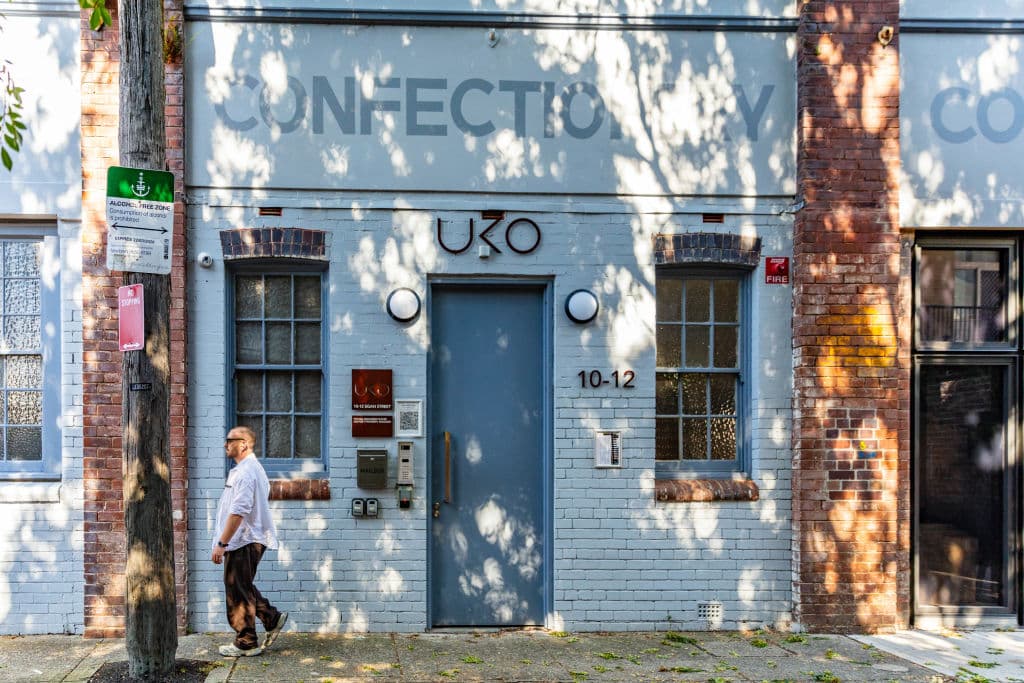
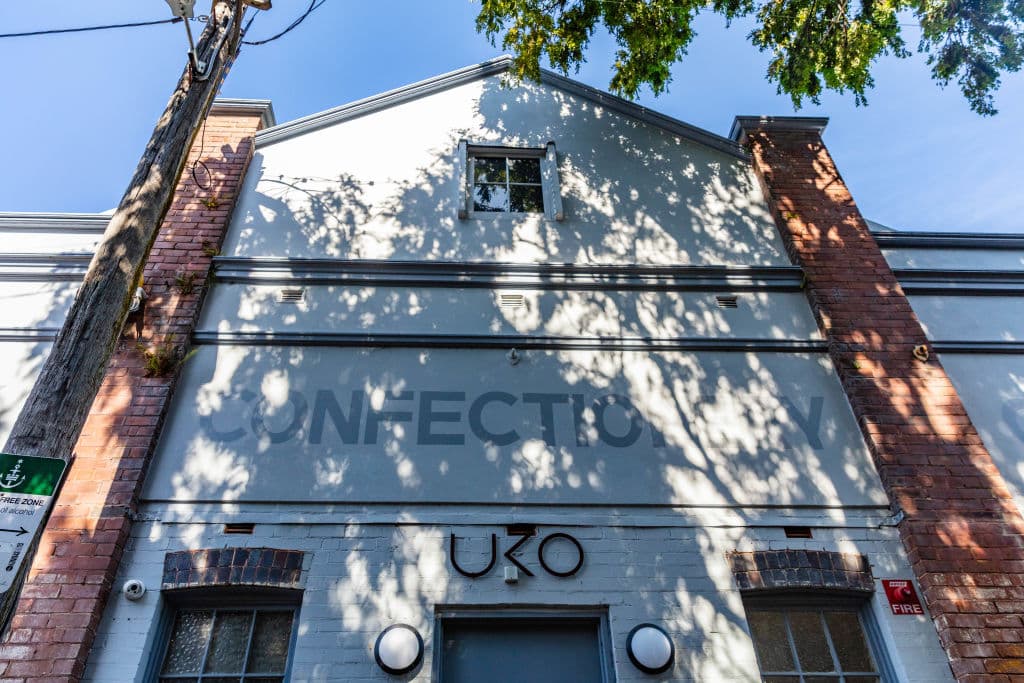
Now home to UKO Newtown Village, the heritage-listed former Sydney Confectionery Company building at 10-12 Egan Street features 19 modern self-contained studio units operated by co-living provider UKO in one of Sydney’s most tightly held rental markets, about 20 minutes from the CBD.
The property was sold through an expressions-of-interest campaign managed by James Masselos and Adam Droubi of Knight Frank on behalf of the vendor, 10 Egan Street. The $10 million-plus price guide attracted strong buyer competition.
“The sale was an extremely strong result,” Masselos says. “We anticipated significant buyer interest, but the level of enquiry during the campaign exceeded our expectations.”
Masselos says the co-living sector – in which individuals rent private bedrooms or studios but share larger communal areas – continues to attract strong interest from both local and offshore investors despite broader economic headwinds, driven by housing shortages and demand for more affordable accommodation options.
“Like the rest of Australia, Sydney has a shortage of homes relative to demand, and there is strong tenant demand for co-living units, with affordability being a key driver,” he says.
“Offerings such as UKO Newtown Village, in a densely populated urban area with access to existing amenity, transport links and employment, are particularly sought after.”
The two-storey 474.7-square-metre building occupies a 382.9-square-metre site and generates a gross annual income of about $632,300 from its tenant, UKO. The sale reflects a rate of about $548,684 per key and a net yield of about 4.15 per cent.
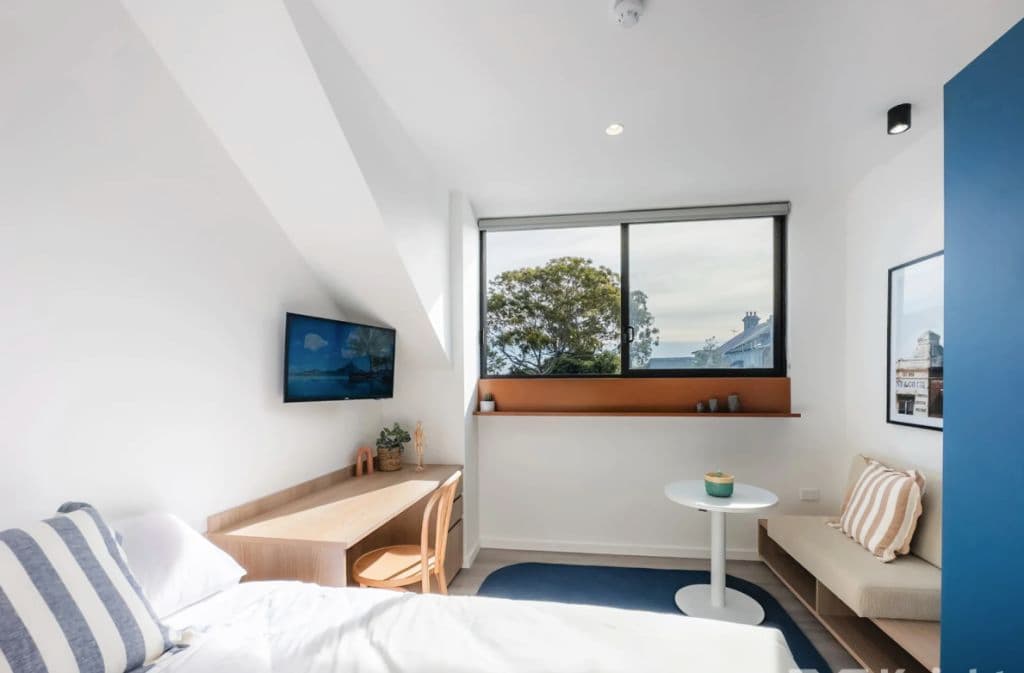
The studios in UKO Newtown Village have en suites and kitchenettes, while 40 per cent also have courtyards. The building also has a communal lounge and games room, dedicated co-working space, on-site laundry facilities, 24/7 security surveillance and a barbecue area.
In Newtown, a one-bedroom apartment fetches an average of $747,500, and 60 per cent of homes are leased.
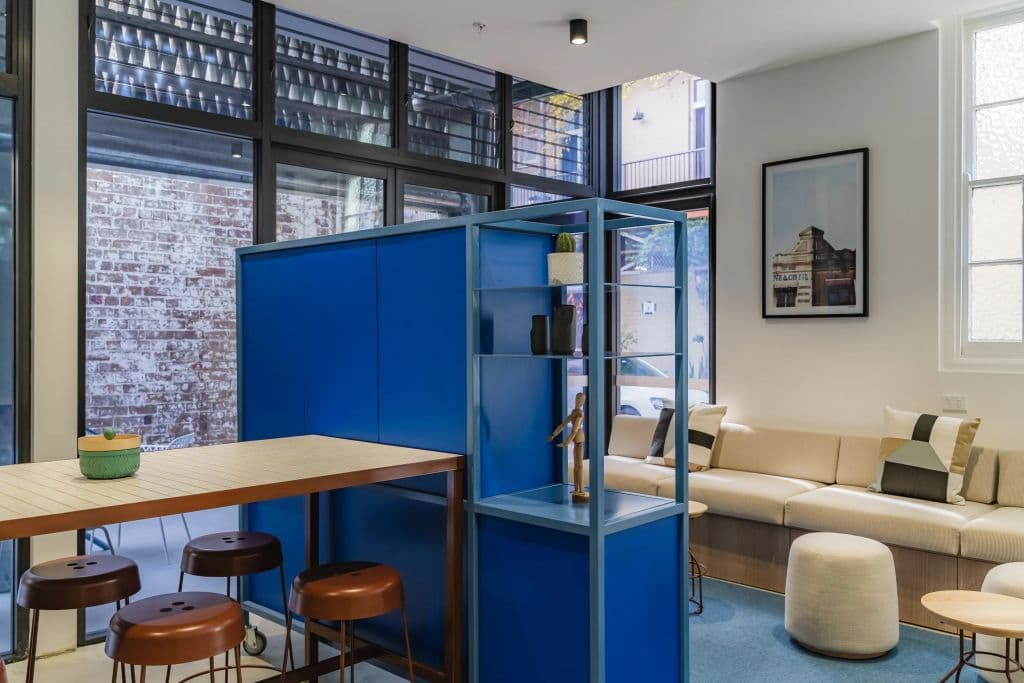
It was the first time the property had been offered to the market in its co-living configuration, following its 2019 sale for $3.5 million as a warehouse.
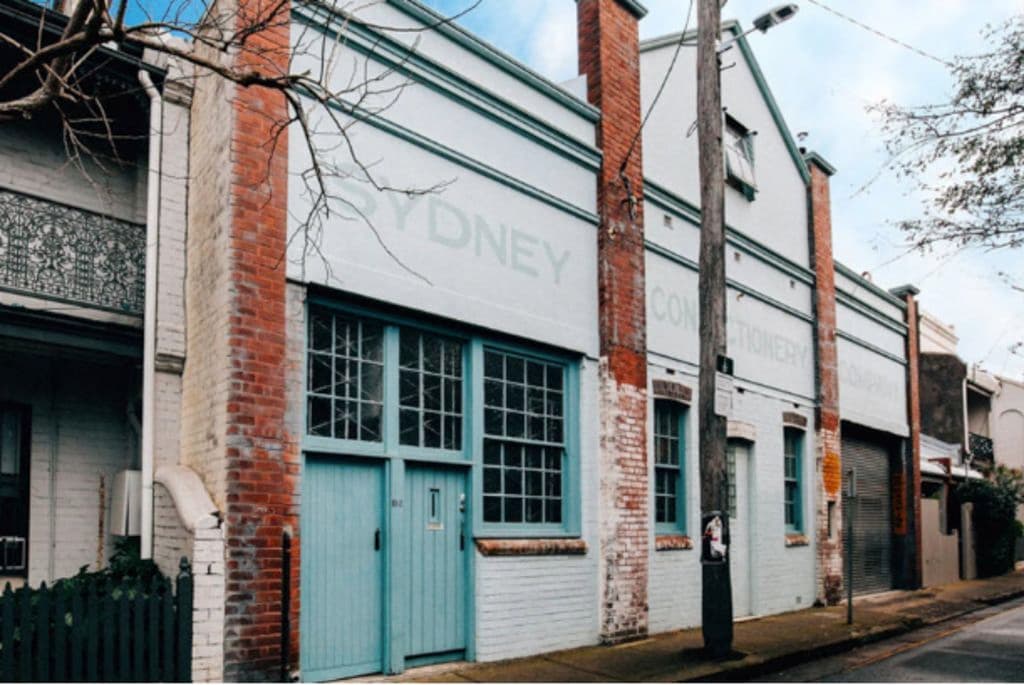
The adaptive reuse project retained much of the building’s industrial character, including the original painted Sydney Confectionery Company signage still visible on the facade.
The pale-blue brick building was previously used as an art studio before its transformation into 19 compact 17-square-metre or 18-square-metre studio apartments.
Droubi says the property’s industrial heritage and secure income stream strongly resonated with buyers.
“UKO Newtown’s heritage also appealed to buyers, with the property maintaining its character following its conversion to a co-living asset,” he says.
“Its tenant covenant and secure cash flow was also a strong drawcard, with UKO being a reputable co-living brand known for its strong community engagement and high resident satisfaction.”
Located about 80 metres from bustling King Street, the property is within walking distance of Newtown train station, hospitality venues, cafes and retail amenities. It’s also one kilometre from the popular Enmore Theatre music venue. UKO describes it one of Sydney’s most “quirky and free-spirited” neighbourhoods.
The building was developed during the interwar period after a weatherboard cottage on the site was demolished in the 1920s to make way for a brick factory with an iron roof. Soon after, the Sydney Confectionery Company began producing confectionery and ice-cream cones at the site.
Historical records show the property later accommodated a range of industrial and creative uses across the 20th century before its latest reinvention.
Adaptive reuse projects converting heritage buildings into residential accommodation are increasingly gaining traction as co-living operators expand across Australia’s major cities amid housing shortages and rising rental demand.
According to Knight Frank, Sydney remains the dominant co-living market nationally, accounting for more than 90 per cent of completed schemes across Australia.
“We expect co-living assets to maintain their desirability in the current market with tenant demand and returns to remain solid,” Droubi says.
It comes just weeks after a major lower north shore development site in Wollstonecraft, Sydney, which is set for a co-living complex, sold for more than $50 million through JLL to Singapore-listed student accommodation specialist Wee Hur. The property spans 2944 square metres on a corner site and comprises 18 separate strata-titled townhouses.