Former Fitzroy North bank with rock’n’roll past strikes chord with land-bankers
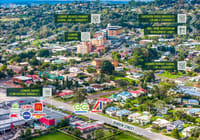
Just a short stroll from the iconic Fitzroy Swimming Pool with more than 60 metres of frontage at the high-traffic intersection of Brunswick Street, and Queens and Alexandra parades in one of Melbourne’s most eclectic and bustling neighbourhoods, the term “land-banking” has taken on a literal meaning.
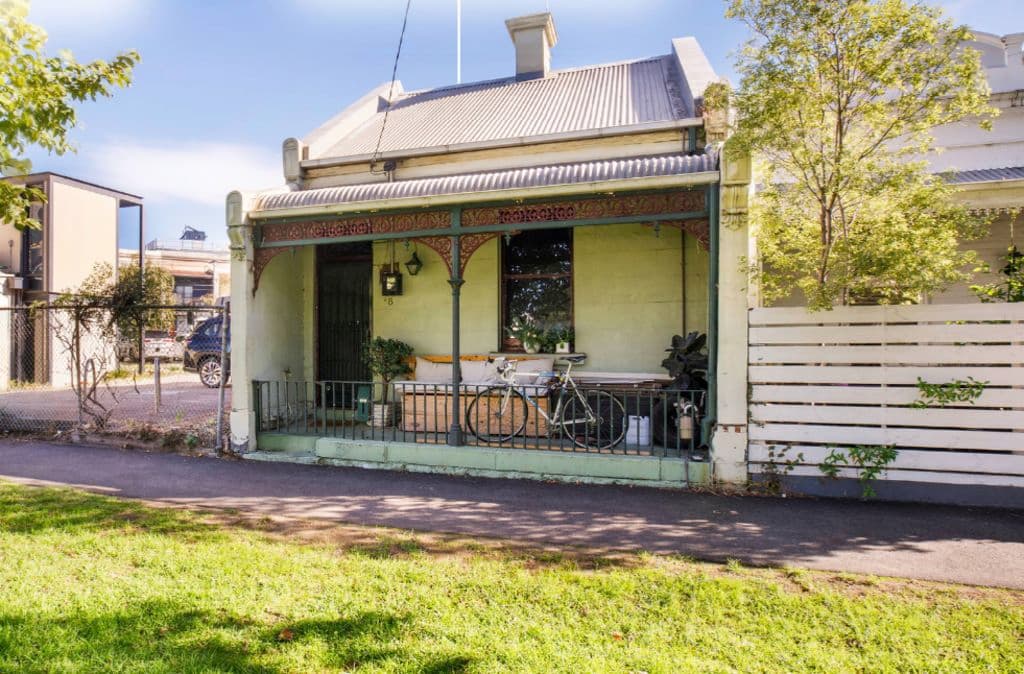
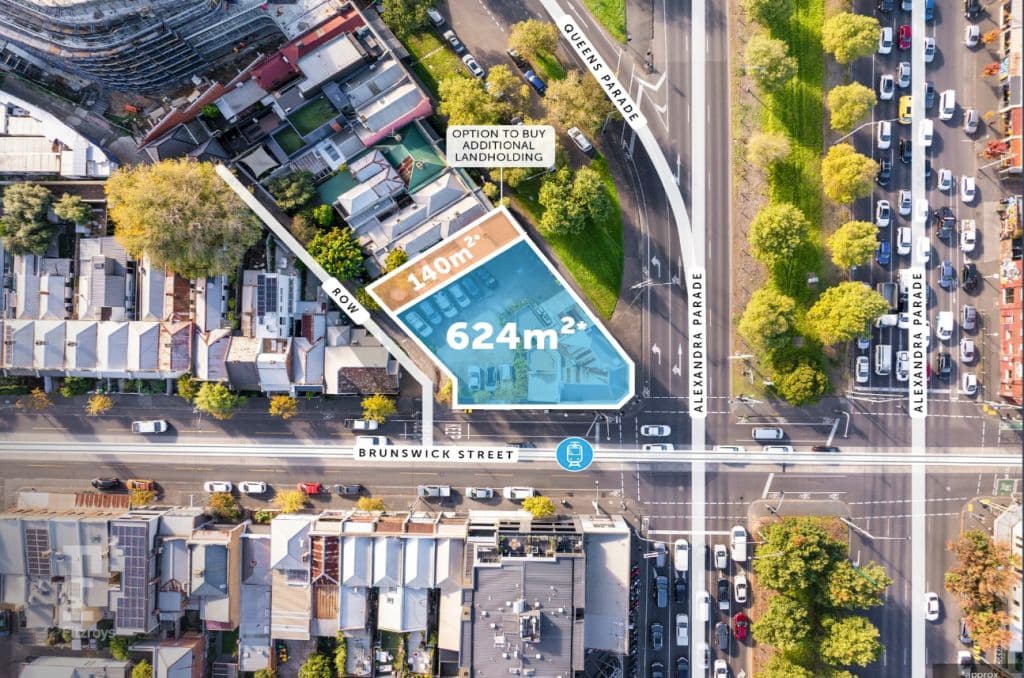
A former bank-turned-music hub and now medical clinic at 460 Brunswick Street is listed for sale, along with its next-door neighbour, a two-bedroom home at 8 Queens Parade, expanding the 624-square-metre site into a total future redevelopment opportunity of 764 square metres.
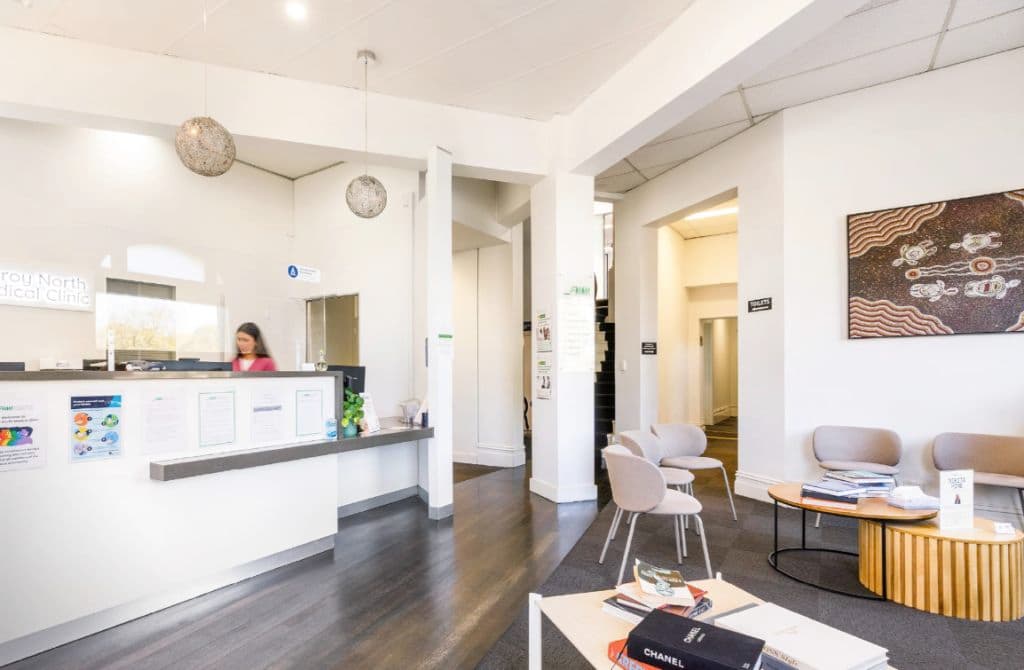
While the 330-square-metre renovated medical building with 12 on-site car parks is securely leased to the North Fitzroy Medical Clinic, traces of its financial and musical past remain.
One of its nine consultation rooms is used by principal GP Dr Katherine Lypourlis, whose office sits within the original 1884-built Colonial Bank walk-in safe.
“The room that Katherine works in is the old safe,” says practice manager Dallas Boland.
“It’s got really thick walls … supposedly, and I don’t know whether it’s true or not, there was talk that there was a tunnel from there … and that’s how they got the money back and forth,” Boland adds.
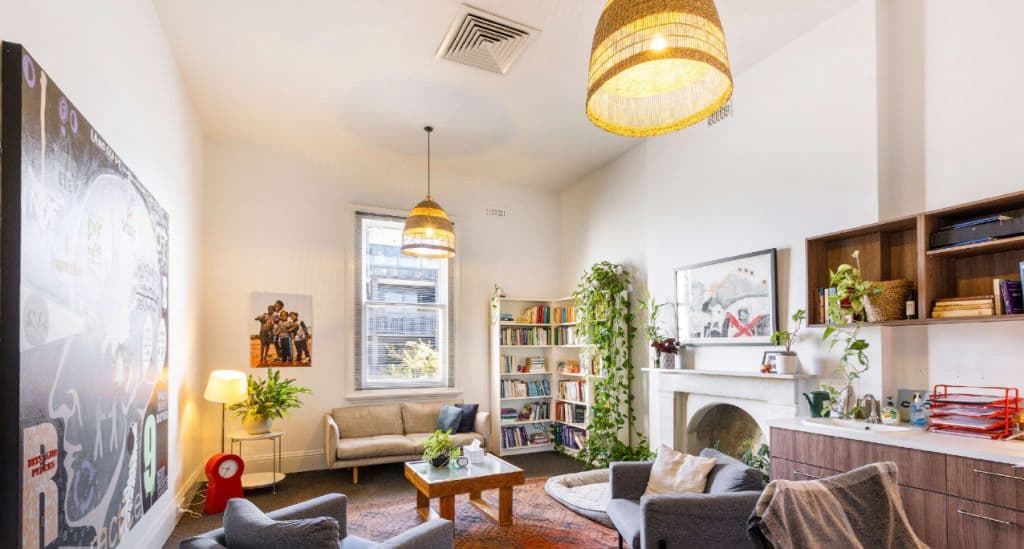
That legendary security now serves a modern purpose, providing a soundproof sanctuary for patients at the “one-stop shop” holistic destination – the ultimate in patient privacy.
Before its current life, the building served various other purposes over the past 140 years, most notably as the headquarters of the entertainment company McManus Group.
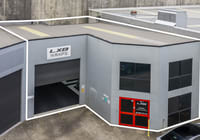
Concert promoter Andrew McManus co-ordinated massive international tours, reportedly for acts like Fleetwood Mac, KISS, Whitney Houston, and UB40, from the site during the 2000s, leaving his company’s name embossed on the building’s exterior.
“I think there was actually an event business with support bands promoting concerts and stuff like that for a while,” Boland says of that era.
The property was last transacted in 2010 for $1.76 million, reportedly when McManus sold the site to former bookmaker and entrepreneur Alan Eskander.
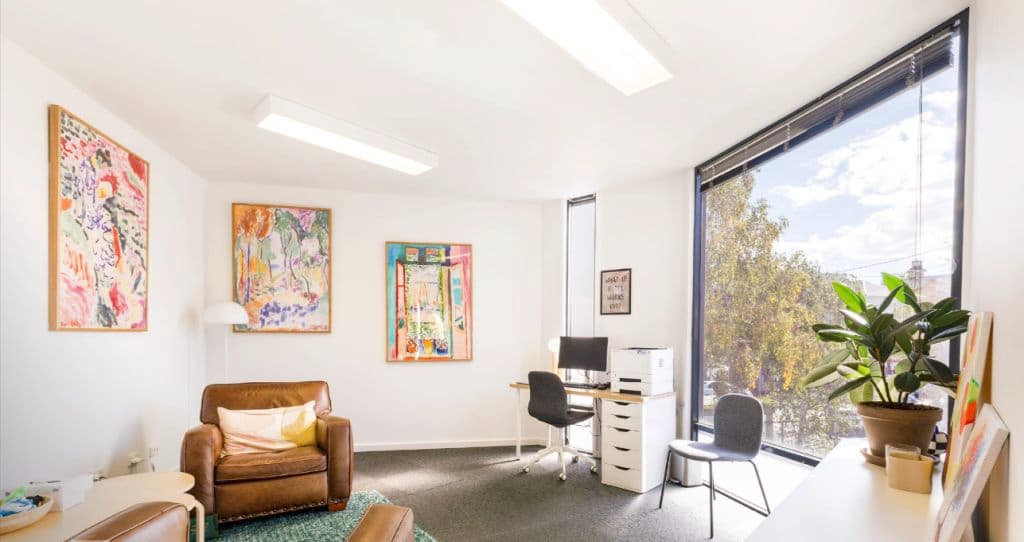
Marketed by Fitzroys agents Chris Kombi, Chris James, and Ben Liu, the freehold carries price expectations upwards of $3.7 million. It is described as “one of the best commercial property offerings across Melbourne’s inner north” this year.
To ensure flexibility for the next owner, the clinic’s renewed 5+5+5-year lease – which returns $221,598 per annum – includes a specific redevelopment clause and mixed-use zoning that encourages high-density development.
The opportunity is just two kilometres from the city, with a tram stop at its doorstep and close to freeway access and major arterial roads.
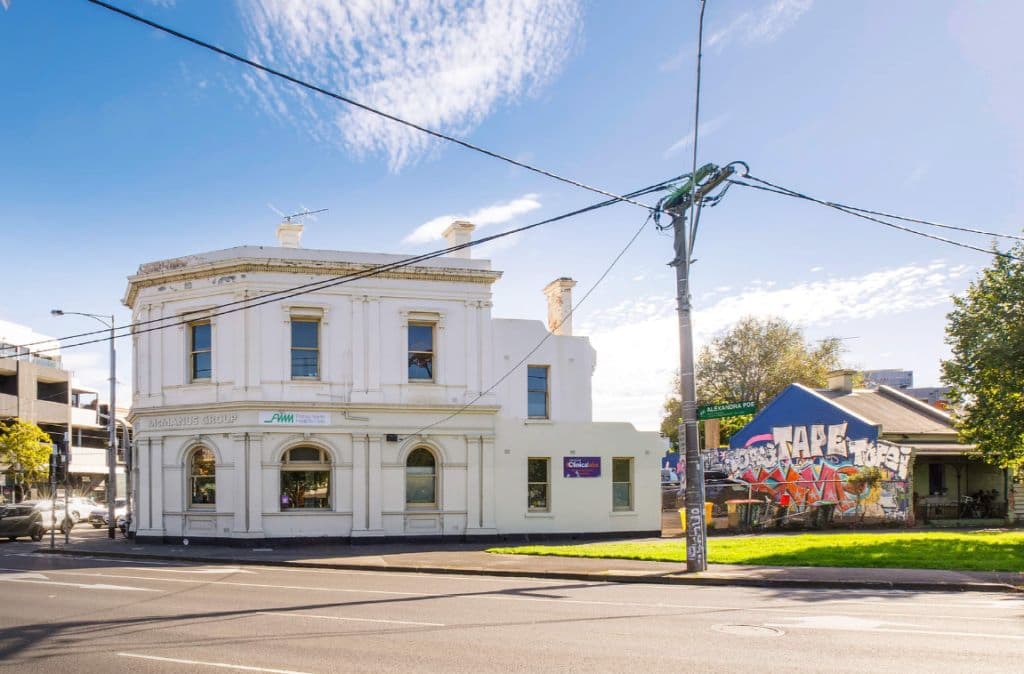
The clinic’s 20 practitioners and allied health specialists service an inner-city clientele who mostly arrive on foot or by tram.
According to Domain Insight, Fitzroy North residents are mostly renters, single and aged between 20 and 39. It’s also where a three-bedroom home costs an average of $1.71 million.
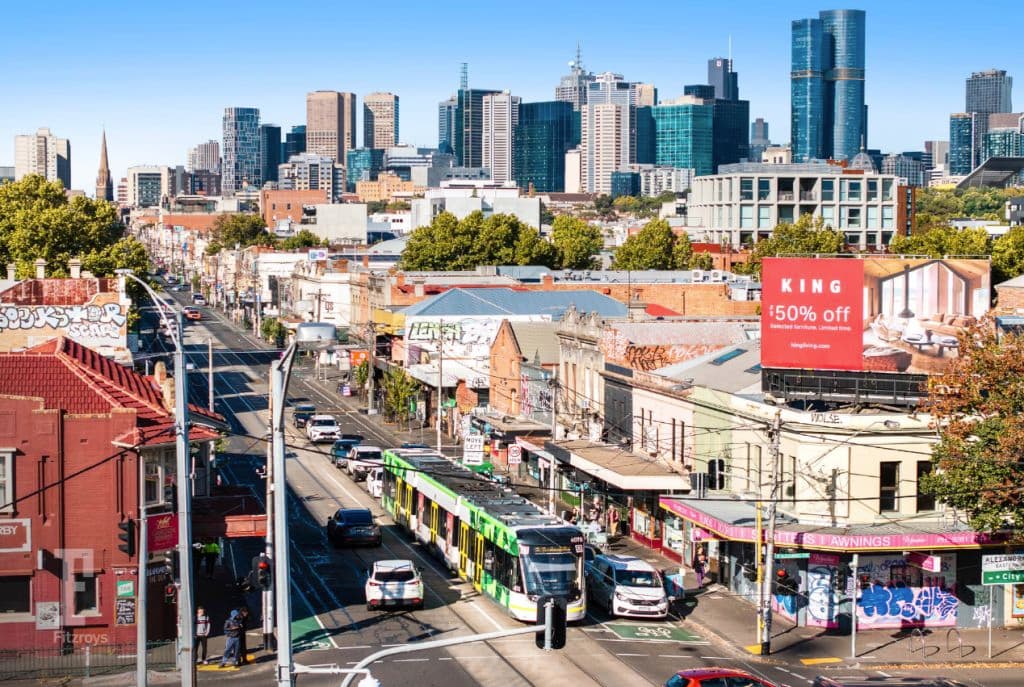
Kombi says the medical asset has drawn a new wave of interest from developers and land-bankers eyeing the “incredibly rare” site’s significant future upside, alongside the chance also to seize the extra Queens Parade land, a parcel of 140 square metres.
“The campaign’s going well. We’ve had a lot of interest, mainly from land-banking investors,” Kombi says.
“We’re looking at a prime corner location, huge frontage, and large site area for future value-add opportunities.
“It’s an exceptional opportunity for investors, land-bankers and future developers.”
Medical assets – which have a defensive, recession-resilient nature – have proven to be remarkably resilient over recent years, according to James.
“Investors will note the secure lease to a quality tenant, and high exposure and high accessibility of the location that contributes to busy activity across seven days a week of operation,” James says.
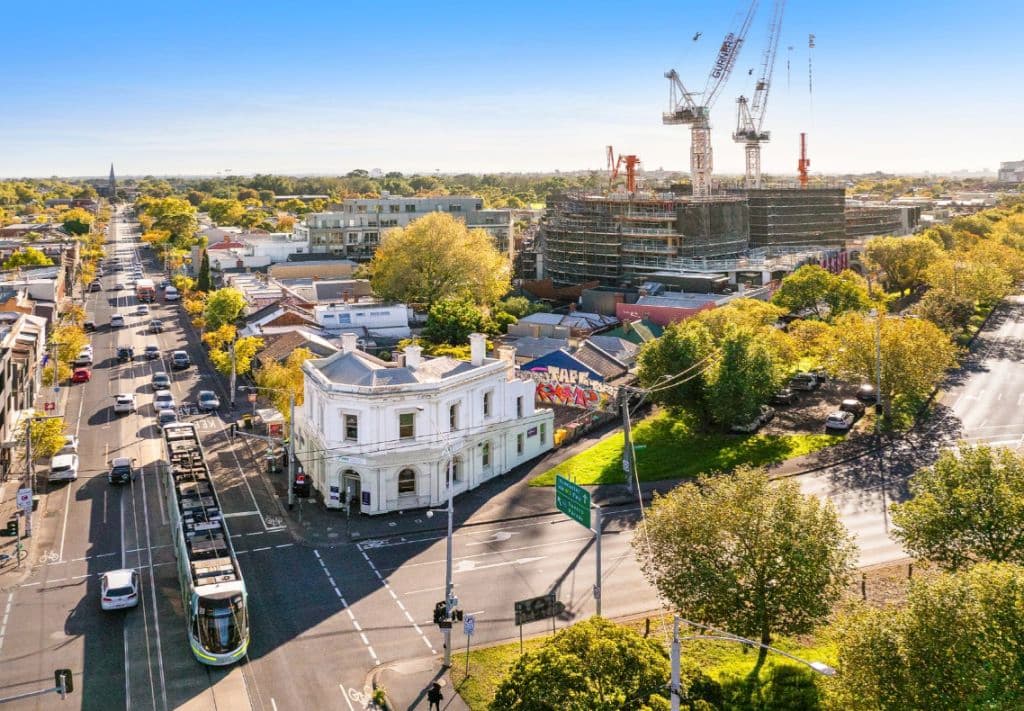
Designed by prominent Melbourne architects Smith & Johnson and built by Hoskins & Sons, the building was described in a 1978 conservation study as an “important, conservative, classical, corner bank building” with streetscape significance.
The council study tracks the Victorian-era building’s evolution through expansions and its transition from a Colonial Bank originally to a National Bank branch in 1918. In 1923, a new manager’s room was added to the north along Brunswick Street, and the banking chamber was enlarged, with the new corner entrance added some 33 years later.
While not individually heritage-listed, the site falls within a local overlay precinct, with planning controls that allow for future development.
Boland also recalls how the building’s original design has shifted over the past century.
“The original entrance was on Queens Parade; I think our entrance is now a secondary entrance, it was rendered and changed.”
Expressions of interest close at 3pm on Thursday, June 4.