The rise of integrated healthcare hubs in Australian property
Once upon a time, the local GP often worked and lived in the same place – a solo operator running their practice from home.
But in recent decades, that model has shifted dramatically.
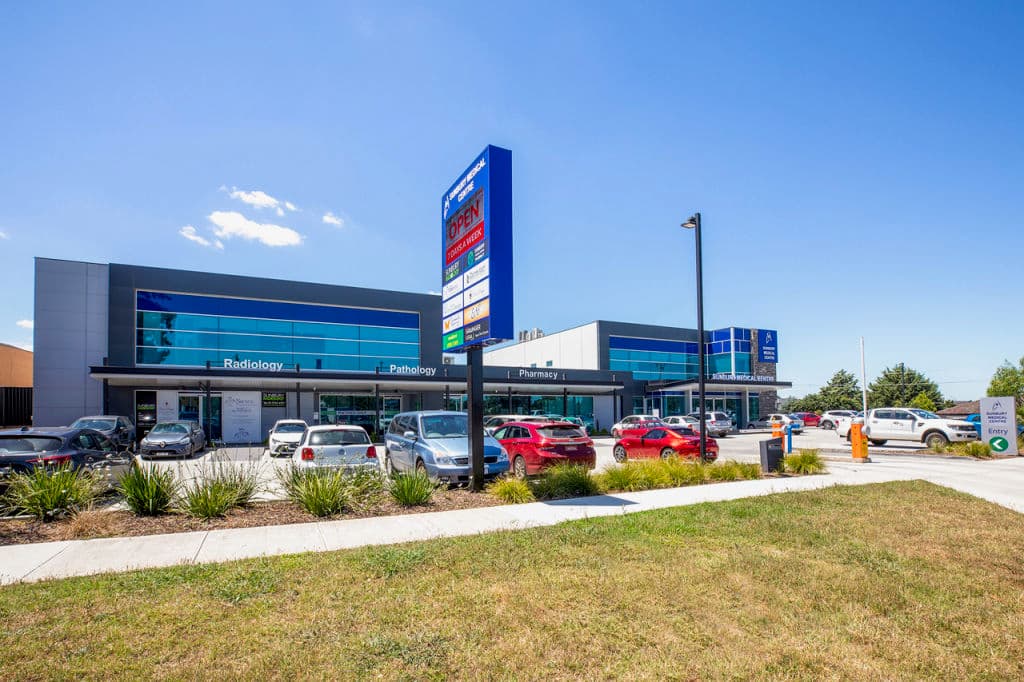
Today’s medical centres are evolving into integrated healthcare hubs, bringing multiple disciplines under one roof and changing the way developers, landlords and investors think about healthcare real estate.
“Twenty or 30 years ago, my GP was one person working out of a house with their receptionist – often their wife – and using a spare room for their consulting room,” says Scott Vickers-Willis, managing director of Victorian healthcare operator Medical Hub Group.
“The economics of general practice have particularly changed, where you need to have more doctors to support them, and you’re seeing consolidation into larger clinics of a minimum of eight to 10 doctors per site.”
According to Rod Owen-Jones, healthcare fund manager at Centuria, the shift is largely being driven by patient convenience.
“You can almost have a sort of one-stop shop … allowing individuals who have seen their GP to go and have their bloods done, perhaps have an X-ray conducted, so that it’s all relatively convenient and available,” he says.
“Operators are really looking much more closely at the way in which that patient experience is conducted … you’re looking at a much more efficient type of facility.”
Vickers-Willis says other drivers include the efficiency and commercial benefits of bringing complementary providers together.
“It’s about economics and being able to defray large overheads and building operating costs amongst more users, and making sure the asset is utilised more than five days a week and more than nine to five – you’re often seeing extended hours plus weekends,” he says.
Co-location economics and referral ecosystems drive tenant demand
For tenants, a multidisciplinary health hub creates an ecosystem where providers can collaborate and share patient referrals.
“Healthcare is an ecosystem, and there are a lot of referral pathways that are helpful for patients when they’re co-located. I think it’s ease of treatment,” says Vickers-Willis.
“If you’re an imaging business, you’re going to get referrals from doctors, GPs … orthopods, cancer surgeons, cancer doctors, plus you get it from anyone that needs an image.
“It just makes good business sense to be able to create an ecosystem of various services in one location.”
Marcello Caspani-Muto, director – Australian healthcare and social infrastructure at CBRE, is seeing “substantial” demand for integrated healthcare hubs and super clinics, with the model effectively becoming the default for new healthcare developments.
“These days, a super clinic-style offering is preferred, with co-location to pharmacy, pathology and radiology most commonly,” he says. “This is driven by patient preferences and convenience.”
He says the physical requirements of healthcare clinics have evolved to keep pace with patient expectations, going from small suburban practices to purpose-built multidisciplinary facilities.
“From a typical two to three-GP clinic in a converted house or small new clinic, these are now an average of seven-plus doctors and sometimes up to 20 consultation rooms,” he says.
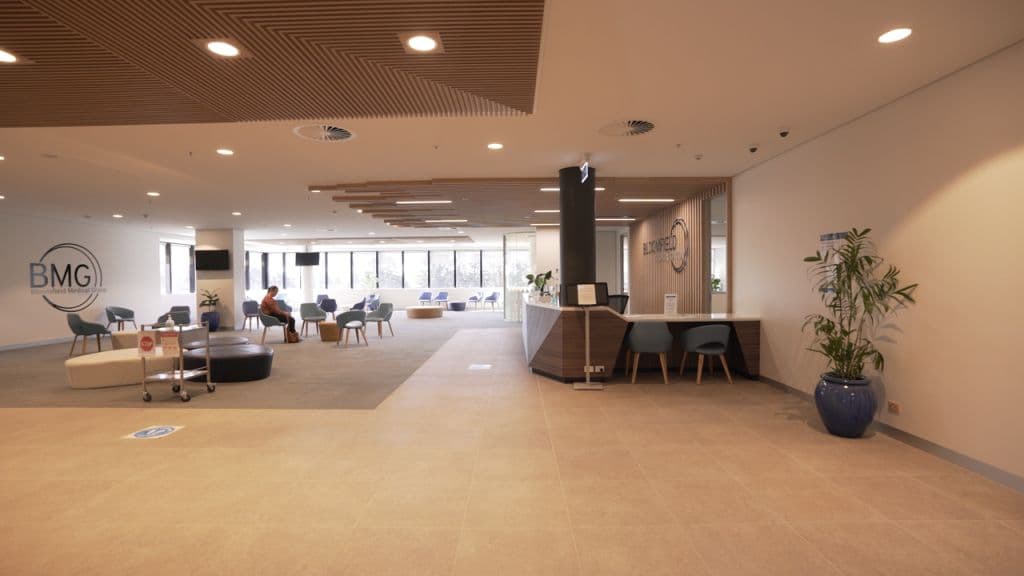
Owen-Jones says a number of these developments are cropping up in master-planned communities and high-growth areas to cater to previously underserviced suburbs.
“You are beginning to see … GP clinics, physiotherapy and rehabilitation services integrated into communities so individuals don’t need to travel a distance to get to those services,” he says.
Vickers-Willis adds that suburban healthcare hubs are typically located where land is cheaper and offer additional advantages for patients and specialists. They allow specialists to consult close to where patients live while continuing to perform procedures at major metropolitan hospitals, giving specialists and patients better access to one another.
Institutional capital shifts the sector away from private doctor-ownership
Healthcare property has long been seen as one of commercial real estate’s most defensive asset classes, and healthcare hubs are only strengthening that position.
Vickers-Willis says diversifying among multiple tenants can create a stronger income stream for landlords.
“One of the most attractive elements – if you get it right – is the fragmentation of income, or diversification of income,” he says.
“Rather than the whole income to one tenant or two tenants or four tenants, you might have 100 potentially in one of these hubs. What that means is you’ve got 100 small businesses in one place. I think the vacancy risk is low.”
As the sector matures, Caspani-Muto notes that different types of investors are being drawn to integrated healthcare.
“The growth of integrated health hubs is pushing most development toward highly capitalised institutional owners and away from doctor-owned or private development models,” he says.
The shift towards integrated healthcare hubs shows no signs of slowing.
Caspani-Muto sees convenience coming even closer to the fore, with patients possibly having the option to collect prescriptions without leaving their car.
“[There will be] an evolution toward greater consultation and even more ease of use and efficiency for patients,” he says.
“I see this manifesting in the form of drive-through style pharmacies in super medical hubs. Easy direct-to-boot style services and more efficient consultations due to AI implementation.”
As Australia’s population grows and ages, Owen-Jones expects integrated healthcare to be increasingly embedded in the communities it serves.
“Most of what you see within healthcare demand really revolves around population growth and demographic shifts in ageing,” he says.
“We’re looking at how accommodation, health services – whether they be private hospitals, GP clinics, allied health providers – all can integrate into that community.”