EV charging demand to change the face of service stations
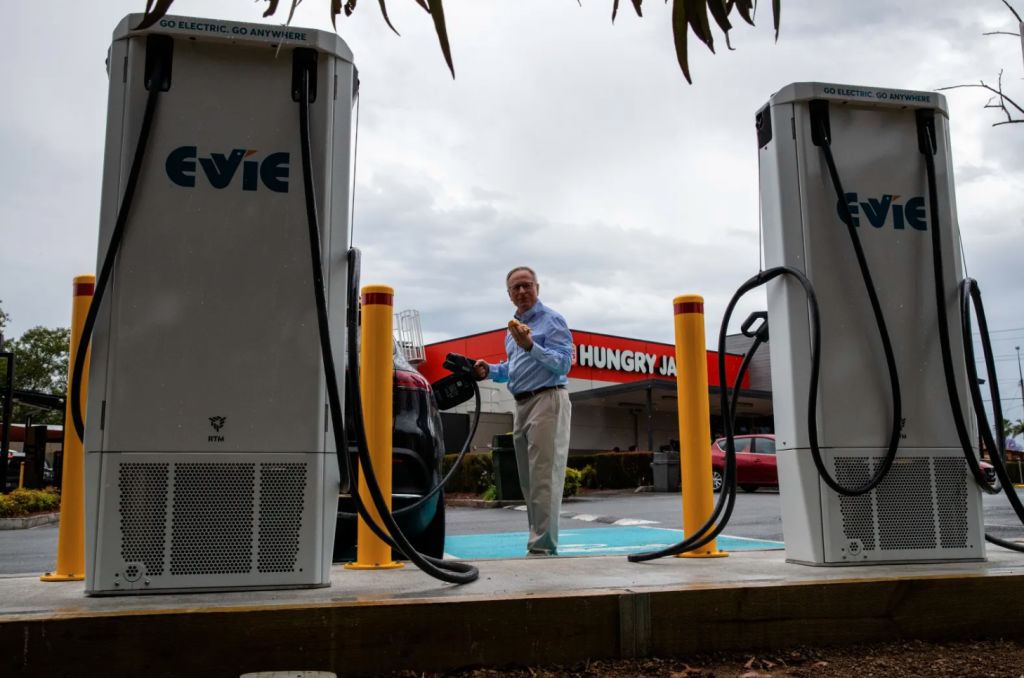
Service stations are under the pump to accommodate fast-charging stations, with demand for electric vehicles surging since conflict erupted in the Middle East.
Fuel shortages and price hikes resulting from the closure of the Strait of Hormuz have led to a surge in demand for electric vehicles in Australia. However, the adoption of EVs is being hamstrung by the lack of charging stations, experts say.
“Right now, the biggest barrier to rolling out EV charging at scale isn’t demand or technology – it’s the basic plumbing of the system,” said David McElrea, chief advocacy officer at the Smart Energy Council.
“We’re seeing wildly inconsistent connection costs and delays of up to two years, which is holding back investment that’s ready to go. If we fix connections, tariffs and pricing signals, private capital will do the heavy lifting – delivering charging faster and at lower cost to taxpayers and energy consumers.”
Service stations are emerging as critical infrastructure in Australia’s energy transition, and it’s set to benefit operators.

Longer dwell times for electric vehicle charging, typically 20 to 40 minutes compared to five minutes for fuel stops, will create opportunities for service stations to leverage quick service restaurants, coffee and convenience retail.
Vanessa Rader, head of research at Ray White, said the sale of several service stations with expanded retail offerings last year highlighted the good value for well-positioned assets.
“About five years ago there was all this talk about service stations dying, but it’s so far from reality,” she said.
“If you own an asset and it’s still got good returns, it also needs to have the ability for multiple income streams.”
Service stations, which are already positioned on prominent main-road sites, are not only the obvious place to install charging stations but also integral for EV owners who live in apartments and cannot access home charging stations.
“Approximately 30 per cent of Australians live in apartments or homes without dedicated parking, creating a fundamental infrastructure gap that service stations are uniquely positioned to fill,” she said.
“Body corporate approval processes, retrofit costs running into tens of thousands of dollars per building, and the technical complexity of upgrading electrical infrastructure in older apartment blocks create structural barriers unlikely to be resolved quickly.”
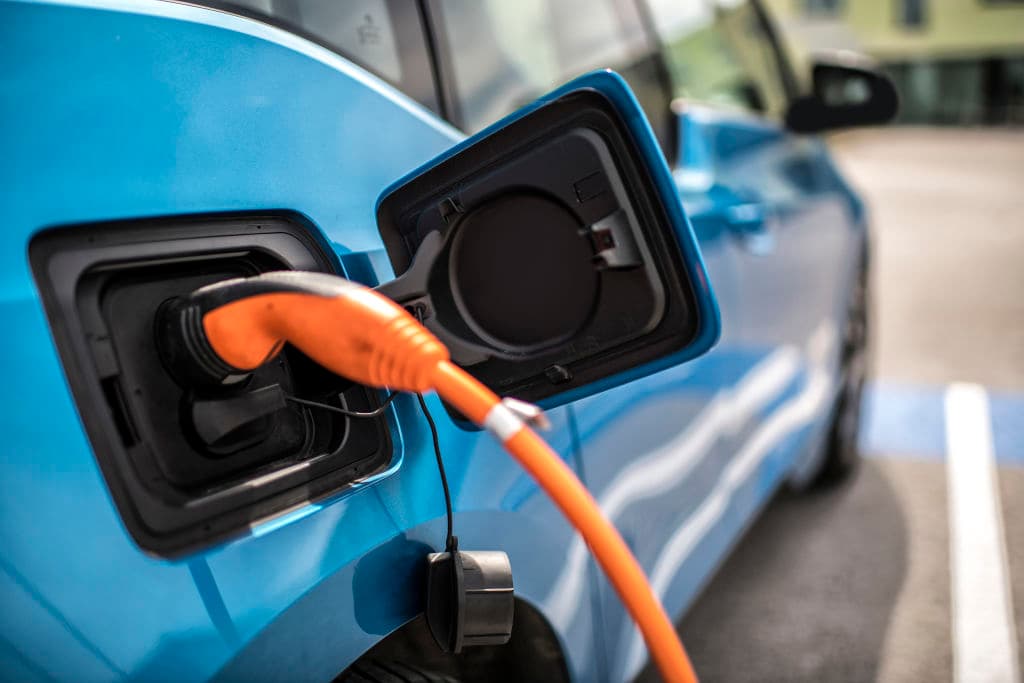
Perhaps the biggest hurdle for service stations is upgrading the electrical infrastructure required to charge multiple vehicles simultaneously.
This is where government partnership with industry is crucial, said a spokesperson for the Motor Trades Association of Australia.
“The MTAA believes service stations are ideally positioned to become the backbone of Australia’s EV charging network,” they said.
“Their existing locations across inner suburbs and regional corridors, combined with the space they typically have available, make them a natural fit for fast-charging infrastructure.
“That said, the financial reality facing operators cannot be ignored. Installing fast-charging units, including the necessary electrical upgrades and grid integration, can cost hundreds of thousands of dollars. The MTAA has been actively advocating for targeted government funding specifically directed at service station operators to help bridge that gap.”
Ampol service stations are already rolling out a fast-charging network, with more than 120 sites and a goal of reaching more than 300.
A joint statement from charging operators and service providers, released on April 24 (2026), called on the federal, state and territory governments to support a coordinated rollout of EV charging infrastructure and to fix grid connection bottlenecks. They also want government policy to protect them from big power companies owning or operating public charging assets.