How designing with country is reshaping commercial real estate
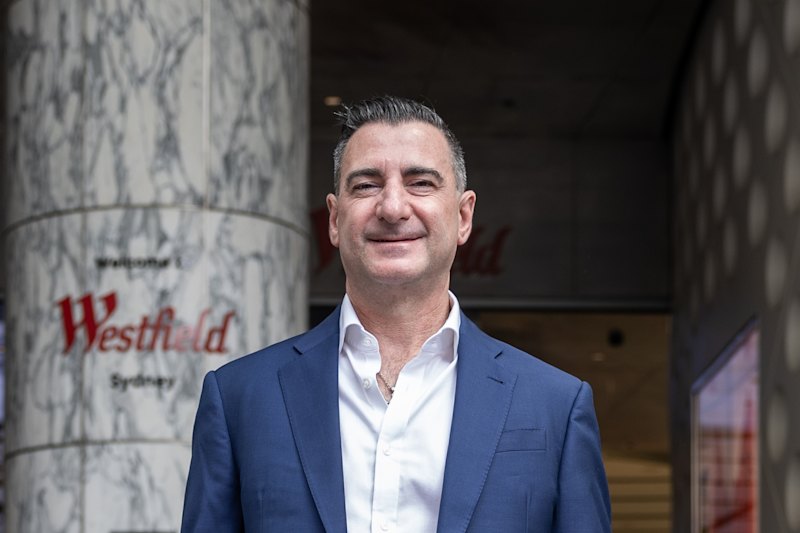
Designing with Country is a concept Christian Hampson often finds himself explaining. The chief executive of Yerrabingin, an Aboriginal-owned urban design company, has overseen more than 300 commercial projects, yet the practice of integrating First Nations knowledge and wisdom into contemporary design is still emerging in both the industry and the wider community.
“Previously, more often than not, Aboriginal communities would be brought into a development discussion when there was a potential impact to cultural heritage, so at first, that was often a quite adversarial type thing, where it was about, ‘What are you happy to lose?’” Hampson says.
“As we have worked more and more with communities and they get more and more familiar, they understand, ‘OK, we can bring our logic and thoughts to things such as urban design and where buildings should be placed within the landscape so that they sit within the natural system well and allow people to understand the context of country around them.’”
Hampson, a Maneroo and Woiwurrung man, founded Yerrabingin in 2018 after taking a detour from his job at NSW National Parks to study business at the University of Technology Sydney. There, he learned about human-centred design, which led him to create what was then a niche enterprise bringing culture and design together.
“My idea was to create a methodology around design thinking that allowed people to have empathy towards Country as a living system, to have empathy towards what we call our non-human kin, plants and animals, in the same way we consider humans’ needs and aspirations and fears within a design,” he says.
“Similarly, we get people to empathise around the natural system of place or what is the cultural history of that place.”
Commercial industry culture shift
Today, firms like Yerrabingin are contracted by federal, state and local governments, developers, architects and builders to integrate input from traditional land owners, and such collaborations have fast become integral to commercial and urban design projects.
In 2025, the First Nations Advisory Committee and Cultural Reference Panel (FNAC) to the Australian Institute of Architects published a series of resources to support non-Indigenous architects and other built-environment professionals in respecting First Nations cultures and heritage in their work.
Moves like this signal a shift for the commercial industry that goes beyond tokenistic consultations and symbolic gestures towards more genuine understanding embedded in design.
For Yerrabingin, it all started with the design of a native rooftop farm at Mirvac’s South Eveleigh, which won the public and urban category of the 2019 Sustainability Awards.
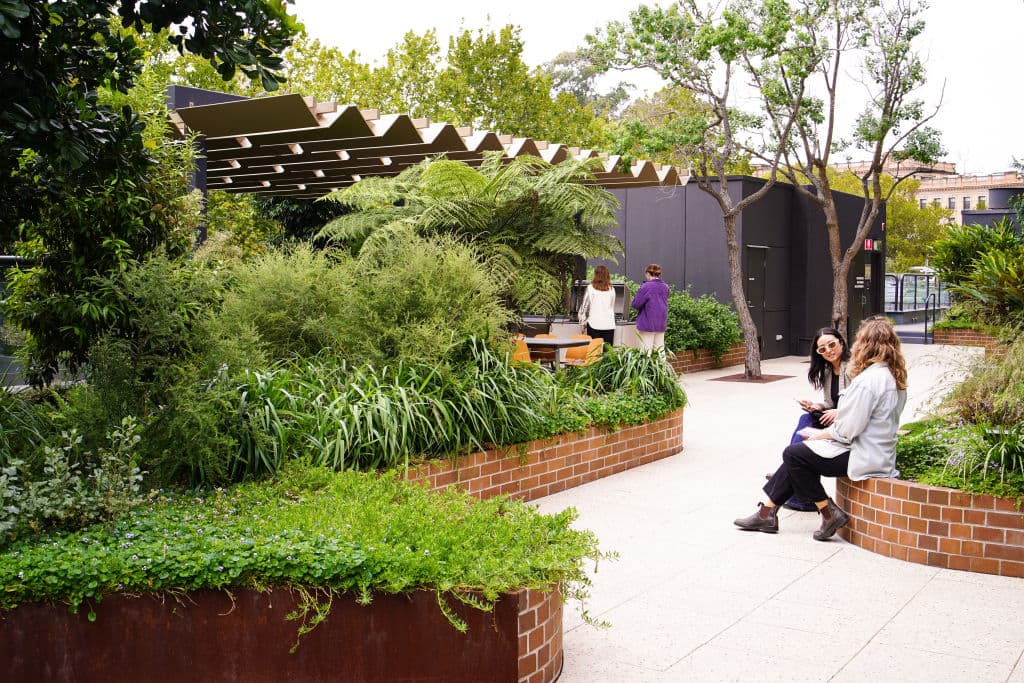
More recently, its work with ISPT and BuildCorp to transform a terrace at 477 Pitt Street into a native food garden was highly commended at last year’s Sustainability Awards.
Western Sydney Aerotropolis collaboration
One of its current major projects is Mirvac’s Seed industrial precinct at the Western Sydney Aerotropolis – an 11,200 hectare economic and urban development park at the new Western Sydney International (Nancy-Bird Walton) Airport at Badgerys Creek that is due to open in October.
Seed occupies 90 hectares of developable land and sits alongside 42 hectares of open space. It will be home to 17 buildings, the first of which will be completed in the second half of 2027.
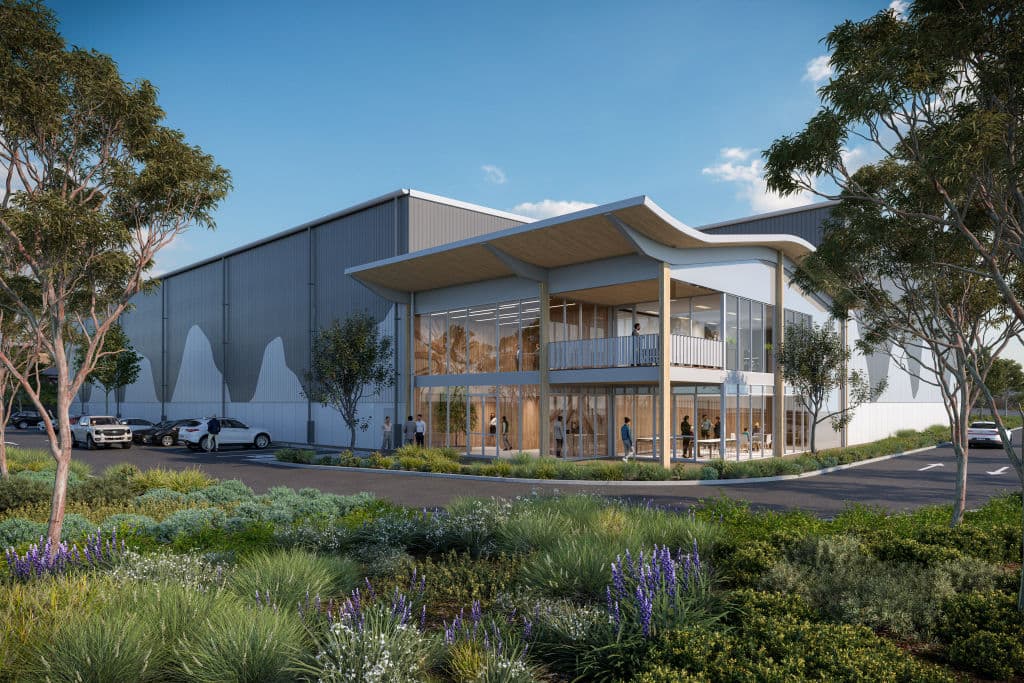
Mirvac’s first step with Yerrabingin was a walk on Country, says Andrew Quade, Mirvac’s industrial general manager.
“We had all of the representatives from the Dharug groups on site with Yerrabingin helping coordinate that, and you hear the stories, you learn, and you have the initial discussions to find out what’s important,” he says.
“I’ll tell you what, you learn a lot, and we’re still going to learn for a long time, but you really learn a lot about what the historical value of that site is.”
A major learning was the significance of the land as women’s country, with the nearby Wianamatta Creek being a focal point. Historical information like this is combined with the knowledge of local communities to ultimately inform the design process. Quade says it’s a process that gives all parties a fair say.
“Then at the end you’ve got a design that reflects and responds to all of that really important feedback, and you have a traditional landowner representative group that’s proud of the outcome, so that’s the goal,” Quade says.
“I can see the evolution from the initial obligations that were provided through to where Mirvac is and see it’s a lot more than box ticking.”