Australia emerges as a standout for global capital in new wealth report
Australia’s commercial real estate market is increasingly attracting global private capital, as investors recalibrate strategies in a more volatile economic environment.
Insights from Knight Frank’s Wealth Report 2026 highlight a clear shift: capital is no longer being deployed broadly, but with greater precision, prioritising income resilience, asset quality and long-term positioning.
“It has become much more professional,” says Alasdair Pritchard, a partner in Knight Frank’s Private Office, who works with some of the world’s wealthiest individuals.
“Previously, many investments were one-off deals driven by personal interest, whether that was in hotels or luxury retail, but now decisions are made within a far more strategic framework,” he says.
“Far more families now use a private office to manage their wealth, and those offices are recruiting talent from some of the biggest wealth advisory and property investment firms.”
Private capital, including private equity and high-net-worth investors, has accounted for the largest share of commercial real estate deals globally over the past four years, according to Knight Frank.
As Ben Burston, chief economist, research and consulting at Knight Frank, notes, Australia remains firmly in focus.
“Australia is one of the world’s deepest and most liquid real estate markets,” he says. “Our markets offer relative stability and high income returns, making them a prime target for private capital seeking wealth preservation and long-term growth.”
Australia’s structural advantage
Australia’s ultra-wealthy population is forecast to grow by almost 60 per cent by 2031, with the number of billionaires rising by 77 per cent, creating a deepening pool of local capital alongside sustained offshore interest.
At the same time, investors are becoming more selective about where they deploy capital, favouring transparent, institutionally mature markets with strong governance and reliable income streams.
Australia’s commercial real estate market sits firmly within that cohort, offering a combination of liquidity, regulatory stability and income resilience that continues to attract global attention.
Retail repositions as a defensive play
After years of disruption, retail is being reassessed through a more pragmatic lens, with investors targeting assets backed by essential services, strong catchments and non-discretionary spending.
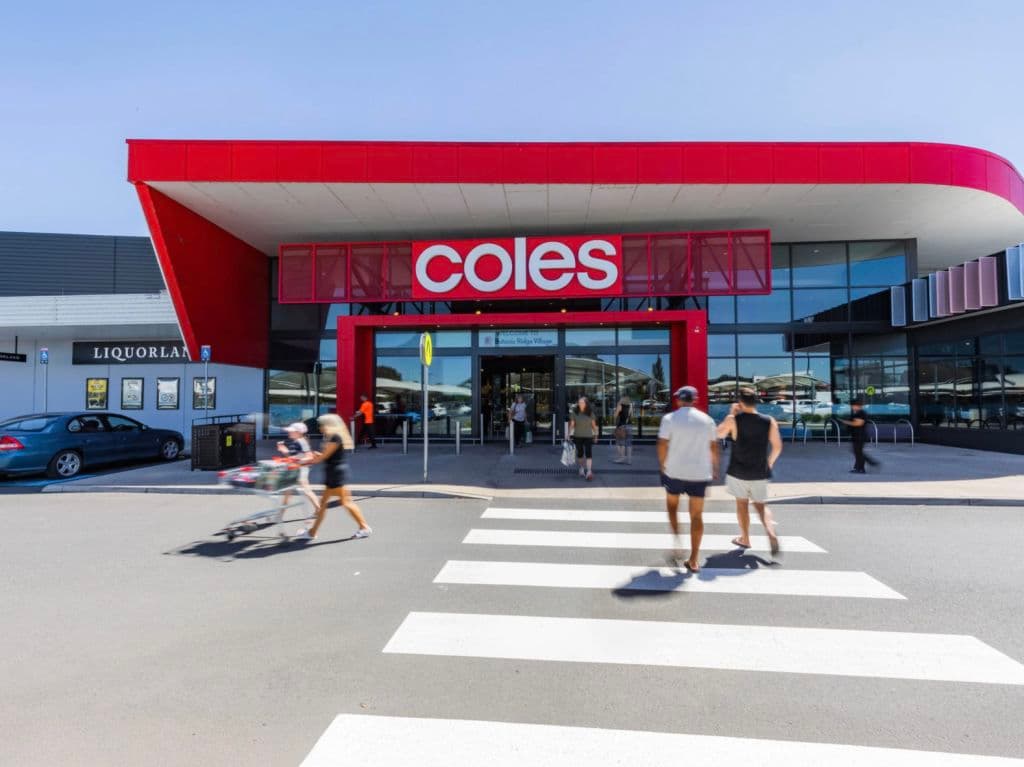
In a less predictable environment, assets with stable cash flow are back in favour, particularly supermarket-anchored centres and medical assets.
This aligns with a broader trend identified in the report, in which private investors and family offices are increasingly pursuing value-add opportunities and adopting more active management strategies across their holdings.
Office recovery takes shape
In the office sector, early signs of recovery are emerging, although performance remains highly uneven.
“Periods of uncertainty tend to provide attractive opportunity for private investors,” Burston said.
Net effective rents have risen across major CBDs over the past year, led by Brisbane and Adelaide (both up 11 per cent year-on-year), followed by Sydney (7 per cent) and Melbourne (4 per cent), where growth is now beginning to return.
However, this recovery is concentrated in prime-grade assets. Sydney’s core CBD precinct has led the rebound, while Melbourne’s Eastern Core has seen sustained demand as tenants continue to upgrade into higher-quality space.
This occupier shift, combined with a thinning supply of premium stock, is tightening conditions at the top end of the market. As a result, rental growth is expected to extend beyond core precincts into adjacent markets, including Sydney’s midtown and North Sydney and Melbourne’s western core.
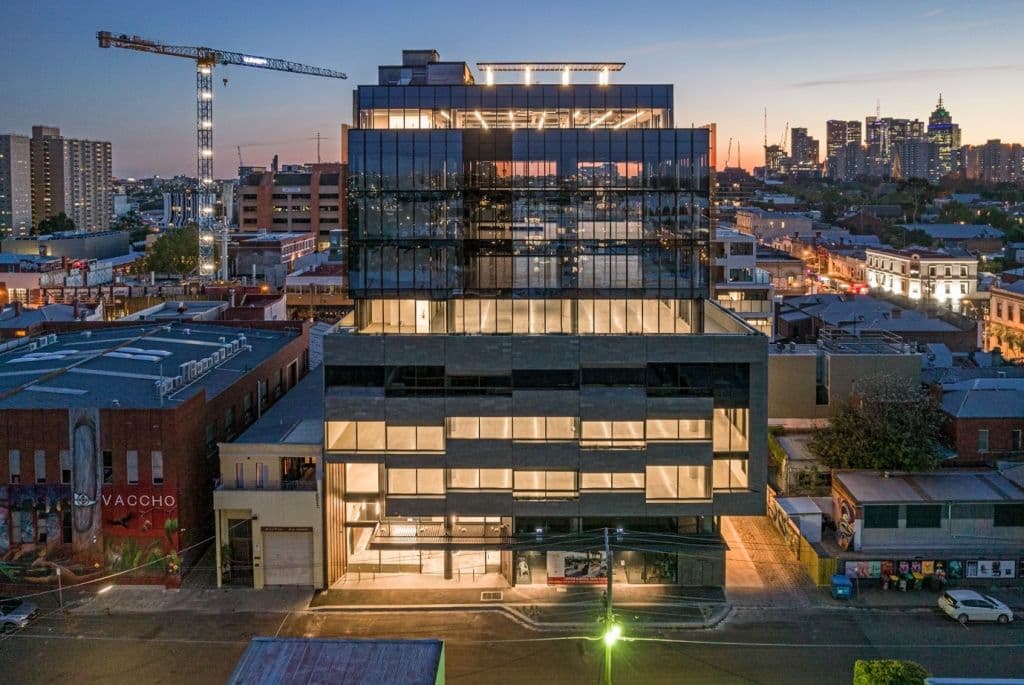
For investors, the implication is clear: office is no longer a uniform asset class, but a bifurcated market, in which performance is closely tied to quality, location and ESG.

Investors are diversifying their portfolios
Private capital is also diversifying into emerging areas of commercial real estate.
Data centres are increasingly viewed as critical infrastructure, driven by the rapid expansion of AI and digital demand. At the same time, investors are exploring opportunities across alternative asset classes and technology-enabled real estate strategies.
This reflects a broader shift in investment behaviour, as capital becomes more strategic, operationally focused and globally mobile.