Cleanaway-leased industrial waste portfolio listed for $50 million
After transforming a struggling waste company into a multimillion-dollar business, Sydney entrepreneur Le Ho is bringing another successful investment to market, listing four industrial facilities in three states fully leased to ASX-listed Cleanaway Waste Management in a deal expected to fetch up to $50 million.
Known in the industry as the “Garbage Queen”, Ho, 46, bought the struggling Capital City Waste Services for $50,000 in 2010. Within six years, she had transformed it into NSW’s largest privately owned waste company wholly owned and operated by a woman, before reportedly selling the business for $10 million in 2016.
The four assets on offer – two in western Sydney, one in Melbourne’s west and another north of Brisbane – were reportedly assembled by Ho for about $15.5 million a decade ago following her Capital City Waste exit, and are now expected to collectively fetch between $40 million and $50 million.
Before unexpectedly entering the waste industry, Ho launched a bridal shoe business in Sydney’s CBD at just 21, expanding it to six retail stores within five years. She has previously joked she was probably Australia’s first woman to drive a garbage truck wearing Jimmy Choo heels after pivoting into the male-dominated industry to help out a friend, and subsequently working her way from the ground up.
Behind Ho’s business success is a remarkable personal story. Her family fled Vietnam when she was just 18 days old, then spent a year in a refugee camp in Thailand and settled in Australia in 1981.
Specialised triple-net lease structures lock in secure blue-chip income
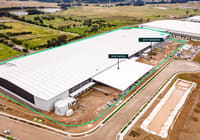
The eastern seaboard holdings span 4.12 hectares and comprise 13,846 square metres of buildings supporting Cleanaway’s hazardous and regulated waste operations.
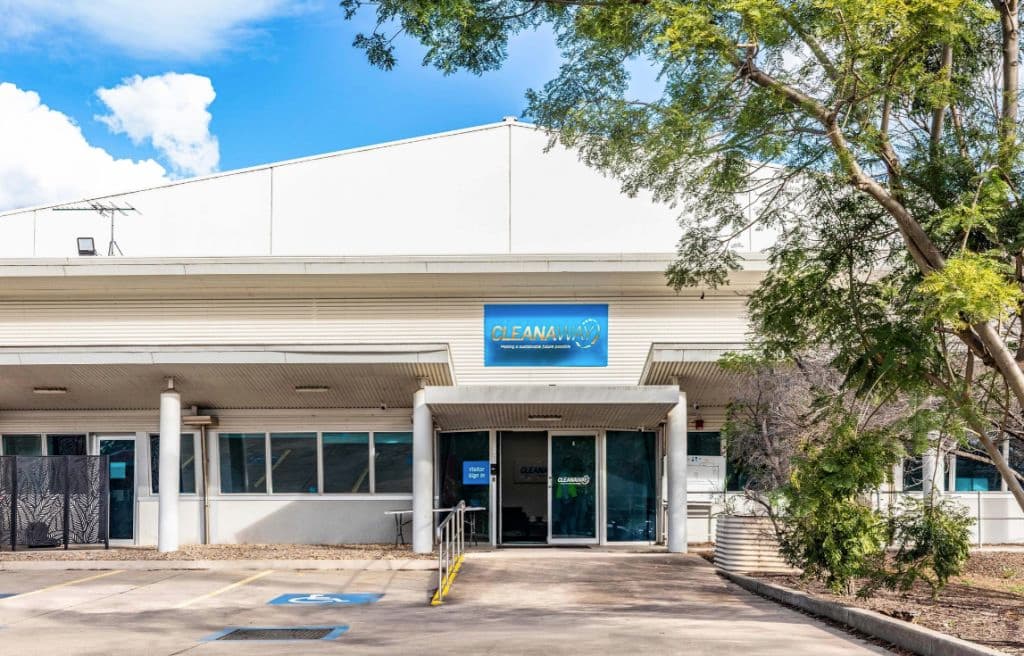
The properties each come with rare EPA licences and are rented to Cleanaway, Australia’s largest waste company. Under triple-net lease arrangements, they generate about $1.45 million in annual net income and share a weighted average lease expiry (WALE) of 5.5 years through to December 2031, with two further five-year options providing potential tenure through to 2041.
The sale comes as Australia’s waste sector undergoes a structural shift towards resource recovery and lower-emissions infrastructure. Under the federal government’s National Waste Policy Action Plan, Australia is targeting an 80 per cent resource recovery rate by 2030 while halving the amount of organic waste sent to landfill. The transition is expected to drive billions of dollars in investment in recycling, energy-from-waste and hazardous waste infrastructure over the coming decades.
The offering gives investors exposure to a specialised industrial niche where planning approvals, EPA licences and purpose-built operational infrastructure can take years to establish, if at all.
The properties are being offered individually or in one line through an expressions-of-interest campaign managed by Knight Frank agents Orlando Maciel, James Reeves, Harley Bowen and Henry McKeering.
Scarce EPA approvals underpin investment appeal
Maciel said the offering represented a highly unusual opportunity to acquire a geographically diversified industrial investment backed by one of Australia’s strongest covenants.
“Opportunities to acquire a portfolio of high-quality and fully operational hazardous waste facilities of this calibre are exceptionally rare,” he said.
Maciel said investors would benefit from secure income across strategically important industrial locations.
“The portfolio combines long-term income security with specialised environmental approvals that are increasingly difficult and time-consuming to obtain, creating significant barriers to entry for competing facilities,” he said.
Reeves said the assets would appeal to a broad range of institutional and private investors.
“These assets deliver solid income for incoming buyers, but they also offer future flexibility through extensive hardstand areas, low site coverage and strong underlying land holdings in strategic locations,” he said.
“We expect strong interest from investors seeking defensive industrial assets with specialised infrastructure characteristics that are difficult to replicate in today’s regulatory environment.”
Established metropolitan logistics corridors secure long-term asset flexibility
Two of the four assets are clustered within Sydney’s established St Marys industrial precinct, about 42 kilometres north-west of the CBD, where they support Cleanaway’s specialist liquid and hazardous waste operations.

At 40 Christie Street – which is temporarily closed to the public – the facility provides industrial liquid waste services to customers across western Sydney, handling a broad range of regulated waste streams including hazardous chemicals, contaminated wash waters, oils, grease trap waste, interceptors and liquid residues generated by commercial and industrial businesses.
It features a 4289-square-metre office, and the warehouse sits on a 10,400-square-metre site with 2600 square metres of hardstand and loading areas.
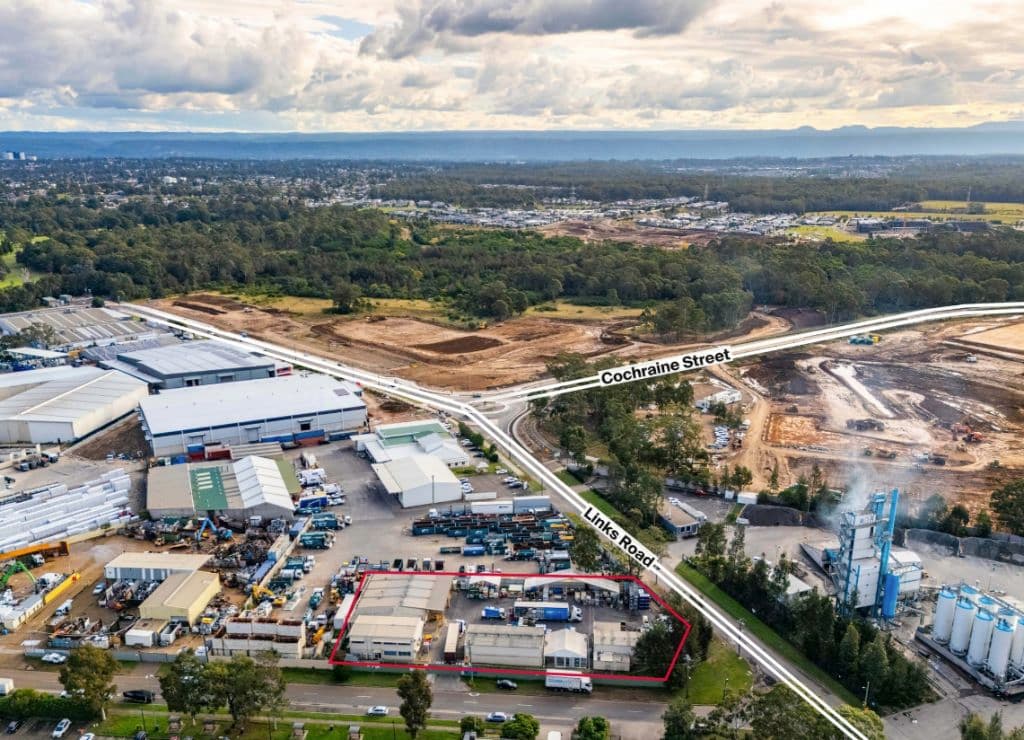
Nearby, at 66 Links Road, the property occupies a 3547-square-metre site with 909 square metres of office and warehouse accommodation. The EPA-approved site offers specialised waste storage, treatment and disposal activities.
Together, they feature generous hardstand areas that support heavy-vehicle movements and specialised waste-handling operations, and are well connected to the Great Western Highway.

Melbourne and Brisbane complete the eastern seaboard footprint
The remaining assets give buyers exposure to two of Australia’s strongest industrial markets.
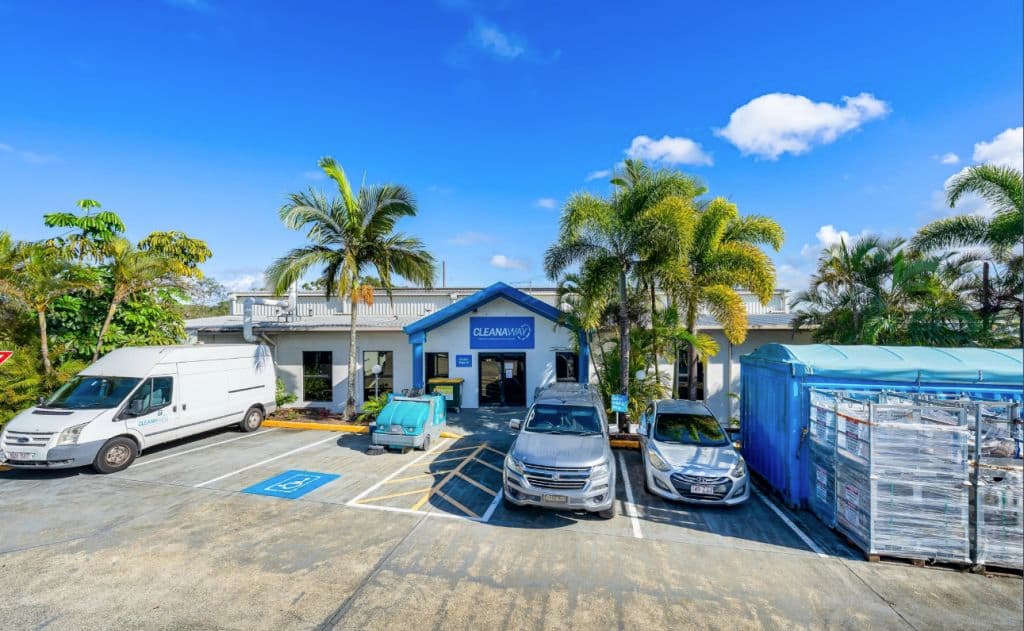
At 83-87 Dohertys Road, Laverton North, about 17 kilometres west of Melbourne’s CBD, the Victorian holding forms part of one of Cleanaway’s EPA Victoria-licensed technical waste operations, specialising in the collection and treatment of packaged chemical waste for customers across the manufacturing, mining, oil and gas, utilities, government and education sectors.
The facility comprises a standalone office and seven warehouses totalling 6651 square metres on a 20,192-square-metre site within the tightly held Western Industrial Precinct.

In Queensland, the Narangba property at 8-12 Krypton Street, about 34 kilometres north of Brisbane, operates as a hazardous waste treatment plant servicing waste companies, utilities, the defence sector, local councils, the EPA, industrial businesses and universities across the state.
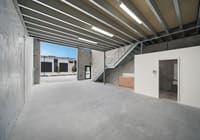
The facility specialises in processing hazardous liquid waste, including PCBs, PFAS, chemicals and hazardous packaged waste, and includes a two-level office, warehouse, workshop and ancillary sheds totalling 2097 square metres on a 7101-square-metre site.
Together, the four properties provide purpose-built infrastructure supporting hazardous and regulated waste management while benefiting from direct access to major freight routes, including the M4 Motorway, Melbourne’s Western Ring Road and the Bruce Highway, strengthening Cleanaway’s logistics network across Australia’s eastern states.
Knight Frank expects interest from institutional investors, syndicators and private buyers attracted by the combination of secure long-term income, strategic industrial locations and scarce environmental approvals.
The properties are for sale together or in one line via expressions of interest, closing at 4pm on Thursday, July 30.