The realities of buying a country pub in regional Australia
For decades, Ben and Anthea Brinkworth’s focus has been on farming. As owners of Willoway Farming near Keith in South Australia’s south-east, building resilient businesses and investing in the long-term future of their region has always been part of the job description.
Long before they became pub owners, the Brinkworth family were regulars at the Willalooka Tavern. Since moving to the district almost 30 years ago, Ben and Anthea Brinkworth – now joined in the business by their daughter, Georga – have watched the venue serve generations of locals as a meeting place and social hub. But when they were approached about purchasing the pub, the prospect of seeing it redeveloped by remote operators helped influence their decision.
“We wanted to ensure the tavern remained in local hands and continued to be the social anchor that generations of locals have enjoyed,” Ben Brinkworth says.
While purchasing the tavern was a relatively straightforward decision in the end, what came next was less expected. The Brinkworth’s quickly discovered that owning a country pub meant taking responsibility for much more than a piece of real estate.
Investing in community
For a family with its roots firmly planted in agriculture, buying the local country pub was never about income diversification for the Brinkworths; instead, it was purchased with preservation and revitalisation in mind.
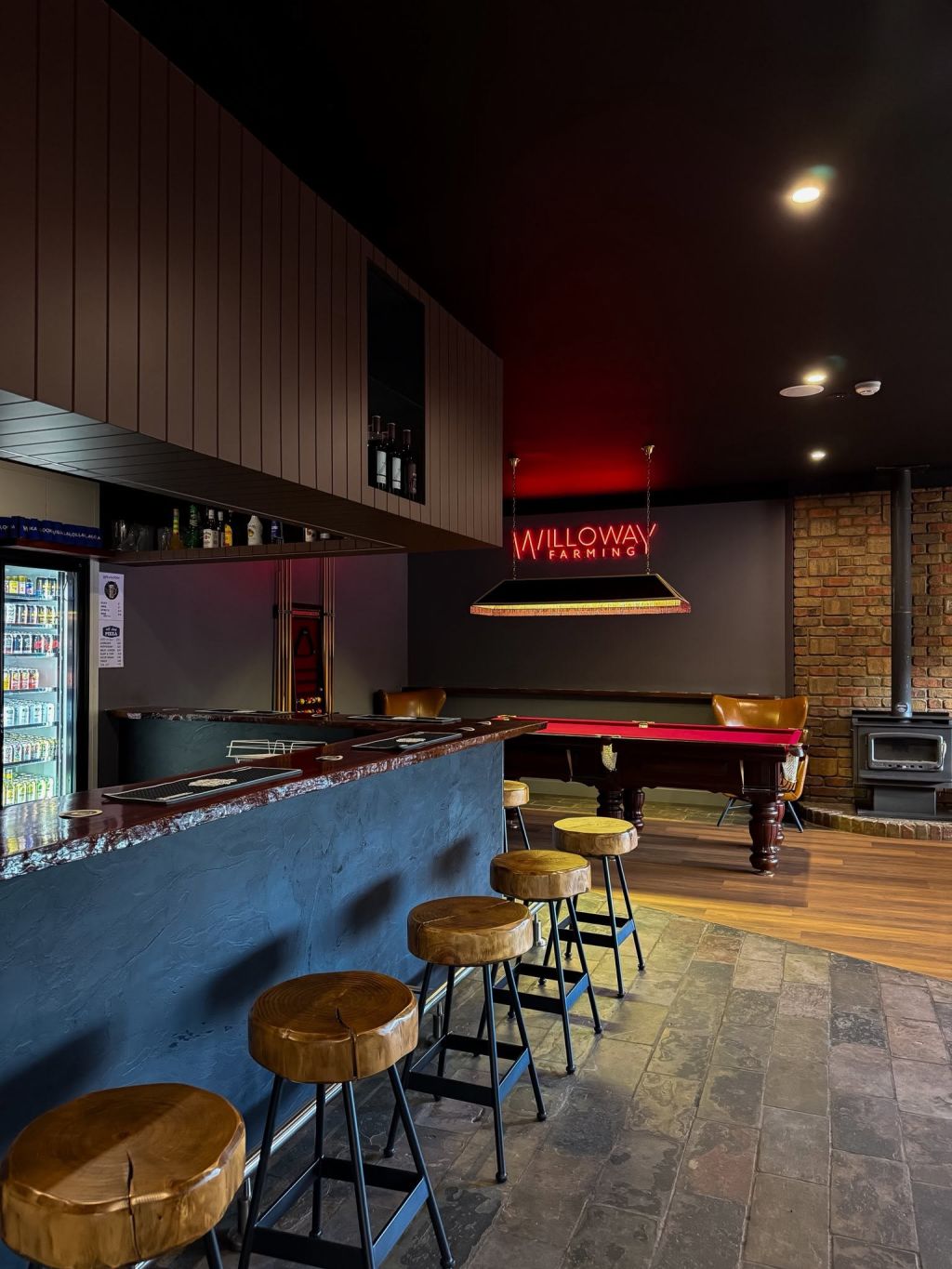
“It has once again become a place where people gather, catch up with friends, attend events, celebrate milestones and connect with one another,” says Ben Brinkworth. “There is a renewed energy around the venue, with more people coming through the doors and more reasons for the community to come together.”
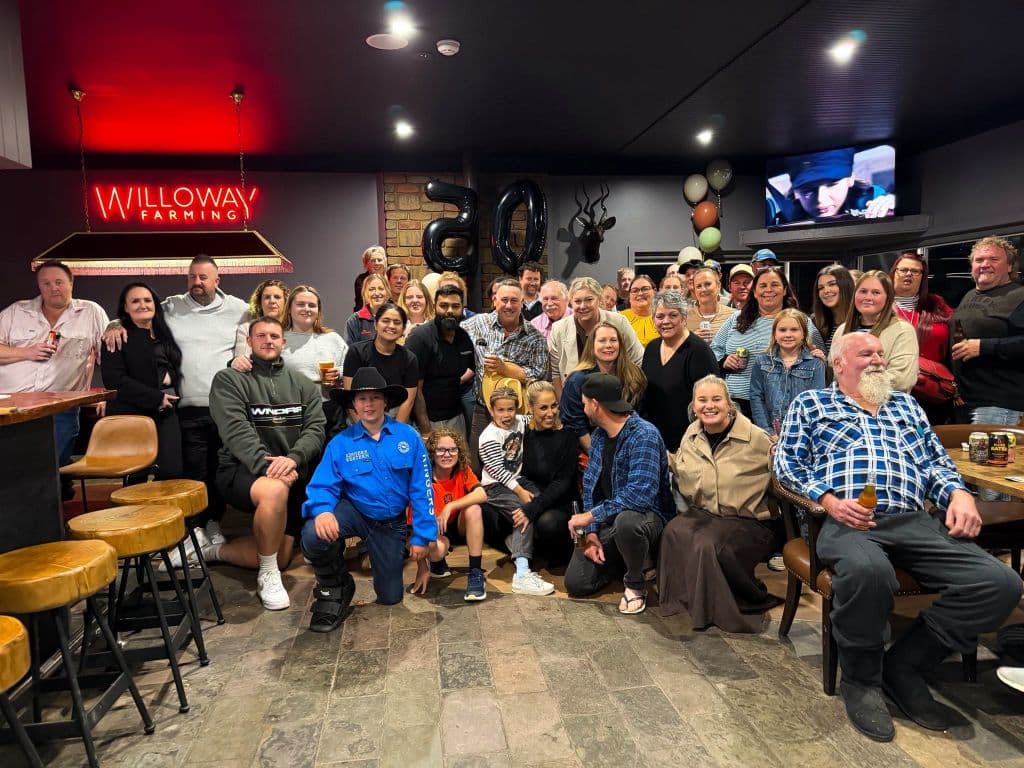
When it comes to measuring the success of the business, it’s about more than just balancing the books for the new owners of the Willalooka Tavern, and their effort goes a long way in safeguarding a social and economic anchor that provides people with a reason to stay, work and build a future in regional Australia.
It’s a notion backed by Sarah Secker, regional development leader, local sixth-generation farmer and founder of Regional Collective. She says destinations like pubs play an important role in maintaining community connections.
“Recreation and social activities are incredibly important parts of community connection. In agricultural communities, where we often work isolated or in small teams, these destinations are vital to the basic human need to socialise,” Secker says.
More than a business
Initially, the Brinkworth family’s involvement was intended to be largely behind the scenes. But after discovering that the existing lease arrangements didn’t necessarily guarantee the future they had envisioned for the venue, the Brinkworth’s decided to become more hands-on.
“In the end, we realised that if we wanted the tavern to become what we envisioned, we had to be willing to manage it ourselves,” Ben says. “It wasn’t necessarily part of the original plan, but it became clear that having direct involvement was the best way to protect the future of the business and ensure it remained a true community asset.”
The level of care and commitment shown by the Brinkworth family isn’t uncommon in this tiny town, as Secker says Willalooka itself is a valuable example of people power.
“The community of Willalooka is incredibly special. With less than 300 people, it has a spirit and loyalty to the community that many would envy. This community spirit is what enables people to call it home,” she says.
It’s a philosophy with implications far beyond a single venue. “Strong communities enable strong farms,” she says. “I place enormous value on community when it comes to farmers’ ability to recruit and retain staff. We have all visited a country town that has lost its essentials. They become ghost towns and, unfortunately, what we see in regional Australia is that once these services are lost, they rarely return.”
Why local ownership matters
Secker believes locally owned businesses deliver benefits that extend far beyond the services they provide. “I’ve always said shopping local is a two-way street,” she says.
“Locally owned businesses are essential to regional Australia. Not only do they provide a service, but they also employ, provide training opportunities and sponsor events and teams. These are people who have their feet and heart in the community and make decisions with some emotion, not just margin.”
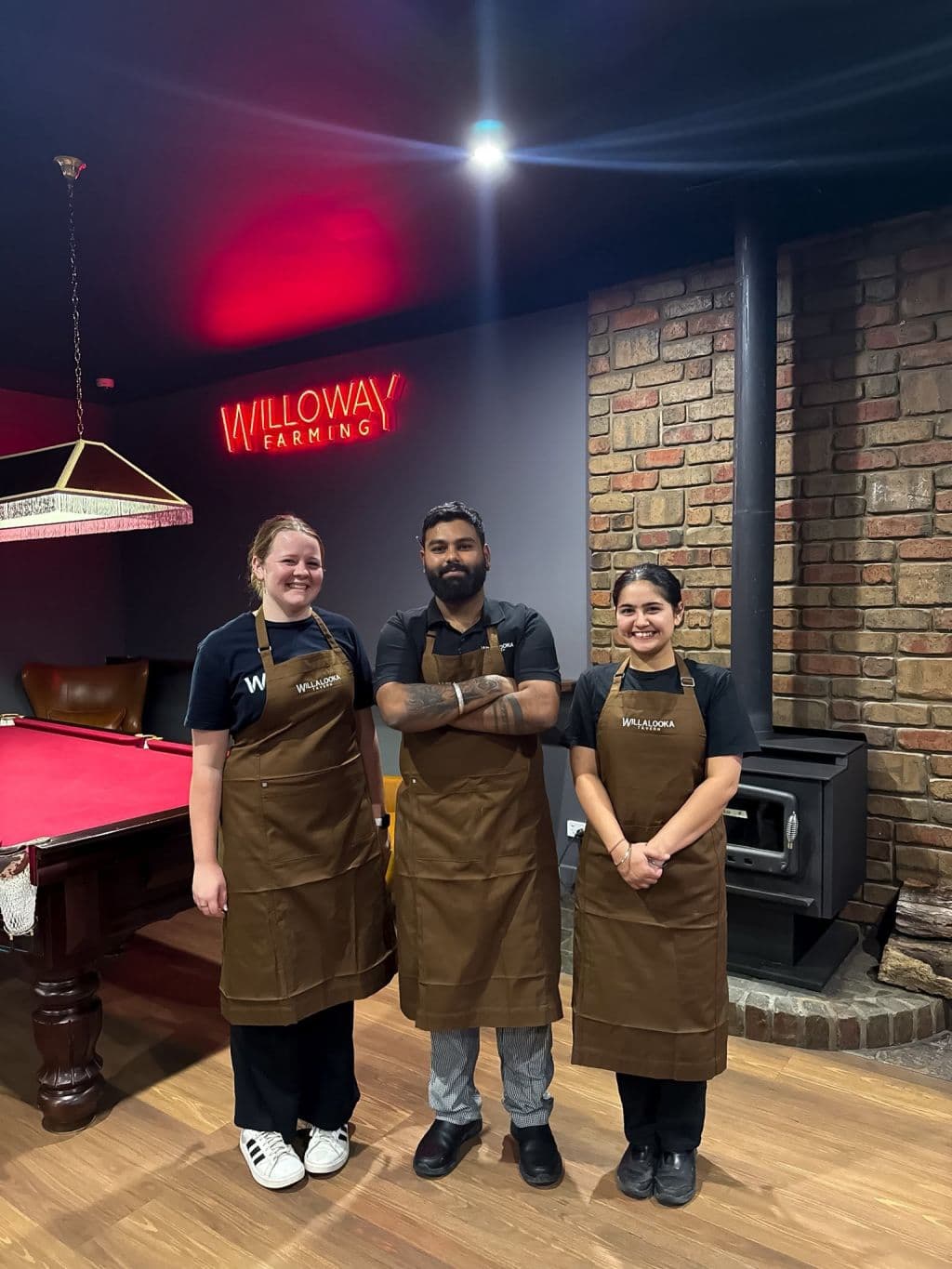
By comparison, she says absentee ownership can result in a different approach. “Absentee owners often run more of an investment-model business and don’t put the same value on offering a community service and social benefits.”
The experience has also changed the way the Brinkworths think about business ownership, though there are some similarities. “We approached the tavern much like we approach farming, focusing on long-term sustainability rather than short-term returns,” Ben says.
The reality behind the romance
The experience has, however, changed the way the Brinkworth’s think about business ownership and highlighted some of the pitfalls prospective buyers often overlook. One of the biggest surprises came during the purchase process itself, with the couple discovering just how complex leasehold arrangements can be.
“When we purchased the tavern, an existing lease was already in place, and we chose to honour that agreement,” Ben Brinkworth says. “The lease had years remaining, which initially gave us confidence in the long-term security of the arrangement. What we didn’t fully appreciate at the time was that a lease can be sold independently of the freehold.”
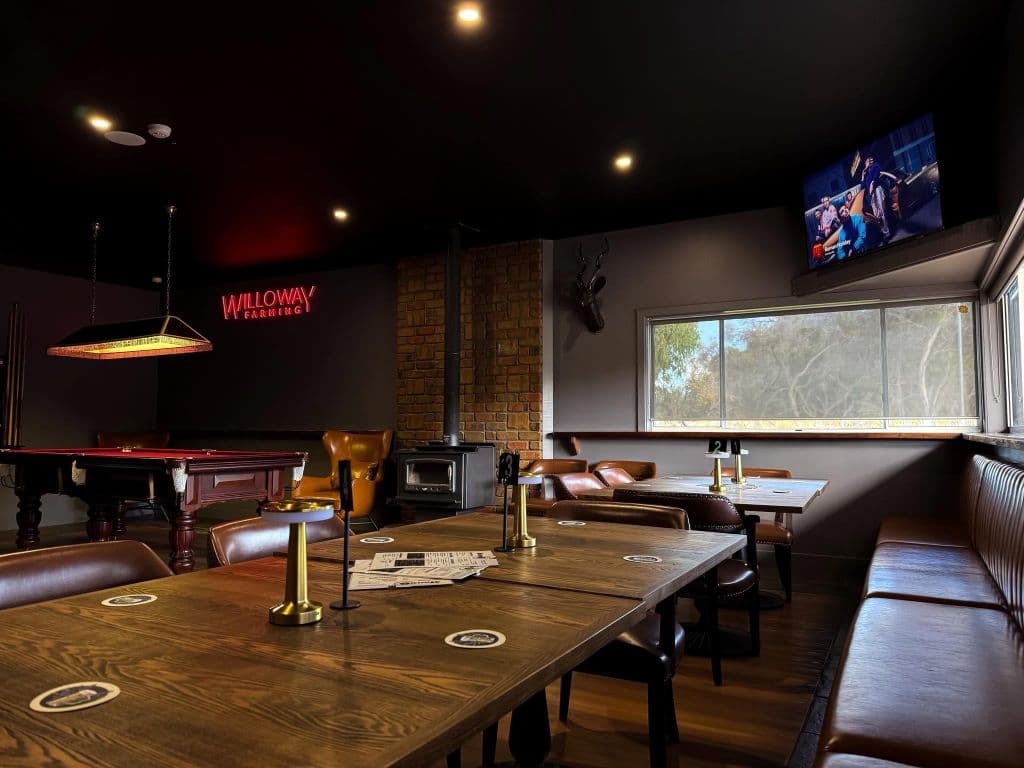
That meant that while the lease itself remained in place, the business operator could change, potentially altering the venue’s long-term future. It’s just one example of the many nuances involved in country pub ownership, and why the couple says prospective buyers need to look beyond the romantic image often associated with life behind the bar.
“If there’s one piece of advice we’d give to anyone considering buying a country pub, it’s to be prepared to invest far more than you expect, both financially and personally, before you see a return,” Ben says.
Equally important is recognising that even the best-laid plans won’t always have the answers. “No matter how much research you’ve done or how clear your vision is, there will be times when the community, your staff or your customers show you a better way,” he says.
“Being willing to listen, adapt and admit when something isn’t working is one of the most valuable qualities a pub owner can have. Pride can be expensive; flexibility is often what keeps a business moving forward.”